




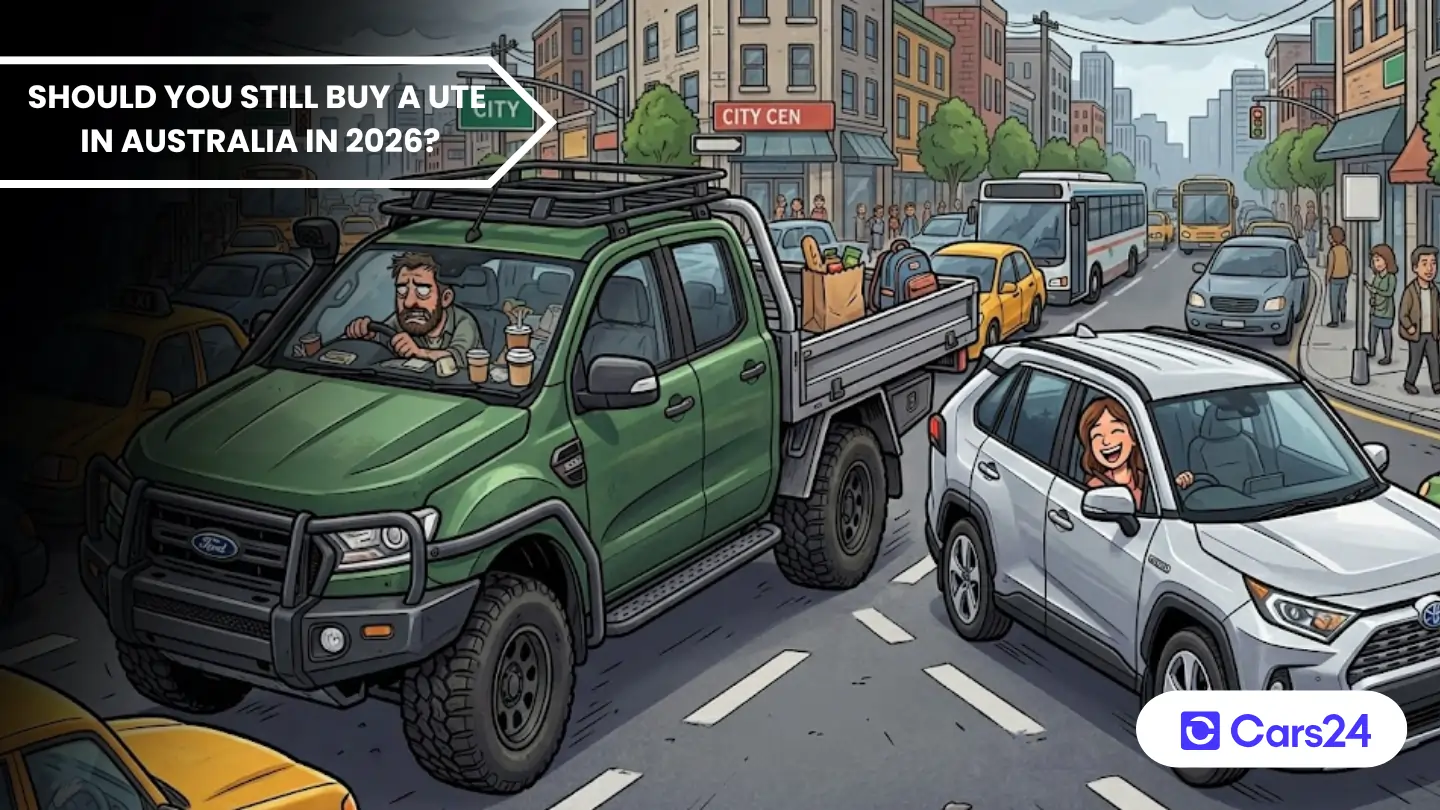
Australia’s obsession with utes isn’t slowing down anytime soon. Despite rising fuel prices, models like the Ford Ranger and Toyota HiLux continue to dominate sales charts, while large SUVs remain some of the country’s most popular vehicles.
But owning a ute in 2026 is becoming more expensive than ever. Diesel prices surged sharply during March and April, insurance premiums are rising, servicing costs continue climbing, and hybrid SUVs are becoming increasingly difficult to ignore for everyday buyers.
That doesn’t mean utes no longer make sense. But it does mean Australians should think more carefully before buying one, especially if most of their driving happens in the suburbs rather than on a worksite.
A ute still makes sense for many Australians
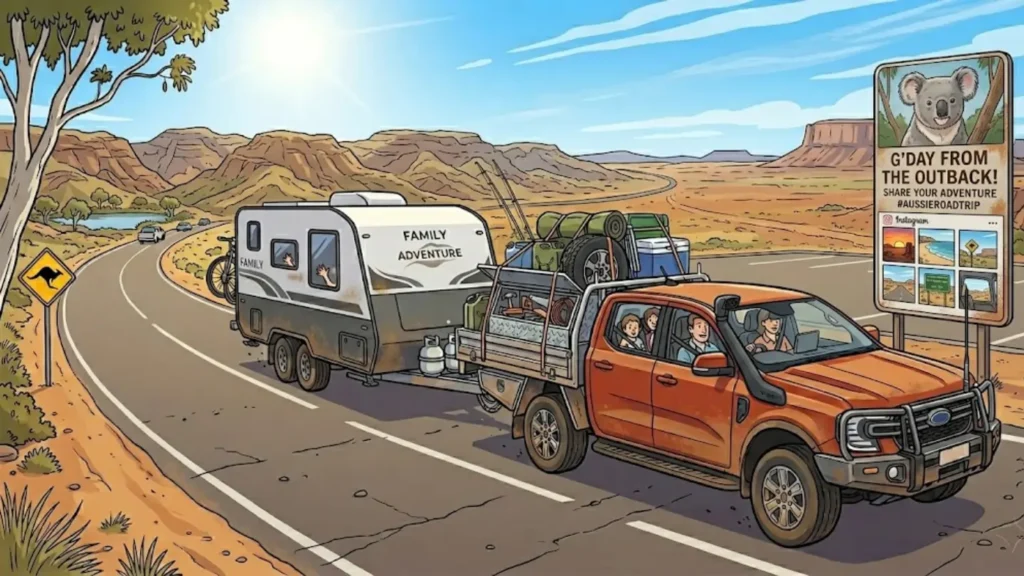
For plenty of buyers, a ute is still the right tool for the job. If you regularly:
- tow trailers or caravans
- carry heavy equipment
- work in trades
- travel long regional distances
- go camping or off-roading often
then a dual-cab ute still offers a level of practicality few other vehicles can match. Modern utes have also become far more refined than they used to be. Many now combine:
- strong towing capability
- advanced safety technology
- comfortable interiors
- family-friendly cabin space
- long-distance touring ability
For Australians who genuinely use those capabilities, the higher running costs can still be justified.
But many buyers may not actually need one
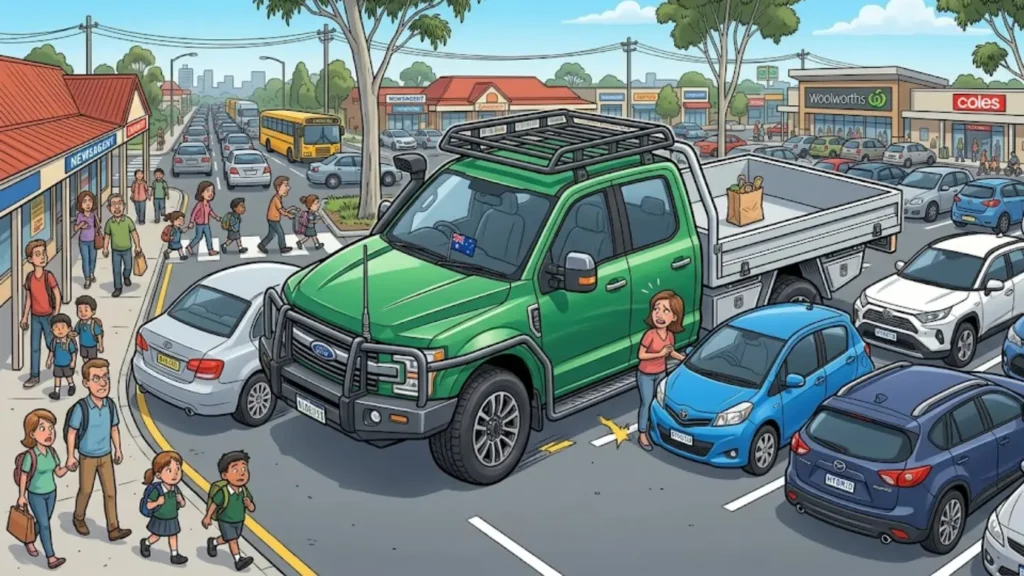
This is where the conversation is starting to change. A large number of utes now spend most of their time:
- commuting through city traffic
- parked in shopping centres
- doing school runs
- carrying little more than groceries
And that’s where the financial reality becomes harder to ignore. Compared to smaller SUVs or hybrids, utes are generally:
- more expensive to fuel
- more expensive to service
- harder to park
- more costly to insure
- tougher on tyres
Even though official fuel economy figures may seem reasonable, real-world consumption often climbs significantly in urban driving conditions. For buyers who rarely tow or carry heavy loads, a ute can quickly become an expensive compromise.
Rising fuel prices are exposing the true ownership costs
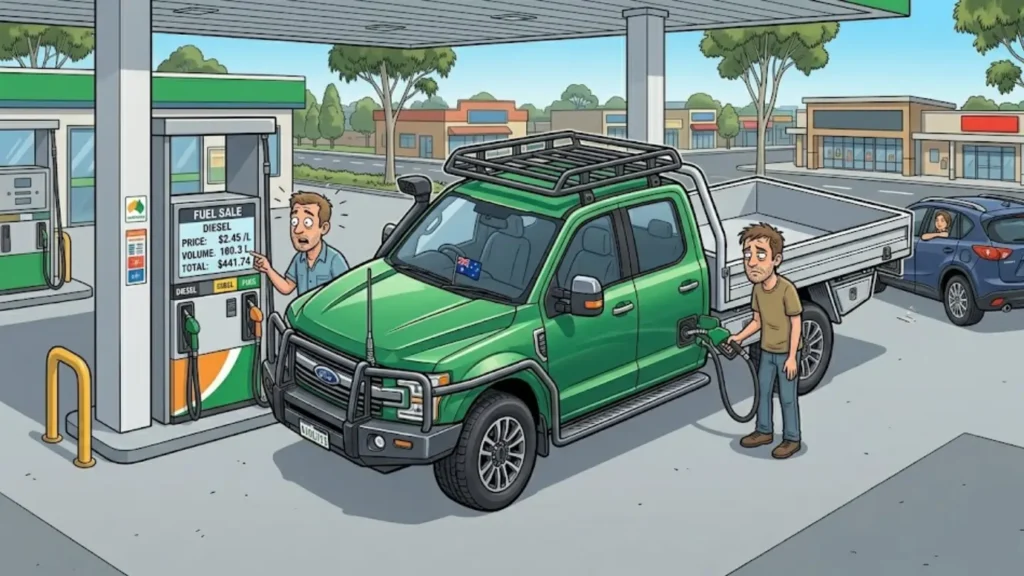
Fuel prices are now forcing many Australians to reassess what they actually need from a vehicle. Popular diesel utes commonly return around:
- 8L/100km to 10L/100km in mixed driving
- considerably more while towing or carrying loads
At current diesel prices, the yearly fuel bill can become substantial for high-mileage drivers. And fuel is only one part of the equation. Buyers also need to factor in:
- servicing costs
- registration
- finance repayments
- tyre replacements
- accessories and modifications
The gap in running costs between a diesel ute and a hybrid SUV can now be thousands of dollars per year depending on driving habits.
Hybrid SUVs are becoming the middle ground
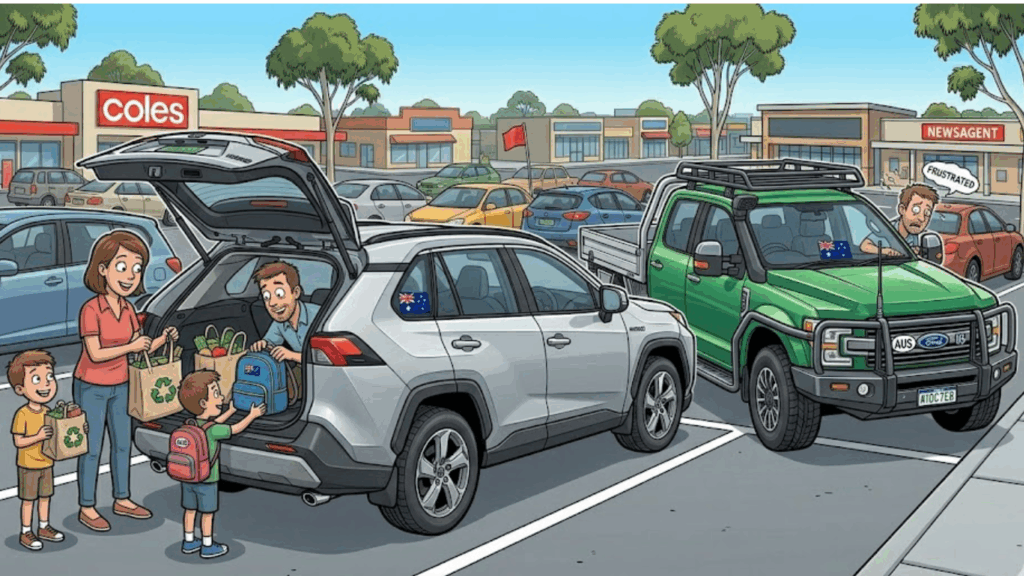
For many urban families, hybrid SUVs are increasingly emerging as the more sensible option. Vehicles like the Toyota RAV4 Hybrid and Haval Jolion offer:
- lower fuel consumption
- easier city driving
- lower running costs
- practical cabin space
- SUV ride height and visibility
Importantly, they still provide much of the everyday practicality Australians want without the fuel bills associated with larger diesel vehicles. That’s one reason hybrid sales in Australia continue growing rapidly.
Are electric utes ready yet?
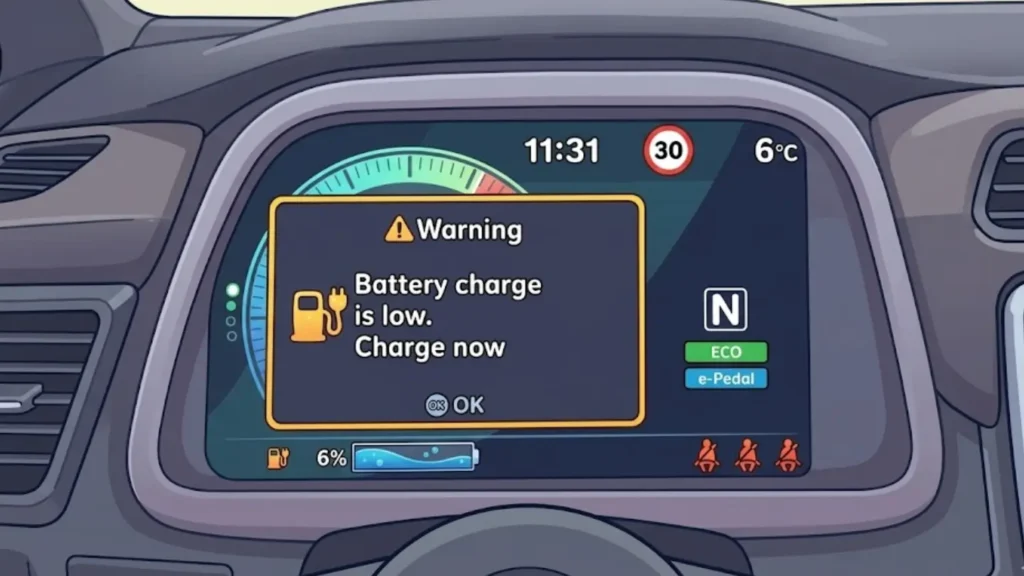
Electric utes are beginning to arrive in Australia, but they are still not a perfect fit for every buyer. Questions around:
- charging infrastructure
- towing range
- long-distance regional travel
- purchase pricing
mean diesel remains the default choice for many commercial and rural owners. That may change over the next few years, but for now, EV utes remain a developing part of the market rather than a mainstream replacement.
The bottom line
A ute can still make perfect sense in Australia in 2026 — but mainly for buyers who genuinely need its capability.
If you regularly tow, carry equipment, drive regionally or spend time off-road, the practicality of a ute may easily outweigh the higher ownership costs. But if most of your driving involves urban commuting and daily errands, a hybrid SUV may now deliver better value, lower running costs and less fuel-price stress over time.
The biggest question buyers should ask in 2026 is no longer: “Do I want a ute?” It’s, “Will I actually use what a ute is designed for?”

Comments
New Comment