




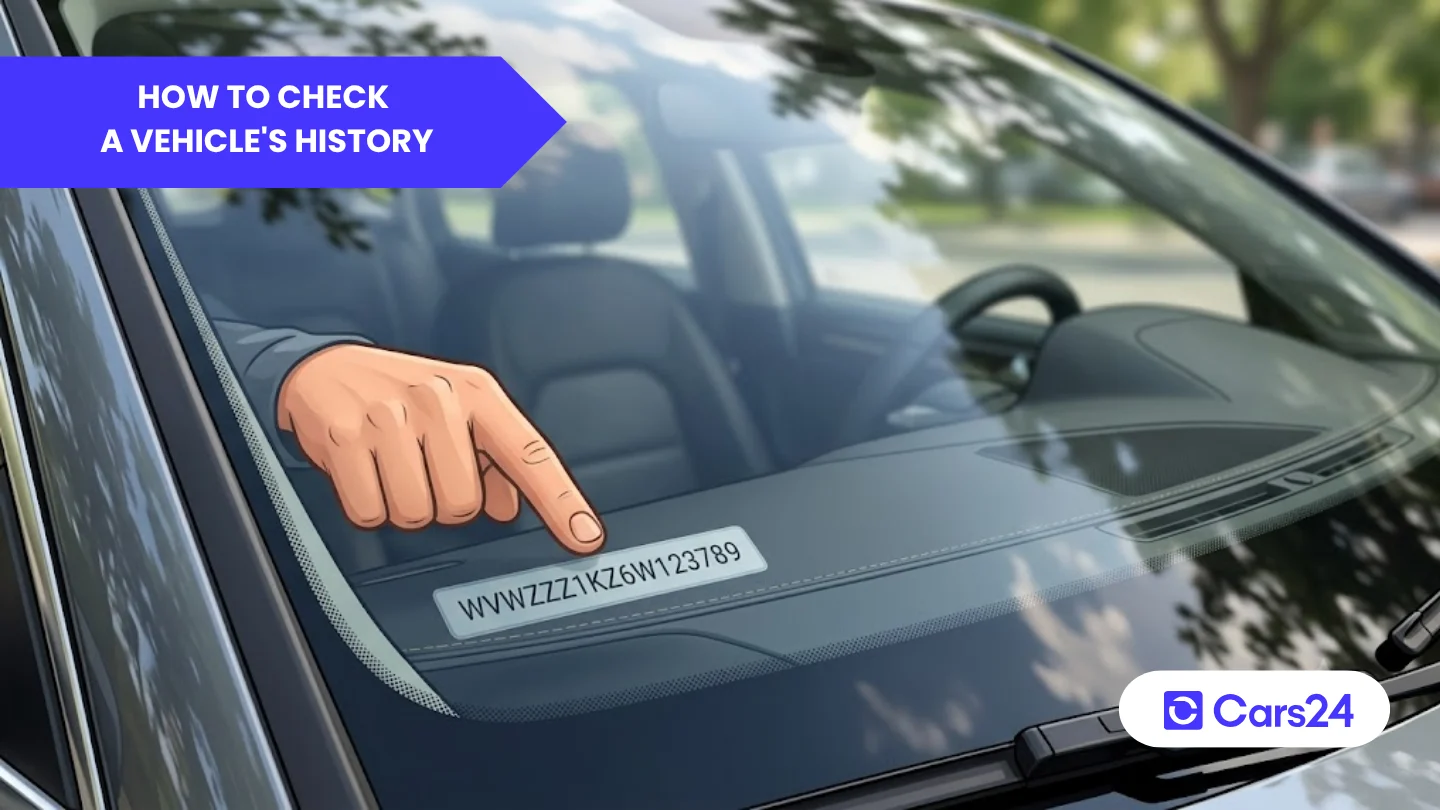
A car history check is a good idea before buying a used vehicle. A used car can look good and drive well, but there may be some history on that vehicle that could make it a bad buy. Finance, a write-off, faulty odometer, or even a stolen car history can turn a good car into a bad buy. It should be one of the first things you do when buying a used car.
A car history check in Australia can tell you about a car’s past to help you feel more confident about your purchase.
What is a Car History Check?
A car history check is a report that tells you the history of a vehicle based on its VIN (vehicle identification number) or registration.
It is a good idea to have a vehicle history report, as it can tell you important information that the seller might not disclose to you. A car history check is like a background check for a car. It won’t tell you everything about the car, but it can tell you important information that could affect your purchase decision.
Why should every used car buyer do a Car History Check?
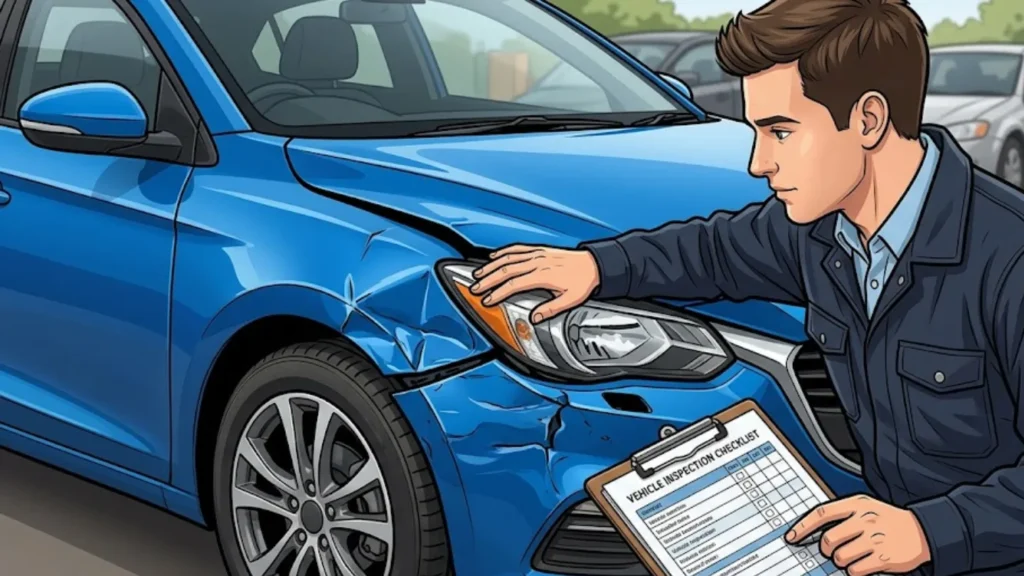
There are a lot of different cars to choose from in Australia, but not all of them have a good history.
Without a car history check, you could be purchasing a car with finance, a car that has been stolen, a car that has been written-off, or a car with a faulty odometer, or even a car with other issues.
You may be able to save thousands of dollars by spending a small amount on a vehicle history report.
Read more: How to negotiate the price of a used car in Australia?
What does a Car History Check reveal?
The information revealed in a car history report can vary. In Australia, some vehicle history reports will show you the following information.
Outstanding Finance
One of the most essential things a car history check may reveal is whether or not the vehicle has outstanding financing. Outstanding finance on a car means that a lender still has an interest in the vehicle. This means that the lender could still try to repossess the car if they are not paid. Buying a car with outstanding finance can cause a lot of headaches for the new owner if the finance isn’t paid.
Stolen Vehicle
A car history check can also tell you if a car has been stolen. You should be careful when buying a car that has been stolen, as you could end up losing a lot of money if the car is recovered.
Written-Off Status
A car history report can also tell you if a car has been written-off. A written-off car is a car that has been declared a total loss by an insurer due to damage from an accident, flood, fire, or storm. Depending on the reason for the write-off, the car may not be safe to drive.
In Australia, written-off vehicles can also be registered on state and territory written-off vehicle registers or WOVR. The procedure may differ for different states and territories, and the terminology used is also not the same, therefore, it is necessary to study the requirements of the particular state or territory when buying a repaired write-off.
Faulty Odometer
A lower mileage car can be a good buy, but some car history checks can tell you if the car has a faulty odometer. A faulty odometer means that the car’s mileage may not be accurate.
Registration Information
Some car history checks can give you registration information about the car to help you confirm the information the seller has given you.
Vehicle Identification Information
Some car history reports can give you vehicle identification information, such as the car’s make and model, year, VIN, engine, and body. This information can be helpful to confirm that the car the seller is selling is the car the buyer is buying.
What Is a PPSR Check?
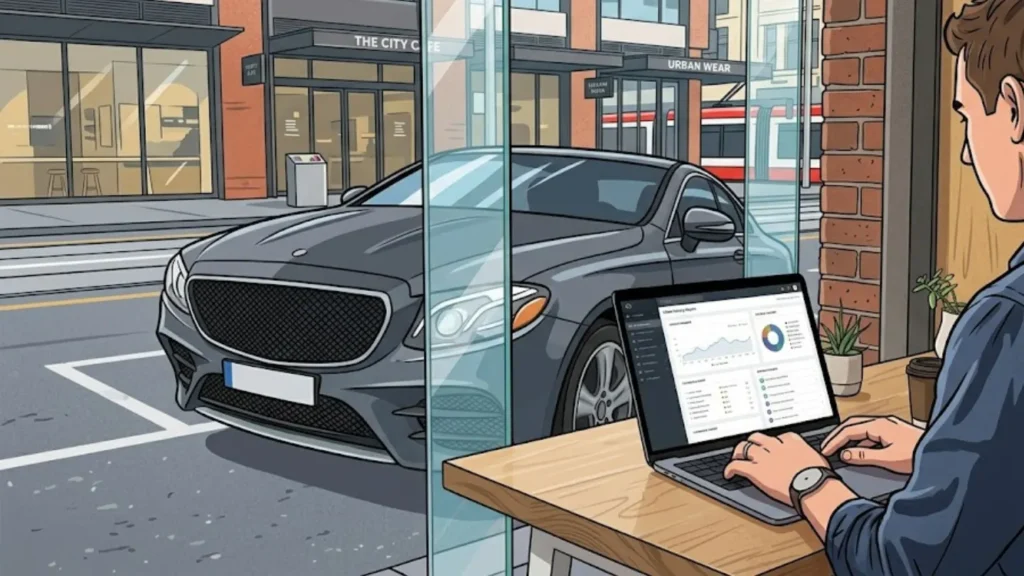
In Australia, a PPSR check is the most common way to check a car’s history. A PPSR check is a check on the Personal Property Securities Register, Australia’s government registry for personal property security. A PPSR search can reveal if there is a security interest registered against the vehicle and can also show if the vehicle is marked as stolen or written off. A PPSR certificate usually costs a small fee to obtain, with the government search fee currently standing at $2 per VIN search.
A PPSR search is particularly important when purchasing from a private seller as it can reveal any financial liens on the vehicle prior to purchase. If you want to take it a step further, Cars24 Australia also offers a $34 car history check with extra vehicle-history resources to help you research a used car before buying.
PPSR Check vs Comprehensive Vehicle History Report
A PPSR check is a good start to a car history check, but some car history reports go above and beyond a PPSR check and offer more information.
The following table compares a PPSR check to a comprehensive vehicle history report:
| PPSR Check | Comprehensive Vehicle History Report |
| Checks for registered security interests, such as outstanding finance | May include finance information |
| Can show stolen vehicle status | Can include stolen vehicle information |
| Can show written-off status | Can include written-off information and other available vehicle history |
| Provides a government-issued PPSR certificate | May provide additional ownership and vehicle-history information |
| Basic vehicle information linked to the VIN | May include odometer, damage and other records where available |
Using a PPSR check and a comprehensive vehicle history report can help you get the most information about a car’s history.
How to Check a Vehicle’s History
It’s quite easy to check a vehicle’s history.
Step 1: Find the VIN of the Vehicle
The initial step is to find the VIN (vehicle identification number) of the vehicle. The VIN is a 17-character code which can be found on the vehicle dashboard near the windscreen, on the driver door jamb, at the back of the vehicle registration and/or in the owner’s manual of the vehicle.
Step 2: Perform a PPSR Check
After getting the VIN, now go for a PPSR check. A PPSR check reveals information regarding finance, stolen status and write-off history of the vehicle.
Step 3: Perform Vehicle History Report
The next step is to perform a vehicle history report for the vehicle. A vehicle history report gives more detailed information about the vehicle than a PPSR check.
Step 4: Check for Recalls
The next step is to check for recalls. You can check recalls by searching the VIN in the Australian vehicle recall database.
Step 5: Verify Information Against Seller Data
The last step is to verify what you find with what the seller has. Make sure that details of the car match what is in the seller’s registration and documentation.
Red flags you should be wary of

It should be noted that not all details of a car’s history will disqualify a purchase but some should put you on alert when checking the vehicle’s history. Below is a list of things you should be careful about.
- Outstanding loan
- Stolen car
- Total loss
- Bad odometer
- Discrepancies in vehicle registration
- Vehicle information does not match
- The seller has hidden the fact that the car was damaged.
- It is important to speak to the seller about any of these red flags you come across during your investigation.
Other checks you should do before buying
Moreover, in addition to performing the above-mentioned car history check, there are a few other important things that can be done to ensure you are purchasing the right vehicle. Below are some useful tips.
Check the Car’s Service History
A good service history can tell you that a car has been well-maintained.
Test-Drive the Car
A test-drive can help you determine if the car has any mechanical issues.
Look Out for Signs of Damage
When looking at the car, look out for signs of damage to the car’s body.
Have the Car Inspected by an Independent Mechanic
An independent mechanic can tell you if there are any issues with the car that the seller or you may have missed.
Final Advice
A car history check is one of the best things you can do to ensure you are making a good purchase when buying a used car. It can tell you a lot about a car’s past, including finance, stolen vehicle status, and write-off history. A car history check may not tell you everything there is to know about a car, but it can tell you a lot that could help you make a good purchase decision. It should always be one of the first things you do when buying a used car, not one of the last.
Some car history check services will give you limited information for free, but most of them will require you to pay for a comprehensive history report.
A VIN is a vehicle identification number. A VIN is a 17-character code that can be found on the dashboard of the car near the windscreen, on the driver’s side door jamb, on the car’s registration, or in the car’s owner’s manual.
A PPSR check is a good start, but a car history check and a mechanical inspection can tell you more about the car’s history and mechanical condition.
A car history check only takes as long as it takes to enter the VIN into the history check database. Most car history checks take only a few minutes.

Comments
New Comment