




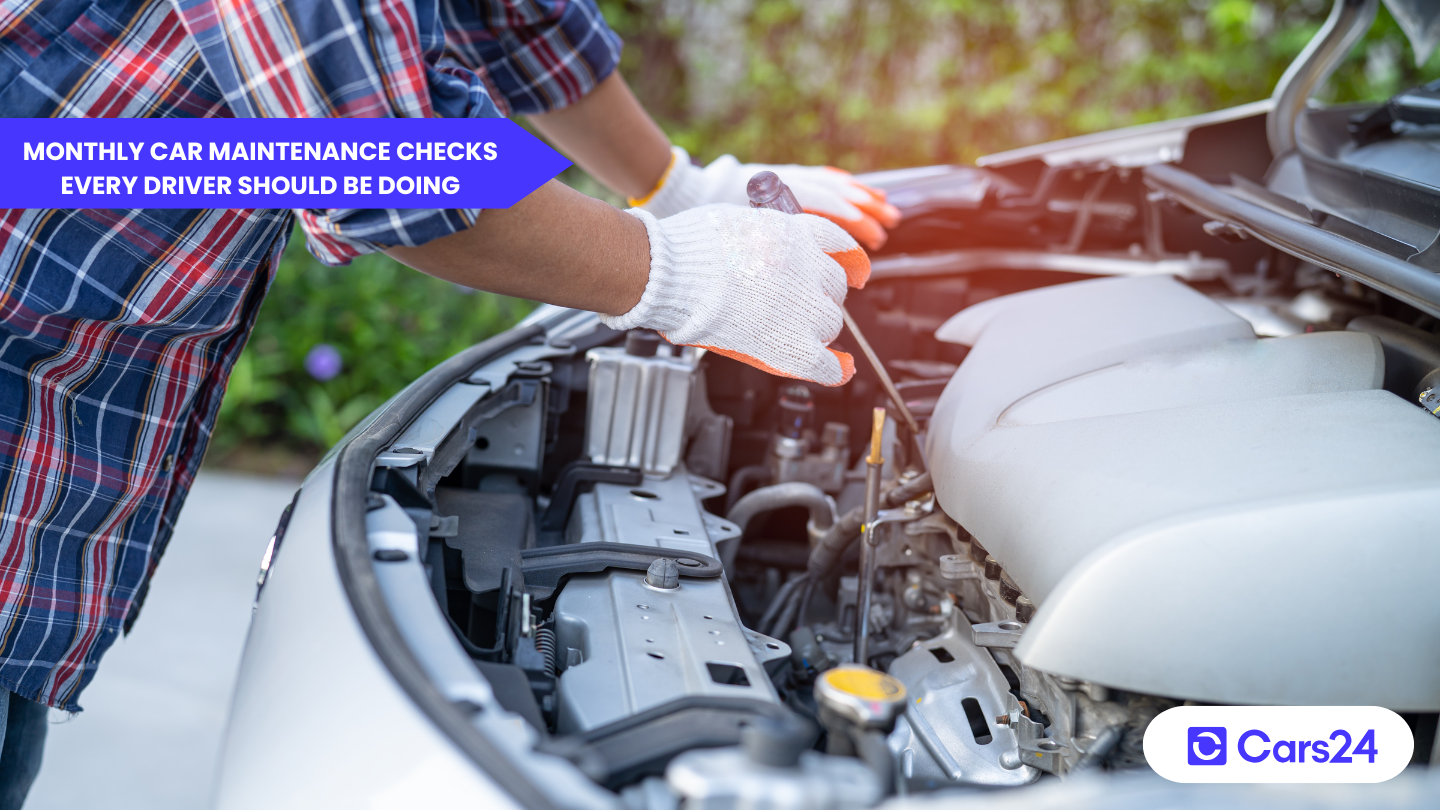
A simple monthly car maintenance checklist can save you hundreds of dollars in repairs and prevent small issues from turning into expensive breakdowns. You don’t need to be a mechanic to run through the basics; most monthly checks take less than 20 minutes and use tools you already have at home.
This is the foundation of DIY car maintenance, where you will catch wear and tear early, stay ahead of your logbook servicing, and know exactly what’s happening under the bonnet before a warning light forces the issue.
Why a monthly checklist matters
Cars don’t stop or fail without warning. Tyres lose pressure gradually, oil degrades over time and brake pads wear down kilometre by kilometre. A monthly check is your chance to act on these changes while they’re still cheap and easy to fix. It also protects your wallet, so skipping the basic checks is one of the biggest reasons drivers face unexpected car service cost blowouts.
A flat battery, a seized brake calliper or an overheated engine are often the end result of something that was visible weeks earlier. Spending 20 minutes a month is far cheaper than a tow truck and a repair bill.
What most drivers get wrong
Many Australian drivers assume that if the car starts and drives fine, everything underneath is fine too. That’s rarely the case. Fluids drop slowly, tyres wear unevenly and brake pads thin out without any noticeable change in how the car feels, until they’re dangerously low. Relying on dashboard warning lights alone means you’re only finding out about a problem once it’s already serious.
The other common mistake is confusing self-service with full car servicing. A monthly checklist is not a replacement for your scheduled logbook service; it’s a way to stay on top of the basics between professional services, so nothing goes unchecked for months at a time.
Monthly car maintenance checklist: 8 things to check
Run through these checks once a month, ideally at the start of the month so it becomes a habit:
1. Tyre pressure and tread
Check pressure when tyres are cold, using the figures on the sticker inside your driver’s door or fuel flap. Use the 5-cent coin test on the tread, if you can see the rim of the coin sitting in the groove, it’s time to think about replacements.
2. Engine oil level
With the car parked on level ground and the engine cool, pull the dipstick, wipe it clean, reinsert it, and check the level against the markings. Top up if it’s near the low mark, and note the oil’s colour, is it dark, gritty oil? Then it’s your sign that the next service shouldn’t be delayed.
3. Coolant level
Check the coolant reservoir against the min/max markings on the side of the tank. Never open the radiator cap when the engine is hot.
4. Brake fluid level
Check the brake fluid reservoir, usually located near the firewall on the driver’s side. A declining level without a visible leak can indicate worn brake pads.
5. Windscreen washer fluid
A quick top here is cheap insurance against poor visibility, especially as we head into wetter months.
6. Lights
Walk around the car and test the headlights, brake lights, indicators and reverse lights. A second person or a reflection off a garage door makes this a one-person job.
7. Wiper blades
Run the wiper on the windscreen washer setting and look for streaking, skipping or squealing, all signs the rubber has hardened and needs replacing.
8. Battery terminals
Look for white or greenish corrosion build-up around the terminals. A quick clean with a wire brush keeps the connection solid, particularly important before extreme heat or cold settles in.
Step by step: How to run your monthly check
- Park on flat ground and let the engine cool for at least 10 minutes.
- Check the tyre pressure on all four tyres and the spare.
- Inspect tread depth using the coin test on each tyre.
- Open the bonnet and check oil, coolant and brake fluid levels.
- Top up washer fluid if needed.
- Test all exterior lights with engine running.
- Run the wiper and check for blade condition.
- Inspect battery terminals for corrosion.
- Look for unusual stuff like a knock, a smell, or a vibration, and log it for your next service.
Keep a simple log in phone notes or notepad so that you can track patterns over time, like a tyre losing pressure faster than others or oil that needs topping up more frequently than expected.
When to get professional help
A monthly checklist covers the basics, but it’s not a substitute for trained eyes. If you notice a consistent drop in any fluid level, uneven tyre wear, a battery that needs more frequent attention or any warning light on the dashboard, it’s time to book the car in. Brake components, suspension parts and anything electrical are best left to a qualified mechanic.
Sticking to your logbook servicing alongside your monthly checks also helps protect your car’s resale value down the track, since a documented service history reassures any future buyer that the car has been properly looked after.
Conclusion
A consistent car maintenance checklist doesn’t need to be complicated. Checking your tyres, fluids, lights, wipers and battery once a month takes less than half an hour and gives a clear picture of your car’s condition before small issues become expensive ones. Combine these monthly DIY car maintenance habits with your regular professional servicing and you will spend less on repairs, avoid surprise breakdowns and keep your car running smoothly and for longer period of time.
If your car is getting older and the repair bills are starting to outweigh its value, it might be worth finding out what it’s worth today; get a free valuation from Cars24 and see how much you could put toward something new.

Comments
New Comment