




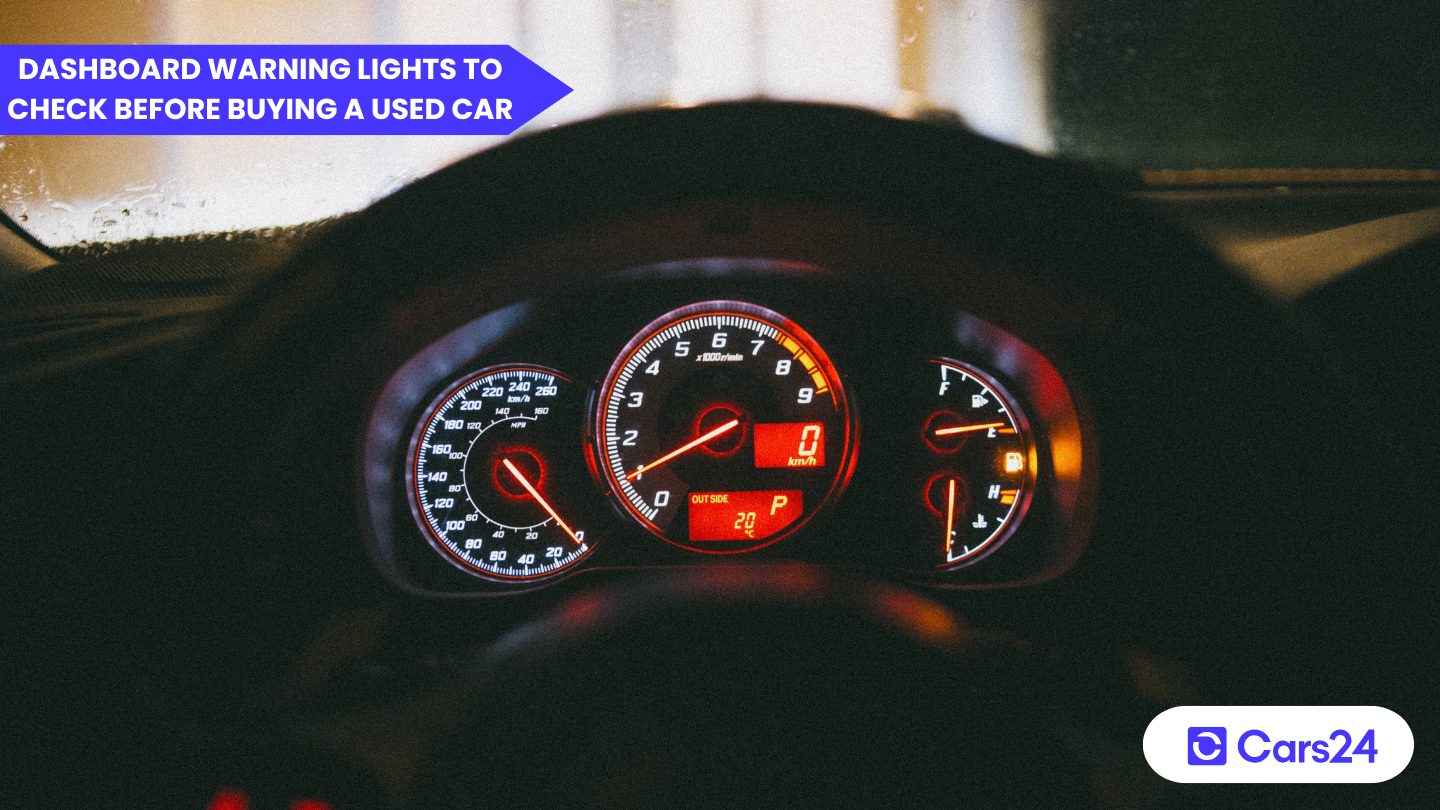
Buying a used car in Australia can be one of the smartest financial decisions you make, but only if you know what to look for before signing anything. One of the most overlooked steps in the process? Checking the dashboard warning lights.
Those small illuminated symbols on a vehicle’s dashboard carry a lot of information, and ignoring them can turn a bargain into an expensive mistake. This guide walks you through the most critical warning lights to watch for, what they mean, and how to use them to negotiate smarter when you buy a used car.
Why dashboard warning lights matter, when buying a used car?
When you’re inspecting a used car, the dashboard tells you more about its health than a seller ever will. Dashboard warning lights are the car’s built-in diagnostic system. They flag everything from minor sensor faults to serious mechanical failures.
The problem? Some sellers clear these codes before showing the car. That’s why you should always start the engine yourself during an inspection, watch which lights come on, and, just as importantly, which stay on. A car in good condition will show a few lights on startup (oil pressure, battery, airbag) that disappear within seconds. Any dashboard check light that remains lit after the engine starts is a red flag worth investigating.
The meaning of dashboard warning lights: The ones that count most
Not all dashboard warning lights carry the same weight. Here’s how to read the colour system:
- Red: Stop. This indicates a serious fault that requires immediate attention.
- Orange/Amber: Caution. The car needs attention soon, but isn’t in immediate danger.
- Yellow: Advisory. Worth monitoring or checking with a mechanic.
- Green/Blue: Informational. These indicate active systems (e.g., high beams, indicators).
When buying a used car, focus on red and amber lights. Here are the specific ones to check closely:
1. Engine Warning Light (Check Engine / MIL)
This is the most common dashboard check light and the most misunderstood. The engine management light (an engine-shaped icon) can signal anything from a loose fuel cap to a failing catalytic converter. On its own, it doesn’t tell you the severity. You’ll need an OBD-II scanner to pull the fault code. If the seller hasn’t addressed it, negotiate the cost of diagnosis and repair into the price.
2. Oil Pressure Warning Light
A red oil stain that won’t come off is serious. It means the engine isn’t getting adequate oil pressure, which can lead to catastrophic engine damage. If you see this light on during a test drive, walk away or factor in a full engine inspection before proceeding.
3. Temperature Warning Light
A red thermometer symbol indicates the engine is overheating or running dangerously hot. This could point to a coolant leak, a failing thermostat, or a blown head gasket, all costly repairs. Watch for this light during the test drive, particularly after the engine has warmed up.
4. Battery / Charging Warning Light
A battery symbol that remains on suggests the alternator or charging system is failing. If the battery isn’t charging while the car runs, you’ll be stranded sooner than you think. This is a relatively inexpensive fix, but use it as a negotiating point.
5. ABS Warning Light
The ABS (Anti-lock Braking System) light indicates a fault in the braking system. While the brakes may still work, you’ll lose the anti-lock function, a real safety concern, especially in wet Australian conditions. ABS repairs can range from a simple sensor replacement to a more involved module fix.
6. Airbag / SRS Warning Light
A light showing a seated figure with a circle (the airbag symbol) indicates a fault with the Supplemental Restraint System. This is a serious safety issue. In a crash, the airbags may not deploy. Have any airbag warning lights assessed by a licensed technician before committing to a purchase.
7. Traction Control / Stability Control Warning
If this light is permanently on (not just flashing during manoeuvres), it signals an issue with the stability or traction control systems. These are essential safety systems, particularly for Australian highways and wet roads.
What most buyers get wrong about warning lights
Many buyers assume that if the car starts and drives, it must be fine. That’s not how it works. A vehicle can drive comfortably for weeks while a serious fault silently develops, and that fault is already announcing itself on the dashboard.
We’ve also seen buyers ignore the meaning of dashboard warning lights because a seller explains them away with “oh, that light’s always been there.” That’s not reassurance, it’s confirmation that a problem exists and has never been fixed. If you see multiple warning lights on the dashboard of a vehicle you’re inspecting, treat it as a non-negotiable inspection point. A pre-purchase inspection by a qualified mechanic, typically costing $150-$300 in Australia, can identify underlying issues that dashboard lights indicate.
How to Check Warning Lights Before Buying
Follow these steps every time you inspect a used car:
- Factor any flagged faults into your offer price, or make the fault’s clearance a condition of sale.
- Sit in the driver’s seat before starting the engine, and note which dashboard lights illuminate when the key is turned.
- Start the engine and observe which lights go off and which stay on.
- Take the car for a test drive of at least 15-20 minutes to allow systems to warm up and any fault lights to appear.
- Ask the seller directly if any warning lights have appeared recently and whether any fault codes have been cleared.
- Request an OBD-II scan if any amber or red lights are present; many mechanics offer this service for free or a small fee.
Get peace of mind when buying a used car with Cars24
When you buy a used car through Cars24, every vehicle goes through a rigorous multi-point inspection before it reaches you. Our certified used cars are checked for mechanical integrity, safety system function, and fault history, so you’re not relying on dashboard lights to tell you what a seller conveniently forgot to mention.
Browse our range of certified used cars across Australia and drive away with trust.
Frequently Asked Questions
What do dashboard warning lights mean when buying a used car?
Dashboard warning lights indicate faults or alerts from the car’s onboard diagnostic system. When buying a used car, any light that remains on after engine startup signals an unresolved issue that a mechanic should assess before purchase.
What is the most important check light on the dashboard to look for?
Red warning lights, particularly the oil pressure light, engine warning light, and airbag/SRS light are the most critical. These indicate faults that could affect safety or cause significant mechanical damage.
Can sellers clear dashboard warning lights before showing a car?
Yes. Sellers can clear fault codes using an OBD-II tool, which temporarily removes the warning light. This is why it’s important to take the car for an extended test drive and request an independent OBD-II scan before committing.
When is the best time to buy a used car in Australia?
The end of the financial year (June) is traditionally the best time to buy a used car in Australia, when dealers are motivated to clear stock. Post-Christmas months can also offer good opportunities. However, timing never replaces proper mechanical inspection.
Should I still buy a car if it has a warning light on?
It depends on the fault. Minor sensor issues may be inexpensive to fix and can be negotiated into the price. However, lights indicating airbag faults, engine failure, or oil pressure issues should be fully resolved and independently verified before you commit to buying a used car.





Comments
New Comment