




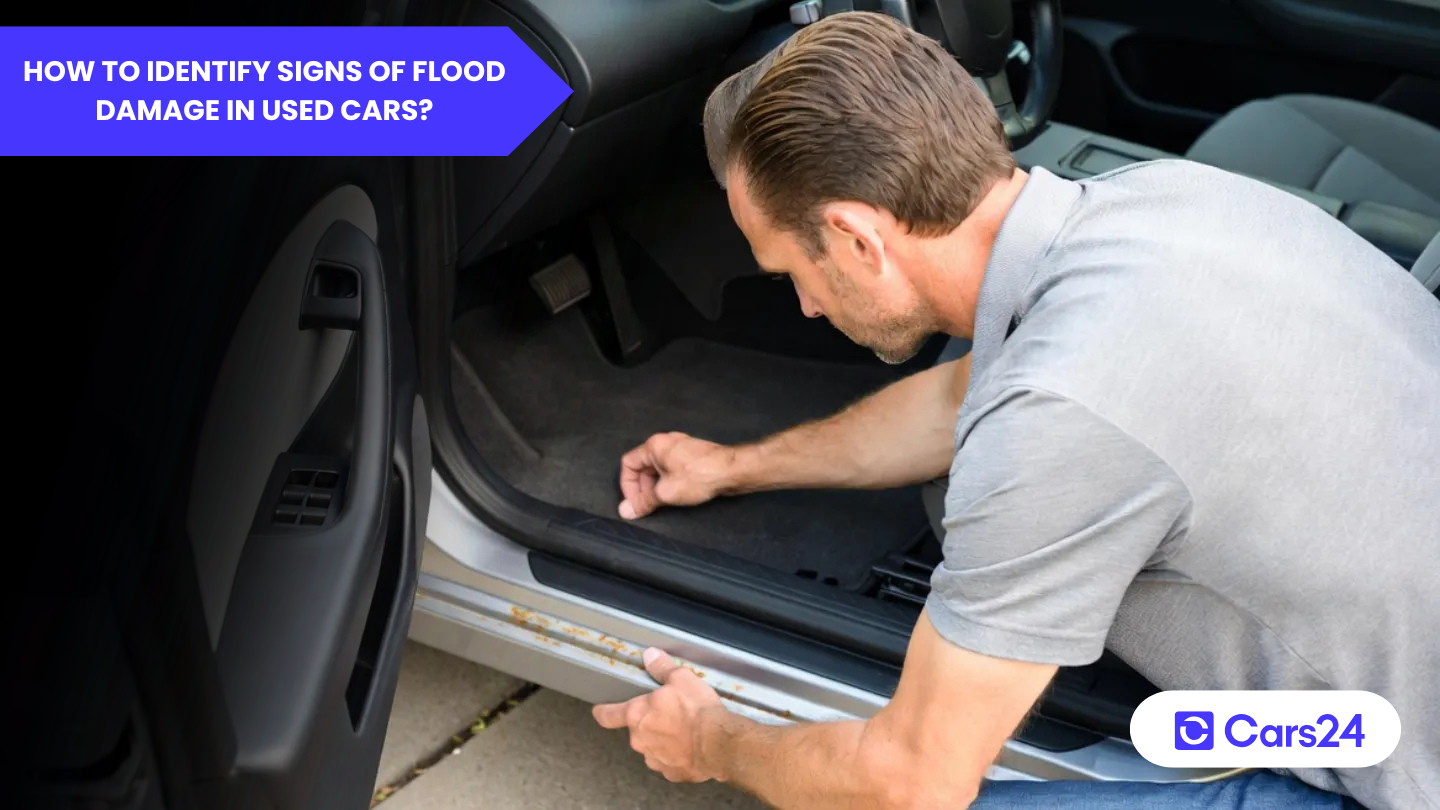
A flood-damaged used car can look perfectly fine on the outside while quietly falling apart underneath. The real danger is not just rust but the hidden electrical decay that can show up months later and turn a “cheap deal” into a very expensive mistake.
That’s why you have to act smartly and look for flood-damaged car signs in places people often forget to clean, before you go one step further, for the professional inspection. This guide has a long checklist to help you spot the flood damage in any used car.
What even is a flood-damaged car?
A flood-damaged car is any vehicle that has been partially or fully submerged in water, typically following heavy storms, flash floods, or river overflows. It can be a statutory write-off (cannot be re-registered) and a repairable write-off (should pass a safety check).
People also sell cars with unrecorded, hidden flood damage (covered with cosmetic cleaning or detailing), which is often invisible initially but can cause long-term failures that emerge 3 to 6 months later.
Clear signs of flood damage in a used car
Look for specific telltale signs that indicate a used car has been submerged. Here is a list of obvious flood-damaged car signs you can spot with minimal effort:
| 1. Musty odour: A persistent damp, swampy or mildewy scent is hard to remove from flood-affected interiors. |
| 2. Heavy fragrances: An overpowering use of air fresheners is suspicious, as it may hide the smell of mould. |
| 3. The glovebox: Look for a tide mark or line of dried mud inside the glovebox or ashtray. |
| 4. Under the seats: Check the seat mounting brackets and springs for mud, silt or unusual rust. |
| 5. Air vents: Turn on the AC and check for small debris or a musty smell coming from the vents. |
| 6. Spare tyre well: Remove the spare tyre to check for silt, standing water, or rust in the bottom of the boot. |
| 7. Seatbelt trick: Pull the seatbelts out fully to look for water stains, discolouration, or wiggle lines. |
| 8. Mismatched carpets: It’s hard to miss a tidy carpet that may have been replaced after a flood. |
| 9. Dampness: Pat the carpets in different spots (especially footwells) to feel for moisture. |
| 10. Foggy lights: Condensation or water beads inside the headlights or taillights. |
| 11. Brittle wiring: Check if electrical wires feel unusually stiff or brittle under the bonnet. |
| 12. Corroded connectors: Green, powdery corrosion on electrical terminals or blue-green deposits in the fuse box. |
| 13. Damaged logbooks: Check for water-stained or crinkled paper service records. |
| 14. Bubbling paint: Small bubbles on the bodywork may indicate rust forming from trapped water. |
| 15. National PPSR check: See if the car is officially recorded as a “Written Off” vehicle. |
Hidden signs of flood damage in a used car
You often need to look past the surface and inspect areas that are difficult or expensive to clean to find hidden flood damage. Here are some deeper used car flood damage checks to see the hidden signs:
| 1. Behind the dashboard: Use a torch or camera to look up and under the dash for dirt, silt, or leaves. |
| 2. Air filter and intake: Paper filter has wet spots, changed shape, or silt inside the intake ducting. |
| 3. Dipstick test: Engine oil looks murky or like mayonnaise, likely due to water contamination. |
| 4. Hidden chassis residue: Caked mud or silt build-up inside the chassis rails of utes and 4WDs. |
| 5. Suspension and brakes: Mud debris in suspension, brakes, or unusual rust on underbody seam joints. |
| 6. Behind the door rubbers: Trapped silt or caked mud behind the rubber weather stripping on the doors. |
| 7. Infotainment ghosting: Touchscreens activate on their own or speakers crackle due to corroded connections. |
| 8. Instrument panel check: Warning lights behind the glass are blurry, indicating trapped moisture. |
| 9. Erratic warning lights: Flickering ABS, airbag, or check engine lights that come and go. |
| 10. Heater blast trick: Run the heater on high for a few minutes to see fog on windows or a “wet dog” smell from the vents. |
| 11. The urgent sale: Sellers in flood-prone regions (Northern NSW, SE Queensland) selling clean cars shortly after a weather event. |
| 12. Insurance gap: If the previous owner was uninsured, the flood damage will never appear on the PPSR check. |
| 13. Interstate title washing: A clean check on one state registry might not show flood damage recorded in another. |
Also read: Signs of engine problems in a used car
Saltwater vs. freshwater damage
| Feature | Saltwater damage signs | Freshwater damage signs |
| Corrosion type | White, powdery corrosion specifically on alloy components | Orange/brown rust on exposed metal over time |
| Electrical joints | Green, powdery corrosion inside connectors and joints | Ghost electrical glitches or short circuits without visible powder |
| Residue | Salt crystals or a gritty, white film after water evaporates | Mud, silt, and organic debris (like leaves) in crevices |
| Chassis impact | Can cause fatal structural damage due to high conductivity | Often clogs rails with mud/silt making it difficult to clean |
| Paint and body | Can cause paint bubbling quickly as salt holds moisture against the metal | Rust usually starts in areas where water pools, like door bottoms |
| Recovery likelihood | Often gets immediate write-off due to the highly corrosive nature of salt | Usually repairable if the water was clean and didn’t reach the engine |
A pre-purchase inspection is non-negotiable
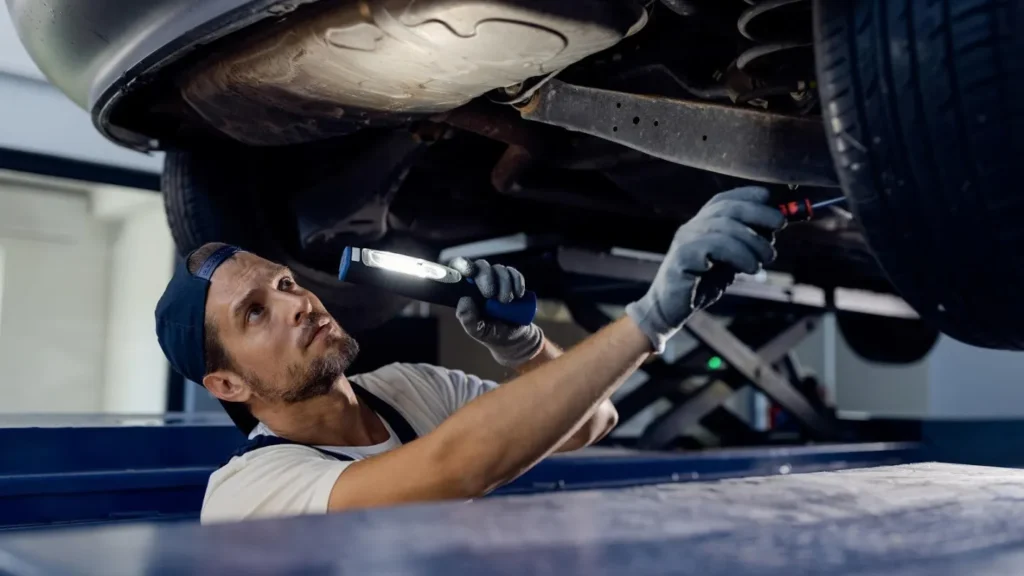
A submerged car is rotting from the inside out electrically, which often makes it unrepairable, or it costs more than the car’s value. If you cannot see through a professional detailer’s work to hide the flood damage, the car is worth a pre-purchase professional inspection.
The trained mechanics can often uncover concealed corrosion, fluid contamination, near-perfect “clean-ups,” and hidden electrical issues.
Final verdict: To buy or not to buy?
You need to separate manageable repairs from terminal damage to decide which dealership to choose. The “hard pass” conditions where you should walk away immediately are water above the seat base, saltwater exposure up to the carpet level, and contaminated engine oil.
Minor damage that may be acceptable if you are getting a massive discount on older models includes freshwater submersion below the door sill, no electrical issues, and damp, removable carpets. Remember, moisture in electronics can cause long-term damage, and most modern cars have wires running along the floorboards.
These flood-damaged car signs will also help you if you want to sell your car legally and with proper repairs (if the damage can be undone), because most used car buyers get an inspection done before buying a used car.
FAQs
1. Is a flood-damaged car repairable?
Technically, yes, but it depends on the water type and depth. Minor freshwater flooding that quickly drains is often repairable. Saltwater flooding is rarely worth repairing due to the irreversible corrosion it causes. Even repaired flooded cars can continue causing electronic issues later.
2. What are some common problems with flooded cars?
Damage due to car flooding often surfaces 3–6 months after the event. It often causes electrical disasters, engine failures, health risks from mould, and ongoing corrosion.
3. Is it illegal to sell a flood-damaged car?
In most Australian states, licensed dealers are legally obligated to disclose if a vehicle is a repairable write-off. Private sales are a grey area, as they may not be bound by the same disclosure laws in some states. Intentionally hiding flood history is considered fraud.
4. What is low water flood damage?
This typically refers to water that remains below the inner door sills. Damage is often limited to underbody rust or brake/suspension component issues at this level. In the event of low-level flooding, the Queensland Government warns that even 15cm of water can sweep a small car away.
5. What do dealerships do with flooded cars?
Most severely flooded cars are insurance write-offs; minor-damage cars are repairable write-offs; and some dealers attempt to sell flood-damaged cars without this disclosure.
6. Is my flood-damaged car a write-off?
In Australia, your car is officially a Statutory Write-off if the water reached the level of the inner door sill or higher and a Repairable Write-off if the cost to safely repair the car exceeds its insured market value. You can verify a vehicle’s status with a PPSR check.

Comments
New Comment