




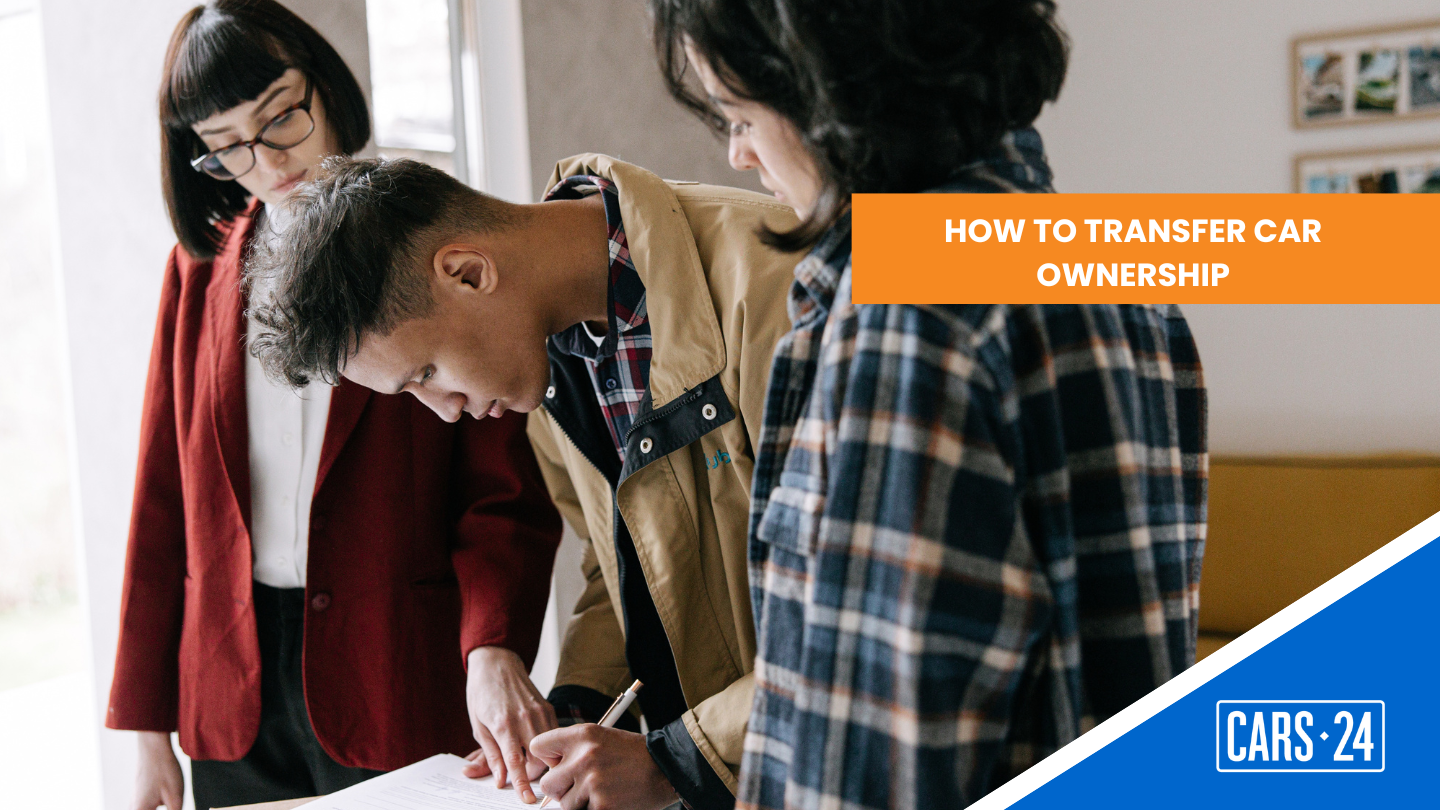
If you are buying or selling a used car in Australia, one of the most important steps is the transfer of car ownership process, this becomes sometimes be very confusing. This isn’t just about handling over the keys; it’s a legal requirement to update the transferable registration record. This detailed guide will walk readers through the process of switching ownership of a car, focusing on the major states: transfer car ownership NSW, transfer car ownership Qld and transfer car ownership WA.
Why Transferring a Car Registration is Important
Delaying the transfer owner of car process can lead to headaches and financial penalties for both parties. Understanding how to change a car owner efficiently is key.
- For seller: Transfer ownership is required because until the registration is officially in the buyer’s name, you remain legally responsible for the vehicle. This means you will have to pay for future parking fines, traffic camera offences and tolls. Submitting an NSW Notice of Disposal or its equivalent interstate is your protection and mandate.
- For buyer: You must have the vehicle registration in your name to be a legal vehicle owner transfer. Missing the transfer deadline can result in hefty fees. In some insurance policies, the policyholder needs to be a registered operator. The official transfer of car ownership process needs to be completed as soon as possible.
Most states give you a small window of 14 days from the date of sale to complete all legal formalities and transfer the registered vehicle process to avoid a late fee.
How to Change Car Owner Across Australia
While specific forms and deadlines vary by state, the basic pattern for transferring ownership remains consistent across all states.
The Seller’s Responsibility
The first step always falls to the seller to formally notify the state’s road authority, like Service NSW, Transport and Main Roads in QLD, Department of Transport in WA, that the vehicle is no longer theirs. This is part of the overall transfer car ownership requirement.
- NSW Seller: You must lodge a NSW Notice of Disposal(NOD) with Service NSW. This can usually be done quickly and easily online.
- QLD Seller: You must lodge an Application to Transfer(Part B of form F3520) or complete the transfer out of your name online with Transport and Main Roads.
- WA Seller: You must notify the Department of Transport (DoT) of the sale within 7 days using the seller’s copy (blue) of the MR9 form or DoTDirect.
The Buyer’s Obligation
Once the seller has completed their part, the onus is on the buyer to finalise the transfer car ownership into their name. Completing the transferable registration is a priority.
- Gather Documentation: You will need proof of identity, th e signed over registration certificate or transfer form and proof of purchase like a receipt or invoice.
- RWC: In states like QLD and VIC, the seller is typically required to provide a current RWC before the transfer can be completed. NSW and WA generally do not require a current inspection; simply transfer the registered vehicle if the registration is current.
- Pay Fees and Duty: The buyer is responsible for paying the registration transfer fee and Motor Vehicle Duty(Stamp Duty), which is calculated on the higher of the sale price or the vehicle’s market value.
- Lodge the Transfer: This can usually be done online via the state’s transport portal, such as MyService NSW, DoTDirect or in person at a service centre to formalise the transfer of car ownership.
Documents you’ll need to transfer ownership
For starting the process, make sure you have the following:
- A valid driver’s licence or proof of identity
- Proof of purchase
- Vehicle registration certificate
- RWC, if required
- Completed transfer application form (online or offline)
Exact requirements may vary as per the state and the nature of the sale/purchase. Visit the respective state website to get information.
State-by-State Transfer Car Ownership Breakdown
The details of how to change car owner vary; here is a table of the most popular states:
| State | Seller Action(Notice of Disposal/Sale) | Buyer Action(Transfer) | Deadline to Complete Transfer | Roadworthy/Safety Certificate |
| NSW | Lodge a NSW Notice of Disposal (NOD) online or in person | Complete the transferable registration online via Service NSW or in person | 14 days | Generally not required for a transfer if registration is current |
| QLD | Lodge an Application to Transfer (Form F3520, Part B) or use online services | Complete the transfer car ownership QLD online or at a Transport and Motoring Service Centre | 14 days | Mandatory (Safety Certificate) unless exempt |
| VIC | Submit a Notice of Disposal online via VicRoads or by mail | Complete the transfer online through VicRoads or submit the application by mail | 14 days | Mandatory (RWC) unless exempt |
| WA | Notify the Department of Transport (DoT) within 7 days (online via DoTDirect or by mail/in person using the MR9 form) | Complete the transfer of car ownership in WA within 14 days (online via DoTDirect or by mail/in person using the MR9 form) | 14 days | Generally not required if the licence (REGO) is current |
| TAS | Lodge a Notice of Disposal with Service Tasmania (online or in person) | Complete the transfer at Service Tasmania or by submitting the transfer application | 14 days | Mandatory (RWC) unless exempt |
| ACT | Lodge a Notice of Disposal online via Access Canberra or in person | Complete the transfer online or at an Access Canberra Service Centre | 14 days | Mandatory (RWC) unless exempt |
| NT | Submit a Notice of Disposal to MVR (online or in person) | Complete the transfer at an MVR office or via approved channels. | 14 days | Generally required unless the vehicle is exempt |
How to Transfer Car Ownership in NSW (New South Wales)
For a seamless transfer car ownership NSW experience, follow this two-step process:
- Seller lodges the NOD: The seller must submit the NSW Notice of Disposal to Service NSW. This formally tells the government that you are no longer the owner.
- Buyer completes the transfer: The buyer must transfer the ownership into their name within 14 days. This involves paying the transfer fee and stamp duty. If done in person, they will need proof of identity and a registration certificate signed by the seller.
You can visit the Service NSW website for more information.
Read more: How to transfer a vehicle registration in NSW?
How to Transfer Car Ownership in Victoria
For a smooth transfer of car ownership in VIC, follow these two steps:
- Seller lodged the NOC: The seller must submit a Victorian Notice of VicRoads, either online or by mail. This officially records that the vehicle has been sold and releases the seller from future responsibility.
- Buyer completes the transfer: The buyer must transfer the registration into their name within 14 days of purchase. This includes paying the transfer fee and motor vehicle duty. A valid RWC is required unless an exemption applies.
You can visit the official VicRoads website to find out more.
Read more: How to transfer a vehicle registration in VIC?
How to Transfer Car Ownership in Queensland (QLD)
The QLD process is similar but critically requires a safety certificate to complete the transfer of car ownership.
- Safety certificate: The seller is responsible for obtaining a valid QLD safety certificate before the transfer.
- Seller’s part: The seller completes and lodges their part of the Application to Transfer (F3520) online or in person.
- Buyer completes the transfer: The buyer must transfer the ownership into their name within 14 days. They must provide the Safety Certificate number and pay the fees or duty complete the transfer of car ownership in QLD.
You can find more information on the Queensland government website
Read more: How to transfer a vehicle registration in QLD?
How to Transfer Car Ownership in Western Australia (WA)
In WA, the timeframes are slightly tighter for the seller to initiate the switching of ownership of the car.
- Seller notification: The seller must notify the Department of Transport within 7 days of the sale.
- Buyer lodgement: The buyer has 14 days to finalise the transfer of car ownership in WA via the DoT Direct portal or by submitting the MR9 form in person or by mail. They will receive an invoice for the transfer fee and vehicle license duty upon lodgement.
You can find more information on the Western Australia government website
Read more: How to transfer a vehicle registration in WA?
Checklist Before You Switch Ownership of a Car
To ensure your vehicle owner transfer goes smoothly, use this final checklist to finalise switching ownership of the car:
- PPSR Check
- Roadworthy or Safety Certificate
- Documentation
- Seller Lodgement
- Buyer Lodgement
- Payment
By following these steps, you can confidently navigate the process of transferring car ownership in Australia and enjoy your new smooth car and its ownership.
FAQs on Transferring the Ownership
1. Can I complete the transfer registered vehicle process online?
Ans: Yes, in most major Australian states (NSW, QLD, WA, VIC, SA), you can complete the majority of the transfer car ownership process online via the relevant transport authority’s website or portal. This helps with switching ownership of the car quickly.
2. What is a Notice of Disposal?
Ans: A NSW notice of disposal (or its equivalent in other states) is the form the seller submits to notify the road authority that they have sold the vehicle. It officially removes their liability for the car from that date onwards.
3. Who pays for the transfer fee and Stamp Duty?
Ans: The buyer is always responsible for paying the registration transfer fee and the Motor Vehicle Duty (Stamp Duty) when they transfer owner of car.
Comments
New Comment