




Everyone wants a “magic number” of ideal mileage for a used car, but mileage is only one piece of the used car buying puzzle. A low-kilometre car can be neglected and fragile, while a higher-kilometre highway-driven car can be reliable.
The driving styles, car types, and servicing matter, too, and you look for a balance in them. This article will help you figure out that there is more to buying a used car than just mileage or kilometres driven.
What is the ideal mileage for a used car in Australia?
The ideal mileage of a used car is the balanced combination of a car’s age, kilometres driven, maintenance history, and driving style. Low mileage does not always equal a good second-hand car. You’ll know more about whether low mileage always means a healthier car here.
Australians drive an average of 11,100 to 13,800 kilometres per year in passenger cars, according to a Survey of Motor Vehicle Use by the Australian Bureau of Statistics (ABS) and Australian Automobile Association (AAA).
Many industry experts consider 15,000 km per year as an ideal mileage benchmark for used cars in Australia. If a used car meets this annual mileage, is highway driven, and has a full, legitimate service history, then it’s a good option for purchase.
Ideal mileage varies with car type and history
Used car mileage (kilometres driven) is a noisy metric. A single number on a dashboard doesn’t tell you how those kilometres were lived. Here is how used car service and driving history fundamentally shift the ideal mileage needle:
1. The service history multiplier
If a car has a perfect dealer service history, the ideal mileage window expands. You can safely buy a used car with more kilometres than the average because you have proof that wear-and-tear items were replaced before they could cause secondary damage.
Every car has a big service (usually between 100,000 and 150,000 km) involving timing belts, water pumps, or transmission flushes. A car with 90,000 km that hasn’t had this done is a liability, but the one with 110,000 km that just had it done is the ideal mileage, even though the number is higher.
2. City vs highway driving history
In Australia, highway kilometres are the gold standard. They are significantly easier on a vehicle than stop-start, high-stress city kilometres. If a seller in regional Australia (e.g., Wagga Wagga to Sydney commutes) is selling a 3-year-old car with 80,000 km, that is often a healthier engine than a 3-year-old Sydney CBD car with 30,000 km.
3. Ideal mileage varies by vehicle type
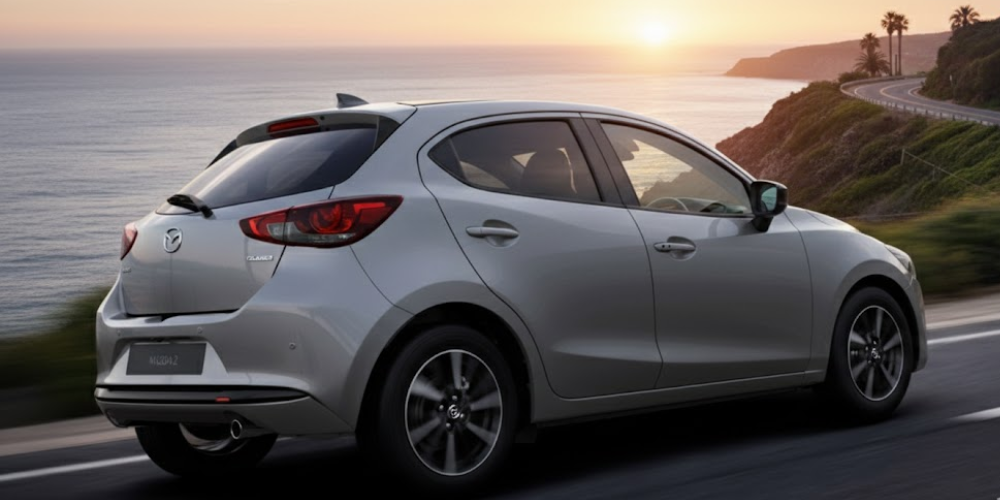
Not all engines are built to the same mileage ceiling. Small hatchbacks (e.g., Mazda 2) often show wear sooner than larger engines because small engines work harder (higher RPMs). Family SUVs & sedans (e.g., Toyota RAV4) are built for versatility, and if they have a naturally aspirated engine (no turbo), they are quite hardy.
Diesel 4WDs & utes (e.g., HiLux) are the marathon runners. Diesel engines actually suffer if they don’t do long runs, and a high-mileage (kilometre) diesel with a good history is often reliable.
If you think fewer kilometres are good, then you would find the “Does low mileage matter when buying or selling?” article helpful.
What is the sweet spot for a used car’s mileage?
In the Australian used car market, the “sweet spot” of a used car’s mileage is the point where the heaviest depreciation has already occurred, but the vehicle still retains high reliability and potential manufacturer protection.
Many car community members mention a 3–5-year-old (45,000-75,000 km) “golden window” for used cars. New cars typically lose 30–40% of their value in the first 3 years. Buying a car at year 3 or 4 years of car age allows you to skip this depreciation cliff. It’s quick and easy to check the value of a car.
Also, many brands in Australia offer 5-year or 7-year warranties (e.g., Kia, Mitsubishi, MG). Buying a 3-year-old car often leaves you with 2–4 years of factory protection. Also at this mileage, the most major expensive services (like timing belts or large fluid flushes) haven’t hit yet. You’ll understand the used car age vs. mileage better in the linked blog.
For tighter budgets
The secondary sweet spot for a used car is a well-maintained vehicle that is 6-10 years old, around the 100,000 km mark. Resale prices drop significantly after this “psychological wall”. If you find a car at 105,000 km where the major 100k service (timing belt, water pump, spark plugs) has already been completed and documented, you are getting a mechanically refreshed car at a heavily discounted price.
Here is a table summarising the sweet spot for used cars in Australia
| Buying goal | Age | Mileage | Key benefit |
|---|---|---|---|
| Maximum peace of mind | 2-3 years | < 45,000 km | Balance of new features and remaining warranty |
| Best value for money | 4-5 years | 60,000 – 80,000 km | Steepest depreciation is over; still feels modern |
| Strict budget buy | 8-10 years | 100,000 – 130,000 km | Low entry price; look for “100k service” completion |
How to tell if a car has high kms or mileage?
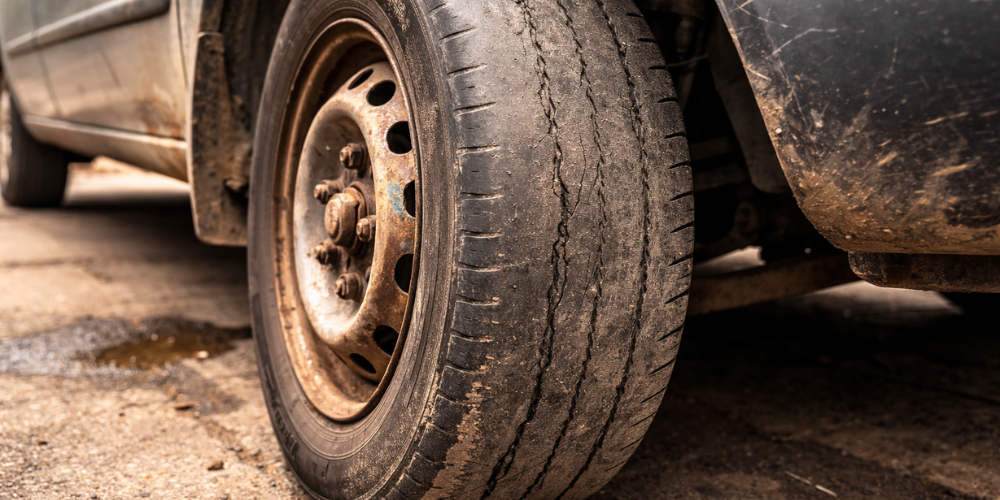
Judging a car’s true usage involves looking beyond the odometer. Some sellers may try to hide heavy use, but physical wear and official records often reveal the truth.
A car’s odometer might say 50,000 km, but high-frequency touchpoints like worn pedal rubbers, steering wheel texture, driver’s seat bolster, gear shifter, and buttons can tell a different story of 150,000+ km.
You can also look for subtle under-the-hood & exterior clues for high car mileage, like observing windscreen pitting, service stickers, radiator condition, and tyre consistency.
A smart documentation check is another way to detect high mileage. For instance, neat data logbooks where each service entry looks identical are hiding something. You can also look for official odometer records in a PPSR and state-provided report.
Not all high-kilometre cars are broken. Some high-mileage cars still have the “life” in them; you just have to know how to find the value in them.
The Covid Odometer and 2020-2022 cars
The Covid-era used cars generally have a sitting-idle, low-mileage risk because of lockdowns. There are also service gaps, as many owners missed their scheduled servicing because workshops were closed or they simply weren’t driving.
The period of 2021–2022 also saw record-breaking floods across Queensland and NSW. Be wary of the flood damage in the cars from this era and these locations. Approach these used cars as you would any other car. Look for signs of wear and get a thorough pre-purchase inspection done.
What’s a good used car?

A good used car is one where the price, reliability, and maintenance history align with what the buyer actually needs it for. Here is the breakdown of the factors that make a used car a solid contender.
A car is only as good as its last oil change. In the Aussie market, a good used car must have a consistent logbook history. Consider ideal mileage for a used car only when it matches the vehicle type, location, and its service history.
A used car is generally good if it doesn’t feel like a relic from the past in terms of safety and technology standards. A good second-hand car also has lower ownership costs and legal and structural integrity (with a PPSR certificate). Moreover, a good used car also gives decent money if you want to sell your car.

Comments
New Comment