




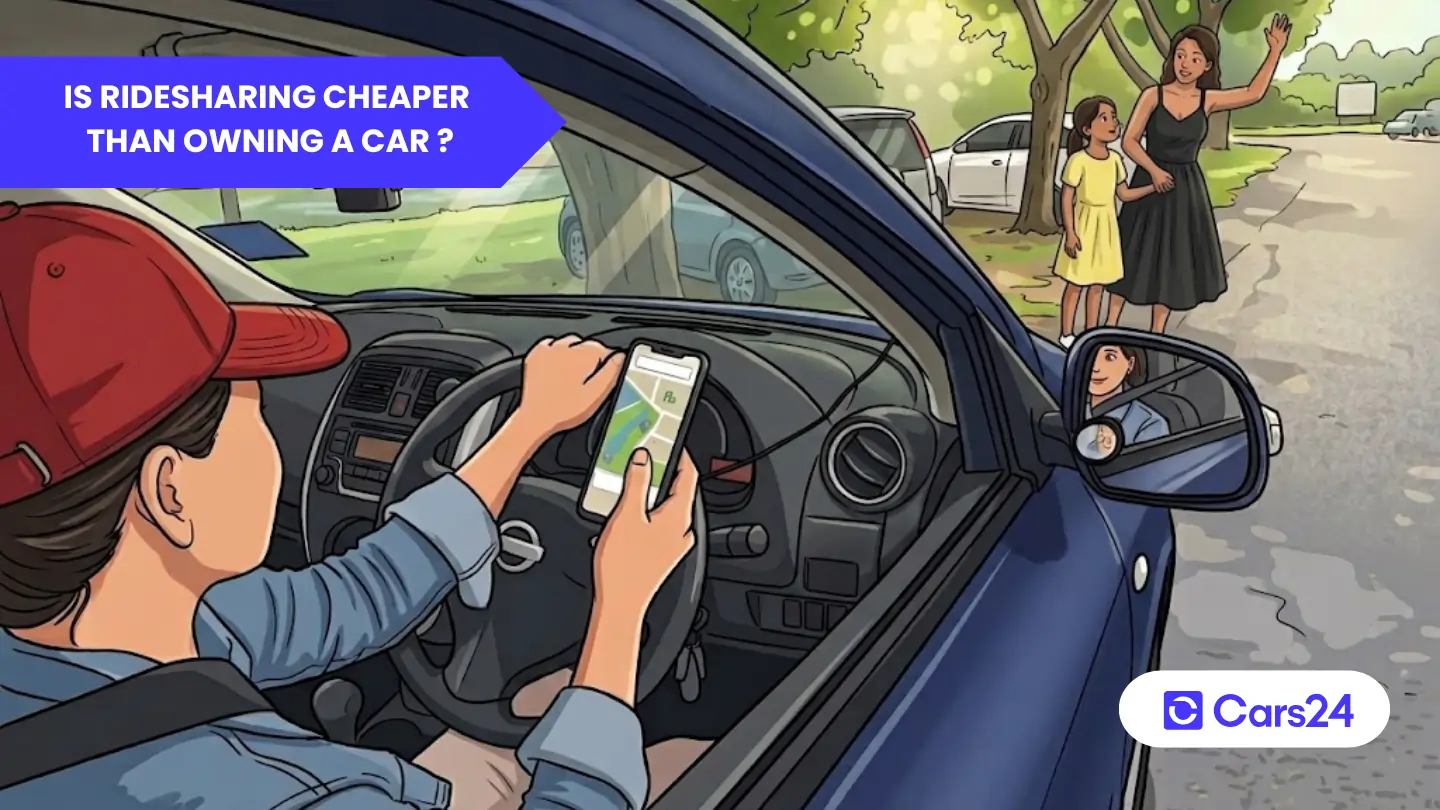
As the cost of living continues to rise, more Australians are questioning whether owning a car still makes financial sense.
With ridesharing services such as Uber and DiDi available across most major cities, some urban residents are considering whether it might be cheaper to skip car ownership altogether and simply pay for transport when needed.
The answer depends heavily on where you live, how often you travel and how much flexibility you need. For some Australians, ridesharing can reduce transport costs. For others, owning a car remains the more economical choice.
Read more: Public transport or carpooling and ride sharing in Australia
Car ownership in Australia is becoming increasingly expensive

According to the latest Transport Affordability Index from the Australian Automobile Association, the typical Australian household spends a significant portion of its income on transport costs. The organisation’s modelling shows that transport expenses account for around 15.8 per cent of household income nationally.
The AAA’s transport-cost model includes expenses such as:
- Car loan repayments
- Registration and licensing
- Comprehensive insurance
- Fuel
- Servicing and tyres
- Roadside assistance
- Public transport
- Tolls
In the December 2025 quarter, the average capital-city household’s transport costs reached approximately $477.92 per week, while Sydney households averaged $567.03 per week.
That equates to more than $24,000 annually for the average capital-city household and nearly $29,500 annually for the typical Sydney household.
It is important to note that the AAA model represents a two-car household with working adults and children, rather than a single driver. However, it highlights how substantial transport expenses can become once fuel, insurance, registration and vehicle finance are included.
Why ridesharing appeals to some Australians
Unlike car ownership, ridesharing removes most fixed transport costs.
There are no:
- Registration renewals
- Insurance premiums
- Servicing bills
- Tyre replacements
- Vehicle depreciation losses
Instead, users pay only when they travel.
For Australians who work from home, live close to public transport and rarely drive long distances, ridesharing can sometimes be cheaper than maintaining a vehicle that spends most of its time parked.
This is particularly true in inner-city areas where parking costs can further increase the expense of ownership.
Read more: How to change car ownership
When ridesharing is likely to be cheaper
Ridesharing tends to make the most financial sense for people who:
- Live in dense urban areas
- Commute infrequently
- Work remotely
- Use public transport for most journeys
- Drive only occasionally on weekends
For these users, the fixed costs of ownership can outweigh the savings of having a vehicle readily available.
A person taking only a handful of rides each week may spend far less annually than a household paying for registration, insurance, fuel and vehicle repayments throughout the year.
The problem with relying entirely on ridesharing
While ridesharing can reduce ownership costs, it introduces another challenge: unpredictability.
Uber recently increased fares across parts of Australia, with some reports showing inner-city trips in Sydney and Melbourne becoming significantly more expensive under revised pricing structures. Surge pricing remains an additional variable during periods of high demand.
Uber also introduced a temporary fuel surcharge in Australia during 2026 to help offset higher fuel prices, demonstrating how rideshare costs can fluctuate when operating expenses rise.
Unlike a privately owned vehicle, rideshare users have little control over fare changes.
When owning a car is usually the better value
For many Australians, particularly those living outside inner-city areas, car ownership remains the more practical and cost-effective solution.
Owning a vehicle generally makes more sense if you:
- Commute to work regularly
- Have children
- Travel frequently on weekends
- Live in outer suburbs
- Make regular airport trips
- Need transport at short notice
The more often you travel, the harder it becomes for ridesharing to compete financially.
Families, regional residents and long-distance commuters are often better served by owning a reliable vehicle rather than paying for individual trips throughout the week.
Read more: A comprehensive guide to buying a used car
Convenience matters too
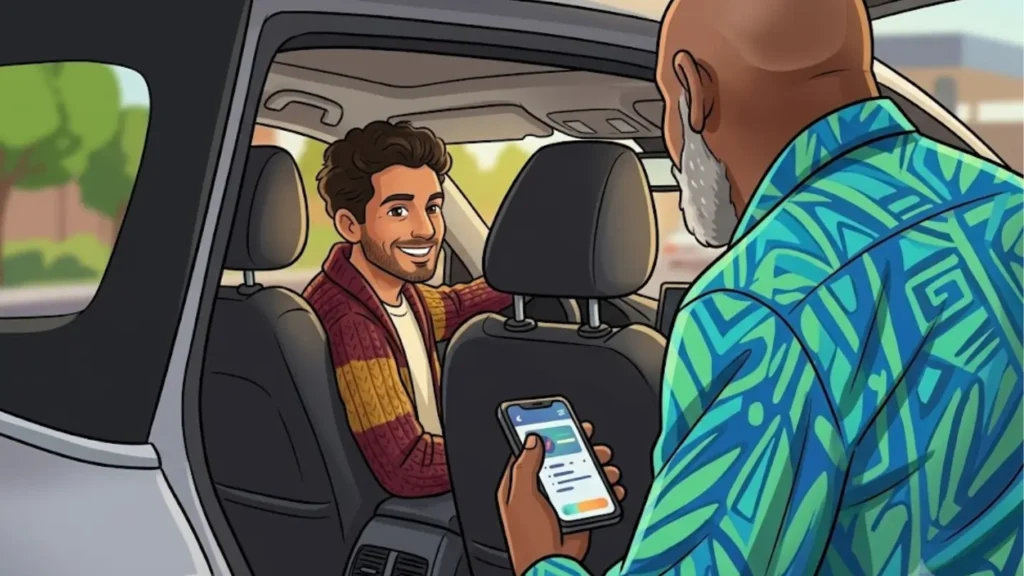
Transport decisions are not based purely on cost.
Owning a car provides:
- Immediate availability
- Easier regional travel
- Greater flexibility
- Cargo and luggage space
- Simpler family transport
Ridesharing offers different benefits:
- No maintenance responsibilities
- No registration costs
- No insurance administration
- No depreciation concerns
- No parking headaches
For some Australians, the convenience of avoiding vehicle ownership may outweigh the financial trade-offs.
So, is ridesharing cheaper than owning a car in Australia?
For Australians who rarely drive and live in well-connected urban areas, ridesharing can be cheaper than owning a vehicle.
However, once regular commuting, family duties or frequent travel enter the picture, car ownership often becomes the better long-term value proposition.
The key factor is usage. The less you drive, the more attractive ridesharing becomes. The more you travel, the stronger the case for owning a car.
Before giving up your keys, it is worth calculating your annual transport spending and comparing it with your actual rideshare usage. The result may be very different depending on your lifestyle and location.
Final thoughts
Ridesharing has changed how Australians move around cities, but it has not eliminated the need for car ownership.
While some city residents may save money by relying on rideshare services and public transport, many Australians still benefit from the convenience, flexibility and long-term value that comes with owning a vehicle.
As transport costs continue to evolve, the right choice ultimately comes down to how often you travel and what role a car plays in your daily life.

Comments
New Comment