




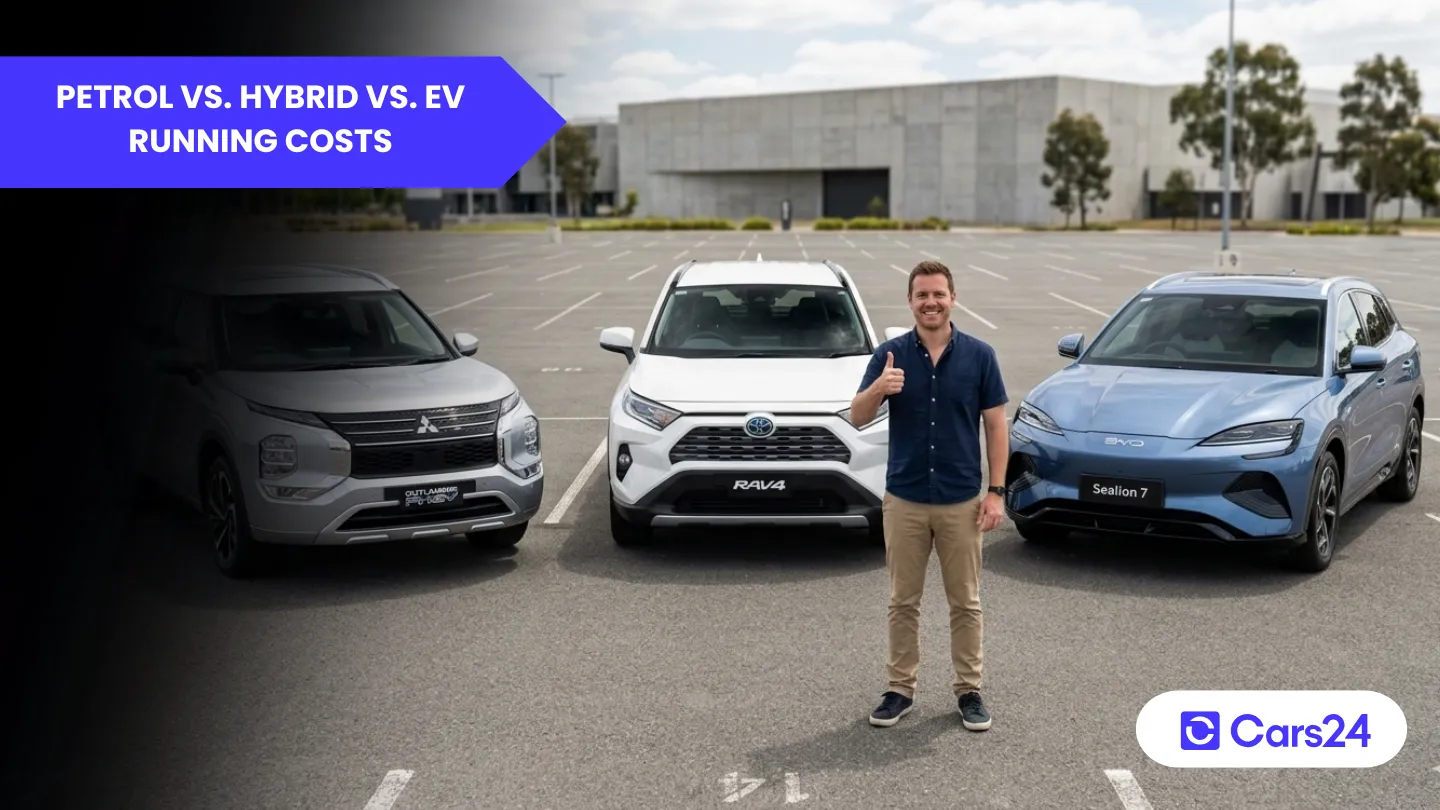
You may wonder if a new $25,000 petrol hatch would be more cost-effective than a $35,000 EV/hybrid in the long run. Given the volatile fuel prices, is the $10k difference worth it?
In this guide, we get down to the realistic car driving numbers and figure out the monthly running costs of Petrol vs. HEV vs. PHEV vs. EV cars, used and new. Let’s see if all the car efficiency talk is worth it or not.
Petrol vs. HEV vs. PHEV vs. EV: What does it cost to drive?
Fuel prices are currently elevated (as of 1 April 2026) due to the Middle East crisis. But for consistency, we will assume the overall average fuel price of $1.90/L (derived from 185–195 cpl) and the electricity rate of around $0.35/kWh for a typical Aussie driving 1,200 km/month (~14,400 km/year) in and around Sydney. The cars considered for cost estimation are all below the premium segment.
| Vehicle type | Fuel/energy cost | Total monthly cost (no finance) | Total monthly cost (with finance) | Total monthly cost (used car) |
|---|---|---|---|---|
| Petrol | $171–$205 | $480–$515 | $1,349–$1,383 | $542–$581 |
| Hybrid (HEV) | $103 –$125 | $426–$448 | $1,391–$1,413 | $509–$537 |
| PHEV | *$32–$125 (fuel) + $63–$105 (electricity) | $349–$484 | $1,507–$1,642 | $449–$599 |
| EV | $63 – $80 | $409–$426 | $1,654–$1,671 | $477–$503 |
*The PHEV assumes regular charging for a 60-80km daily range. It’s almost as expensive as petrol if not charged. Click here for all the average data points and other estimated costs.
The total monthly running costs include the average numbers of fuel/energy costs + home charging costs + financing costs + annual rego fees + insurance premium + maintenance/service/repair costs + EV road user charge of $29-36 (assumed, but not active anywhere) in Australia.
Cheapest to run car type monthly (new)
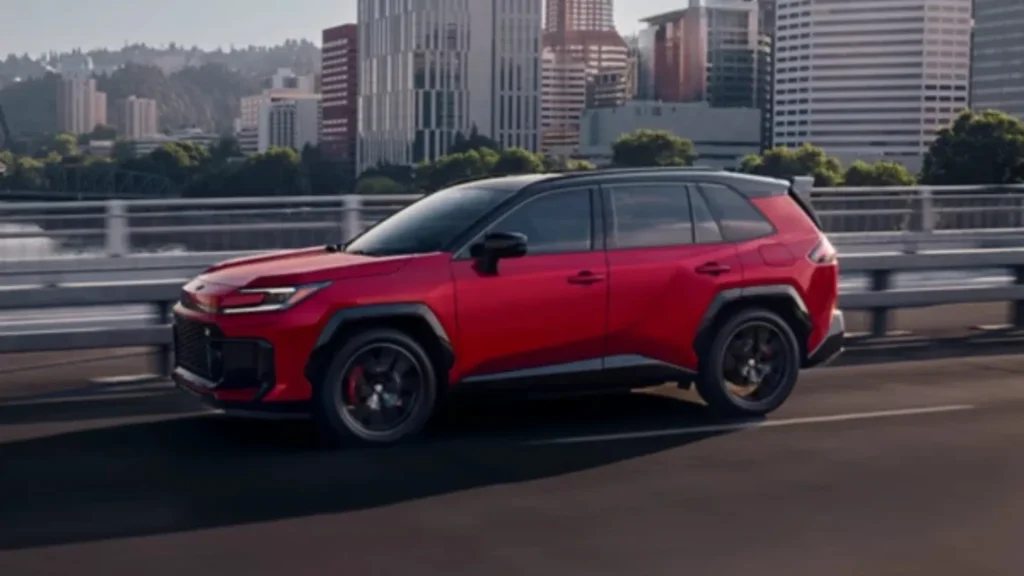
A new plug-in hybrid (PHEV) car is cheapest to run in the starting years if you charge it daily (for a short 60-80km of range). It’s almost as expensive as petrol when not charged and when driven for a long commute on highways.
An electric car offers consistently low running costs and is not affected by petrol price spikes. However, you pay a $15,000–$20,000 premium over petrol equivalents for EVs, and it can take 7-9 years to break even on energy alone (without financing).
A new hybrid (HEV) car has predictable savings (~10–15%), no charging hassle and is perfect for long-distance commuting. It seems like one of the safest, stress-free, and most reliable purchases.
A new petrol (ICE) is still the most expensive to run monthly and highly sensitive to fuel price spikes.
Least fuel/energy cost
Interestingly, without the maintenance, rego, insurance, and road user charge (RUC), the EVs have the least monthly fuel/energy cost, followed by the HEVs.
Fastest payback
Considering the extra upfront cost vs. petrol cars, an HEV has the fastest payback period of 3-5 years, followed by PHEV (5-8 years), and EV (10-14 years).
Cheapest to run car type (new car with financing)
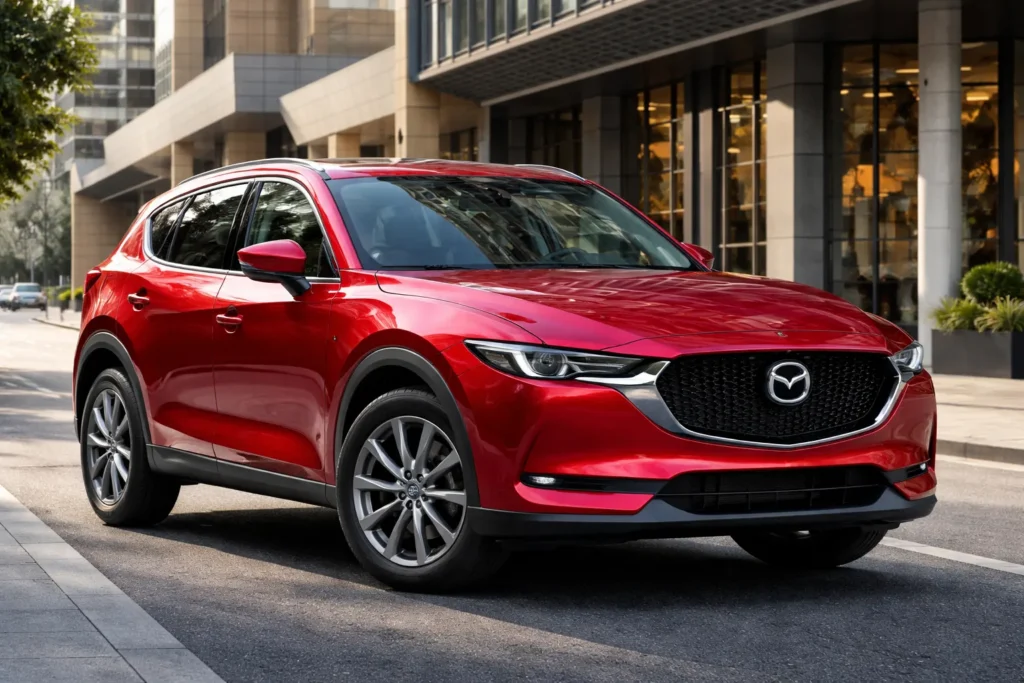
We have assumed a loan term of 5 years (60 months) with an interest rate of 6.55% and no balloon payment.
Even though EVs are cheap to run, the loan repayment overwhelms the fuel savings. A petrol car looks the cheapest monthly costs option if you buy and drive one for the first five years.
Hybrid looks like the best (affordable) option here, with financing, as it is almost a cost-neutral upgrade. You only $40–$60/month more than the petrol car and get immediate fuel savings and no lifestyle change.
Least fuel/energy cost
EVs obviously win at cost/km, and the second most reliable, fuel-efficient option is the HEV, for most Australians.
Fastest payback
A HEV is an immediate lifestyle win in terms of payback (with financing). A PHEV has a payback period of 6-9 years and an EV, 8-12 years.
Cheapest to run car type (used car)
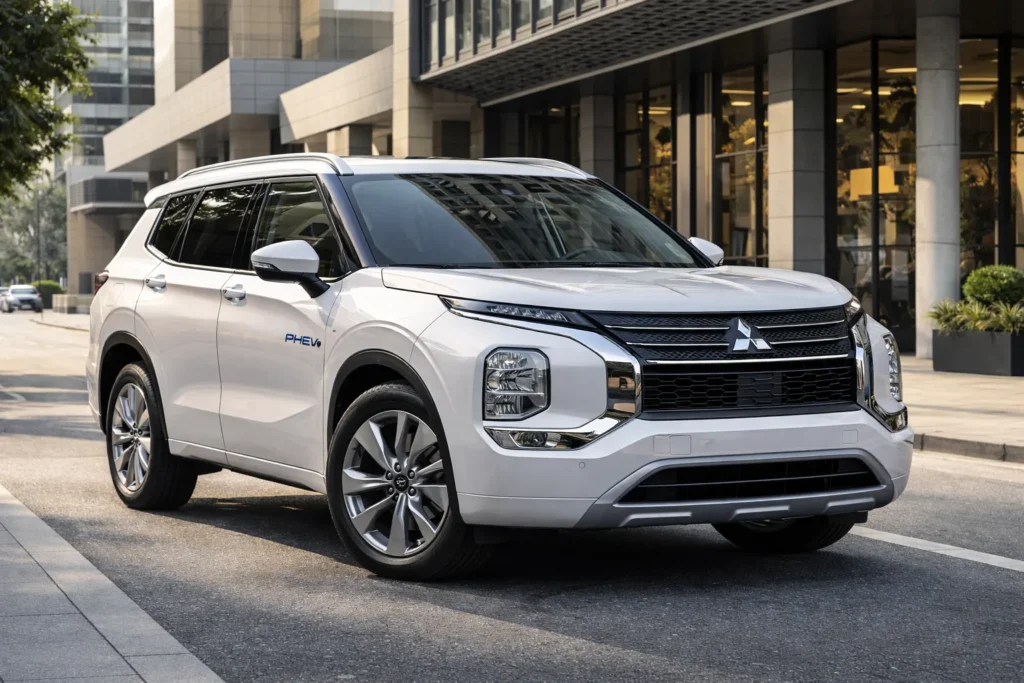
We have assumed typical used purchase prices (without finance) for 3–5 year old cars in good condition. Older cars are slightly less efficient due to wear, battery degradation, etc., so we have assumed a 5-10% degradation in fuel/energy efficiency.
EVs suddenly become very competitive in monthly running costs, as the loan is gone.
Again, a well-maintained used PHEV car can be the most cost-effective in monthly costs with daily charging. It becomes the most expensive without charging, especially on long routes.
A good used hybrid (HEV) car remains the safest, most reliable, low-cost and hassle-free option. A used petrol car, even in good condition, becomes the most expensive and riskiest option.
Least fuel/energy cost
A decent, used EV car will consume the least amount of fuel/energy when compared to similar conditions for other used car types. People who don’t trust EVs (range anxiety) can choose a used HEV car, which runs like a petrol car but drinks consistently less fuel.
Fastest payback
A used HEV has the best payback period of 7 years, followed by EV (24 years) and PHEV (35 years).
Weekly running cost calculation
For a weekly cost calculation, just divide the total monthly costs for each car type by 4.33.
Weekly running cost = Monthly running cost ÷ 4.33
For instance, the monthly cost for a new HEV, without finance, is $426–$448, so its weekly running cost becomes $98-$103.
Also read: Typical costs of owning an EV in Australia
A comparison of the payback periods
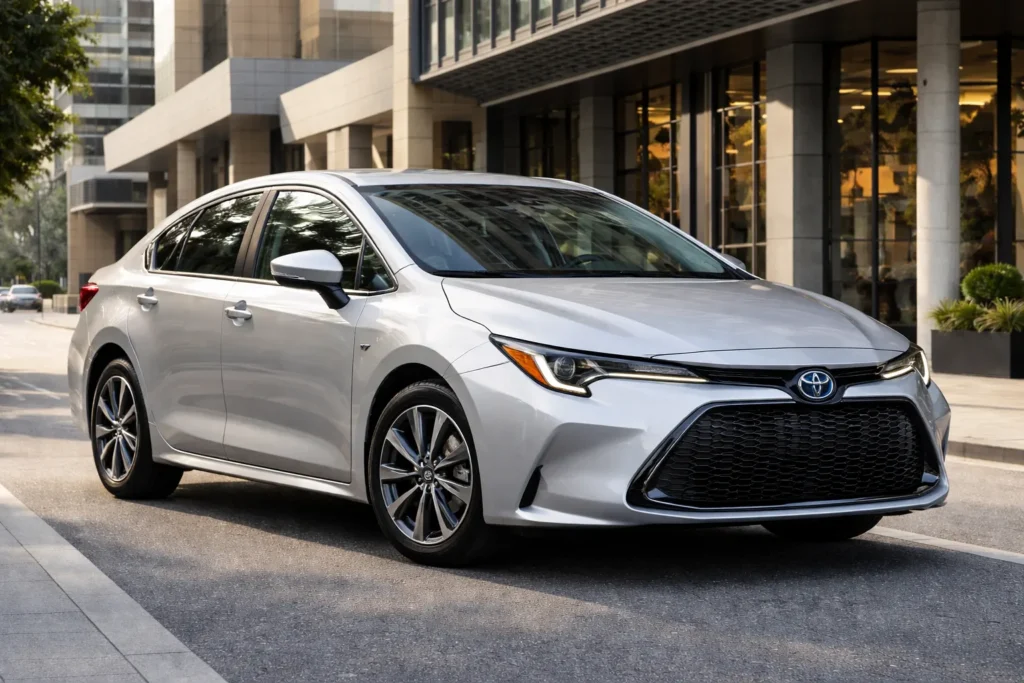
Electric (BEV) cars are most efficient, but they typically carry a $15,000–$20,000 premium over petrol equivalents (e.g., Tesla Model Y vs. a petrol RAV4). You save money over petrol, but the high upfront cost means it can take many years to break even on energy alone.
Price premiums for PHEVs are also high (up to $16,000), similar to full EVs. They are only worth it if you charge them daily. If you rarely exceed 50km a day and can plug in every night, it acts like an EV. It becomes a heavy, inefficient hybrid if you don’t charge it.
Hybrids (HEVs) save money at the pump and carry only a slightly higher upfront purchase price ($2,500–$3,500 more) than their petrol equivalents. A hybrid car (used or new) has the most favourable payback period out of all the car types mentioned.
Also read: Hybrid vs. Electric: Making the right choice for your lifestyle
Resale value comparison
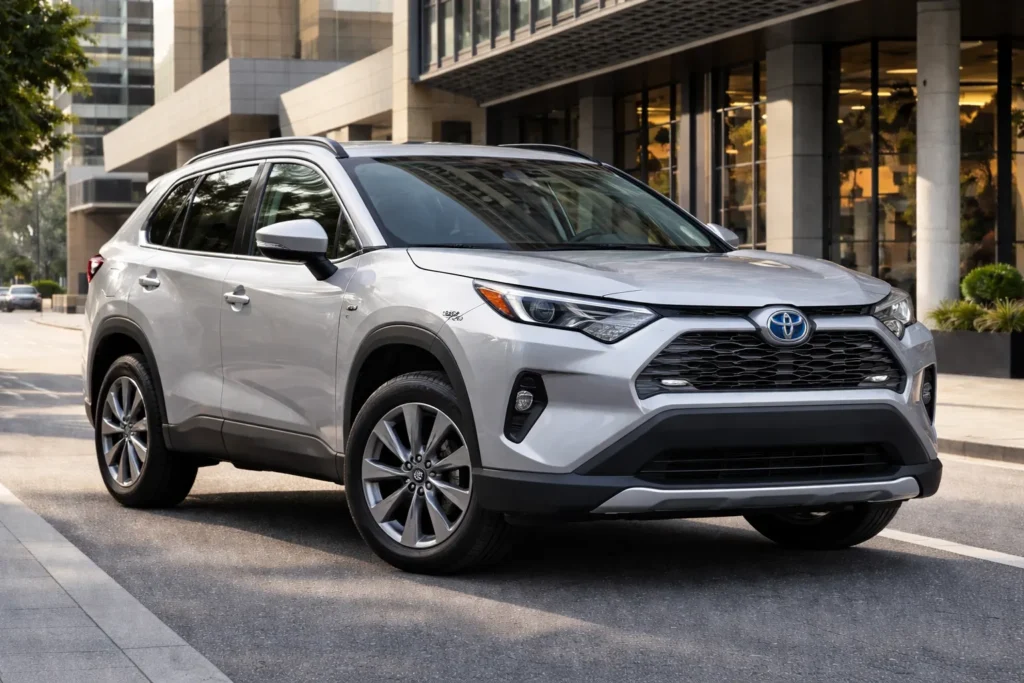
Hybrids are currently the safest financial bet for Aussies, with some models (like Toyota Camry and RAV4) worth up to 30% more than their petrol counterparts after three years. EVs offer the best running cost savings, but these savings are offset by steeper upfront depreciation.
PHEVs are complex machines, making them a slightly riskier used car purchase. They may still retain 60–70% of their original price, especially the newer, longer-range PHEVs with >80km electric range.
The Road User Charge (RUC) uncertainty
The Australian Government is actively considering a nationwide EV road user charge (RUC) to offset declining fuel excise revenue. A national rollout is not expected imminently but is likely targeted for post-2027, following legislative reform and consultation. Currently, no state collects the RUC from private car owners, following a federal order.
A national EV road user charge is being modelled for potential inclusion in the May 2026 Federal Budget. The Treasury is examining options like GPS-based tracking or annual odometer readings reported to the ATO.
Also read: Hybrid cars explained: MHEV vs. HEV vs. PHEV
Final words
Considering the monthly cost savings, dependency on fuel price spikes, durability, maintenance, charging needs, concerns like range anxiety, and longer journeys, the HEV is the most cost-effective and value-for-money car option for Aussies right now.

New Comment


Graham
Lots of poor assumptions in this analysis, looks like a sponsored advertisement
Read more
Jim
This article reads a lot like an Ad for Toyota. The math just doesn't add up. Plug in hybrids generally run at a fair premium since they're usually only available on the top spec models (e.g RAV4) it's also well established the manufacturers game this system to hugely understate the fuel consumption. The payoff for many hybrids just doesn't seem to be there. The added cost and complexity for minimal fuel economy gain doesn't seem worthwhile for many vehicles (exception being the large vehicles such as the Kluger, cx9, Pathfinder, etc which traditionally had very thirsty petrol v6's). You will also find the majority of EV owners are either charging from home solar, or taking advantage of one of the many ev friendly energy plans which provide off peak ev charging for as little as 5c p/kw. I'm yet to pay anything to charge my ev. Lastly, get used to high fuel prices for a long while yet, $2.20 for ULP and $3.10 would have been a fairer average to provide people with a worthwhile comparison.
Read more