




Like many used car buyers, you may focus on paintwork, mileage, or price and forget the signs of engine problems. But the truth is, engine failures are often the most costly mistakes a used car buyer can make.
For instance, the seller says, “Don’t worry, the engine’s already warmed up.” It might sound helpful, but it should actually make you cautious. This article highlights many signs of engine issues in used cars that will make you a smarter, more aware buyer.
Always cold-start a used car’s engine
A pre-warmed used car’s engine can hide thousands of AUD in repairs. If you arrive at the dealership and the engine is already warm, it can be a deliberate attempt by a seller to mask “deal-breaker” mechanical faults.
How to identify if the engine was pre-warmed?
You can verify the engine’s temperature by feeling the area near the engine block under the bonnet. Some cars also show the engine temperature gauge on the dashboard.
Moreover, many modern cars typically start at high RPM when cold-started. If the car starts and immediately settles into a low, quiet idle (lower RPM), it is likely already warm.
What warmed-up engine can hide?
A seller might warm up a car to suppress the following symptoms that only appear when the engine is started cold:
- Battery and starter failure
- Rough idle/misfires due to carbon buildup or faulty sensors
- Piston slap & rod knocks indicating worn internal components
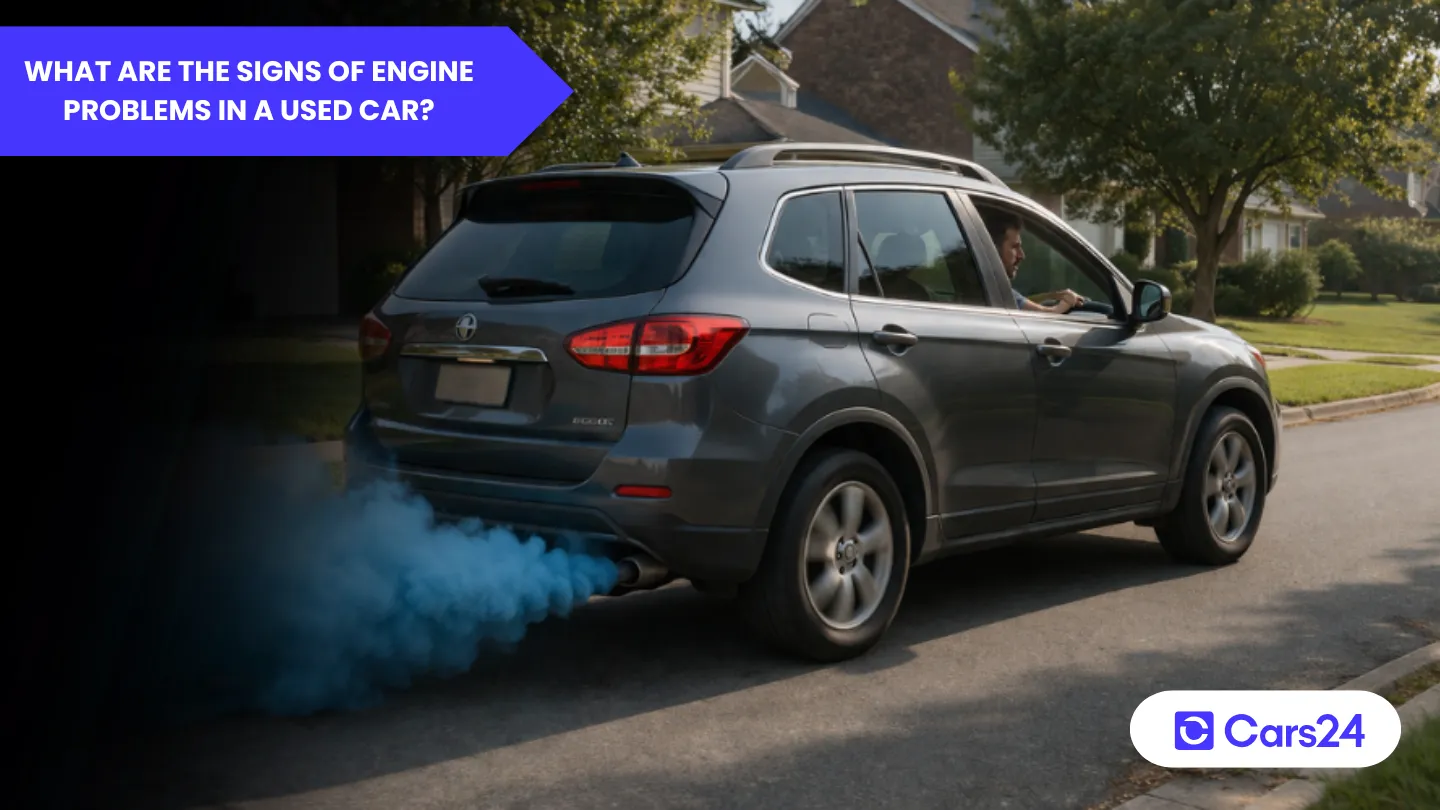
- Valve stem seal leaks indicated by visible blue-grey smoke for the first few seconds of engine start
- Hydraulic lifter noise that sounds like a loud “tick” upon a cold start
You will find this used car buying guide helpful if you want insights into further aspects of purchasing a good one.
Walk-away signs that indicate a used car has engine issues
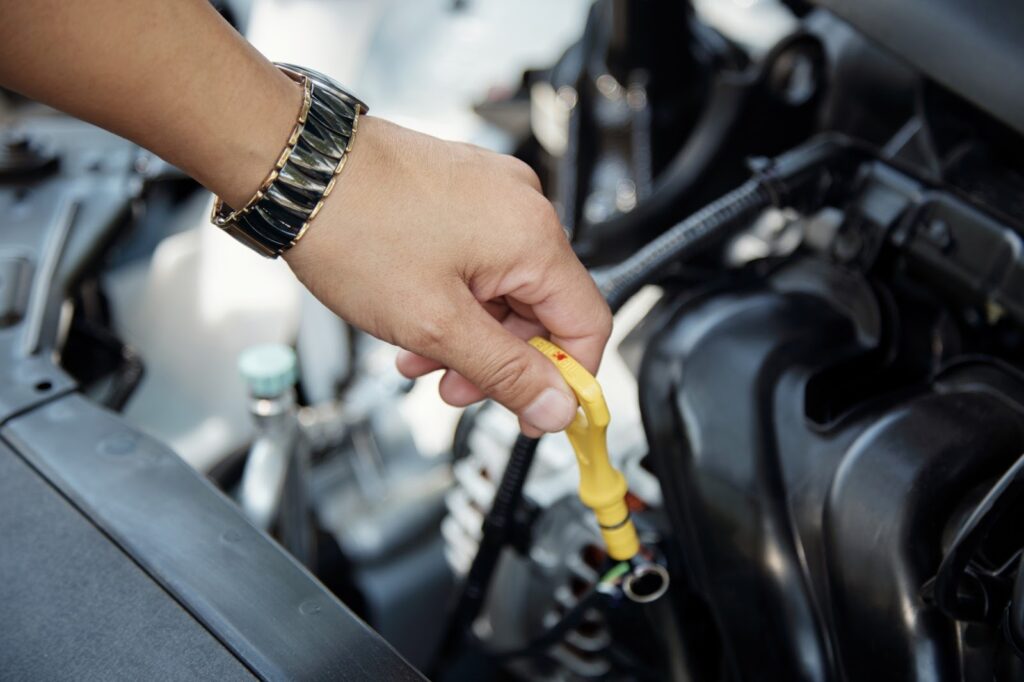
Identifying deal-breaker engine issues during a DIY inspection can save you from a bad purchase before you ever pay for a professional Pre-Purchase Inspection (PPI). Here are the problematic signs you can identify yourself:
1. “Mayonnaise” under the oil cap
A white, milky sludge on the underside of the oil filler cap often indicates a blown head gasket, as coolant has mixed with the engine oil.
2. Oil in the coolant
Open the radiator or coolant reservoir (when cold). If you see oily residue or scum floating, it’s another sign of a head gasket or internal engine crack.
3. Active leaks or wet spots
Look for fresh, wet oil or green/pink crusty residue (coolant) around the engine block. A spotlessly clean engine bay can also be a red flag.
4. Brittle or cracking belts
Frayed or cracked drive belts are signs of poor maintenance. If the timing belt isn’t replaced at the correct interval, it poses a major risk of engine failure.
5. Burnt oil or fuel smells
A strong smell of burning oil or fuel when the bonnet is open suggests active leaks or poor combustion.
6. Dashboard warning lights
The check engine, oil pressure, or temperature lights must turn off shortly after the engine starts. If they stay on or flash, walk away.
7. Blue or thick white smoke
Blue smoke indicates the engine is burning oil, and thick white smoke indicates coolant is being burnt.
8. Persistent knocking or tapping
A continuous metallic “clack-clack” or deep thudding noise usually signals terminal internal wear (like rod bearings or pistons).
9. Rough idle or shaking
If the car vibrates excessively or the RPM needle moves up and down while stationary, it may have a vacuum leak, faulty sensors, or poor compression.
10. Loss of power
If the car feels sluggish or hesitates under hard acceleration, it may have a failing fuel system, a clogged turbo, or compression issues.
11. Overheating gauge
If the temperature gauge moves past the halfway mark or climbs steadily while idling in traffic, the cooling system or head gasket is failing.
12. Misfiring or sputtering
Any jerking or hesitation when you accelerate indicates a misfire, which can range from bad spark plugs to internal damage.
13. Heavy smoke under load
Heavy black or blue smoke under load is a classic sign of an engine that is tired and near the end of its life.
14. Inconsistent service history
Large gaps in a car’s history check (e.g., 30,000km between oil changes) suggest internal sludge buildup and premature wear. Also, a low-mileage car isn’t always healthy.
You can read these insights on how to check the used car engine condition for a more confident purchase.
Minor repair signs that can get you a discount
Minor engine-related issues are those that are visible or audible but don’t compromise the engine’s core mechanical integrity (e.g., a blown head gasket). Dealers often price cars assuming they are in good condition, so highlighting these maintenance gaps can help you shave off significant cash from the sticker price:
1. Aged battery and electrical sluggishness:
A weak battery or a faulty alternator can cause battery drain or dim headlights. Mention the cost of a new battery or professional electrical diagnosis as a reason for a discount.
2. Cooling system wear
Look for leaking radiators, worn hoses, or failing thermostats. Minor cooling repairs might only cost a few hundred dollars, but they are essential.
3. Fuel system inefficiencies
Rough idling or lacklustre acceleration can point to a clogged fuel filter or carbon deposits. These are often simple maintenance tasks.
4. Drive belt condition
Inspect for frayed or cracked belts (excluding the critical timing belt). Replacing these wearable components is a standard maintenance task.
5. Incomplete service history
A missing or inconsistent logbook is a major red flag due to potential unknown risks.
6. Upcoming major services
If a car is nearing a significant interval (e.g., 100,000km) and hasn’t had its timing belt or spark plugs replaced, use the high cost of this service as a reason for a discount.
7. General neglect
Small details like a dirty engine air filter or unaddressed minor niggles suggest the owner was lazy with maintenance, undermining the dealer’s claim of excellent condition.
Also read: 10 most common car problems in used cars
Signs that only a professional mechanic can see

While a DIY check can filter out obvious lemons in used cars, professional mechanics in Australia use specialised tools and technical expertise to uncover deep-seated engine issues that are invisible to the naked eye.
Modern vehicles are controlled by an Electronic Control Unit (ECU) that monitors thousands of parameters. Professionals often use high-end OBD2 scanners to access data and identify engine faults.
Some internal engine mechanical integrity tests require specialised pressure-gauging equipment to inspect the engine block without disassembling it. For instance, compression testing and cylinder leak-down test.
Experts also use specialised fluid and leak detection tests and diagnostic scans that detect hidden emissions and exhaust issues.
Why should you look for engine problem signs in a used car?
Conducting your own initial engine check as a pre-screening phase helps you avoid wasting significant money on professional Pre-Purchase Inspections (PPIs) for used cars that are already failing. Moreover, if you want to sell your car, you also want a problem-free engine to achieve the highest car valuation.
Why can a no engine warning light be deceiving?
A used car’s dashboard that appears clear of any alerts does not always mean the car is healthy. In many cases, it indicates that the system has been recently tampered with or temporarily reset.
A seller can technically manipulate or bypass the Check Engine Light (CEL) to hide an issue. They may use an OBD2 scanner, disconnect the battery to clear stored fault codes, or even break the LED in the circuit board.
If the Check Engine Light (usually a yellow engine icon) does not illuminate at all in the car’s “on” position (without starting the engine), have a professional inspection.
Final words
An engine that looks fine at first glance can hide very expensive problems. Buyers who know what to look for, such as odd smells, dashboard warnings, rough idling, or inconsistent service records, often spot trouble within minutes. If you are already aware of the many signs of engine problems in a used car, you can avoid a big, bad purchase.

Comments
New Comment