




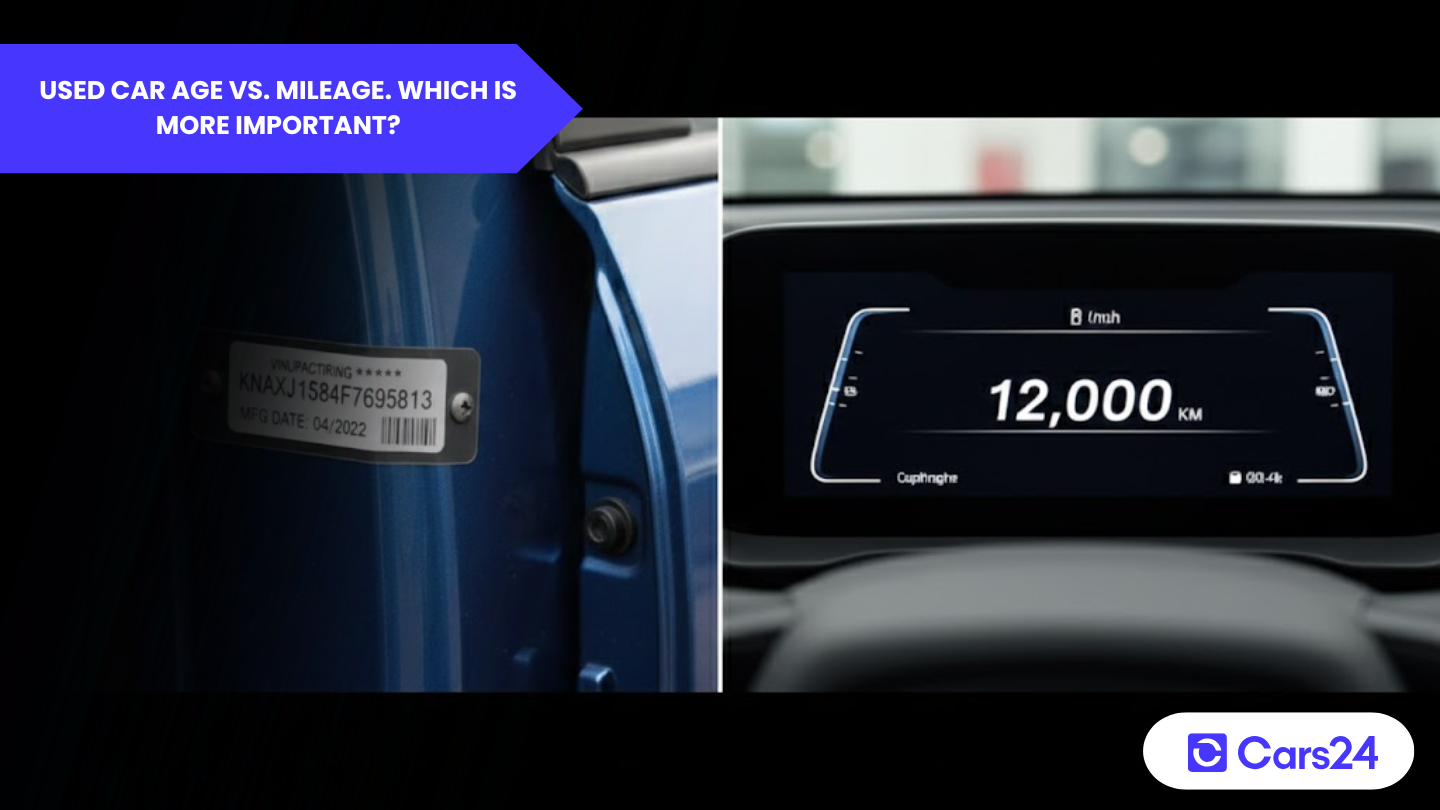
The used car age vs. mileage could be confusing. You wonder what’s more important when buying a car. Well, both matter, along with other factors, in a unique correlation.
Age shows material degradation with time, while mileage shows mechanical wear. A smarter move is to judge both and also the maintenance history.
You will learn the best combination of age, mileage and other factors for a used car here and other tips to buy yourself a good used car.
What’s more important? Used car age vs. mileage
Looking at only age or mileage is like trying to judge a book by only the front or back cover. However, they are important factors in measuring a used car’s wear. Here is how those two factors impact a used car’s valuation and health.
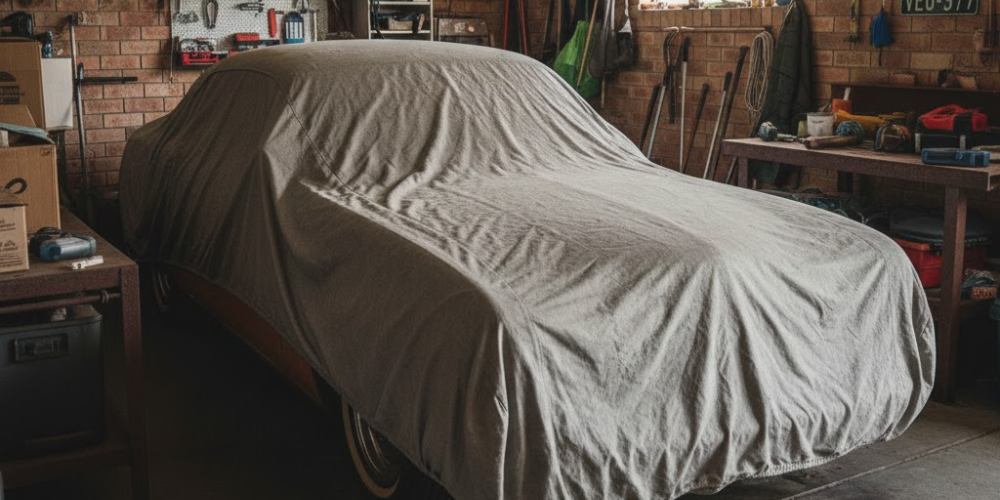
Age is the primary indicator of material degradation. Even if a car sits in a garage, time is working against it through oxidation and chemical breakdown. Rubber and plastic parts dry out and become brittle. Fluids may lose their protective properties and cause internal corrosion. An old car with low mileage also lacks the safety of a newer used car with high mileage. You will find more insights on why low mileage does not always mean a healthier car here.
Mileage is the primary indicator of mechanical wear. It tells you how many times the pistons have fired, how often the gears have shifted, and how much friction the bearings have endured. High-mileage cars are often due for big-ticket maintenance items like timing belts and suspension bushings. More highway kilometres are often easier on a car than even lower stop-and-go city travel.
What is the best age and mileage combination for a used car?
The consensus among mechanics and industry experts is that moderate mileage (under 80,000 km) on a 3- to 5-year-old used car with consistent maintenance is better than an extremely old car with no kilometres. A regularly driven car is kept lubricated, and its systems are cycled frequently. Here is a detailed take on ideal mileage for a used car in Australia.
Is mileage more important than age?
Experts often lean towards mileage as the more critical factor for a vehicle’s mechanical health, while age is the primary driver of its financial value and safety technology. So, both age and mileage are important when you want to buy a used car, along with other factors, as explained in the next section.
It’s more than the age and mileage for used cars
The odometer and the manufacturing year don’t tell the whole story of a used car. Think about it like cars are athletes. Two athletes can be the same age, but their condition depends entirely on how they trained and how they recovered.
Imagine you are looking at two identical 2018 Toyota Camrys. On paper, one looks like a steal, and the other looks worn out.
Car A
This is 6 years old with 40,000 km (very low mileage). This car was used for short city bursts. It drove 3 km to the train station every morning and 3 km back.
Because the engine never reached its optimal operating temperature, moisture built up in the oil, creating engine sludge. Because it sat in a damp driveway most of the time, the brake rotors have rusted, and the rubber seals have started to dry out and crack. It likely missed its yearly services because the owner thought, “I haven’t driven it far, so it doesn’t need an oil change.”
Car B
This is also 6 years old but with 120,000 km (high mileage). This car belonged to a sales rep who drove 100 km a day on the freeway.
The engine spent most of its life at a steady, easy RPM with oil flowing perfectly at the right temperature. It was serviced every 10,000 km like clockwork because the owner relied on it for work. The suspension is tight, the battery is healthy from long charging cycles, and the engine is clean inside.
Now, here is how the “better-looking” car A can actually cost you more in the first year of ownership. See how car A might cost about $2,000 more to buy because the mileage is low, but you’ll spend another $1,900 immediately just to make it safe. Car B is cheaper to buy and ready to drive.
| Part/service | Car A (low mileage/poor care) | Car B (High mileage/well serviced) |
| New tyres | $800 | $0 |
| Brake rotors | $500 | $0 |
| Major service | $600 | $0 |
| Immediate extra cost | $1,900 | $0 |
Mileage tells you how much the car worked. Age tells you how long the car has been exposed to the elements. Maintenance tells you how well the car recovered from that work and exposure.
Maintenance is the tie-breaker. A high-mileage car with a full service history is almost always a better purchase than a low-mileage car with a mystery past. Here is how to find hidden value in a high-mileage car.
Risks of buying an old car with low mileage
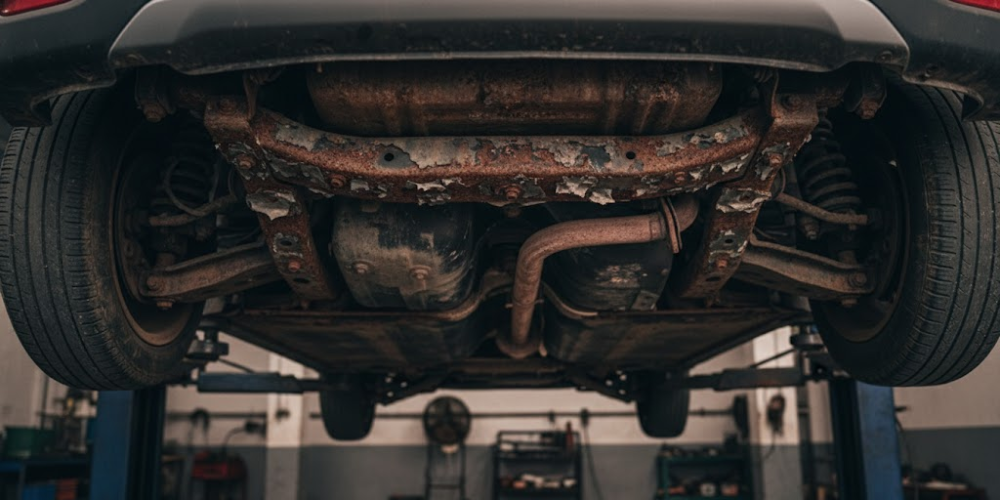
Buying an old car with low mileage often feels like finding a hidden gem, but experts warn that cars are designed to be driven, not stored. When a vehicle sits idle for years, it faces unique risks that can be more expensive than high-mileage wear. Here are some key risks of low-mileage, high-age used cars.
1. Rubber and seal failure: Rubber parts like hoses, belts, and seals degrade, become brittle and crack with age. This can lead to sudden leaks or engine damage.
2. “Lot rot” & corrosion: Without regular movement, moisture causes internal rust. Parts like brake rotors seize or become spongy.
3. Fluid degradation: Essential fluids (oil, coolant, and brake fluid) break down over time regardless of distance. This can damage internal engine components.
4. Safety hazards (tyres): Even new rubber tyres lose grip and structural integrity over many years of sitting idle.
5. Carbon build-up: In short trips, the engine never reaches full operating temperature, which can cause carbon deposits on valves, leading to poor fuel efficiency and power loss.
6. Pest damage: Parked cars are prime real estate for rodents, which can chew through expensive wiring harnesses and insulation.
Is it better to buy a newer car with higher mileage or an older car with less mileage?
Yes, because the higher-mileage used car would have well-working moving parts, good lubrication, and better safety and driver assistance features.
Here is a comprehensive write-up, if you wanna know in detail about whether low mileage matters when buying or selling.
What depreciates a car more? Mileage or age
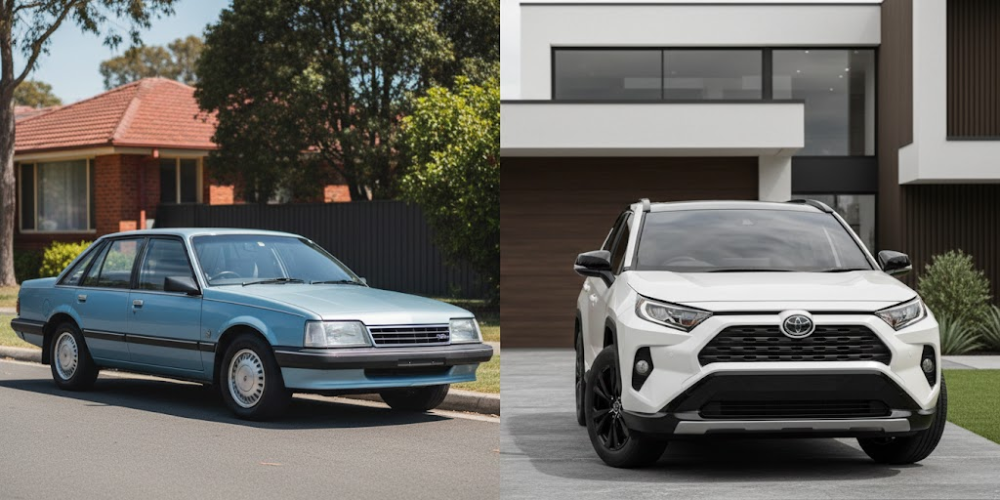
In the used car market, age is typically the primary driver of depreciation because it represents the “cost of time” and the constant evolution of technology. However, mileage acts as a powerful accelerator; it represents the “cost of use” and can often cause a car to lose value faster than age alone if it exceeds annual mileage averages.
A car naturally loses value as soon as it leaves the dealership, often losing 15–30% in its first year, regardless of mileage. Depreciation typically slows down or almost stops after 8 to 10 years of a car’s age. Try checking your car’s valuation and depreciation here.
Mileage dictates the resale value relative to others of the same age. Exceeding the average annual mileage of 11,100 to 13,800 km per year significantly (like going over 20,000 km) can reduce a car’s worth rapidly for every additional 1,000 km.
Many buyers perceive 100,000 km as a milestone, which can influence resale value. Even if a car is only slightly above this number (e.g., 101,000 km vs. 99,000 km), it faces a disproportionate drop in resale value due to a common “psychological barrier” for buyers.
Car types matter too; for instance, in new cars, age depreciates them more. In older cars (+8 years), mileage is the primary depreciation factor, and in luxury vehicles, age and tech are the main depreciating factors. In workhorses (utes/SUVs), mileage and condition depreciate them more.
More: Tips to maximise your car’s resale value
Used car age vs. mileage. What mileage is good?
We’ve used an annual ideal mileage benchmark of 15,000 km here. These numbers indicate what mileage is good for a used car. These figures are approximate and heavily depend on the car’s make, model, and maintenance history.
| Car age (years) | Ideal mileage (low risk) | Average mileage | High-risk mileage |
| 3 | < 36,000 km | 36,000–45,000 km | > 60,000 km |
| 5 | < 60,000 km | 60,000–75,000 km | > 100,000 km |
| 7 | < 96,000 km | 96,000–120,000 km | > 160,000 km |
| 10 | < 120,000 km | 120,000–150,000 km | > 200,000 km |
Tips for buying a used car
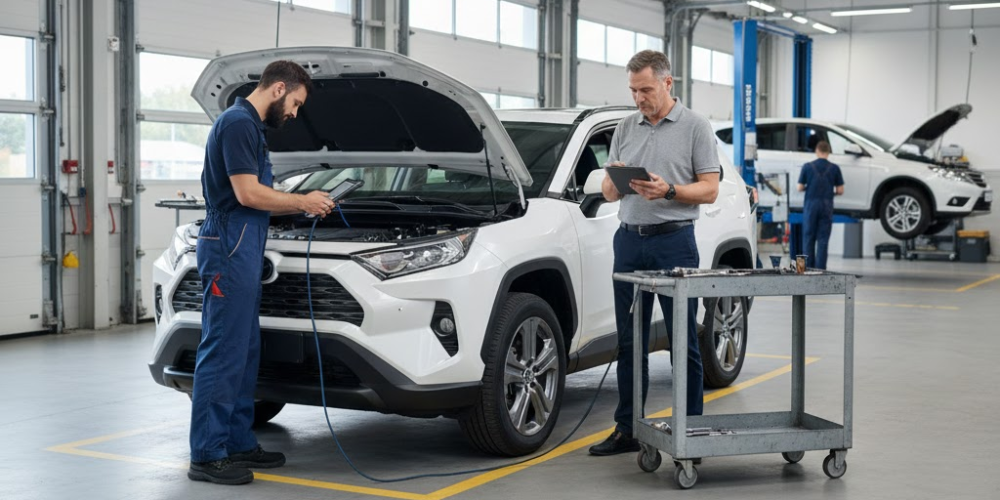
Buying a used car in Australia requires specific due diligence to navigate local laws and avoid costly mechanical or financial traps. While a private sale often offers the lowest price, buying from a licensed dealer provides a statutory warranty and consumer guarantees under Australian Consumer Law that do not apply to private transactions. Here are some core tips for buying a used car:
1. Mandatory legal & financial checks
Verify the vehicle’s bona fides to ensure you actually own what you pay for. Run a Personal Property Securities Register (PPSR) check, verify the owner and see the Roadworthy Certificate (RWC).
2. The physical inspection
Always inspect the car in broad daylight. Run basic checks yourself, like checking under the bonnet for fluid or coolant leaks and the exterior and tyres. Go for a professional third-party inspection for full peace of mind.
3. The test drive
Ask the seller to leave the engine cold before you arrive. Observe transmission, unusual vibrations, alignment, suspension, etc.
4. Negotiation & closing
Factor in immediate on-road costs such as stamp duty, registration transfer fees, and comprehensive insurance. Use needed repairs and faults to bargain. Make a safe payment after carefully checking the invoice.
Final words
Mileage and age each tell their part of the story. So it’s never used car age vs. mileage, but factors like service history and driving style are also considered. The overall history is more important when buying a used car.
So, the final rule of thumb is: buy condition, not the number. If the paperwork, history, and a mechanic back it up, you’ve got a good deal, no matter what the odometer says. Remember all this, even if you want to sell a car, for the best resale value.

Comments
New Comment