




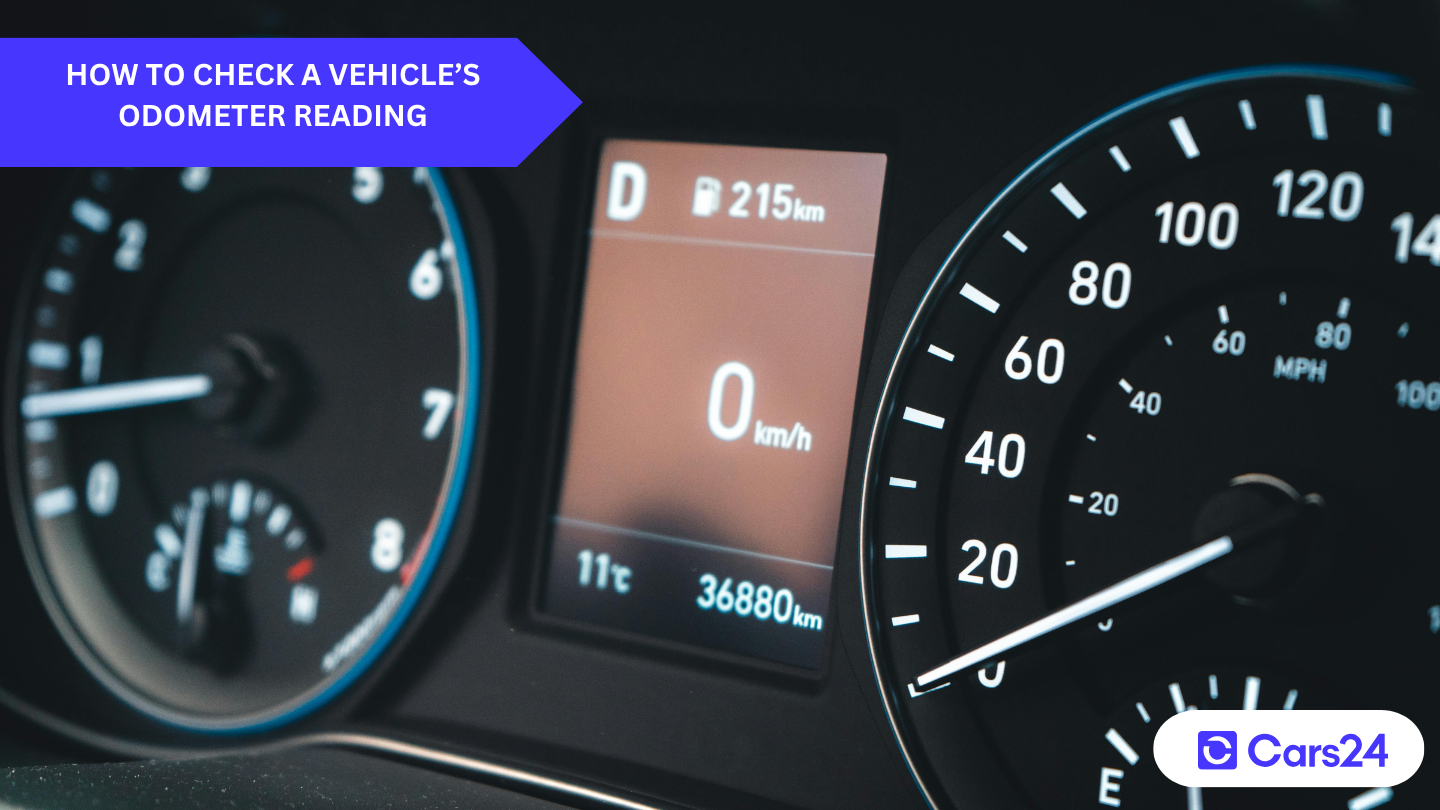
Buying a used car in Australia is easy and exciting, but it comes with risks. One of the biggest is odometer fraud. Also called “clocking” or “milometer winding,” this practice involves rolling back a car’s recorded kilometres to make it appear less worn than it actually is. Knowing how to verify odometer readings before you buy could save you thousands of dollars and years of mechanical headaches.
What is an odometer and why does it matter?
An odometer is also sometimes called a car milometer because it is an instrument that records the total distance a vehicle has travelled. It’s one of the most critical indicators of a car’s overall condition and wear. The higher the reading, the more the engine, tyres, brakes and suspension have been used.
In Australia, odometer fraud is illegal under the Australian Consumer Law (ACL). Despite this, it remains surprisingly common in the private and dealer-used-car market. Tampering with digital odometers is easier than many buyers realise, and it isn’t obvious at a glance.
How to verify odometer reading: A step-by-step approach
So, how do you actually confirm that the odometer reading is legitimate? The good news is that there are multiple ways available to Australian buyers.
- Run PPSR check
A personal property securities register check is essential for any used-car purchase in Australia. While it primarily reveals the finance owing and written-off status, it also captures some historical odometer data from registered inspections and dealer records.
- Check service history and log books
A reliable and legitimate service history is a good way to verify the odometer reading. Each stamped service entry should show an increasing odometer reading over time. If the log book shows 95,000 km two years ago but the car now reads 72,000 km, you should walk away immediately.
- Use a third-party history report
Buy a report from a trustworthy third party like Cars24. Their car history check report covers:
- Encumbrance check
- Written off status
- Stolen status
- Recall status
- PPSR certificate
- Odometer comparison
- Current market value
- Market demand
- Inspect Physical wear markers
The car itself will tell you a story. If an odometer reading claims 60,000 km but the steering wheel is worn bare, the driver’s seat bolster is cracked, the pedal rubbers are thinned or the carpet is heavily pitted, the kilometres don’t add up.
- Request a pre-purchase inspection
Booking an independent inspection through the NRMA, RAA, RACQ, RAC or a trusted mechanic is the gold standard. Inspectors are trained to cross-reference wear levels against the stated odometer and will flag inconsistencies in their written report.
- Check tyre age and wear
Tyres should typically be replaced every 40,000-60,000 km. Check the tyre manufacture date, which is also stamped on the sidewall as a four-digit code, e.g., 2322 means the 23rd week of 2022. If the original tyres are still fitted to a car claiming high mileage, it indicates something doesn’t add up.
Red flags to watch for in any odometer reading
- The odometer reading is unusually low for the car’s age, compared to the 14,000 km/year benchmark.
- Gaps or inconsistencies in the logbook service stamps.
- Physical wear of seats, pedals, steering wheel that doesn’t match the stated kilometres.
- Mismatched digital display pixels or a loose instrument cluster.
- The seller is reluctant to provide service records or a PPSR report
- The history report shows a higher odometer reading from a previous registration check.
- Stickers or marks suggesting the instrument cluster has been removed
What is the average odometer reading per year in Australia?
Understanding the average odometer reading per year in
What to do if you purchased a vehicle with odometer tampering?
If you purchase a vehicle and later discover the odometer was tampered with, you have rights under the Australian Consumer Law. You may be entitled to a refund, replacement or compensation. Document everything from listing, your communication, to all inspection reports and contact your state’s consumer affairs office or Fair Trading Body. Dealers are held to a higher standard than pirate sellers, but private sales are not without recourse if deliberate misrepresentation occurred.
To avoid this type of scam or tampered car, buy from Cars24.
Conclusion
Knowing how to verify odometer reading isn’t just about saving money but it’s about buying with confidence. With a few hours of due diligence and investment in a car history check, you can protect yourself from one of the used car market’s most persistent cons. Take your time, trust the evidence over the seller’s word and never let urgency rush you into a decision you’ll regret on the road ahead.

Comments
New Comment