




Buying a used family car is a bit different from buying any used car, as in the former you have to consider family-specific requirements like child safety, rugged upholstery, bigger boot space, etc. And with all your preferred features and specs, come budget constraints and a clean car history check.
This guide will help you consider various factors before you buy a used car for your family size and lifestyle, with used family car examples in Australia and necessary due diligence, so you won’t regret your purchase.
What is the most important thing to consider when buying a used car?
You must first evaluate your family’s daily routine, seating capacity requirements, lifestyle habits, and long-term financial budget before you even start looking at the used car options. Then you look at the car factors like seating capacity, legroom, boot space, towing capability, off-road features, fuel efficiency, etc.
Readers also asked: The ultimate guide to buying a used car
What safety features should you prioritise in a used family car?
When you are out on the used car hunt, you would have to primarily choose between basic safety features, advanced driver assistance systems (ADAS) on newer cars, or something in between. You need to balance your budget against your driving environment to find a perfect safety suite fit.
| Safety feature type | What it includes | Best suited for |
|---|---|---|
| Basics (standard on cars post-2010) | Anti-lock Braking System (ABS) Electronic Stability Control (ESC) Front, side, and curtain airbags ISOFIX anchor points Good structural crash cell | Tight budgets Experienced drivers Primarily regional/highway driving where active intervention is less critical |
| Advanced safety tech (common post-2016/2017) | Autonomous Emergency Braking (AEB) Lane Keep Assist (LKA) Blind Spot Monitoring Rear Cross-Traffic Alert | Heavy stop-and-go city traffic Distracted cabin environments (kids) Newer/less confident drivers |
The older safety features in used cars are mostly passive, and they protect you during a crash, while new-age, advanced safety suites work to prevent the crash from happening in the first place.
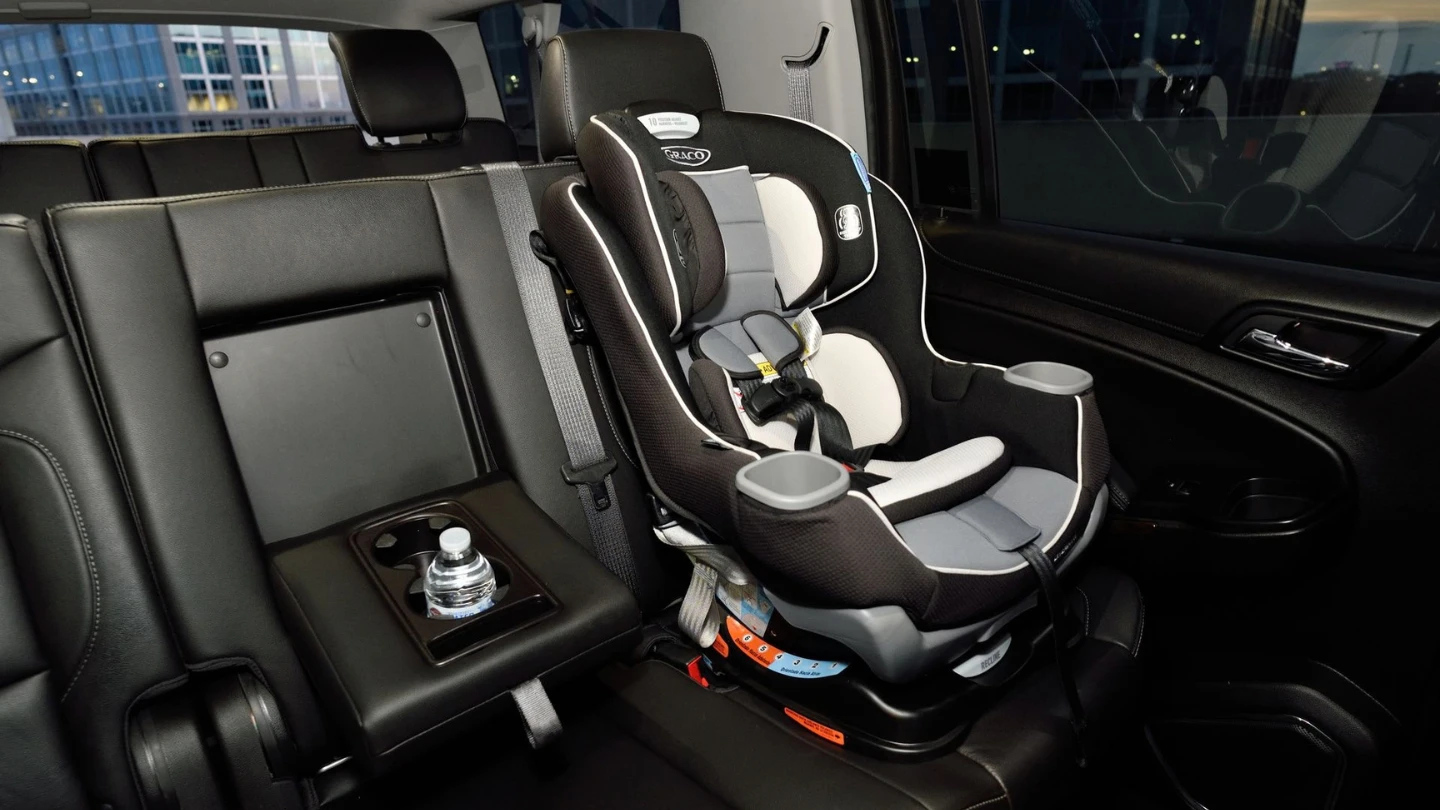
And if you are driving a car with children, features like the AEB can be a lifesaver, as it enables the car to automatically apply the brakes even if you are distracted for a split second. You should also confirm the number and position of ISOFIX points in the second row before purchasing, particularly if planning to fit three child seats. Similarly, the ESC and a full set of curtain airbags are basic requirements for a family with multiple passengers.
The modern safety features work actively for you, but they clearly demand more maintenance and repair costs than a traditional car with a passive safety system. And if you want the best of both worlds, consider cars built in 2016-2018, like the Toyota RAV4 mid-size SUV, and the Mazda CX-5 or Subaru Forester, as these cars started including features like AEB and Blind spot monitoring, but lack the more complex ones.
Lastly, a quick look at the ANCAP rating and assessment should also not be missed, where a 5-star rating indicates that a car’s active and passive safety systems work well under emergency conditions.
Readers also asked: What are the top 5 reliable used family cars in Australia?
What family practicality and ergonomics should you consider?
Every family has a unique rhythm, and to choose the right used car based on practicality and ergonomics, you need to assess how your family actually interacts with a car. Think about the ages of your kids, daily routines, passenger heights, etc.
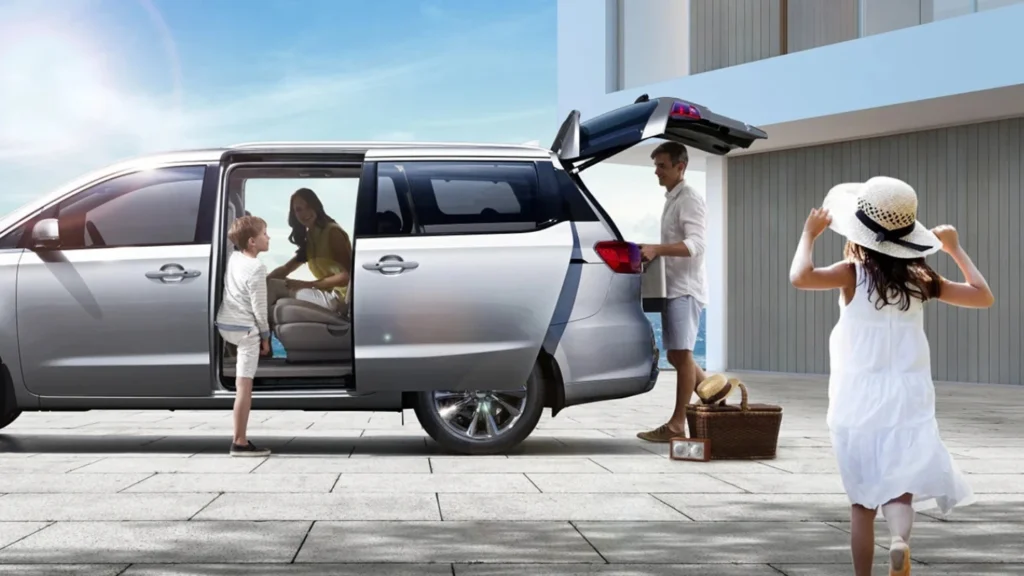
Children grow rapidly, and their spatial needs change with them, so try to buy a used car that will still suit your family in two to three years, not just today. Here are some key considerations regarding kids:
- Baby/toddler stage (ages 0–4): Focus on deep second rows like in the Skoda Superb wagon or Honda CR-V, and also a higher rear door opening angle of 90 degrees or more.
- School-age stage (Ages 5-11): Focus on durable, easy-to-clean cabin material and easy in-and-out access, like low step-in height.
- Teen stage (Ages 12+): Focus on rear legroom and rear AC vents.
Now, here is how different car body styles handle family logistics differently:
| Ergonomic factor | Wagons | Medium SUVs | Large 7-seat SUVs | People movers |
|---|---|---|---|---|
| Loading kids | Poor: Low roofline | Good: Less bending required | Fair: Can be a high climb for small kids; heavy doors | Excellent: Effortless access with sliding doors |
| Boot loading | Excellent: Low lip height | Good: Square opening but higher | Poor: With 3rd row up | Excellent: Deep boot storage well |
| Car parking | Excellent: Standard width and length | Good: Elevated view; car door dinging risk | Poor: Large physical footprint | Excellent: No door dinging and easily fits |
Try to simulate your family’s drives when inspecting a used car by getting into the car and measuring the cabin space – see if the rear seats will fit your child seats, do the third-row access test, and estimate if your luggage would fit with all the seats up.
Readers also asked: What is the best car body type for small families?
What comfort and technology features are worth paying for?
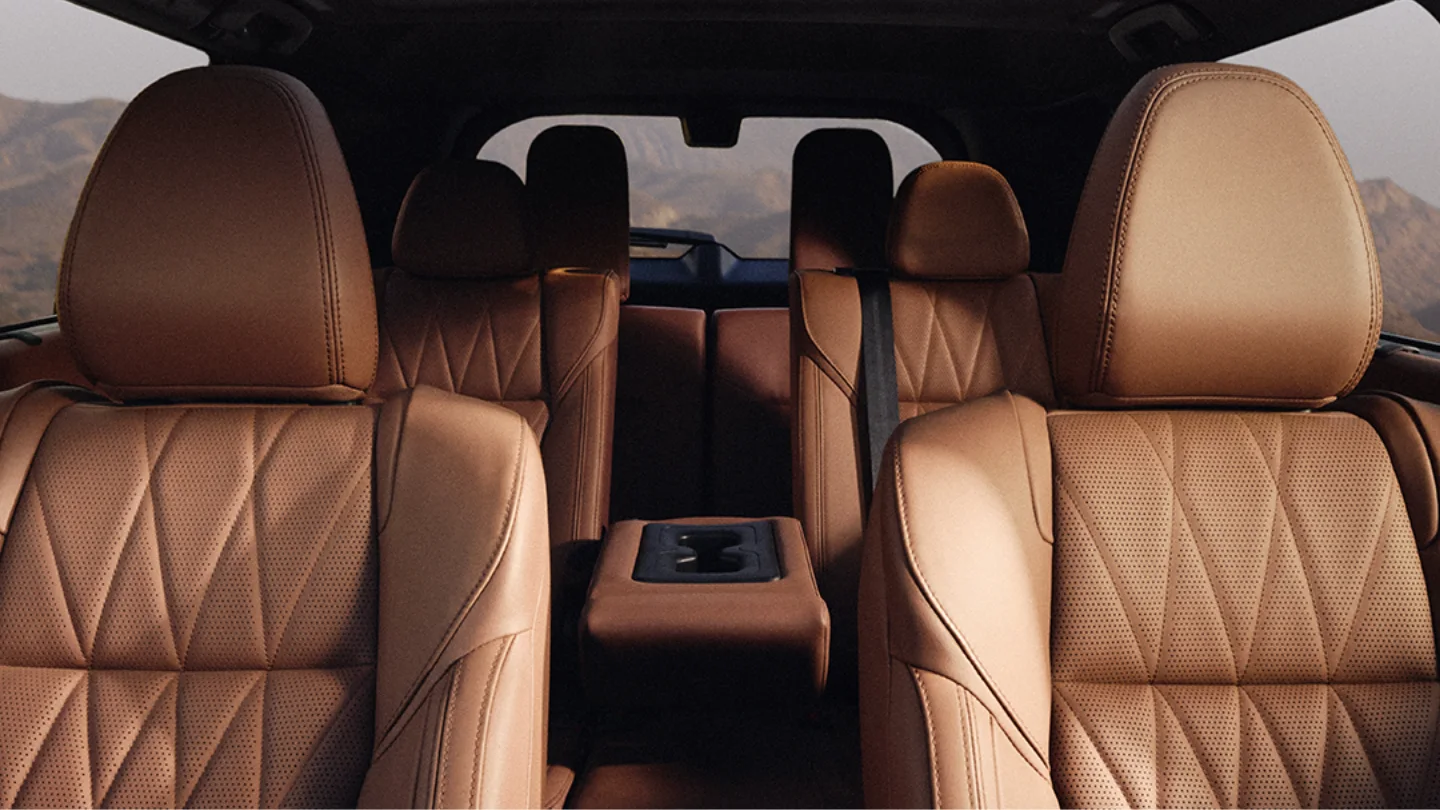
If your family needs more than just a utilitarian metal box and you can pay more, step up to used family cars with premium cabin tech, road-trip luxury, or elevated driving dynamics.
High-spec Skoda Superb Wagon (2016-2020) feature a virtual cockpit, premium sound system, adaptive dampers, generous legroom, heated front and rear seats, and a set of other practical features.
An old Mazda CX-9 (2016-2021) can offer a projected heads-up display, Nappa leather, a heated steering wheel, and excellent cabin insulation.
Kia Carnival Platinum (2015-2020) features dual sliding power doors, a 360-degree camera system, a rear entertainment screen, and captain’s chairs.
Volkswagen Touareg (2014-2018) can offer massive sunroofs, premium leather, and advanced terrain-management systems.
How do you estimate the running costs of a used family car in Australia?
Consider these money factors when estimating the annual running costs of a used family car during your car hunt:
- Fuel/electricity
- Routine servicing and major upcoming repairs
- Tyres and consumables wear
- Comprehensive insurance
- State registration and *Compulsory Third Party (CTP)
*CTP is bundled into your registration cost in some states
Now, after writing down these pillars for the running costs, calculate the realistic costs by considering the average used car age and wear and tear.
For instance, take a slightly higher figure for the combined fuel consumption figure; consider more frequent servicing and big repairs or part replacements.
How do you run a legal and car history check on a used car in Australia?

When it comes to car history, never trust anyone but yourself. Start with the legal check before you even book a pre-purchase inspection (PPI) after you choose a car your family likes.
Run an official Personal Property Securities Register (PPSR) check using the car’s VIN, which is physically printed on the car itself, to uncover any financial encumbrance, written-off status or stolen status. Also, verify the identity of the car owner using the free Rego check on your state’s transport authority app.
You should also request Service Logbooks to verify the odometer reading and ensure the car is well-maintained; if you cannot find much information from the above sources, try getting the car history through paid third-party platforms. Cars24 Australia offers a car history and inspection service that can surface additional detail on the vehicle’s background.
Readers also asked: How many kilometres is too many for a used car?
Should you get a pre-purchase inspection before buying?
Once the legal paperwork is clear, you must finally arrange an independent mechanical evaluation for a thorough used car mechanical analysis. The pre-purchase inspection services in Australia vary in cost depending on the level of inspection and mode of analysis – a basic inspection costs less than a 300+ point check, and a thorough workshop inspection usually costs more than the mobile inspection.
Which used family cars are most reliable for Australian buyers?
You choose the most reliable second-hand family car depending heavily on your family’s dynamic, but to make this an easier affair, we have categorised the best used cars suited for a particular kind of family:
1. One-to-two-young-kids family
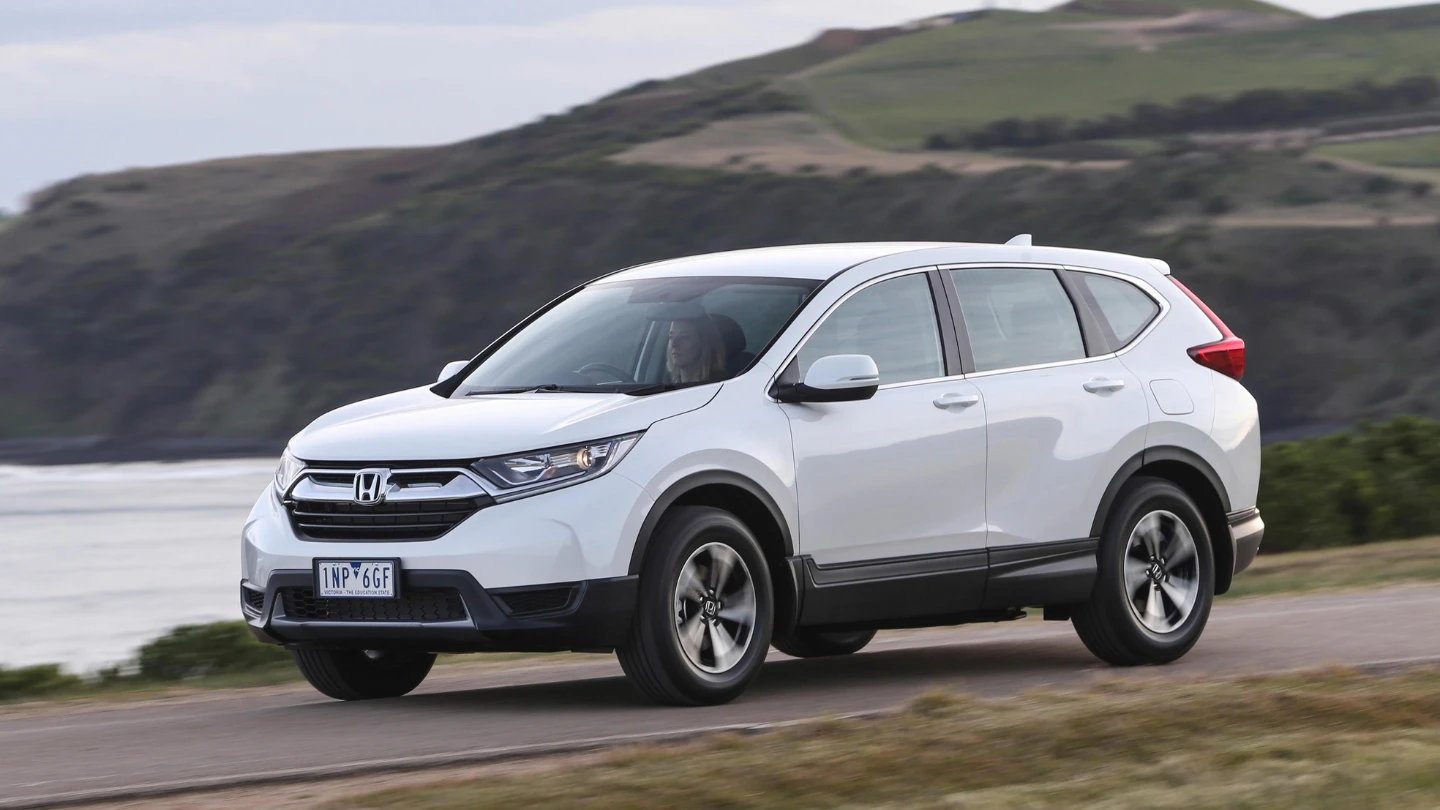
You have a pram, a couple of small kids in bulky child capsules or forward-facing seats, and do mostly suburban driving. Right fit:
- Fifth-generation Toyota RAV4 hybrid mid-size SUV – mechanically durable, fuel-efficient, large boot space
- Honda CR-V (2017-2022) – Reliable engine, wide-opening rear doors
2. Three-child or carpooling family
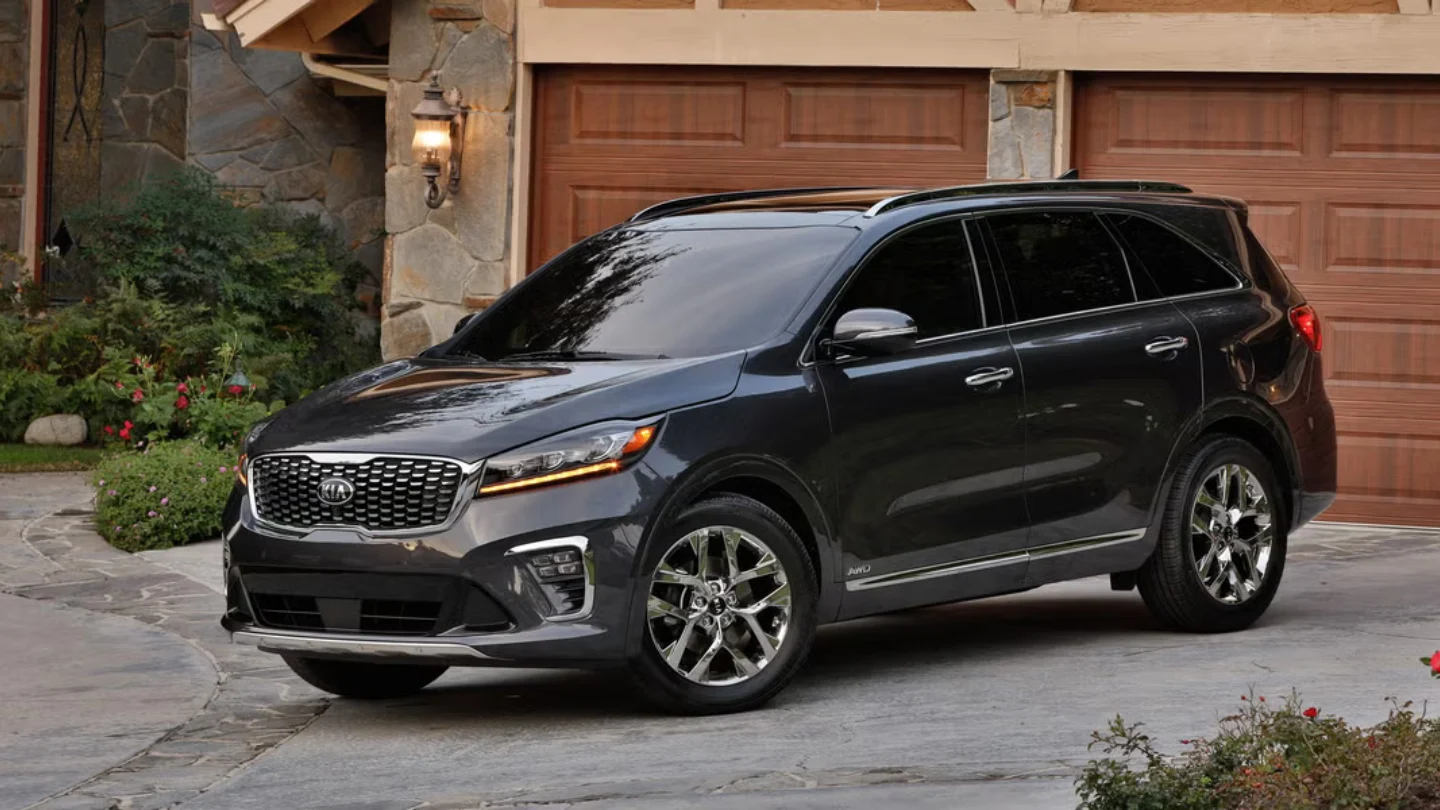
You have three kids and do regular school carpools, so you need a wide second row or a highly accessible third row. Right fit:
- Kia Sorento (2018+) – 7-seat, robust engine, easy 3rd-row access, rear AC
- Toyota Kluger (2015-2021) – Highly durable engine, wide cabin
3. Big family crew with 4 plus kids
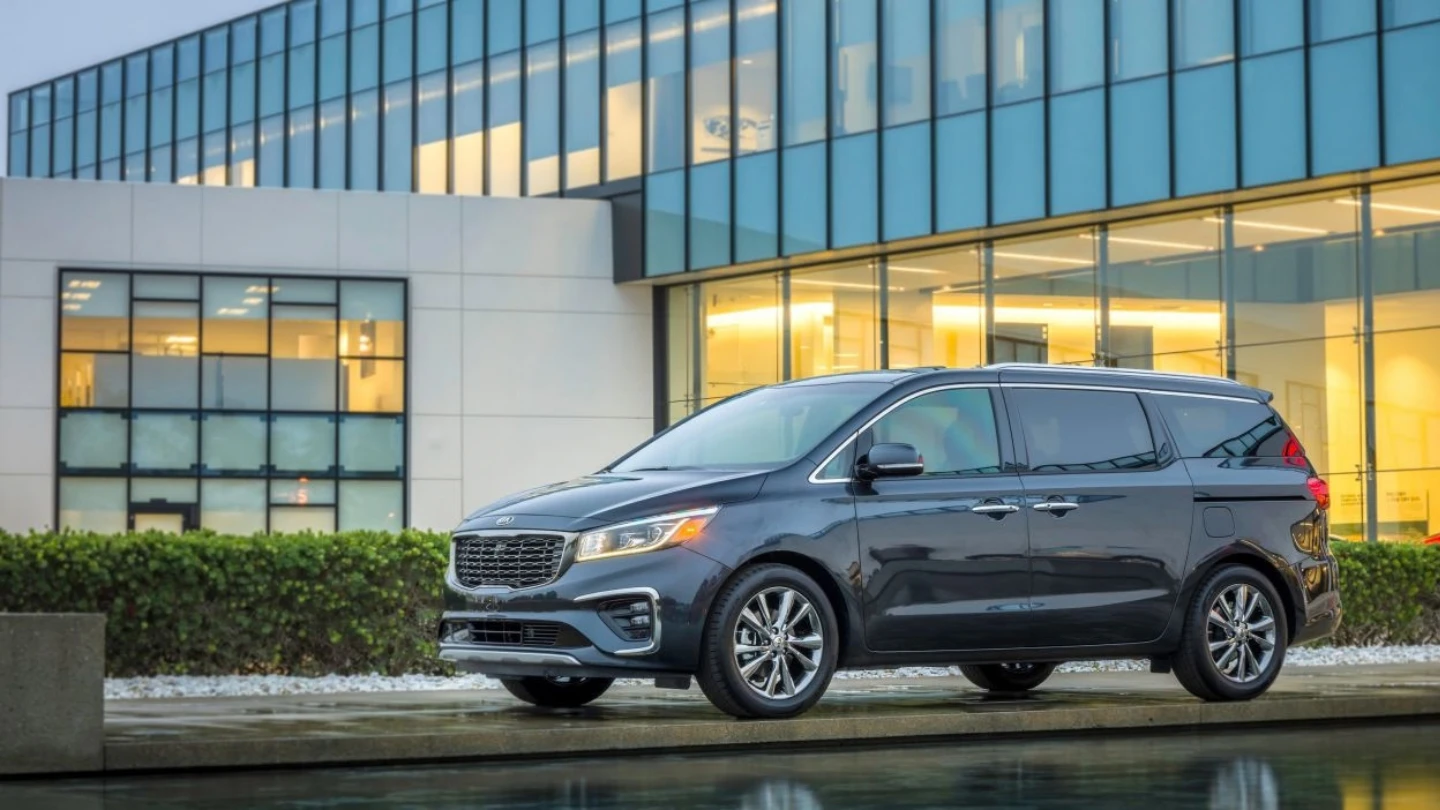
You have four or more kids plus sports gear, school bags, and luggage.
Right fit: Kia Carnival (2018+) – Efficient diesel engine, easy-access sliding doors, deep boot storage
4. Regional camping and towing family
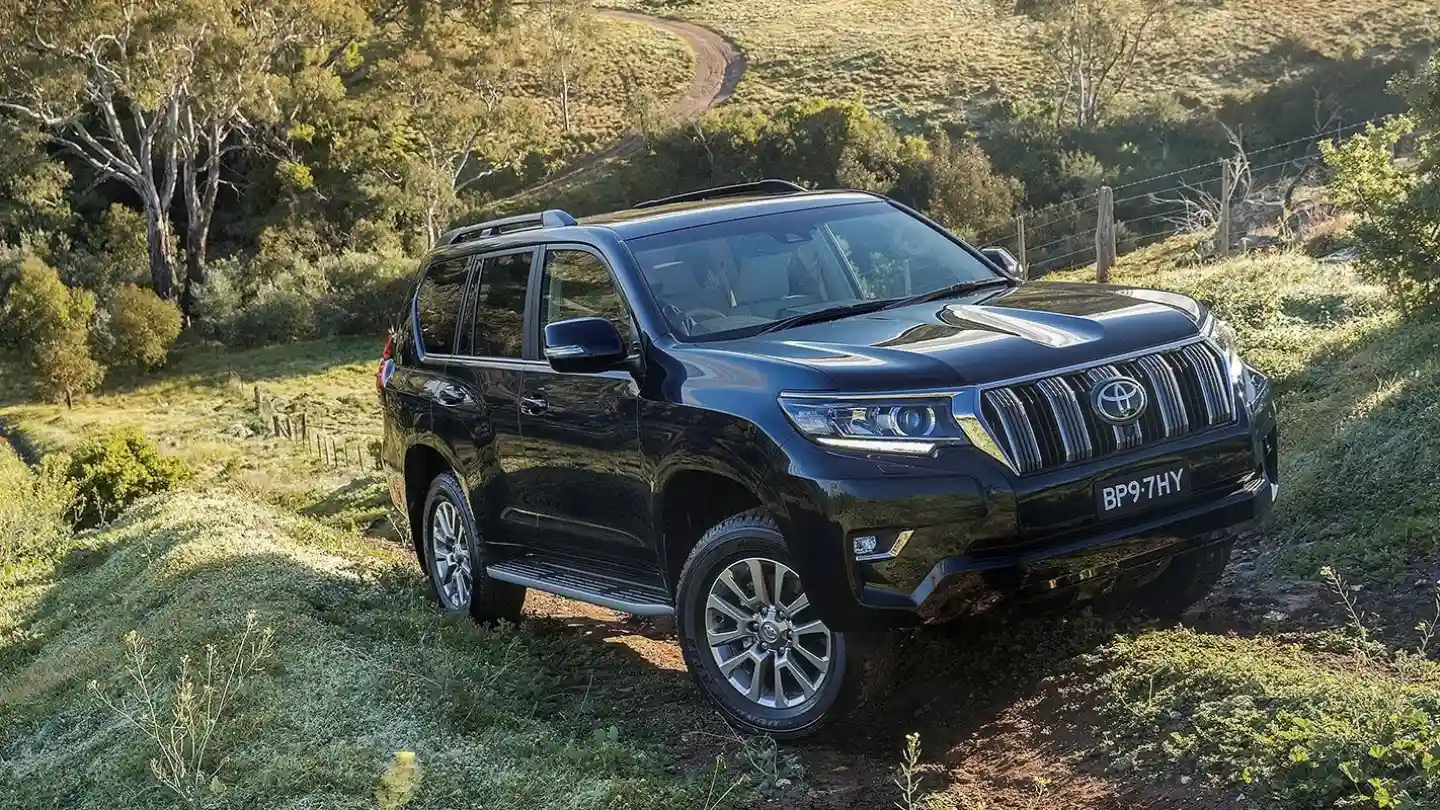
You live outside the major metro regions, often travel on unsealed roads, or need to regularly tow.
Right fit: Toyota LandCruiser Prado (2016+) – Heavy-duty diesel engine, elevated visibility, robust 4WD
What Cars24 Australia says: Match the car to your family’s lifestyle
Buy a used car that best fits the mess, rhythm, and reality of your actual daily life and decide early what part of it you can compromise on (say, looks for lower running costs and long-term reliability). And as fuel prices surge in 2026, a well-maintained family hybrid car will hurt your family budget less.
FAQs about what to consider before buying a used family car in Australia
1. How many kilometres is too many for a used family car in Australia?
Generally, over 160,000 km to 200,000 km is considered the tipping point where a used family car requires caution, but the car history and inspection report tell a clearer picture.
2. What is a PPSR check and does it cost money?
A PPSR (Personal Property Securities Register) confirms if the vehicle has outstanding finance, has been reported stolen, or is a written-off vehicle and costs a flat $2.00 on the federal government website.
3. Is a 5-star ANCAP rating mandatory for a family car?
No, it is not legally mandatory to buy a family car with a 5-star ANCAP safety rating; it totally depends on your family’s safety requirements. However, a perfect rating gives peace of mind.
4. What does a pre-purchase inspection cost in Australia?
A mobile or workshop-independent pre-purchase mechanical inspection typically costs between $150 and $350+, depending on the provider, the type of vehicle, and the level of inspection.
Looking for a reliable used family car without the surprises? Explore these thoroughly inspected used cars offered with a 30-day return policy.

Comments
New Comment