





Australia’s new vehicle emissions rules can make buying your next car feel confusing, as terms such as NVES, fleet averages and the so-called ute tax can leave you thinking whether petrol and diesel vehicles, utes, 4WDs and V8s will cost more or become harder to find.
The NVES and the nation’s climate-related policies focus on a gradual reduction in greenhouse gas emissions, and this will definitely impact the car market and buyers’ choices. This advice breaks down what the changes mean for buyers, explains the potential impact on different vehicle types, and helps you assess whether to buy now, consider a lower-emissions vehicle or wait.
How does Australia’s New Vehicle Efficiency Standard (NVES) work?
Think of the New Vehicle Efficiency Standard (NVES) as a federal policy designed to reduce transportation emissions by placing accountability entirely on car manufacturers and suppliers, not on individual buyers.
It began on 1 January 2025, and the system tracks the average carbon dioxide (CO₂) emissions of all new light vehicles imported into Australia—passenger cars, SUVs, utes, and vans up to 4.5 tonnes.
The NVES operates on a fleet-wide average trading system. If a car brand sells highly efficient vehicles like EVs and PHEVs that beat the emissions target set for that year, they earn NVES credits.
More high-emitting vehicle sales attract financial penalties of up to $100 per gram of CO₂/km over the limit, but the manufacturer can reduce penalties by selling more EVs/hybrids or by buying credits from rival brands.
The scheme is planned from 2025-2029 and splits vehicles into two distinct categories, with targets tightening progressively every year.
| Year | Type 1 vehicles (Passenger cars, wagons, SUVs) | Type 2 Vehicles (Utes, vans, heavy off-road 4WDs) |
|---|---|---|
| 2025 | 141g/km | 210g/km |
| 2026 | 117g/km | 180g/km |
| 2027 | 92g/km | 150g/km |
| 2028 | 68g/km | 122g/km |
| 2029 | 58g/km | 110g/km |
NVES does not directly ban any specific car models, but it is structurally shifting the Australian automotive market.
Readers also asked: What are the petrol vs. Hybrid vs. EV running costs for Aussies?
How does NVES contribute to the government’s 2035 emissions reduction target?
Australia’s federal emissions reduction target for 2035 is a 62% to 70% reduction in greenhouse gas emissions below 2005 levels.
The Electric Vehicle Council (EVC) and other major climate advisory groups Down Under say that the NVES is the primary legislative mechanism driving the vehicle supply needed to achieve the 2035 climate target.
EVC says we need over 5 million EVs on Australian roads by 2035 to meet the lower band (62%) of the 2035 target. It also says that we must extend the NVES targets beyond 2029; otherwise, the emissions target could stagnate at the 2029 levels.
The council also says EV sales will need to increase 10-fold from current levels to meet the 2035 emissions reduction target.
Grattan Institute also noted, in 2024, that NVES is urgent to ensure the entire car fleet in Australia hits the ultimate legislated target of Net Zero by 2050.
Readers also asked: What are the types of hybrid cars in Australia?
Common Australian car buyer concerns
You may be confused about whether your favourite SUVs or utes will become more expensive or if you will be forced to buy EVs due to a lot of political and media noise surrounding the vehicle emissions rules. The following concerns and their answers will help you understand what new car emissions rules mean for car buyers like you.
1. Will popular petrol and diesel vehicles be banned?
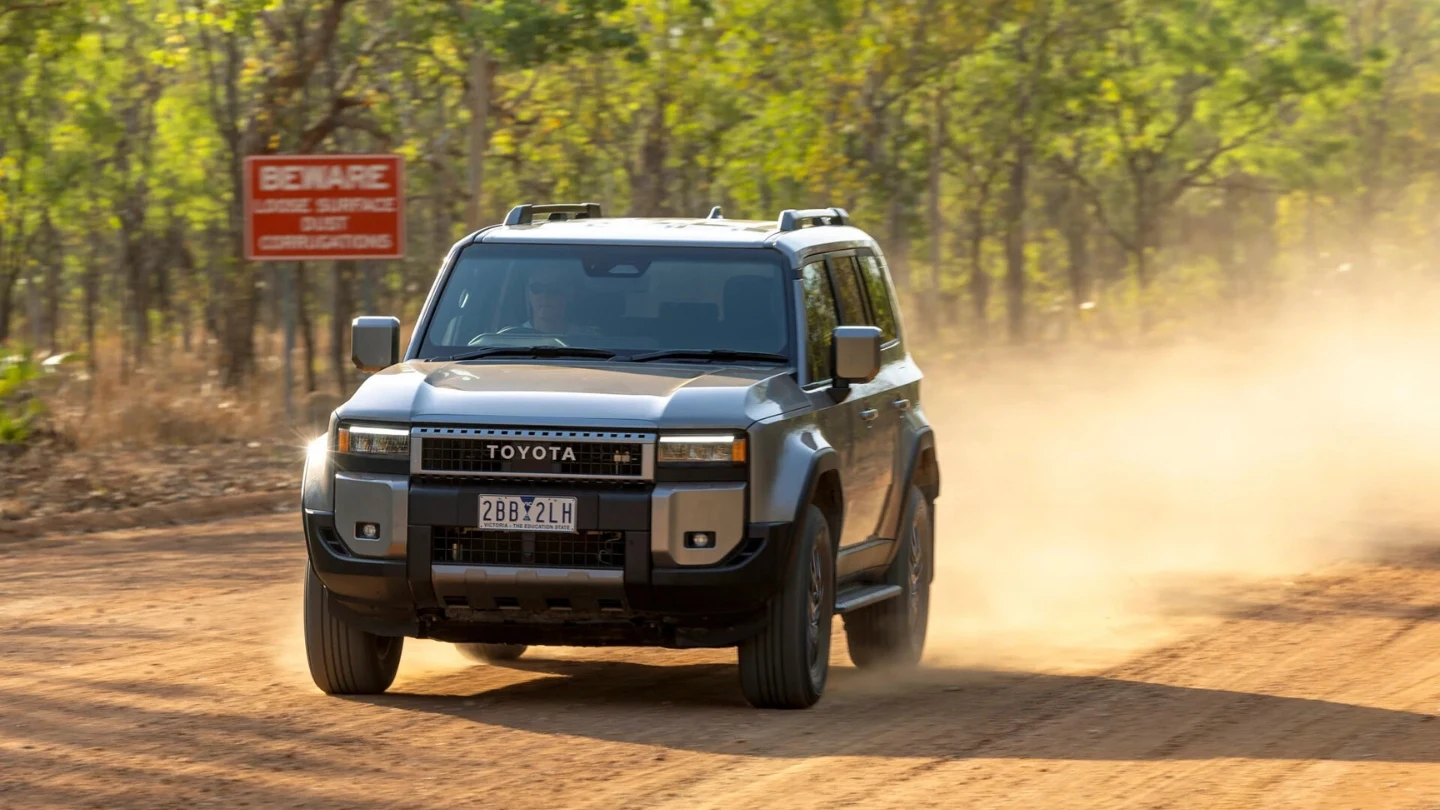
No, the NVES regulates the average emissions across a car brand’s total annual sales, not individual vehicles. The petrol and diesel vehicle manufacturer can still sell you the big utes and SUVs by offsetting their emissions with more EV or hybrid car launches and buying NVES credits from other car makers.
2. How can NVES rules and upcoming policy changes affect your wallet?
The NVES and shifting climate policies hit your wallet in two distinct ways: they can lower your daily running costs if you choose an efficient car, but they risk increasing the upfront purchase price if you decide to bring home a traditional petrol or diesel vehicle.
| Vehicle type | Upfront impact | Ongoing impact |
|---|---|---|
| Diesel ute / V8 petrol | Higher risk: Price hikes on flagship trims; loss of cheap base variants | Higher risk: Full exposure to volatile petrol/diesel pump prices |
| Hybrid | Stable: Highly competitive packaging as brands swap standard engines for hybrids | Lower cost: Substantial drop in weekly fuel consumption and running costs |
| Electric vehicle | Lower cost: Aggressive dealer discounts, tax exemptions, and sub-$20k options | Maximum savings: Cheapest per-km running costs when charging at home |
3. Will the NVES increase the price of top-selling large utes and 4WDs?
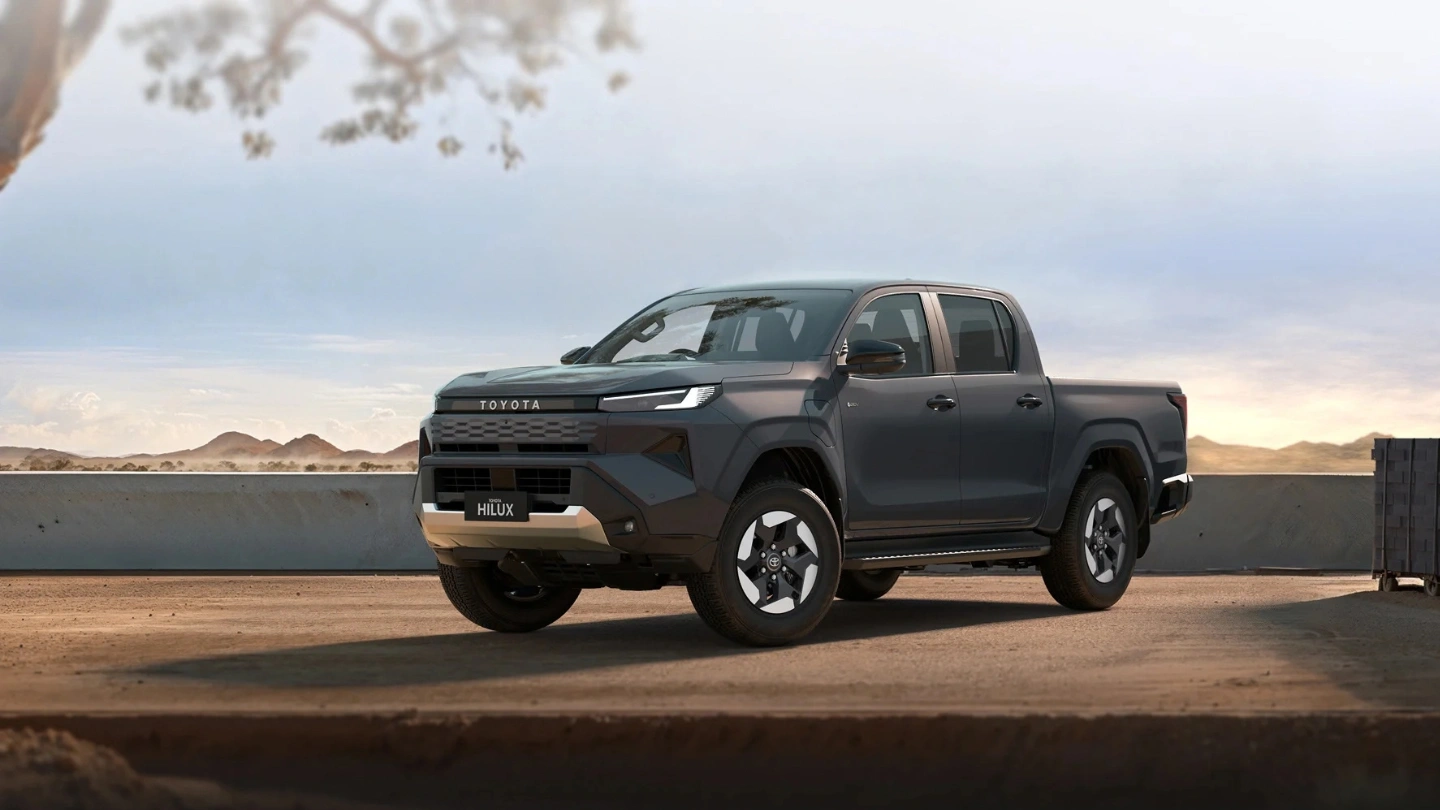
There is a low risk of price increases for the brands with heavy EV/hybrid lineups like Toyota and BYD, but a moderate to high risk for diesel-dominant brands like Isuzu Ute and Ram. In fact, Mitsubishi Australia and Ram Trucks Australia have already warned that the credit-purchasing costs may eventually pass onto showroom sticker prices.
Then, there is also a risk of base ICE model discontinuation, which directly increases the entry price for that model.
4. What will happen to heavy-towing diesel and V8 models?
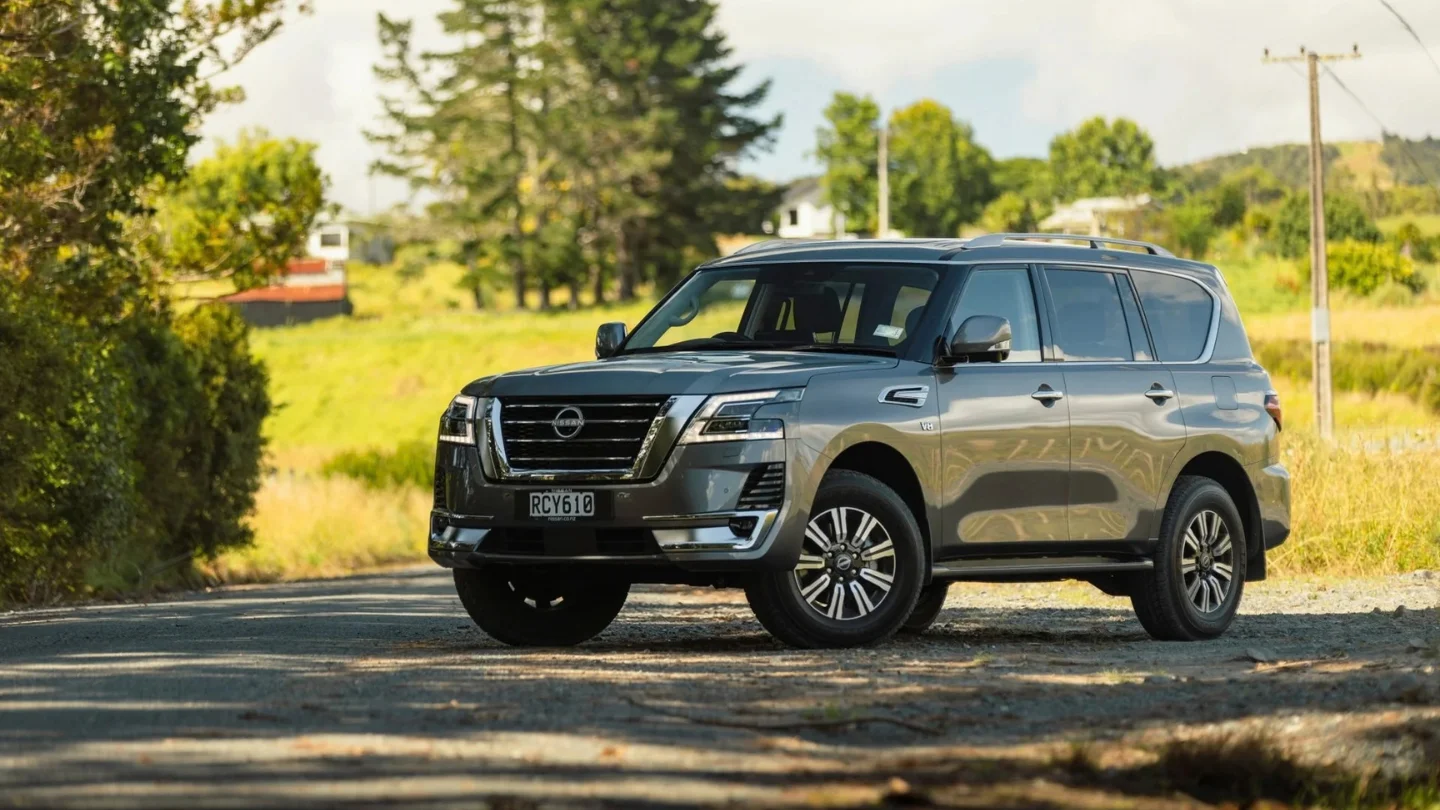
NVES does not legally ban any engine type, but steep fines for heavy-duty vehicle emissions are forcing car makers to axe V8 engines such as Toyota’s 4.5-litre turbo-diesel V8 from the LC70 lineup. The manufacturers are introducing hybrid drivetrains to large 4WDs and utes to retain the 3.5-tonne braked towing capacity, such as the Ford Ranger PHEV and BYD Shark 6.
5. What should you do if the vehicle emissions rules suddenly change?
You may get confused about whether the car emissions rules are permanent due to public debates on news channels, but the automotive industry requires years of stability to plan extremely expensive product pipelines. It is still reasonable to buy a vehicle that meets your usage requirements and budget.
6. How is the NVES shifting the car market and buyers’ choices?
NVES is forcing car companies to balance out high-emissions vehicles, and as a consequence, buyers are seeing more options for EVs and hybrid vehicles, and that too at aggressive pricing, especially from Chinese manufacturers. This is evident in the record 24.9% share of EVs in overall new-vehicle sales in August 2026.
You can also see more high-towing PHEV ute launches and increased investment in Australia’s public vehicle charging network.
7. How can the NVES and new rules affect the second-hand car market?
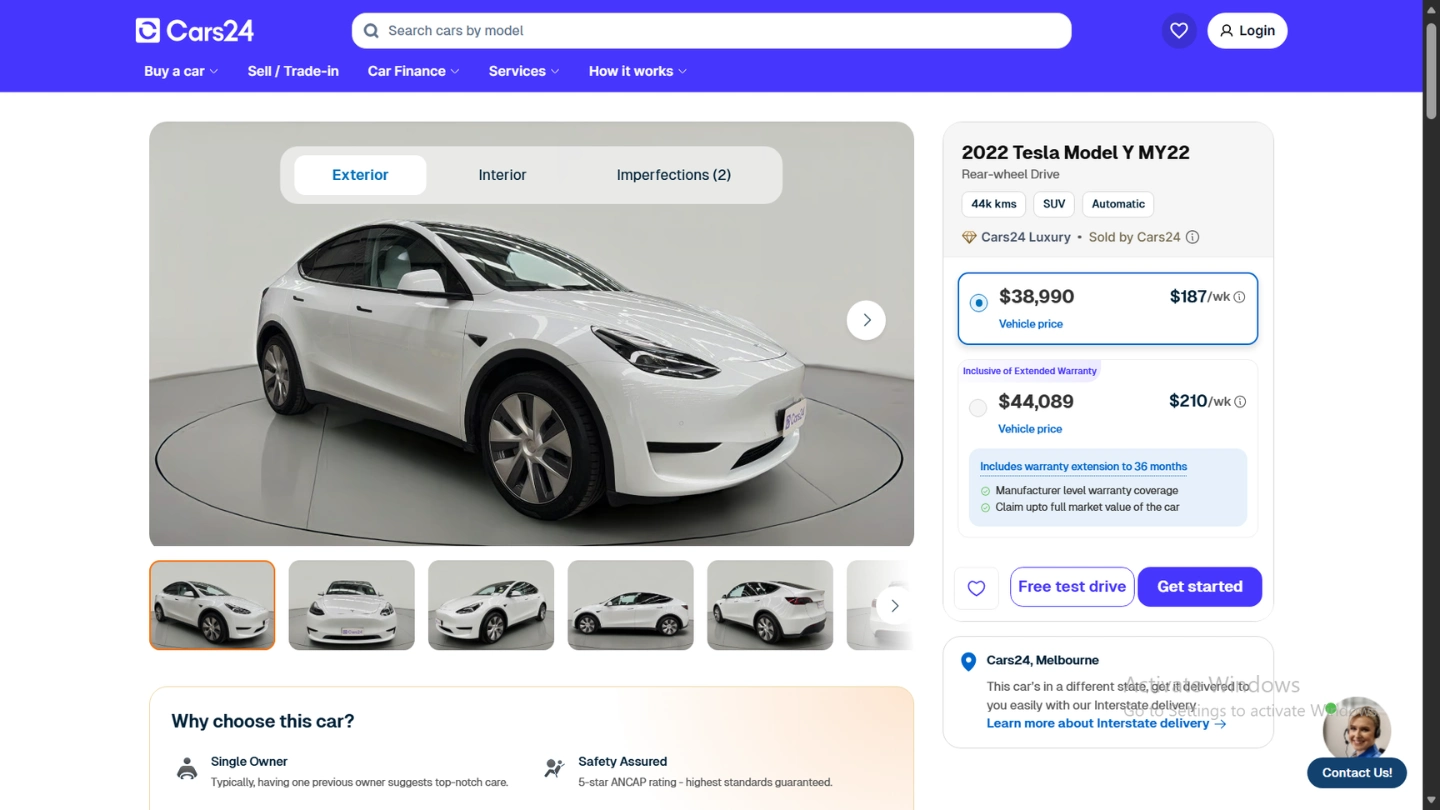
NVES does not directly regulate or penalise used cars, as its rules only apply to new vehicles. A recent trend of an increase in the prices of high-quality, pre-NVES second-hand combustion vehicles has been observed by industry bodies like the AADA (Australian Automotive Dealer Association). And this year, in 2026, we are also seeing a wave of used EVs, especially relatively new, ex-lease electric vehicles.
Five to ten years down the track, you will see more and more electrified used cars, as they move through their initial ownership cycles.
Considering buying an EV or a hybrid, but have a limited car budget? Explore these used electric and hybrid cars, thoroughly inspected with advanced quality checks and offered with a 30-day return policy.
FAQs
1. Will Australia’s new EV rules bump up car prices?
Yes for traditional heavy vehicles, but no for hybrids and EVs. Car brands are lifting prices on high-emitting models like large diesel utes, V8s, and large petrol SUVs to cover emissions penalties. Conversely, rules are forcing fierce price wars on electric cars, driving new EV entry prices below $19,990.
2. Is it worth buying an electric car in 2026?
Yes, if you want the lowest running costs and drive frequently in a city, especially if you can charge at home.
3. Should I buy a diesel car in 2026 in Australia?
Only if you regularly tow heavy loads or drive really long distances in regional areas. Traditional diesels face a shrinking market as brands substitute them with PHEVs, new diesel entry prices are rising, and pure diesel resale values face higher long-term uncertainty.
4. What will happen to petrol cars after 2030 in Australia?
They will remain legal to drive and buy used, but new pure-petrol options will be rare because emissions targets tighten drastically by 2030. Almost every brand-new petrol car sold in showrooms may feature a hybrid engine to stay under legal fleet limits by then.
5. What happens to EVs after 8 years?
EVs being sold now will outlive their standard manufacturer warranty, but many will continue running efficiently, and as EV-related technology advancements continue, you may also see ultra-fast-charging EVs with longer range and long-lasting batteries.
Comments
New Comment