




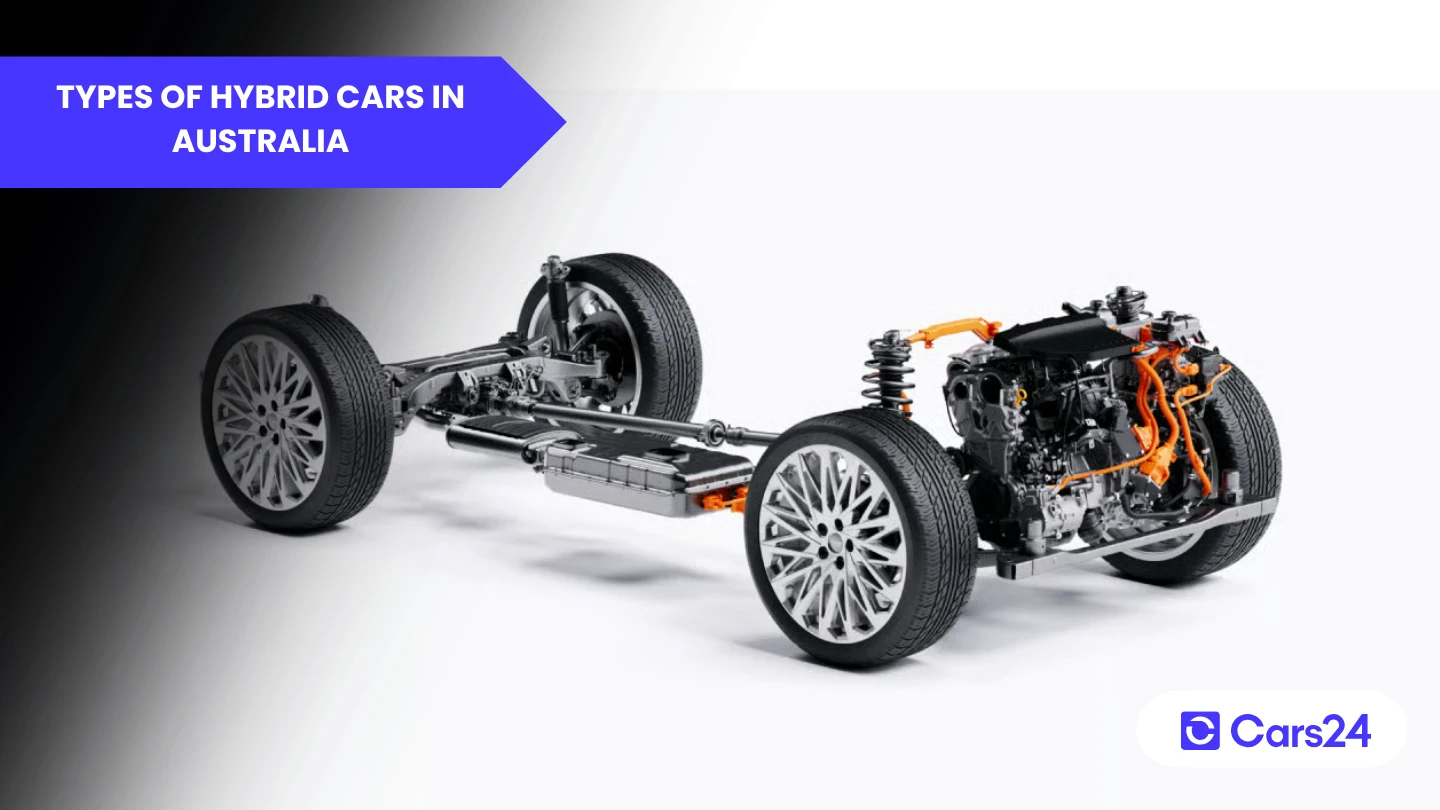
MHEV, HEV, PHEV and EREV – these terms sound like alphabet soup to a person out there buying a hybrid car for the first time. Behind the acronyms, they are just electrified cars using different systems to combine petrol engines and electric motors to drive the wheels.
Some recharge without a plug, while others let you charge the battery from home, and some drive further on electric power without plugging in; the maintenance and running costs vary with the hybrid type, too.
Here, we help you make sense of these hybrid systems without learning automotive engineering, and make your decision-making process a little easier by breaking down the most common types of hybrid cars sold in Australia and how they operate and listing their car examples.
Most common types of hybrid cars in Australia
You will mainly see three distinct hybrid systems when you go out there to buy a hybrid car in Australia: Conventional plug-less hybrids or HEVs, plug-in hybrids or PHEVs, and mild-hybrids or MHEVs. There are other types too with complex mechanical systems, but most manufacturers focus on these three types to balance cost, charging infrastructure and emission laws.
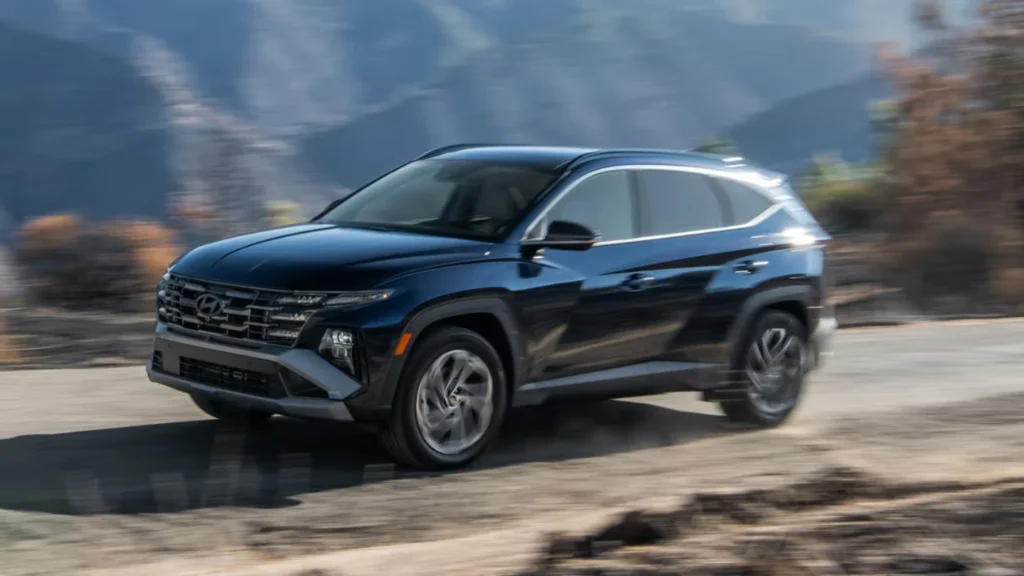
And out of these three kinds of hybrid cars, conventional plug-less hybrids, or HEVs, sell the most. According to the data compiled by the Australian Automobile Association (AAA) and the Federal Chamber of Automotive Industries (FCAI), HEVs captured 17.55% of the entire Australian new car market in the second quarter of 2026 alone.
More buyers buy HEVs because they feel just like the petrol ones, but with more fuel savings; you don’t need to install a home-charging setup, and they usually carry the lowest premium among all hybrid car types.
Conventional plug-less hybrids – HEVs
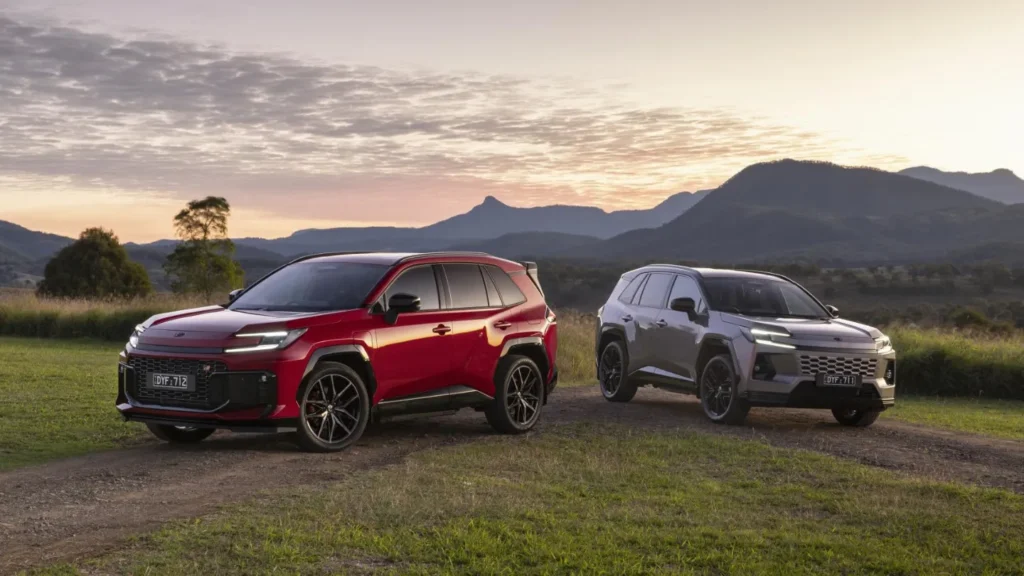
A plugless hybrid commonly uses a petrol engine and an electric motor powered by a compact, high-voltage battery pack, typically 1–2 kWh, to run, and they operate as an automated ecosystem to keep your fuel usage as low as possible without you ever plugging the car into a wall.
These electrified cars use two mechanical configurations to drive the wheels: a series-parallel drivetrain and regenerative braking. The drivetrain smartly decides whether to use electric motors, the engine, or both simultaneously and regenerative braking slows the car down while charging the hybrid battery in the process.
Toyota is the pioneer of this technology, but brands like Hyundai, Kia, and Honda have also engineered great modern alternatives.
Toyota RAV4 Hybrid is the best-selling hybrid car overall and is also a plugless hybrid, and other HEVs commonly seen on roads are the Hyundai Tucson Hybrid, Kia Sportage Hybrid, and Honda Civic e:HEV hatch.
And it’s also not surprising to find used Toyota Camry and Toyota Corolla Hybrid running on your commute, and when you go 7-seat, Toyota Prius V resales well too.
Readers also asked: What are the Petrol vs. Hybrid vs. EV running costs for Aussies?
Plug-in hybrids – PHEVs
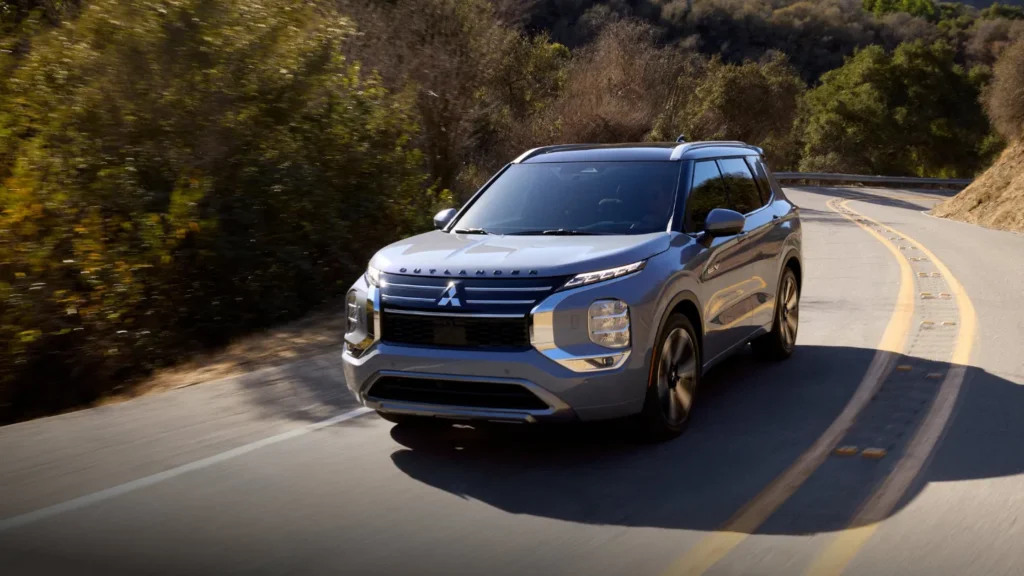
You go for a PHEV when you want your car to drive like an EV for short commutes and don’t wanna rely on juicing up your car en route to long drives on the highways. Plug-in hybrids have a much larger high-voltage battery pack, up to 30 kWh, paired with a powerful electric motor and a petrol engine.
Think of the main driving states to understand how they work: pure EV driving and parallel/series hybrid driving. When you start with a fully charged battery, the vehicle acts like a pure electric vehicle. The car runs on electric power alone for about 50 to 100 km, and when the battery indicator goes below 20% or lower, it shifts into a conventional plugless kind of hybrid mode.
Your initial cost goes up a bit with PHEVs because you need a dedicated charger unit if you want fast charging or to use public chargers, but if you mainly do short commutes, you save significantly on petrol as it runs like an EV, then.
The mid-size BYD Sealion 6 is the current sales disruptor among PHEVs in 2026, followed closely by the Mitsubishi Outlander PHEV, which popularised the PHEV segment Down Under. Dual-cab BYD Shark 6 PHEV also shook the ute market.
And if you are going for a used PHEV, you will easily spot an Outlander PHEV, Volvo XC60 T8 Twin Engine / Recharge, or Hyundai Ioniq PHEV among the most recommended ones, but the second-hand market is increasingly filled with Chinese PHEVs too.
Mild-hybrids – MHEVs
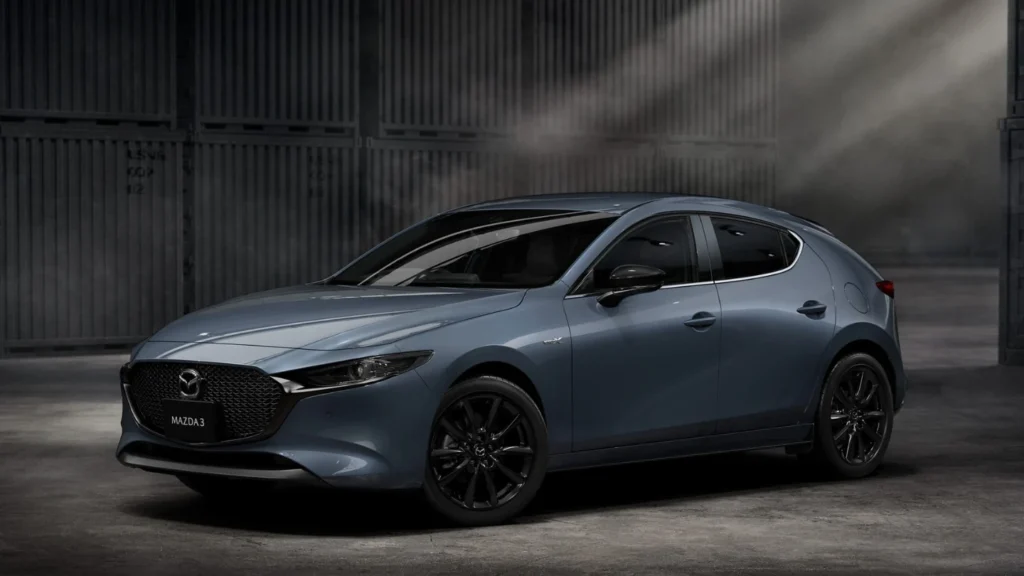
A mild hybrid vehicle is the least complex form of car electrification out there, and cars fitted with this system usually cannot drive on electric power alone. The vehicle runs mainly on engine power and relies on a tiny battery pack, typically 48V but also 12-volt or 24-volt systems, and an electric component called an Integrated Starter Generator (ISG) or Belt-Driven Starter Generator (BSG) to just boost the engine.
The ISG takes the heavy initial strain off the petrol engine when you start to drive a car, which is when it normally burns the most fuel, and the 48V battery takes over when you are coasting. The small battery gets charged up when you cruise or brake by the ISG.
The popular examples of MHEVs here are the Volvo XC60 / XC90 B5 or B6 and Mazda CX-30 / Mazda 3 G20e or e-Skyactiv in new cars, while used car buyers know well about a Subaru Forester e-Boxer hybrid or Suzuki Swift Series 2 models.
You don’t expect huge fuel savings like other hybrids, but the mild-hybrid cars offer a smoother, quieter, and more responsive ride around town.
Readers also asked: How many years can a hybrid car battery endure?
What is a series hybrid mechanism?
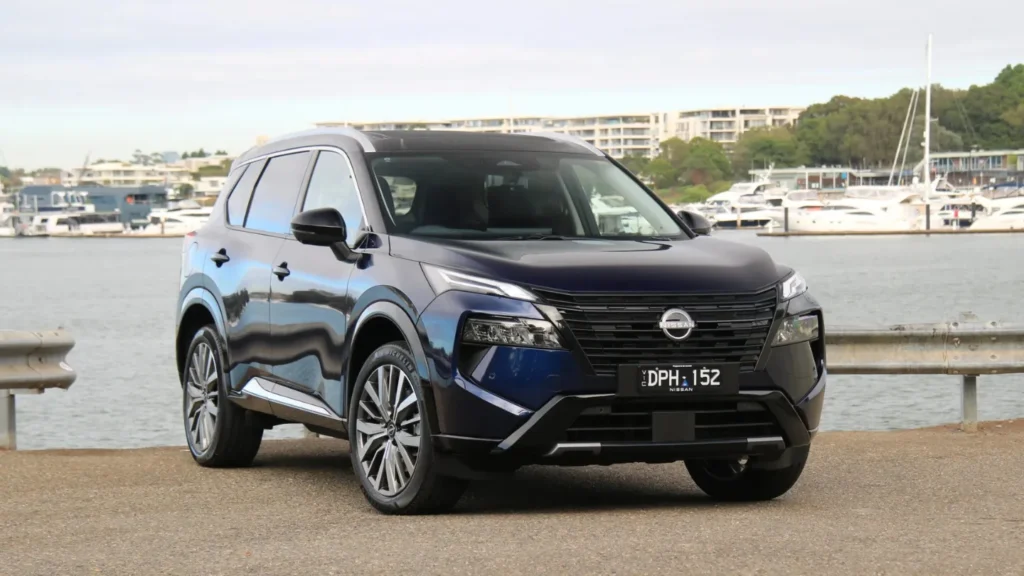
You would consider a series hybrid a specific mechanical drivetrain layout rather than a standalone type of hybrid car, and it’s easy to find them in both HEVs and PHEVs.
In this engineering mechanism, the petrol engine has zero connection to the wheels, and 100% of the power comes from the electric motor while the engine acts only as an electrical generator, powering the motor and charging the small battery.
So, a car with a series hybrid mechanism drives like an EV – you get instantaneous torque, zero gear shifts, and regenerative braking, but you pull into fuel stations to fuel up just like traditional ICE cars.
Nissan X-Trail e-Power, Nissan Qashqai e-Power, Honda CR-V e:HEV, and Honda Accord e:HEV are all driven by a series hybrid setup.
Readers also asked: What are the best SUV hybrid cars?
Range extender hybrid cars
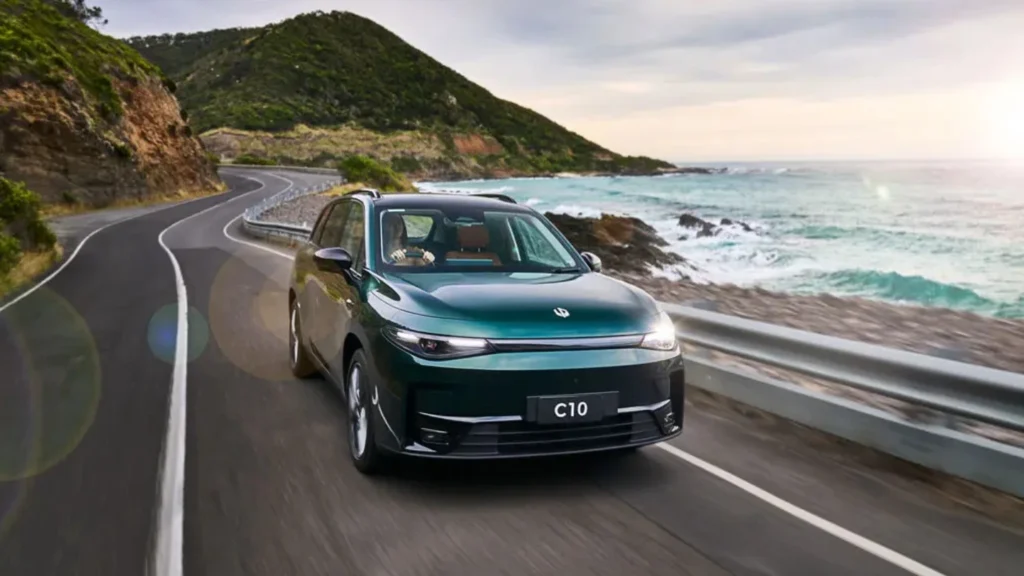
An Extended-Range Electric Vehicle (EREV) or Range Extender (REx) is technically a type of plug-in hybrid car, but marketing teams and engineers often treat them as an independent category to draw a clear line between them and traditional hybrids.
These cars have a drivetrain the same as that of pure electric vehicles, and they also carry a high-capacity battery pack, often 30 kWh to 40+ kWh in capacity, which gives a range of up to 300km or slightly more. The catch here is that it also comes fitted with a compact petrol engine, which acts solely as a power generator, just like in a series mechanism.
You plug in EREVs initially just like PHEVs or EVs, but you don’t need to worry about stopping to plug it in again when the battery juice runs out because the engine feeds electricity into the electric motor and battery.
Not surprisingly, you would easily find Chinese EREVs climbing up the sales chart in Australia, driven by vehicles such as the BYD Shark 6, BYD Sealion 6, Leapmotor C10 EREV, Deepal L07, and Deepal S07.
Cars24 Australia says
Buy a self-charging hybrid (HEV), not a plug-in (PHEV), if you don’t want to install a fast home charger and have a long commute because HEVs are simpler, cheaper to service, and sip fuel without the plug-in anxiety. If you’re on a tighter budget, consider highly reliable plugless hybrid powertrains like those in a used Toyota RAV4 or Camry Hybrid. Chinese hybrids are flashy, cheap, and offer more for a lower price, but their resale value and spare parts availability are still behind established marques.
FAQs about types of hybrid cars
1. What are the four types of hybrid cars?
The four most common types of hybrid cars in Australia are Mild Hybrid or MHEVs, conventional plug-less hybrids or HEVs, and extended-range electric vehicles (EREVs).
2. Which hybrid car type is best?
Conventional plug-less hybrids (HEVs) are the best sellers in Australia, and they are more affordable, require no charging lifestyle changes, and slash city fuel bills.
3. What is the difference between an MHEV and a PHEV?
MHEVs or mild-hybrid cars have tiny batteries, cannot drive on pure electricity, and never plug in; they simply smooth out the petrol engine’s stop-start system. PHEVs or plug-in hybrid cars have large batteries, must be plugged into a wall to charge, and can drive fully on silent electric power for dozens of kilometres.
4. What is the best hybrid car in Australia?
The best hybrid car for you depends on your budget and specific requirements, but the Toyota RAV4 Hybrid, BYD Sealion 6 and Nissan X-Trail e-Power are some of the top-selling hybrid cars.
Comments
New Comment