




Trade-in value remains one of the most important considerations for Australian ute buyers, particularly for those upgrading every few years or running vehicles as part of a business fleet. With strong competition in the dual-cab segment, not every ute holds its value equally well.
In 2026, resale performance is driven by a combination of brand reputation, reliability, fleet demand, and aftermarket support. Established nameplates from Toyota and Ford continue to set the benchmark, but newer entrants and value-focused alternatives are beginning to close the gap.
Importantly, strong trade-in offers are not just about initial purchase price. Vehicles that are easy to resell, widely trusted in regional Australia, and supported by strong dealer networks consistently outperform the rest.
Here are 10 used utes that continue to deliver strong trade-in value in Australia, and how they compare in today’s market.
Trade-in Value Leaders – Used Utes in Australia (2026)
| Model | Estimated resale (3 years) | Market demand | Trade-in strength |
| Toyota Hilux | 70-75% | Very high | Segment benchmark |
| Ford Ranger | 68-73% | Very high | Strong, especially high-spec |
| Isuzu D-Max | 65-70% | High | Consistently strong |
| Mazda BT-50 | 63-68% | High | Close to D-Max |
| Mitsubishi Triton | 60-65% | High (fleet) | Strong for price |
| Volkswagen Amarok | 60-66% | Medium-high | Improving (new gen) |
| BYD Shark 6 | 60-65% | Emerging | Promising early signs |
| Nissan Navara | 58-63% | Medium | Mid-pack |
| GWM Cannon Ute | 55-60% | Growing | Below segment leaders |
| LDV T60 | 50-55% | Moderate | Lower resale |
Toyota Hilux
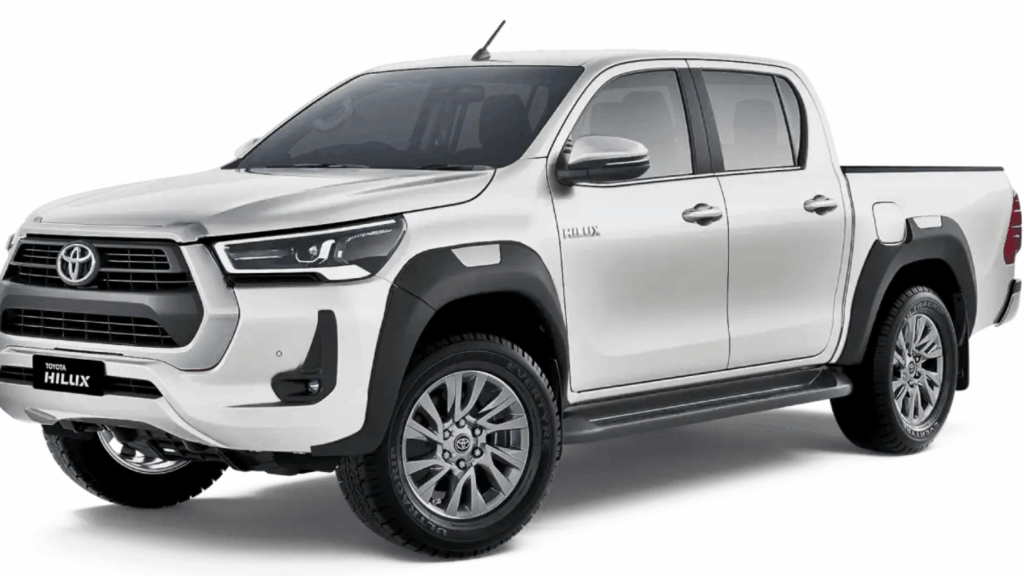
The Toyota Hilux remains the benchmark for resale in Australia, consistently commanding some of the strongest trade-in offers across the ute segment. Its reputation for long-term durability and widespread use across mining, agriculture, and fleet sectors ensures constant demand in the used market.
Compared to rivals like the Ford Ranger and Isuzu D-Max, the Hilux typically trades at a premium, particularly for well-maintained 4×4 dual-cab variants. While it may lack the refinement and technology of newer competitors, its proven reliability and unmatched parts availability keep depreciation low.
For buyers, this means paying slightly more upfront compared to alternatives like the Mitsubishi Triton or GWM Cannon, but recovering more at trade-in time. Few utes offer the same balance of trust, demand, and resale security.
Estimated resale value: Retains around 70–75% of its value after 3 years, among the strongest in the segment.
Read more: Top 5 best value used cars in Australia in 2026
Ford Ranger
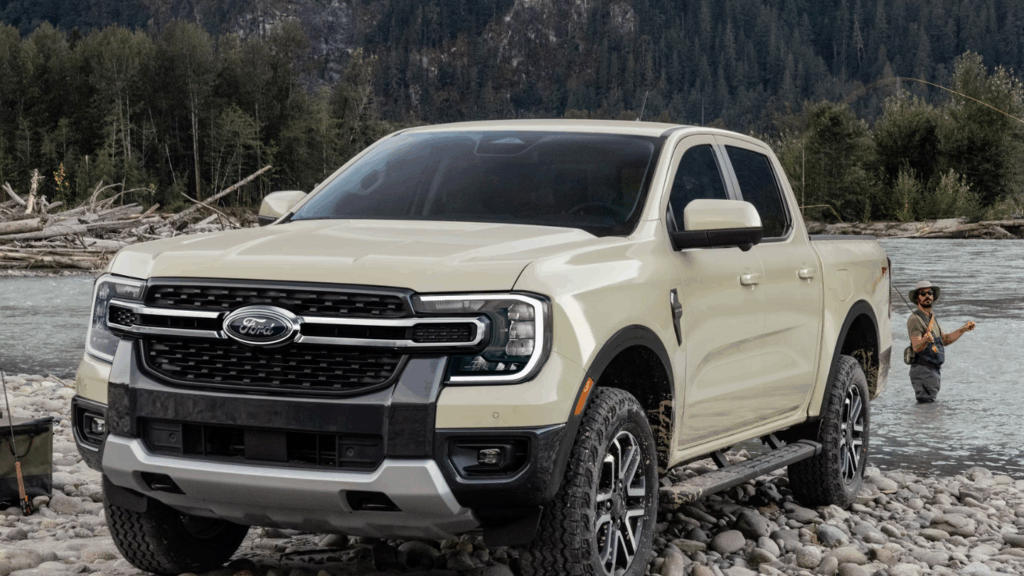
The Ford Ranger has evolved into one of the strongest performers for resale, driven largely by its position as Australia’s top-selling vehicle. High demand across both private and fleet buyers ensures strong trade-in offers, particularly for Wildtrak and Raptor variants.
Compared to the Hilux, the Ranger offers greater refinement, more advanced technology, and stronger towing capability, which broadens its appeal in the used market. This wider buyer base helps sustain resale values over time.
While it may depreciate slightly faster than the Hilux in base trims, higher-spec Rangers often outperform rivals like the Navara and Amarok at trade-in. For buyers prioritising comfort and capability without sacrificing resale, the Ranger remains one of the most balanced choices.
Estimated resale value: Retains approximately 68–73% after 3 years, with high-spec variants performing best.
Isuzu D-Max
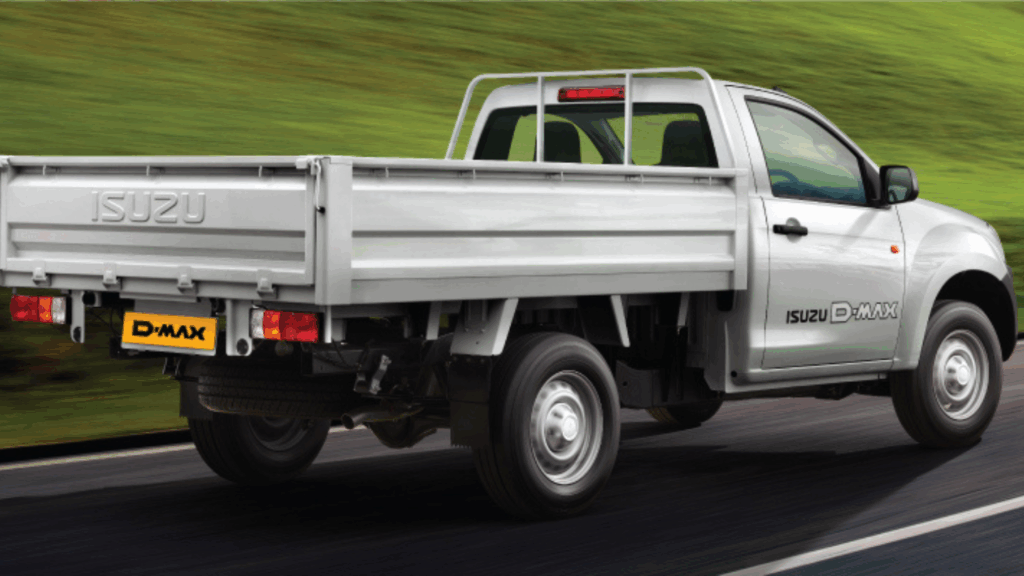
The Isuzu D-Max has built a reputation as a dependable, no-nonsense workhorse, and this translates directly into strong trade-in value. Its appeal lies in durability, simple engineering, and relatively low running costs.
In comparison to the Hilux and Ranger, the D-Max may not command quite the same resale premiums, but it consistently outperforms value-focused rivals like the LDV T60 and GWM Cannon. Fleet buyers and regional users continue to favour it, ensuring steady demand in the used market.
For buyers, the D-Max represents a smart middle ground, often cheaper to purchase than a Hilux or Ranger, yet capable of delivering similarly strong trade-in outcomes over time. It remains one of the most reliable resale performers outside the top two.
Estimated resale value: Holds roughly 65–70% of its value after 3 years, driven by fleet demand.
Read more: Best used family cars in Australia for reliability
Mazda BT-50
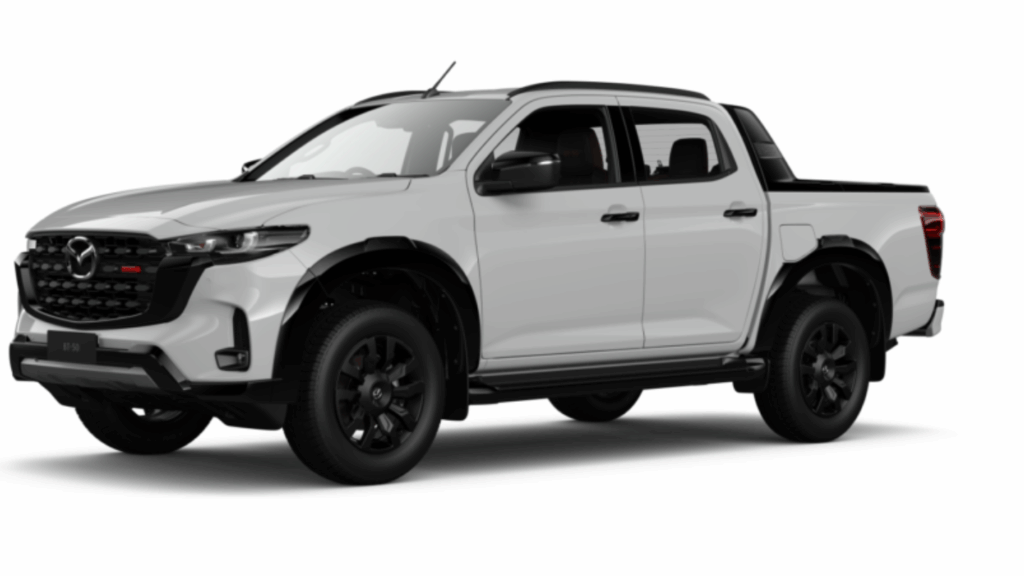
Closely related to the Isuzu D-Max, the Mazda BT-50 benefits from shared mechanicals, which underpin its strong reliability and resale performance. However, it differentiates itself with a more refined interior and a slightly more lifestyle-oriented appeal.
In the used market, the BT-50 generally tracks closely with the D-Max for trade-in value, though it can lag slightly in fleet-heavy regions where Isuzu’s reputation is stronger. It still comfortably outperforms alternatives like the Navara and Amarok in terms of consistent resale demand.
For buyers weighing D-Max versus BT-50, the choice often comes down to preference rather than value retention, as both deliver similarly strong trade-in outcomes relative to their purchase price.
Estimated resale value: Retains around 63–68% after 3 years, closely tracking the D-Max.
Mitsubishi Triton
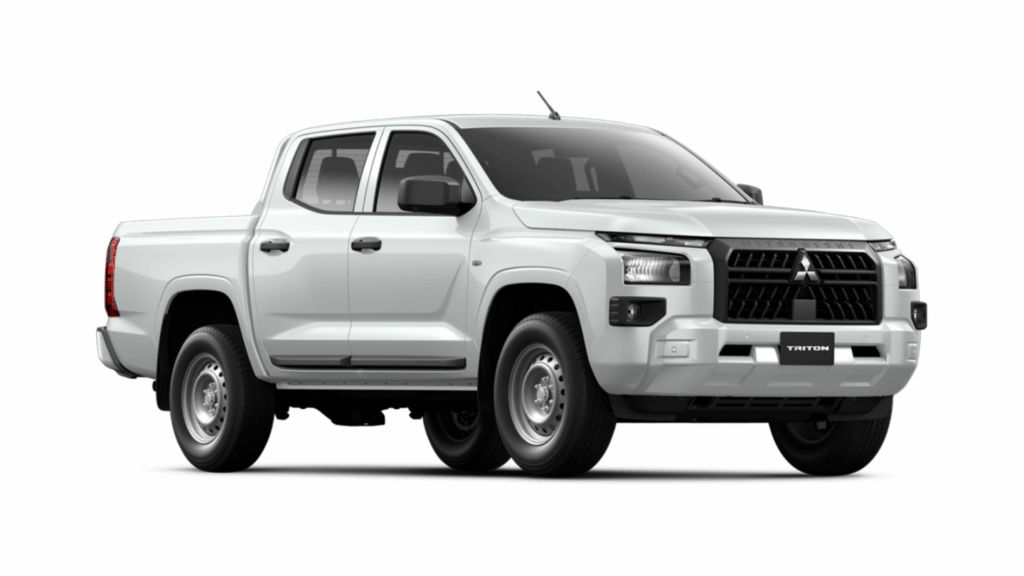
The Mitsubishi Triton has traditionally been a value-driven option, but recent updates have improved both its capability and resale performance. While it doesn’t match the Hilux or Ranger for outright trade-in strength, it holds value better than its lower price point might suggest.
Compared to the Nissan Navara, the Triton often benefits from stronger brand perception and broader fleet adoption, which supports resale demand. However, it still trails the D-Max and BT-50 in long-term value retention.
For buyers, the Triton’s appeal lies in its lower entry price combined with reasonable trade-in returns. It’s a pragmatic choice, especially for those who prioritise upfront savings while still retaining acceptable resale strength down the line.
Estimated resale value: Holds approximately 60–65% after 3 years, strong relative to its lower purchase price.
Nissan Navara
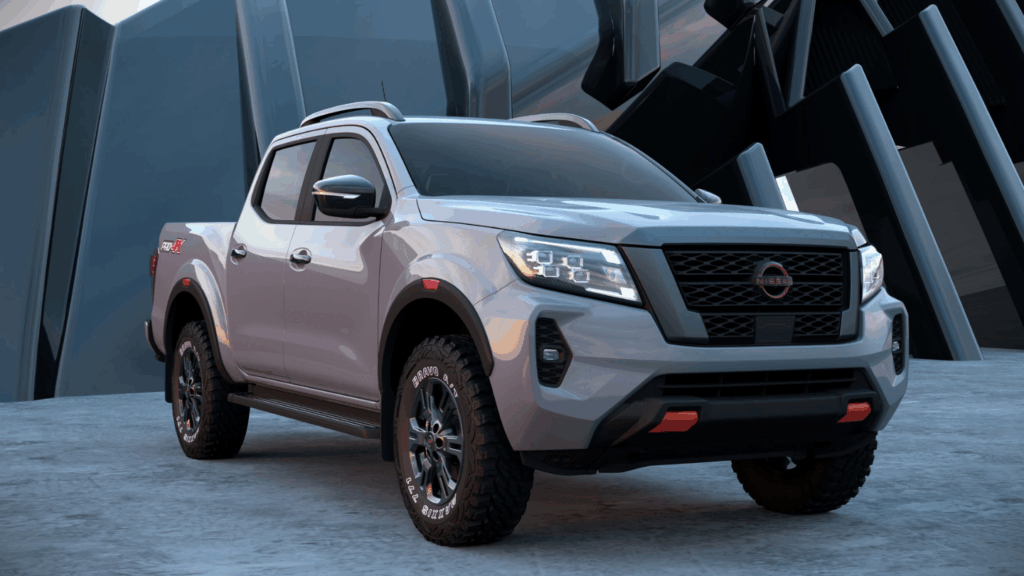
The Nissan Navara offers a balanced package, but its resale performance sits in the middle of the segment. It doesn’t command the same trade-in strength as the Hilux, Ranger, or D-Max, yet remains competitive due to steady demand for dual-cab 4×4 variants.
Compared to the Triton, the Nissan Navara often delivers similar or slightly weaker trade-in outcomes, depending on condition and specification. However, it tends to outperform lower-cost entrants like the LDV T60.
For buyers, the Navara represents a reasonable compromise typically more affordable than class leaders while still maintaining respectable resale value. It’s not a segment benchmark, but it remains a dependable choice for those balancing upfront cost and long-term value.
Estimated resale value: Retains around 58–63% after 3 years, mid-pack for the segment.
Volkswagen Amarok
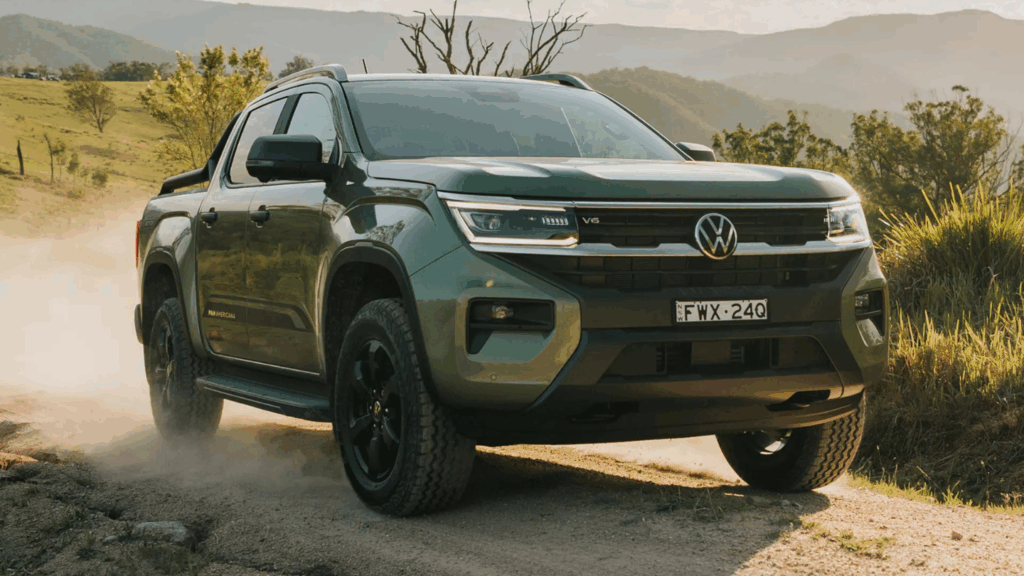
The Volkswagen Amarok occupies a more premium position in the ute segment, which influences its trade-in performance. Earlier models saw steeper depreciation, but newer-generation versions closely related to the Ranger have significantly improved resale strength.
Compared to the Ranger, the Amarok typically commands slightly lower trade-in offers, but benefits from strong appeal among buyers seeking a more refined, European-flavoured ute experience.
While it doesn’t match the Hilux or Ranger for sheer resale dominance, it generally outperforms value-focused utes like the Cannon and T60. For buyers, the Volkswagen Amarok offers a blend of comfort and capability, with improving trade-in prospects in newer models.
Estimated resale value: Holds roughly 60–66% after 3 years, improving with newer models.
Read more: Top 10 most reliable cars in Australia
BYD Shark 6
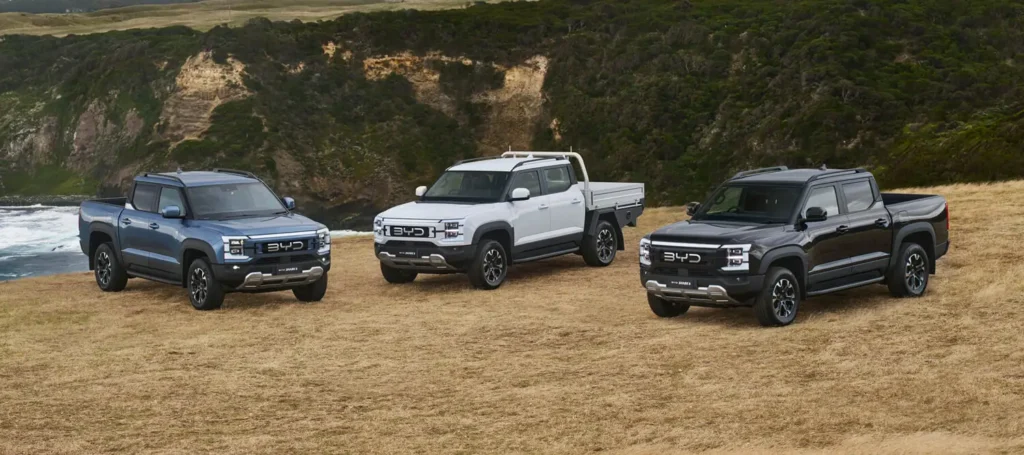
As a newer entrant, the BYD Shark 6 presents an interesting case for trade-in value. Early demand for its plug-in hybrid technology has been strong, which is beginning to support resale performance in the used market.
Compared to traditional diesel rivals, its long-term value retention remains less certain, but initial indications suggest it may outperform other new-market entrants like the T60. It still sits below established leaders such as the Ranger and Hilux in trade-in confidence.
For buyers, the Shark 6 offers future-focused appeal with potentially improving resale prospects. However, as with any new model, its long-term trade-in strength will depend on sustained demand and market acceptance over time.
Estimated resale value: Early estimates suggest 60–65% after 3 years, though long-term data is still evolving.
GWM Cannon Ute
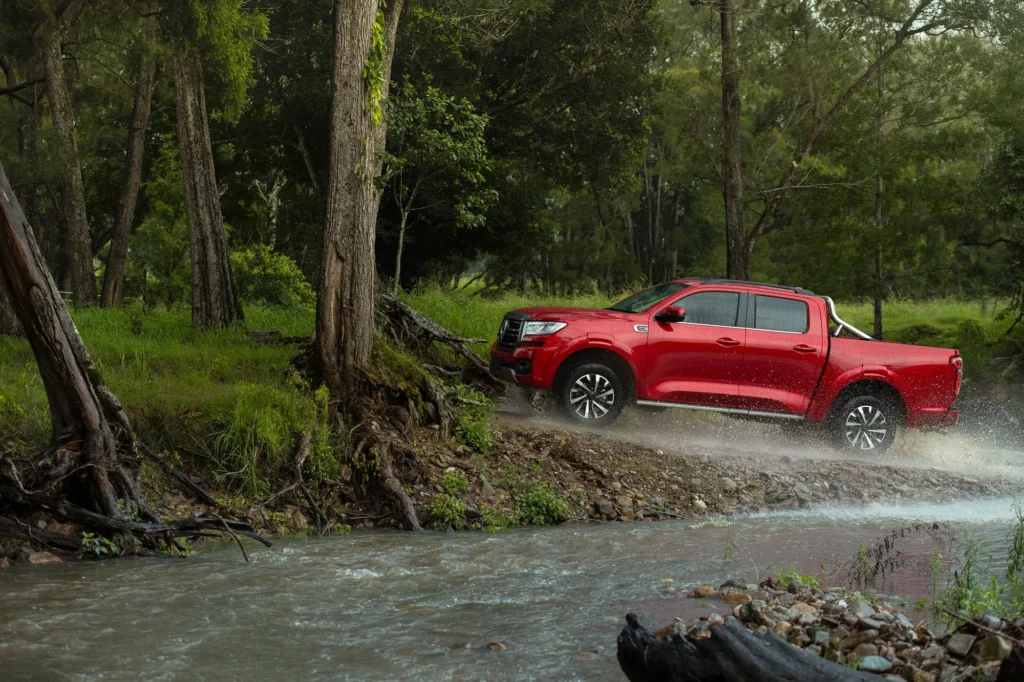
The GWM Cannon has made significant strides in the Australian market, offering strong value and a long warranty. However, its trade-in performance still trails established rivals due to shorter brand history and lower used-market demand.
Compared to the Triton or Navara, the Cannon typically delivers weaker resale outcomes, although its lower purchase price helps offset this. It competes more directly with the LDV T60, where it often holds a slight advantage in perceived quality and demand.
For buyers, the Cannon can still make sense financially, particularly if the initial saving is substantial. However, those prioritising long-term trade-in value may find stronger alternatives among Japanese rivals.
Estimated resale value: Retains approximately 55–60% after 3 years, competitive for its price point.
Read more: Top 5 best value used electric cars in Australia in 2026
LDV T60
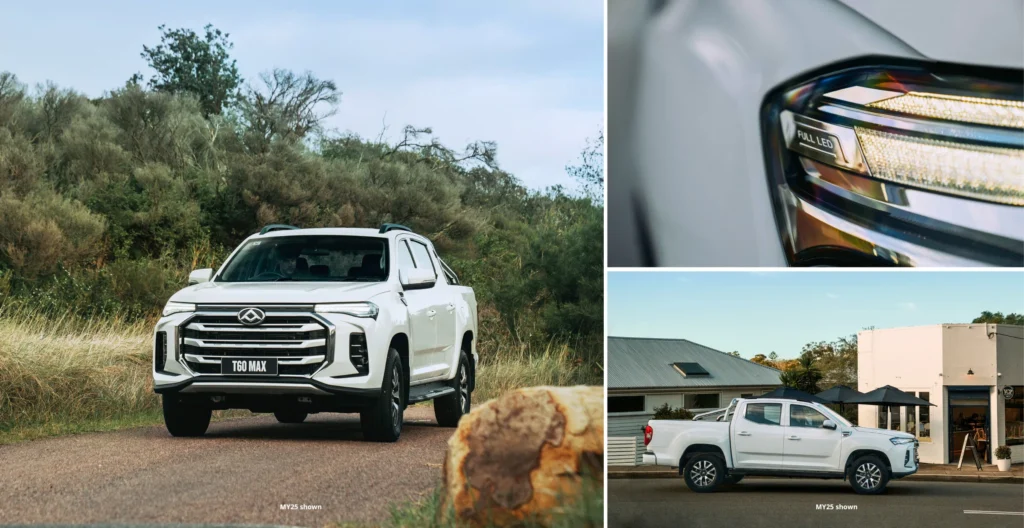
The LDV T60 is one of the most affordable utes on the market, but this comes with a trade-off in resale strength. Used-market demand remains relatively limited compared to mainstream competitors, resulting in lower trade-in offers.
When compared with the GWM Cannon, the T60 typically lags slightly in resale performance, and it falls well behind segment leaders like the Hilux and Ranger. However, its low upfront cost remains its key advantage.
For buyers, the T60 is best suited to those planning longer ownership periods, where depreciation is less of a concern. As a short-term ownership proposition, it struggles to match the stronger trade-in credentials of more established nameplates.
Estimated resale value: Holds around 50–55% after 3 years, reflecting lower used-market demand.
Final thoughts
Trade-in value in Australia’s ute market continues to be dominated by proven performers like the Toyota Hilux and Ford Ranger, with the Isuzu D-Max and Mazda BT-50 close behind. These models benefit from strong demand, trusted reliability, and extensive dealer networks.
Value-focused options such as the Triton, Navara, and Amarok offer a balanced approach, while newer or budget-oriented utes like the Cannon and T60 require more careful consideration from a resale perspective.
For buyers, the key takeaway is clear: paying more upfront for a proven nameplate often results in stronger returns at trade-in. In a segment where demand remains consistently high, choosing the right ute can make a significant difference to long-term ownership costs.

Comments
New Comment