




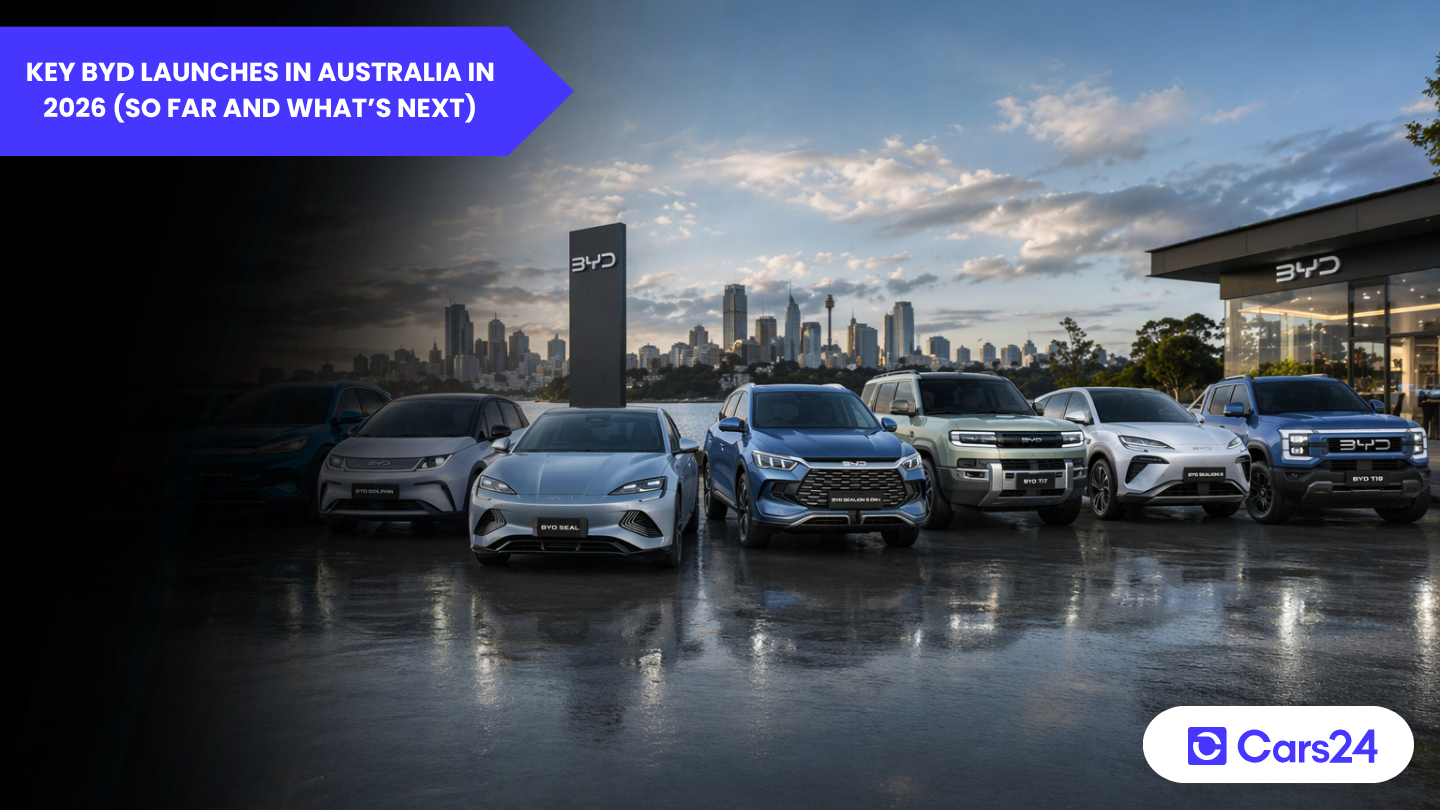
BYD is entering a pivotal growth phase in Australia in 2026, with a clear strategy to cover multiple price points and vehicle segments. From budget-friendly EVs to family-oriented plug-in hybrid SUVs and even a dual-cab ute, the brand is aiming to position itself as a mainstream alternative to traditional automakers.
Here’s a closer look at the key BYD models launched so far this year, along with what’s expected next. This list also includes upcoming Denza models, BYD’s premium sub-brand, as the brand expands into higher-end segments.
BYD Atto 1 – Launched
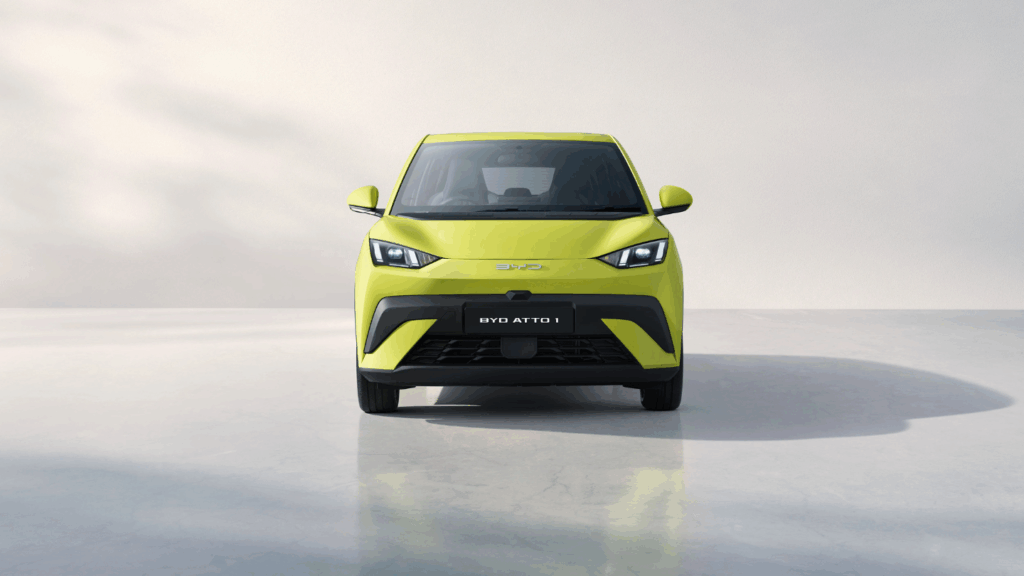
Aimed squarely at budget-conscious buyers, the Atto 1 marks BYD’s entry into the affordable EV space in Australia. Its aggressive pricing strategy positions it as one of the most accessible electric vehicles on the market, targeting urban commuters and first-time EV adopters.
Exterior design
The Atto 1 adopts a clean and compact design tailored for city use, with a simple front fascia, slim LED lighting elements, and a practical hatchback silhouette. Its proportions emphasise manoeuvrability, making it well-suited to tight urban environments.
Interior and tech
Inside, the cabin focuses on usability with a minimalist layout. Expect a central infotainment display, digital driver instrumentation, and smartphone connectivity features, alongside essential safety tech to meet everyday driving needs.
Performance specs
While positioned as an entry-level EV, the Atto 1 prioritises efficiency over outright performance, delivering adequate power for city driving and short commutes.
| Specifications | BYD Atto 1 Essential | BYD Atto 1 Premium |
| Battery capacity | 30kWh | 43.2kWh |
| Power | 65kW | 115kW |
| Torque | 180Nm | 310Nm |
| Acceleration(0-100km/h) | 12.3 seconds | 9.1 seconds |
| Drivetrain | Front-wheel drive | Front-wheel drive |
| Range (WLTP) | 220km | 322km |
BYD Sealion 5 PHEV – Launched
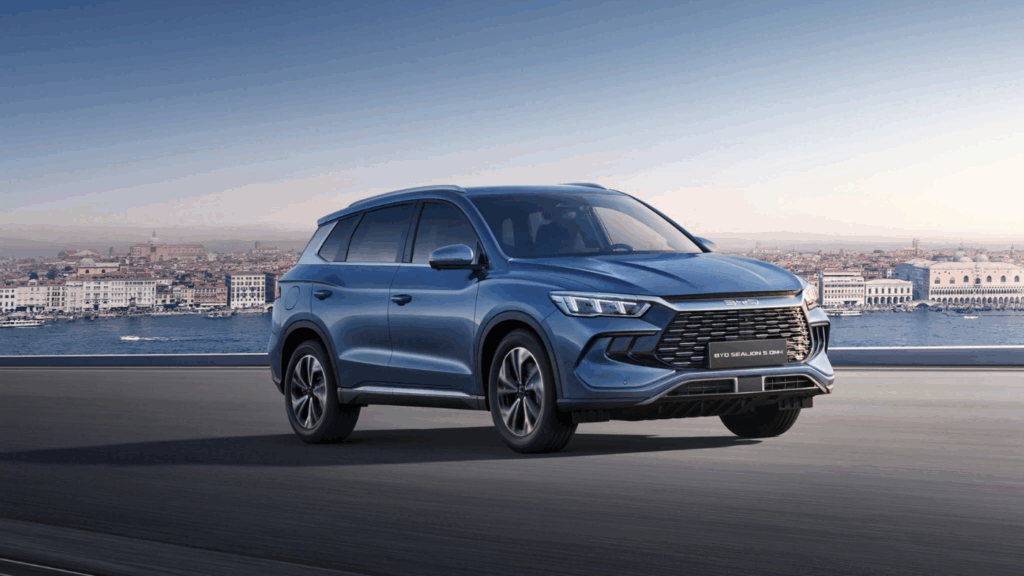
The Sealion 5 represents BYD’s push into the affordable plug-in hybrid SUV segment, offering a balance between electric efficiency and long-distance usability.
Exterior design
The Sealion 5 features a contemporary SUV design with a bold front grille, sculpted body lines, and LED lighting signatures. Its proportions strike a balance between urban practicality and road presence.
Interior and tech
The cabin is expected to deliver a tech-focused experience with a large infotainment screen, digital instrument cluster, and connected car features. Comfort and practicality remain key priorities, especially for families.
Performance specs
Powered by a plug-in hybrid system, the Sealion 5 offers the flexibility of electric-only driving for short trips while retaining petrol support for longer journeys.
| Specifications | BYD Sealion 5 PHEV |
| Engine | 1.5L petrol + plug-in hybrid |
| Battery capacity | 12.96kWh |
| Combined power | 145kW |
| Combined torque | 300Nm |
| Drivetrain | FWD |
| Fuel efficiency | 1.2L/100km |
| Top Speed | 180km/h |
| Electric range | 71km |
BYD Shark 6 Cab Chassis – Launched
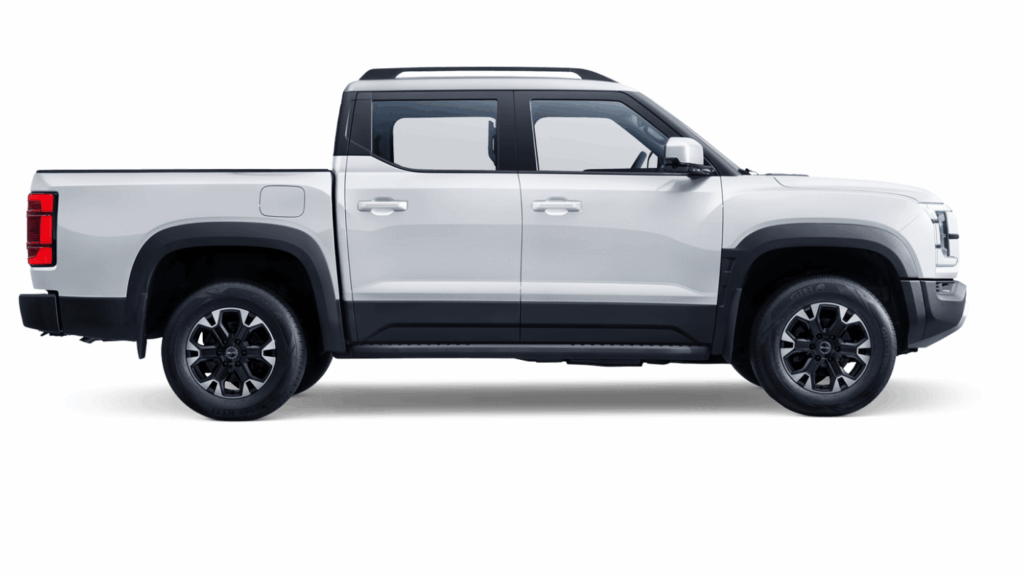
BYD’s entry into the highly competitive ute segment comes in the form of the Shark 6, targeting buyers seeking both utility and electrified efficiency.
Exterior design
The Shark 6 adopts a rugged, upright stance with a prominent grille, muscular wheel arches, and a durable tray design suited to both work and lifestyle use.
Interior and tech
Inside, the Shark 6 blends practicality with modern tech, offering a large touchscreen, digital displays, and advanced safety systems, making it competitive with established dual-cab rivals.
Performance specs
Its plug-in hybrid setup is designed to deliver strong torque for towing and off-road use while improving fuel efficiency compared to traditional diesel utes.
| Specifications | BYD Shark 6 Cab Chassis |
| Engine | 1.5L turbo-petrol +dual motor PHEV |
| Combined power | 321kW |
| Combined torque | 650Nm |
| Acceleration(0-100km/h) | 5.7 seconds |
| Drivetrain | AWD |
| Fuel efficiency | 7.9L/100km (combined) |
| Electric Range (WLTP) | 70-80km |
BYD Sealion 8 – Launched
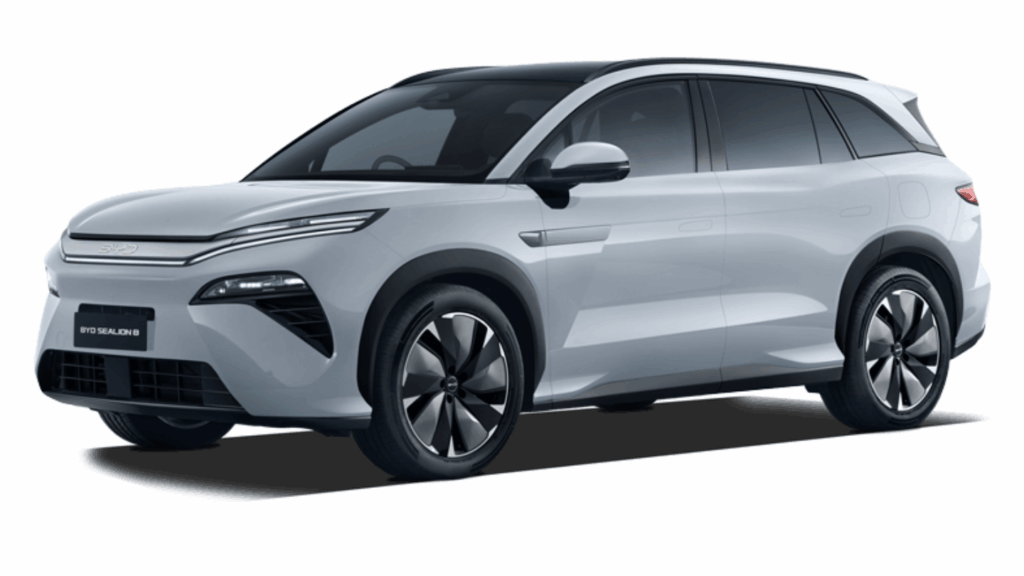
The Sealion 8 expands BYD’s SUV lineup into the large, three-row segment, catering to families needing additional space and flexibility.
Exterior design
The Sealion 8 features a more substantial road presence, with a wide stance, sleek LED lighting, and a refined SUV profile that aligns with its flagship positioning.
Interior and tech
Inside, the focus is on space and comfort, with three rows of seating, a large infotainment system, and premium materials aimed at family buyers.
Performance specs
Like other models in the Sealion range, it uses a plug-in hybrid system designed to offer both efficiency and long-distance capability.
| Specifications | BYD Sealion 8 |
| Engine | 1.5L turbo-petrol + PHEV system |
| Battery capacity | 35.6kWh |
| Combined power | 359kW |
| Combined torque | 675Nm |
| Drivetrain | AWD |
| Electric range (WLTP) | Up to 129km |
What’s coming next?
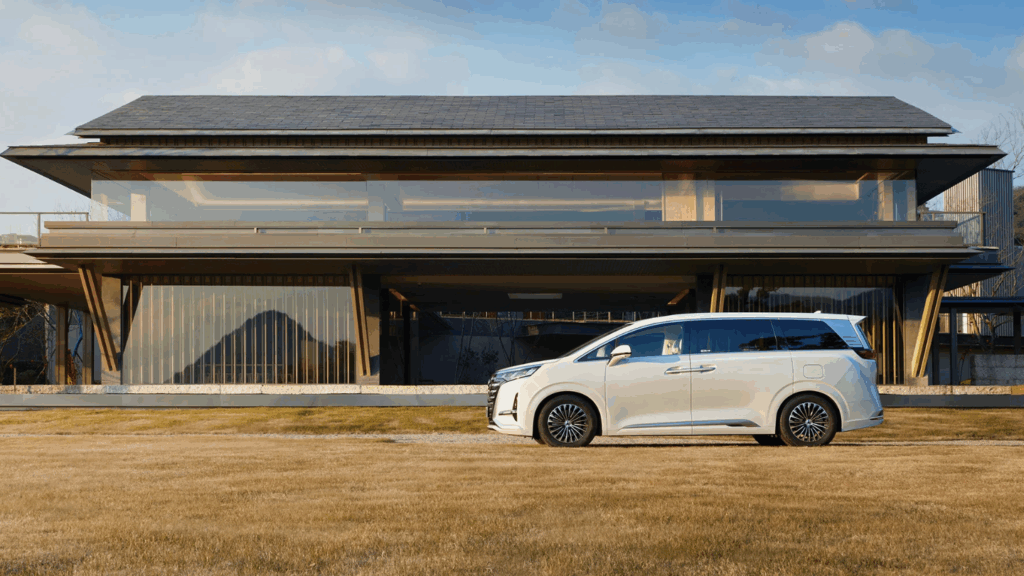
Denza D9 – Coming soon
Exterior design
The Denza D9 adopts a bold MPV stance with a large grille, chrome detailing, and a long wheelbase designed to maximise interior space. Its upright proportions and premium styling cues position it as a luxury people mover rather than a traditional family van.
Interior and tech
Inside, the D9 focuses heavily on comfort, offering lounge-style seating, large infotainment displays, and high-end materials. Second-row captain seats and extensive connectivity features make it appealing for both private buyers and chauffeur-driven use.
Performance specs
The electric version uses a large battery pack delivering up to around 480–520km range (WLTP), while more powerful variants can produce over 400kW in dual-motor setups.
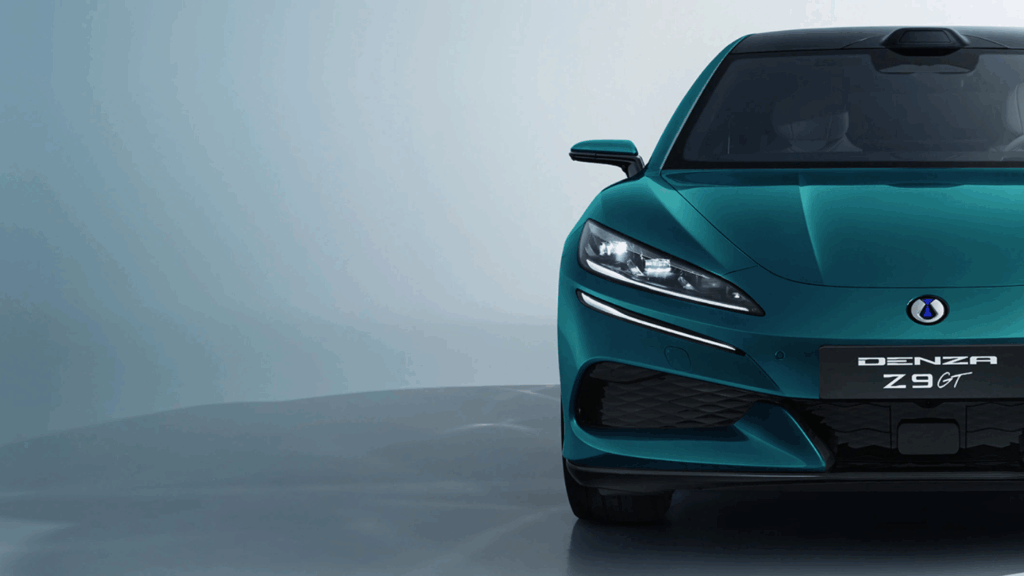
Denza Z9 GT – Coming soon
Exterior design
The Z9 GT stands out with its low-slung shooting brake silhouette, combining sedan and wagon styling with aggressive aerodynamic detailing. Its long body and wide stance give it a strong performance-oriented presence.
Interior and tech
The cabin is expected to feature a premium layout with large digital displays, advanced driver assistance systems, and high-quality materials aimed at luxury EV buyers.
Performance specs
This model is positioned as a flagship performance EV, offering up to 850kW output in tri-motor form and a driving range exceeding 1000km (CLTC), making it one of the longest-range EVs globally.
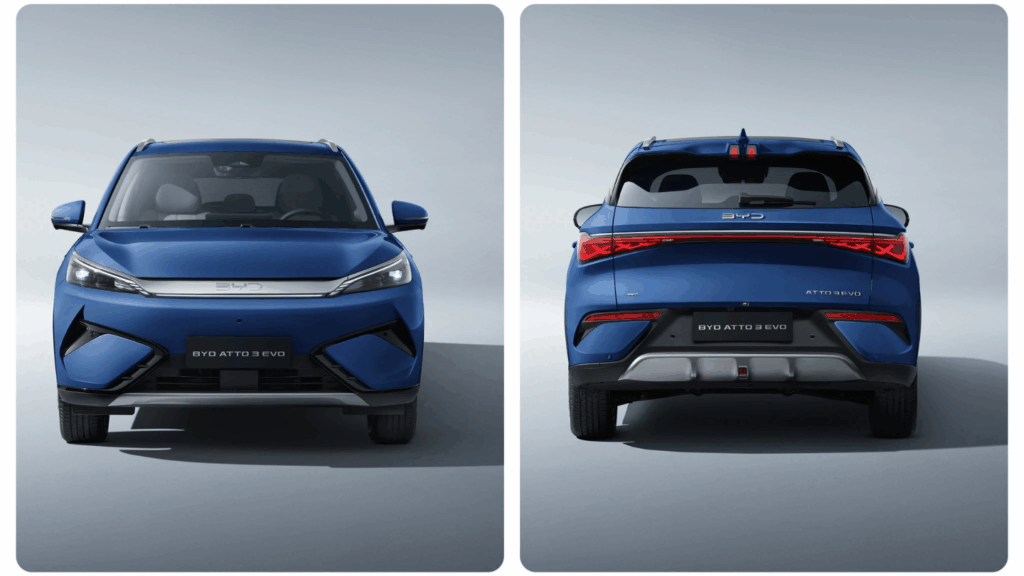
BYD Atto 3 RWD – Coming soon
Exterior design
The BYD Atto 3 RWD variant retains the familiar compact SUV styling with subtle refinements expected in wheels and trim. Its design continues to prioritise urban usability while maintaining a modern EV aesthetic.
Interior and tech
The cabin is likely to carry over BYD’s rotating infotainment display, digital driver interface, and connected features, making it one of the more tech-forward options in the small SUV segment.
Performance specs
Switching to a rear-wheel-drive setup is expected to improve driving dynamics and efficiency, offering a more engaging driving experience compared to the current front-wheel-drive configuration.
Denza N9 PHEV – Coming soon
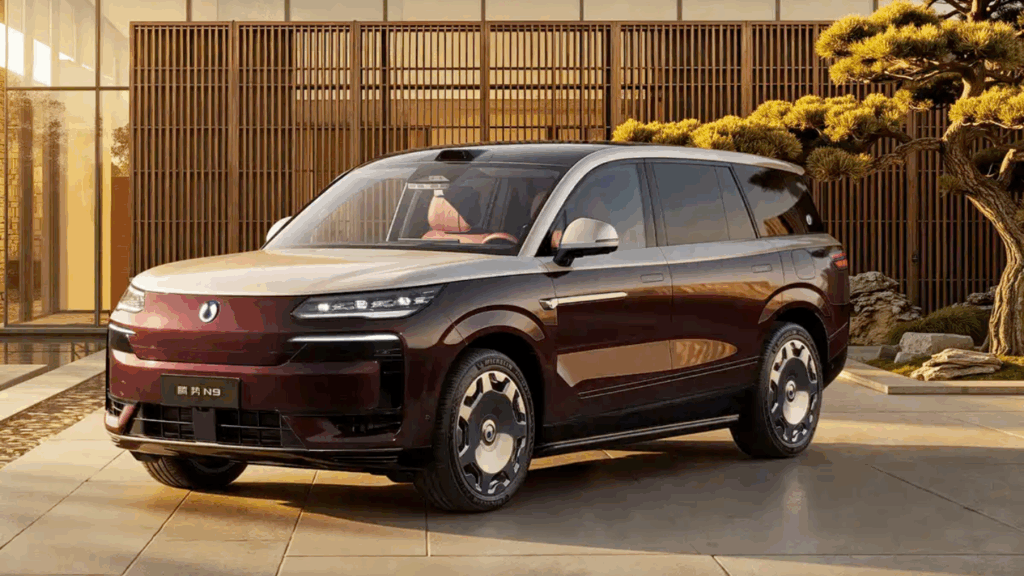
Exterior design
The Denza N9 is expected to feature a large SUV footprint with bold styling, including a wide grille, sleek LED lighting, and a premium design language aligned with Denza’s flagship positioning.
Interior and tech
Inside, it is likely to focus on luxury, offering multi-screen layouts, premium upholstery, and advanced driver assistance systems designed to compete with established premium SUV brands.
Performance specs
It will likely use a high-output plug-in hybrid system, delivering strong combined power and extended electric-only driving capability for daily commuting.
BYD M9 PHEV – Coming soon
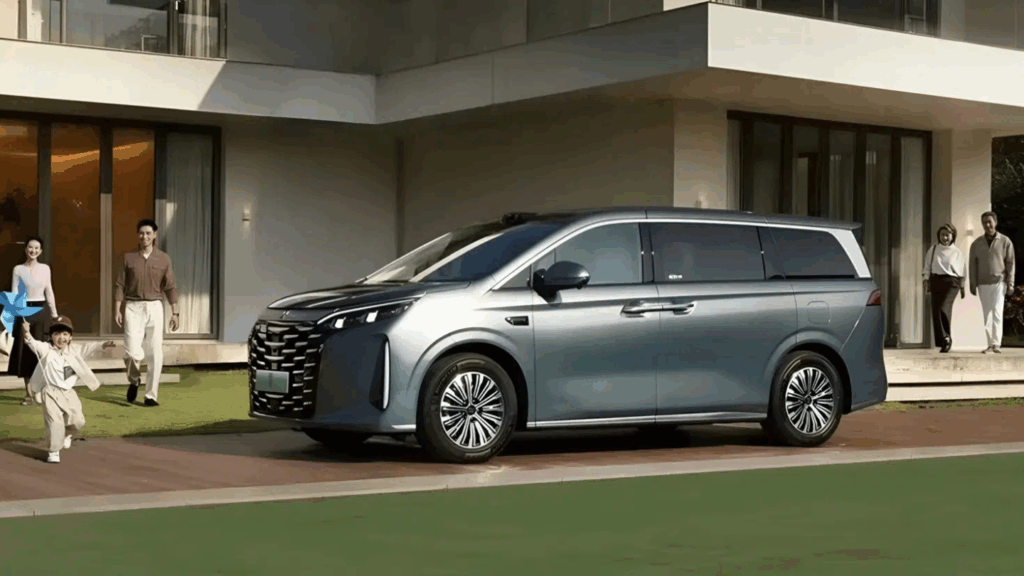
Exterior design
The BYD M9 is expected to adopt a practical MPV design with a focus on interior space, featuring sliding doors and a boxy silhouette to maximise passenger comfort.
Interior and tech
The cabin will likely prioritise flexibility, with configurable seating layouts, large infotainment displays, and family-focused features such as multiple USB ports and storage areas.
Performance specs
It is expected to use a high-output plug-in hybrid system, delivering strong combined power and extended electric-only driving capability for daily commuting.
BYD Ti7 PHEV – Coming soon
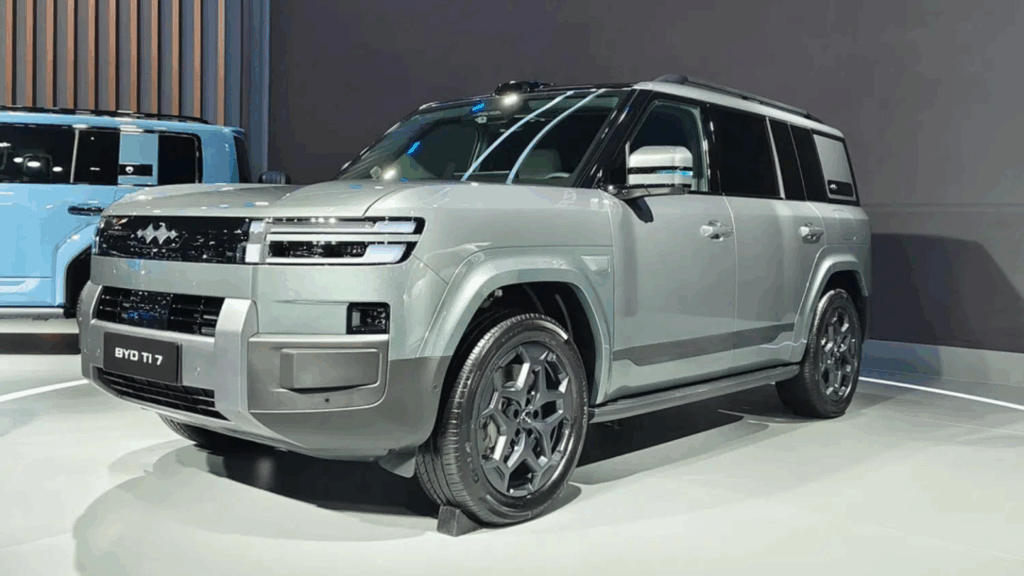
Exterior design
The BYD Ti7 is expected to sit in the mid-size SUV segment, featuring a modern design language with clean lines, LED lighting, and a balanced stance suited to urban and highway driving.
Interior and tech
It is likely to offer a well-equipped cabin with a focus on practicality, including digital displays, connectivity features, and a suite of safety technologies.
Performance specs
The plug-in hybrid powertrain is expected to prioritise efficiency, offering electric-only driving for daily use while maintaining petrol support for longer trips.
BYD Ti9 – Coming soon
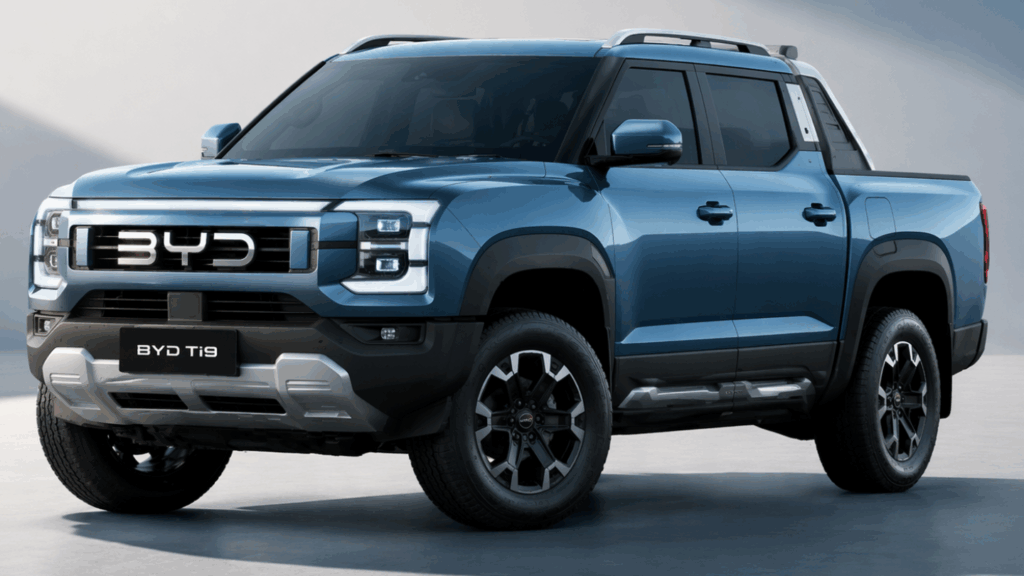
Exterior design
The BYD Ti9 is expected to be a larger SUV with a commanding road presence, featuring a wide stance and premium exterior detailing.
Interior and tech
Inside, the Ti9 is likely to offer three-row seating, a spacious cabin, and a technology-focused dashboard with multiple screens and advanced connectivity features.
Performance specs
While full details remain limited, the Ti9 is expected to feature electrified powertrains, potentially including plug-in hybrid options aimed at combining performance with efficiency.
BYD Australia 2026: A rapid expansion across EV and hybrid segments
BYD’s 2026 rollout highlights a clear shift from a niche EV player to a full-range automotive brand in Australia. With new launches like the BYD Atto 1 targeting entry-level buyers and models such as the BYD Sealion 8 catering to larger families, the brand is covering a wide spectrum of use cases.
At the same time, upcoming models including premium offerings under the Denza umbrella signal BYD’s ambition to move further upmarket while strengthening its presence in key segments like SUVs, MPVs, and utes.
For buyers, this means more choice than ever before, particularly in electrified vehicles, with options spanning affordable EVs, plug-in hybrids, and family-focused models. As more launches are confirmed through 2026, BYD is set to become an increasingly influential player in Australia’s transition towards electrified mobility.

Comments
New Comment