




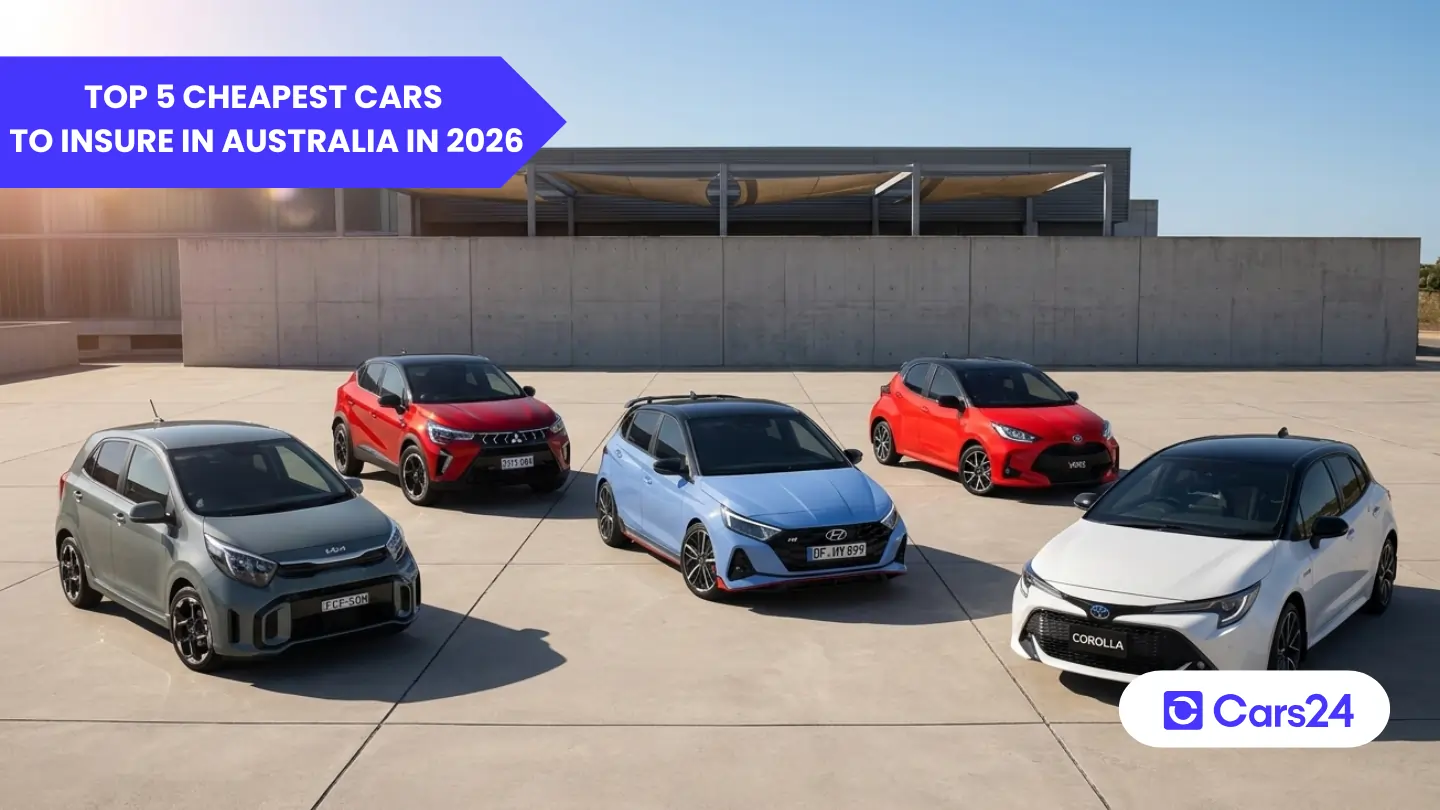
Buying an affordable car is only part of the overall ownership costs. Insurance premiums can quickly add to ongoing running costs, particularly for younger drivers, urban commuters, or buyers entering the market for the first time. In Australia, factors such as repair costs, safety technology, theft risk, and driver demographics all influence how much a vehicle costs to insure.
Interestingly, the cheapest cars to insure are not always the least expensive vehicles to buy. Models with strong reliability reputations, widespread parts availability, compact dimensions, and proven safety credentials often deliver lower premiums than larger or more performance-oriented alternatives.
For 2026, small hatchbacks continue to dominate the low-cost insurance category, though compact SUVs are also becoming increasingly competitive thanks to improved safety systems and mainstream popularity.
From city-focused hatchbacks to practical crossovers, here are 5 cars that stand out for keeping insurance costs manageable while still offering strong everyday usability.
Kia Picanto: Cheapest Overall Entry Point for Urban Drivers
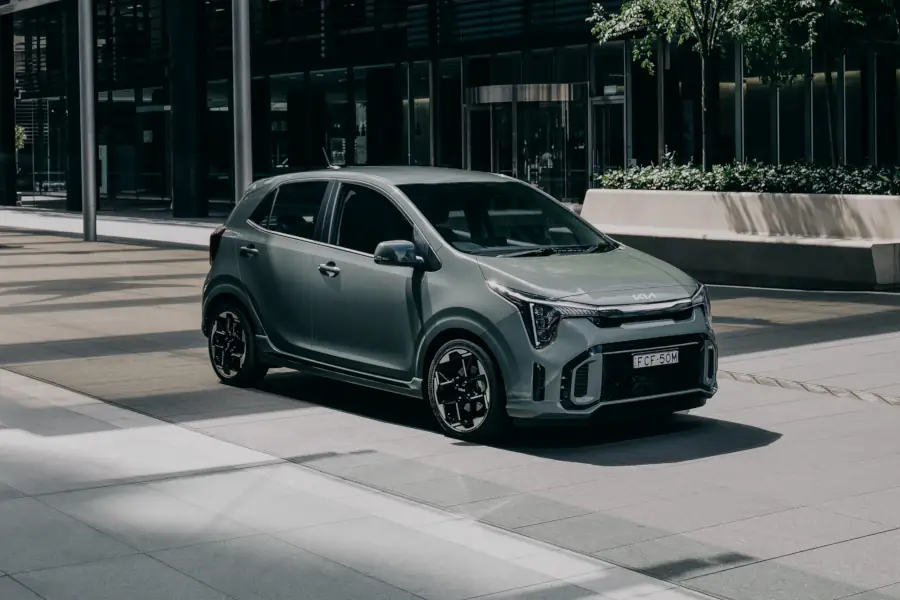


The Kia Picanto remains one of Australia’s most affordable cars to insure, with premiums typically ranging between $640 and $1,402 depending on driver profile and location. Its advantage comes largely from its compact size, low repair costs, and modest performance, making it particularly attractive for younger drivers and city commuters looking to minimise ownership expenses.
Compared to larger vehicles like the Mitsubishi ASX, the Picanto benefits from lower replacement part costs and reduced accident risk in urban environments. While it lacks the cabin space and highway refinement of some rivals here, it counters with outstanding manoeuvrability and low running costs overall.
The Picanto also holds an edge over older light cars like the Hyundai i20 by offering newer safety technology and a stronger warranty package, helping insurers view it as a lower-risk proposition for everyday use.
| Kia Picanto | |
| Insurance range | $640–$1,402 |
| Vehicle type | Light hatchback |
| Key strength | Extremely low running costs |
| Best suited for | City drivers and first-time buyers |
| Ownership highlight | Affordable insurance paired with low fuel usage |
Read more: 10 used utes in Australia with the strongest trade-in value
Toyota Yaris: Efficient and Consistently Low-Risk
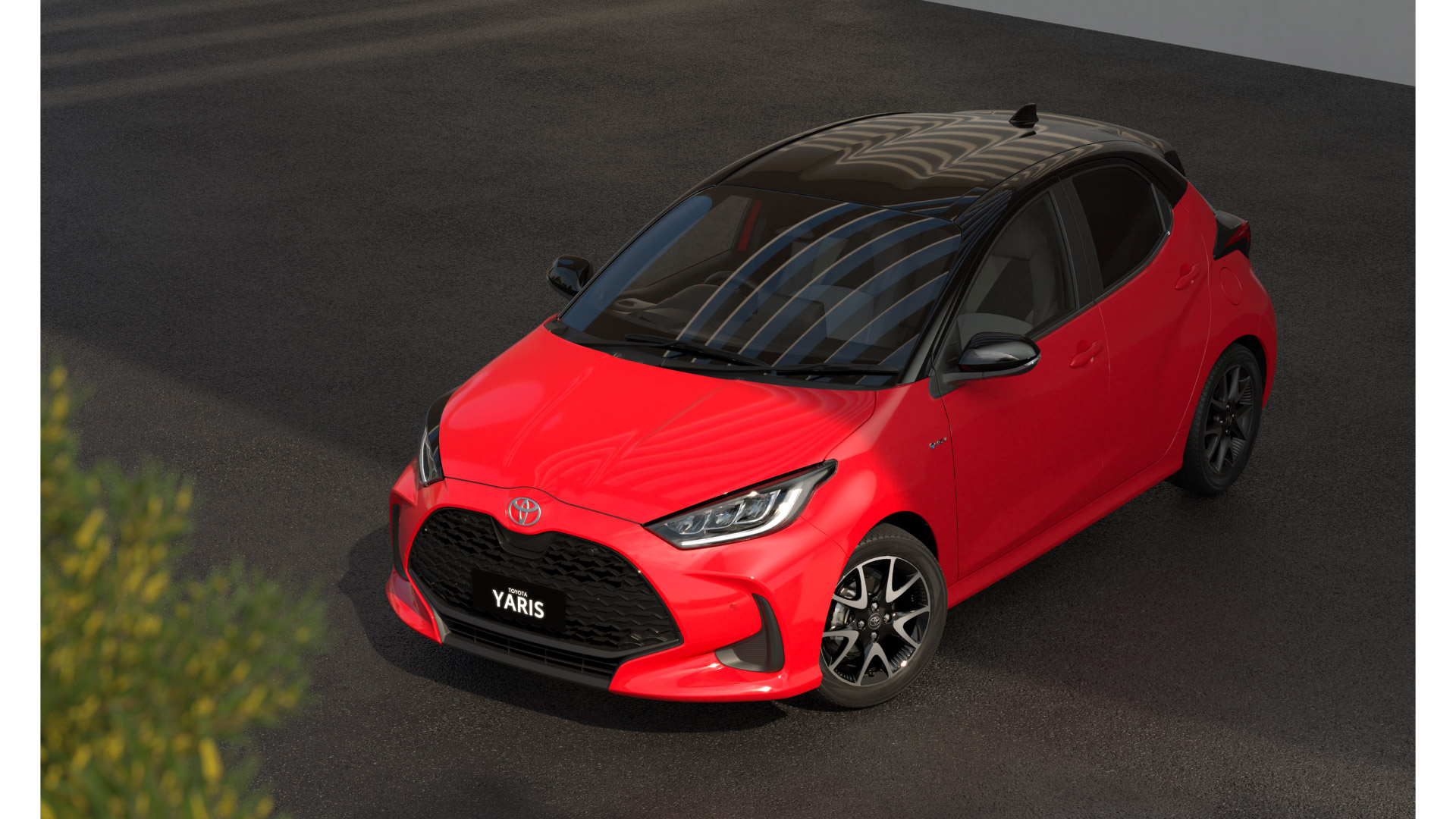
The Toyota Yaris continues to perform strongly when it comes to insurance affordability, with premiums generally sitting between $643 and $1,375. While marginally more expensive to insure than the Kia Picanto in some cases, the Yaris compensates with a stronger reputation for reliability, excellent fuel economy, and impressive safety credentials.
Compared to the Hyundai i20, the Yaris leans more heavily into efficiency and resale value rather than outright cabin practicality. Buyers choosing between the two may find the i20 slightly more spacious, but the Toyota often wins on long-term ownership confidence and lower depreciation.
Although buyers may pay slightly more upfront than they would for a Picanto, the Yaris balances its low insurance premiums with excellent resale value and long-term dependability. For drivers covering higher annual kilometres, it arguably delivers the most rounded ownership experience in this list.
| Toyota Yaris | |
| Insurance range | $643–$1,375 |
| Vehicle type | Compact hatchback |
| Key strength | Reliability and efficiency |
| Best suited for | Daily commuting and long-term ownership |
| Ownership highlight | Strong resale value with low insurance costs |
Read more: 10 most affordable hybrids in Australia in 2026
Toyota Corolla: The Benchmark for Affordable Ownership
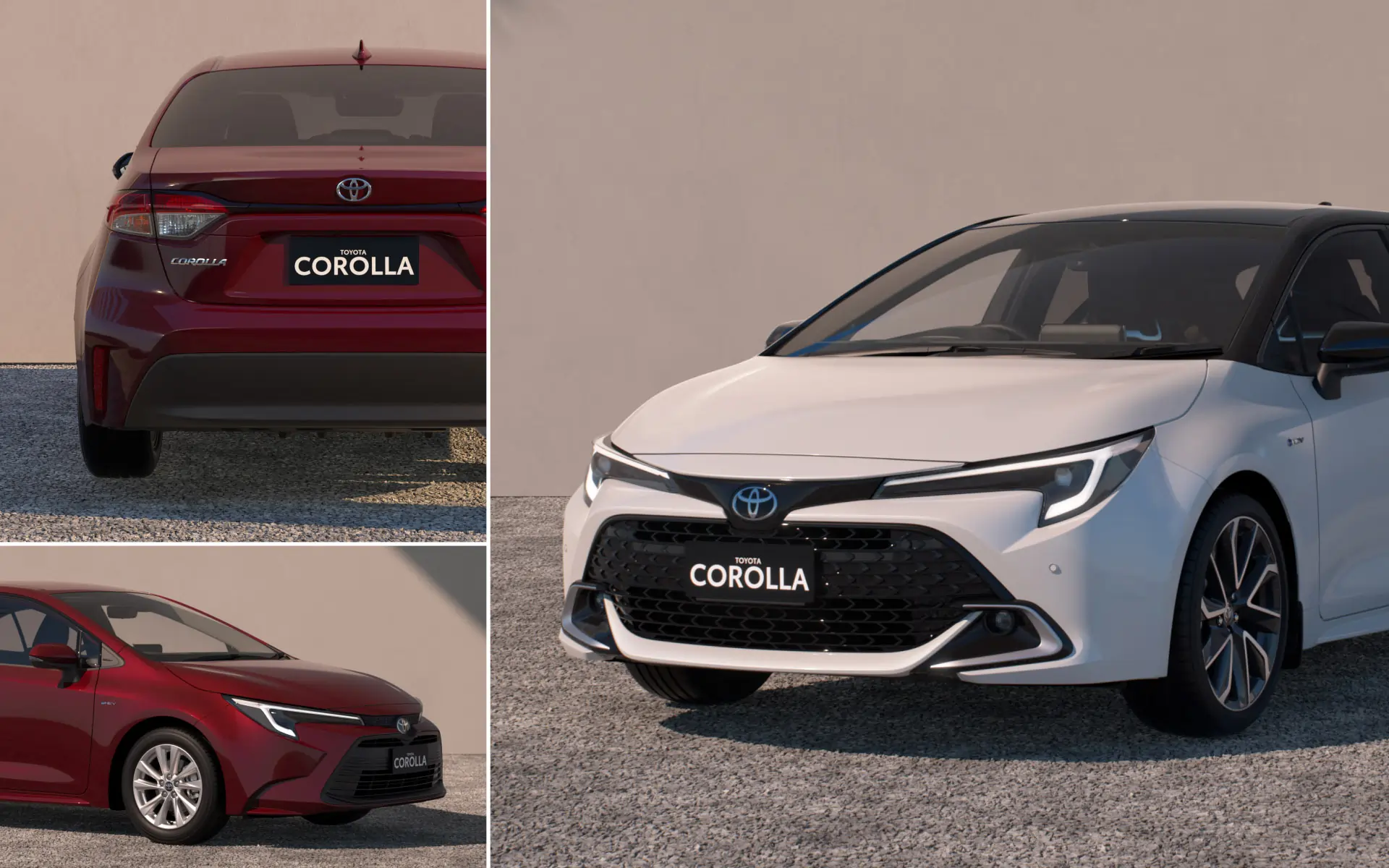
The Toyota Corolla stands out as one of the cheapest mainstream cars to insure in Australia, with premiums ranging from around $607 to $1,323. Despite sitting above the Yaris in size and market positioning, the Corolla often undercuts smaller rivals on insurance thanks to its outstanding reliability record and widespread parts availability.
Compared to the Kia Picanto and Hyundai i20, the Corolla feels noticeably more mature and refined, offering stronger comfort levels for long-distance driving while still maintaining relatively low ownership costs. It also benefits from Toyota’s extensive safety suite, which insurers tend to favour when calculating premiums.
Where the Corolla truly separates itself is in its balance. Unlike the Mitsubishi ASX, which prioritises SUV practicality, the Corolla keeps running costs impressively low without sacrificing comfort or technology. Hybrid variants further strengthen its appeal by delivering excellent fuel economy alongside predictable maintenance costs.
For many Australians, the Corolla remains the safest all-round choice in this category.
| Toyota Corolla | |
| Insurance range | $607–$1,323 |
| Vehicle type | Small hatchback/sedan |
| Key strength | Balanced affordability and refinement |
| Best suited for | Families and commuters |
| Ownership highlight | Proven reliability keeps premiums low |
Read more: Top 5 best value used electric cars in Australia in 2026
Hyundai i20: Affordable Hatchback with Balanced Ownership Costs
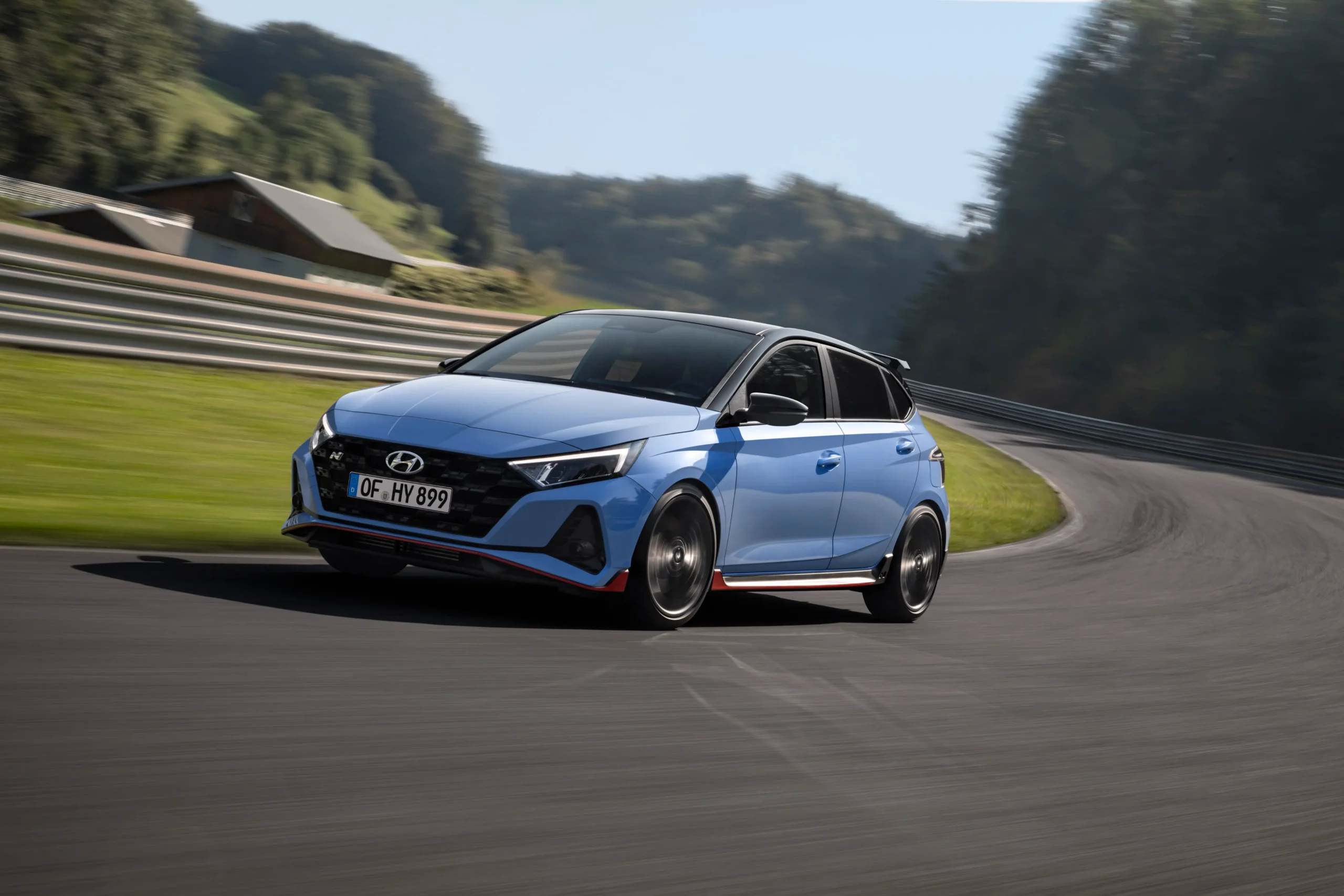
The Hyundai i20 sits slightly higher on the insurance scale, with premiums typically ranging from $650 to $1,463, though it remains one of the more affordable mainstream hatchbacks to cover. Its appeal lies in offering a more mature and refined driving experience than some cheaper city-focused alternatives.
Compared to the Kia Picanto, the i20 provides more cabin space, stronger highway comfort, and a more substantial on-road feel, though that added size can slightly increase insurance costs. Against the Toyota Yaris, the Hyundai often competes on value and equipment levels rather than outright efficiency.
One area where the i20 performs strongly is ownership balance. Hyundai’s growing reputation for reliability and its competitive warranty coverage help offset slightly higher premiums. Buyers wanting a small hatch that feels less entry-level without moving into expensive insurance territory may find the i20 strikes an appealing middle ground.
| Hyundai i20 | |
| Insurance range | $650–$1,463 |
| Vehicle type | Compact hatchback |
| Key strength | Balanced comfort and affordability |
| Best suited for | Drivers wanting a more refined small car |
| Ownership highlight | Affordable premiums with strong everyday usability |
Read more: Top 10 most reliable cars in Australia
Mitsubishi ASX: Compact SUV with Surprisingly Low Premiums
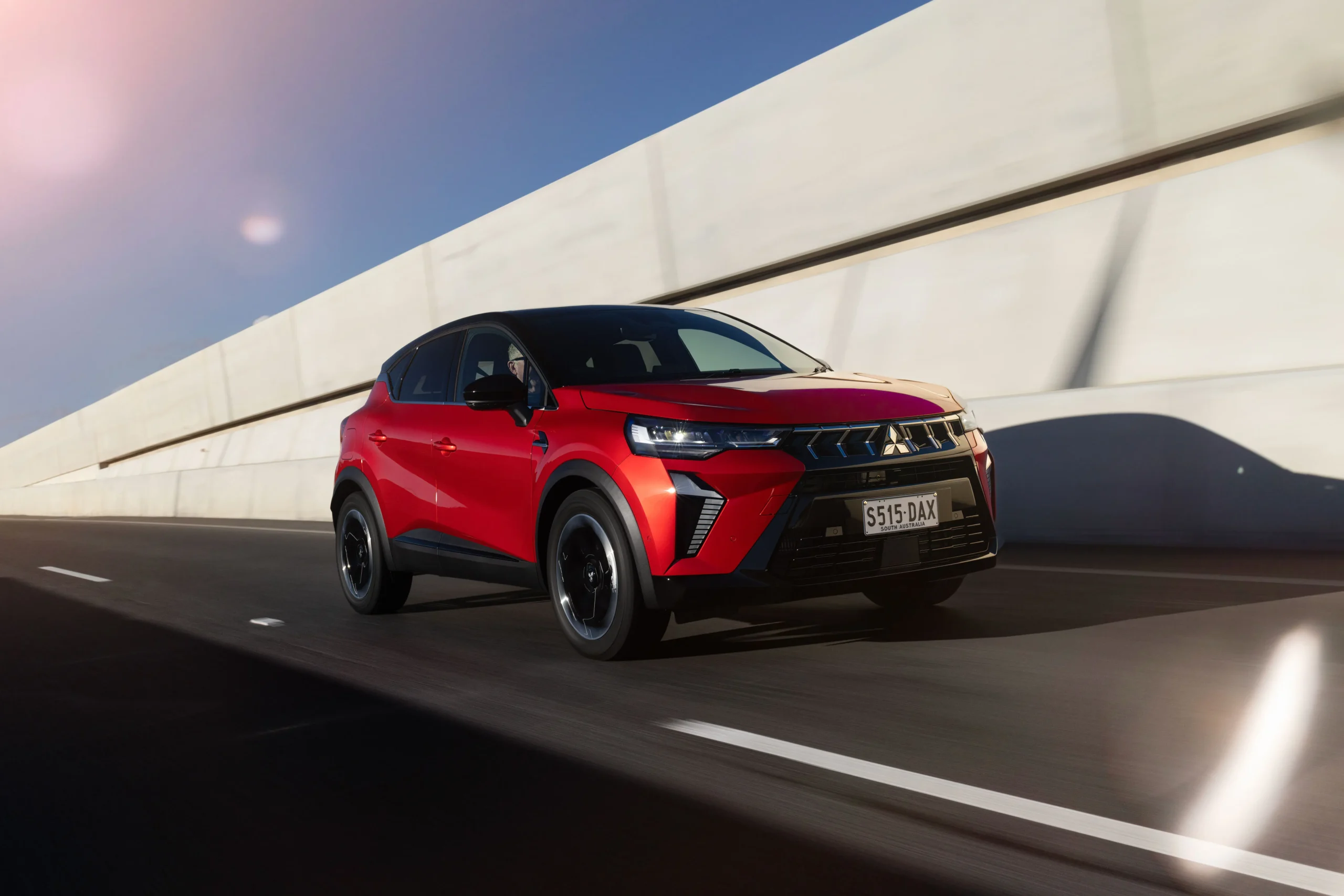
The Mitsubishi ASX proves that SUVs do not always attract dramatically higher insurance costs, with premiums ranging between $670 and $1,342. Despite being the largest vehicle on this list, the ASX remains competitively priced to insure thanks to its mainstream popularity, strong reliability record, and relatively simple mechanical package.
Compared to the Toyota Corolla, the ASX prioritises ride height and practicality over outright efficiency and refinement. Buyers needing extra cargo space or easier cabin access may find the ASX worth the modest insurance premium increase. Against smaller rivals like the Kia Picanto, the Mitsubishi naturally costs more to run overall, but it delivers far greater versatility for families and regional drivers.
The ASX may not be as fuel-efficient or easy to park as the Kia Picanto or Toyota Yaris, but it offers a level of versatility the smaller cars cannot match. For buyers wanting SUV practicality without a major insurance penalty, it stands out as one of the safest value-focused choices in Australia.
| Mitsubishi ASX | |
| Insurance range | $670–$1,342 |
| Vehicle type | Compact SUV |
| Key strength | SUV practicality at manageable costs |
| Best suited for | Families and regional drivers |
| Ownership highlight | One of the cheapest SUVs to insure |
Why does insurance cost matter?
Insurance companies calculate premiums using several factors beyond just the car’s purchase price. Vehicles with strong safety ratings, low theft rates, affordable repair costs, and lower-powered engines generally attract cheaper premiums.
Cars like the Toyota Corolla and Kia Picanto consistently perform well because they:
- Have proven reliability records
- Use widely available replacement parts
- Cost less to repair after accidents
- Include modern driver-assistance technology
- Are commonly driven in lower-risk ways
Smaller vehicles also tend to produce fewer expensive insurance claims compared to high-performance or luxury models, which is why hatchbacks dominate this category.
Final thoughts
Small hatchbacks continue to dominate Australia’s cheapest-to-insure category in 2026, largely due to their lower repair costs, strong safety credentials, and predictable ownership profiles. The Kia Picanto and Toyota Yaris stand out for delivering the lowest overall insurance costs, while the Toyota Corolla offers the best balance between insurance affordability, comfort and long-term reliability.
Meanwhile, the Hyundai i20 offers a more refined ownership experience, and the Mitsubishi ASX proves compact SUVs can still remain relatively inexpensive to insure.
Ultimately, the best low-insurance car depends on what buyers value most. Some will prioritise outright affordability, while others may prefer extra space, comfort, or long-term reliability. But across all five models, the common theme is clear: keeping insurance costs low can make a meaningful difference to overall ownership value.

Comments
New Comment