




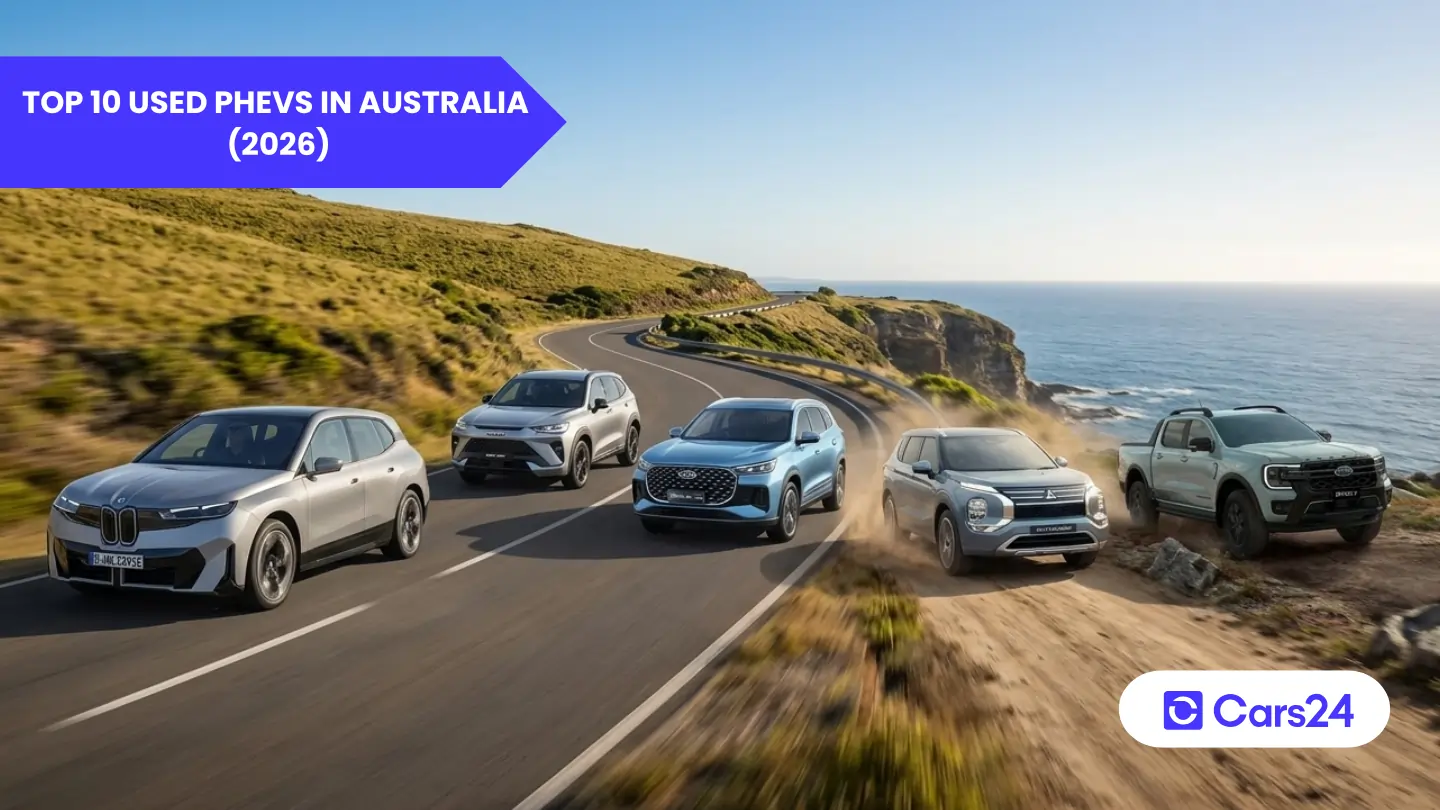
Looking for a used PHEV in Australia? According to recent AADA used car market data, plug-in hybrids are becoming an increasingly important part of Australia’s second-hand vehicle market as more buyers look for lower running costs without fully committing to a full EV.
For many Australians, a PHEV offers the flexibility of short-distance electric driving while still retaining a petrol engine for longer regional trips. Unlike traditional hybrids, plug-in hybrids can be charged externally and drive meaningful distances using electric power alone.
Still, not every used PHEV delivers the same ownership experience. Some offer excellent electric range and refinement, while others focus more on towing, practicality, or outright value. Battery health, charging habits, servicing history, and software updates are all important things to check before buying a second-hand plug-in hybrid.
These are the top 10 used PHEV cars in Australia from the recent AADA used car report. Here’s what to expect from each model, how they compare against rivals, and what buyers should look out for before signing on the dotted line.
Ford Ranger
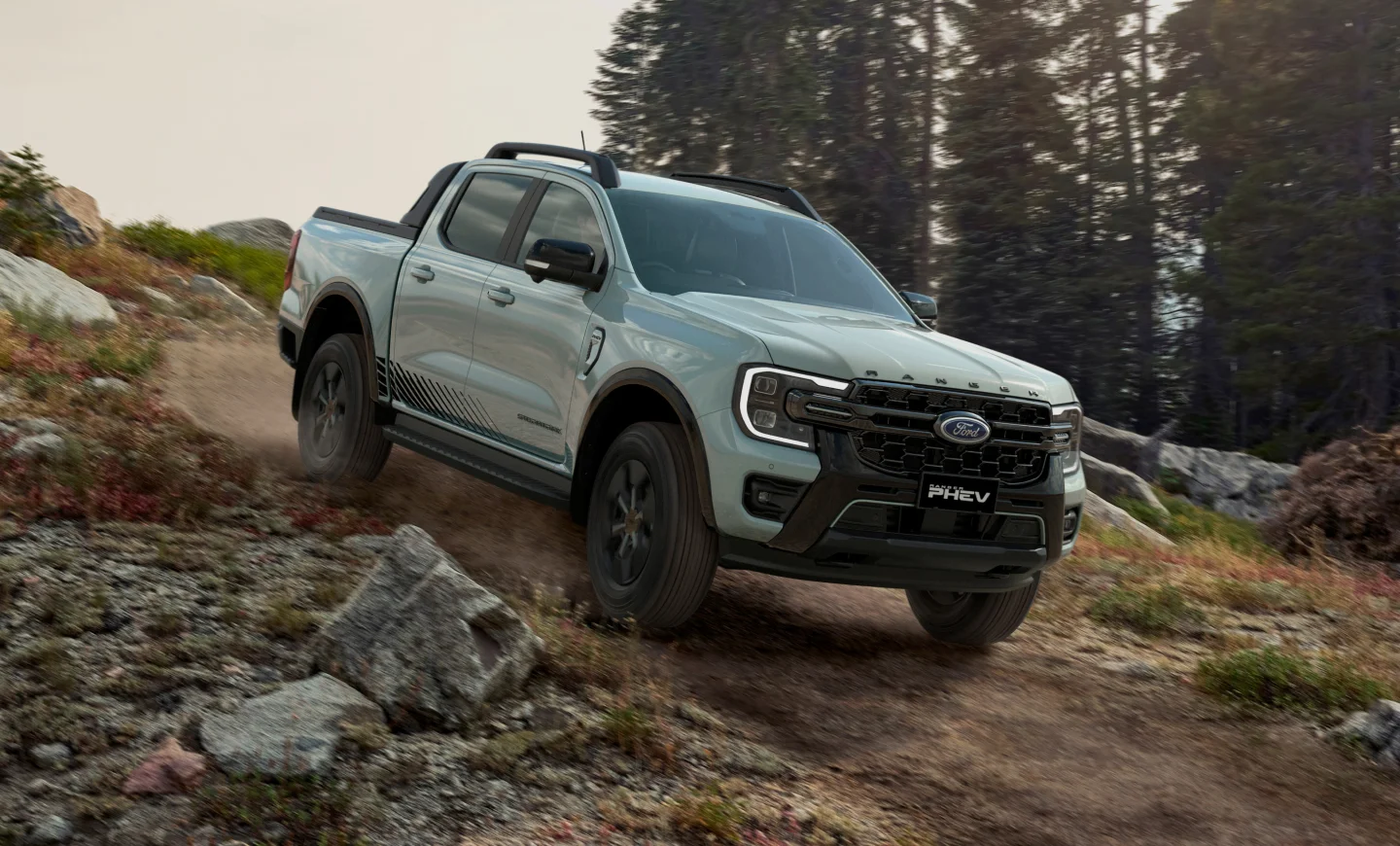


Unlike traditional diesel utes such as the Toyota HiLux or Isuzu D-Max, the Ford Ranger PHEV combines a turbo-petrol engine with electric assistance to improve fuel efficiency and urban drivability.
Early used examples are expected to remain expensive due to limited supply, but they offer a compelling blend of towing capability, practicality, and electrified driving.
Compared with SUV-focused PHEVs on this list, the Ranger stands out because it retains genuine workhorse credentials. It suits buyers who tow trailers, carry tools, or spend weekends off-road but still want to reduce fuel consumption around town.
However, it is larger and less efficient than family-oriented options like the Mitsubishi Outlander PHEV or BYD Sealion 6. Check for towing wear, battery servicing history, and charging equipment condition before buying used.
| Specifications | Ford Ranger PHEV |
| Engine | 2.3L turbo-petrol + 75kW electric motor |
| Battery capacity | 11.8kWh |
| Combined power | 207kW |
| Combined torque | 697Nm |
| Drivetrain | Full-time All-wheel drive |
| Fuel consumption | 2.9L/100km |
| Electric range (WLTP) | 49km |
BMW X3 xDrive30e
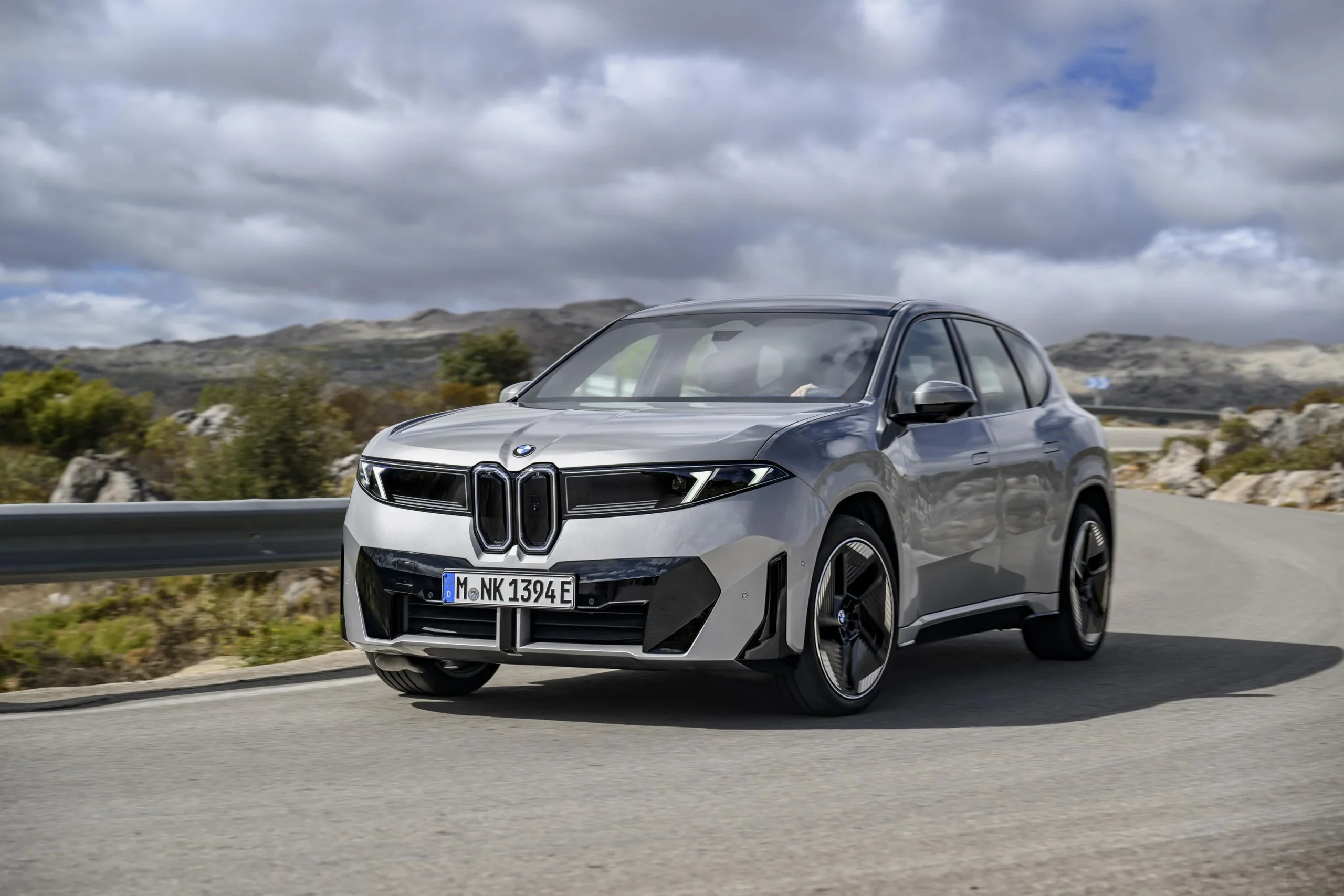
The BMW X3 xDrive30e offers a very different experience from many mainstream plug-in hybrids. Where models like the GWM Haval H6 PHEV focus on value and practicality, the BMW leans heavily into refinement, performance, and premium cabin quality.
Used examples from 2020 onwards are becoming more accessible, making the X3 one of the more attractive luxury PHEVs on the second-hand market.
Its turbocharged petrol engine and electric motor deliver smooth acceleration, and the cabin still feels significantly more upscale than many Chinese rivals entering the Australian market. Electric-only driving range is respectable for daily commuting, while highway refinement remains a key strength over cheaper alternatives.
Servicing and repair costs are higher than mainstream rivals, so buyers should prioritise cars with a complete BMW dealer service history and remaining battery warranty coverage. For buyers wanting a premium SUV without moving to a full EV, the X3 xDrive30e remains one of the most complete used PHEV packages available.
| Specifications | BMW X3 xDrive30e |
| Engine | 2.0L petrol + 60kW |
| Battery capacity | 19.7kWh |
| Combined power | 220kW |
| Combined torque | 450Nm |
| Drivetrain | All-wheel drive |
| Fuel consumption | 1.6L/100km |
| Electric range (WLTP) | 91km |
Read more: 10 Most fuel-efficient cars in Australia
Mitsubishi Outlander
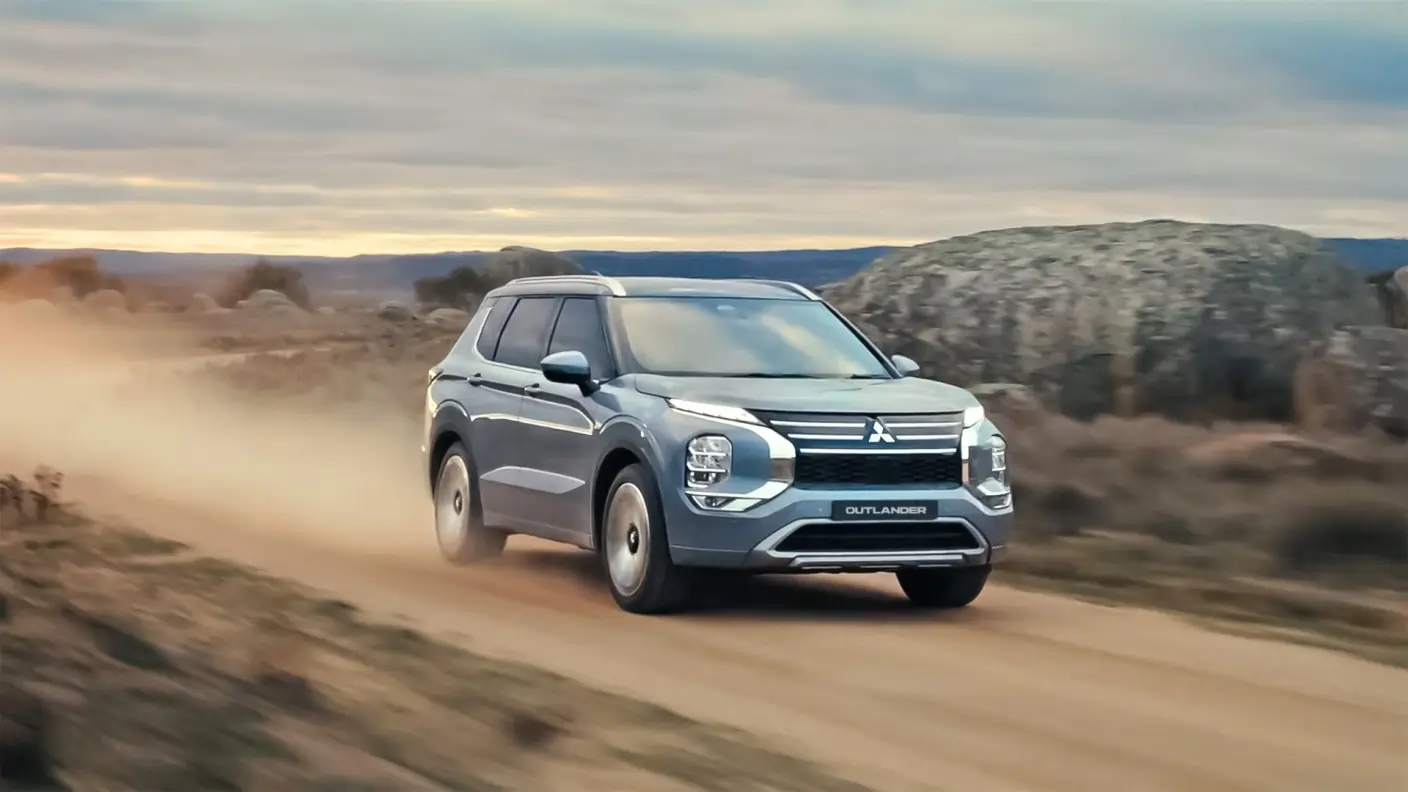
The Mitsubishi Outlander PHEV has become one of Australia’s best-known plug-in hybrids, largely because it arrived earlier than most mainstream rivals. That early entry means there are now plenty of used examples available at varying price points.
Compared with newer Chinese rivals like the BYD Sealion 6 or Chery Tiggo 8 PHEV, the Outlander may not feel as modern inside, but it continues to appeal through practicality, familiarity, and Mitsubishi’s established dealer network.
Families particularly appreciate the spacious cabin and the availability of seven seats in newer generations. The Outlander also delivers a smoother transition between petrol and electric power than some earlier budget-focused PHEVs.
Buyers should inspect battery condition on older high-kilometre examples and check for suspension wear. The Outlander remains one of the safest and most proven used PHEV options for Australian families.
| Specifications | Mitsubishi Outlander PHEV |
| Engine | 2.4L petrol + 60kW |
| Battery capacity | 20kWh |
| Combined power | 185kW |
| Combined torque | 450Nm |
| Drivetrain | All-wheel drive |
| Fuel consumption | 1.5L/100km |
| Electric range (WLTP) | 84km |
Chery Tiggo 7

The Chery Tiggo 7 PHEV represents the growing wave of affordable Chinese plug-in hybrids entering Australia. Used examples are still relatively rare, but early depreciation could make them attractive value propositions for buyers wanting modern features without spending premium-brand money.
Against the Mitsubishi Outlander PHEV, the Tiggo 7 offers more aggressive styling and newer infotainment technology, though long-term durability remains less proven.
Inside, the cabin feels modern and well-equipped for the money, with large digital displays and a generous equipment list. The plug-in hybrid system also delivers competitive electric-only range for suburban commuting. However, some buyers may still hesitate due to Chery’s shorter track record in Australia compared with Japanese rivals. Resale values are also harder to predict at this stage.
For buyers prioritising technology and upfront affordability over brand heritage, the Tiggo 7 PHEV is emerging as an interesting used-market alternative to more established family SUVs.
| Specifications | Chery Tiggo 7 PHEV |
| Engine | 1.5L turbo-petrol plug-in hybrid +150kW electric motor |
| Battery capacity | 18.4kWh |
| Combined power | 255kW |
| Combined torque | 525Nm |
| Drivetrain | Front-wheel drive |
| Fuel consumption | 1.4L/100km |
| Electric range (WLTP) | Up to 93km |
Read more: Top 10 best-selling hybrid cars in Australia
BYD Shark 6
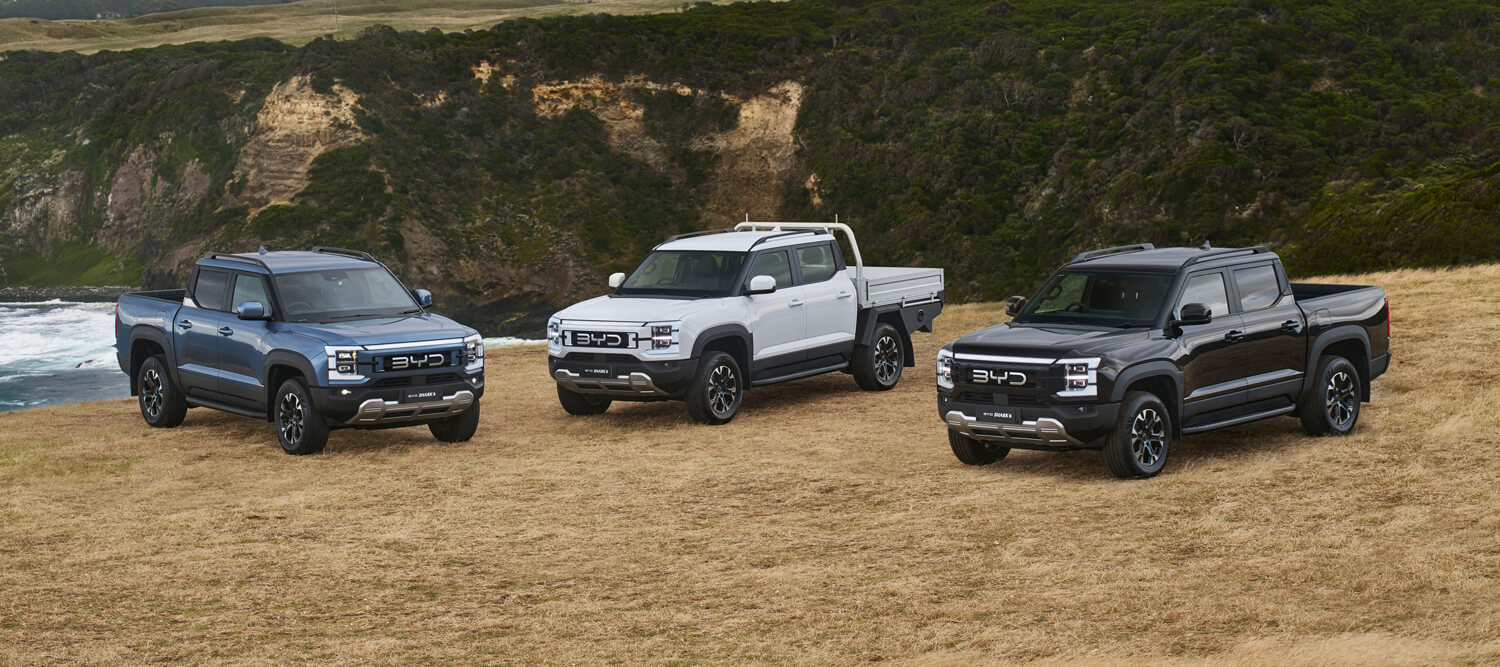
The BYD Shark 6 has quickly become one of the most talked-about electrified utes in Australia. Unlike the Ford Ranger PHEV, which builds on an established ute formula, the Shark 6 takes a more tech-focused approach with a strong emphasis on electric driving performance and modern cabin features.
One of the Shark’s biggest strengths is refinement. Around town, it feels smoother and quieter than most diesel utes, and instant electric torque makes it feel surprisingly quick for a large pickup.
Buyers who tow regularly may still prefer established diesel utes, while long-term servicing support and resale values remain unknown. Even so, the Shark 6 highlights how quickly the PHEV segment is evolving beyond family SUVs into lifestyle and commercial vehicles.
| Specifications | BYD Shark 6 |
| Engine | 1.5L turbo petrol + 321 kW |
| Battery capacity | 29.58kWh |
| Combined power | 321kW |
| Combined torque | 650Nm |
| Drivetrain | All-wheel drive |
| Fuel consumption | 2.0L/100km |
| Electric range (WLTP) | 70-80km |
BYD Sealion 6
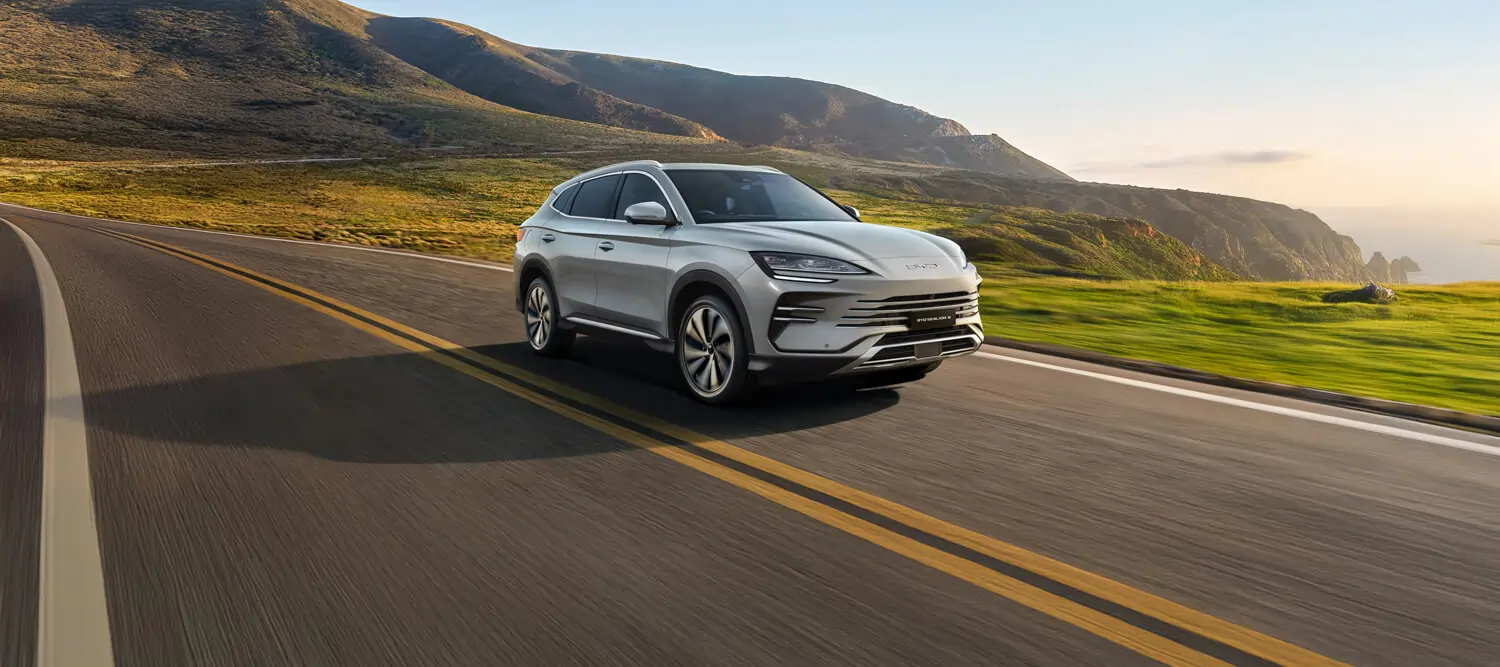
The BYD Sealion 6 has rapidly become one of the strongest-selling PHEVs in Australia thanks to its combination of sharp pricing, long EV range, and strong equipment levels. Compared with the Mitsubishi Outlander PHEV, the Sealion 6 feels more modern inside and offers noticeably stronger electric driving capability. It also undercuts many Japanese and European rivals on price, even in the used market.
The interior presentation is one of its biggest strengths, with a large rotating touchscreen and impressive cabin space for the segment. Fuel economy can be extremely low if owners charge regularly, making it particularly appealing for urban commuters. However, some buyers may still prefer the established long-term reliability reputation of Japanese brands.
As with many newer Chinese vehicles, long-term resale values remain uncertain. Still, for buyers wanting one of the most advanced and affordable used PHEVs available today, the Sealion 6 makes a convincing argument.
| Specifications | BYD Sealion 6 |
| Engine | 1.5L turbo-petrol + |
| Battery capacity | 18.3kWh |
| Combined power | 160/ 238/ 253kW |
| Combined torque | 300/ 550/ 580Nm |
| Drivetrain | Front-wheel drive/ All-wheel drive |
| Fuel consumption | 1.4L/100km |
| Electric range (WLTP) | Up to 128km |
Read more: Petrol vs. Hybrid vs. EV running costs for Aussies
GWM Haval H6
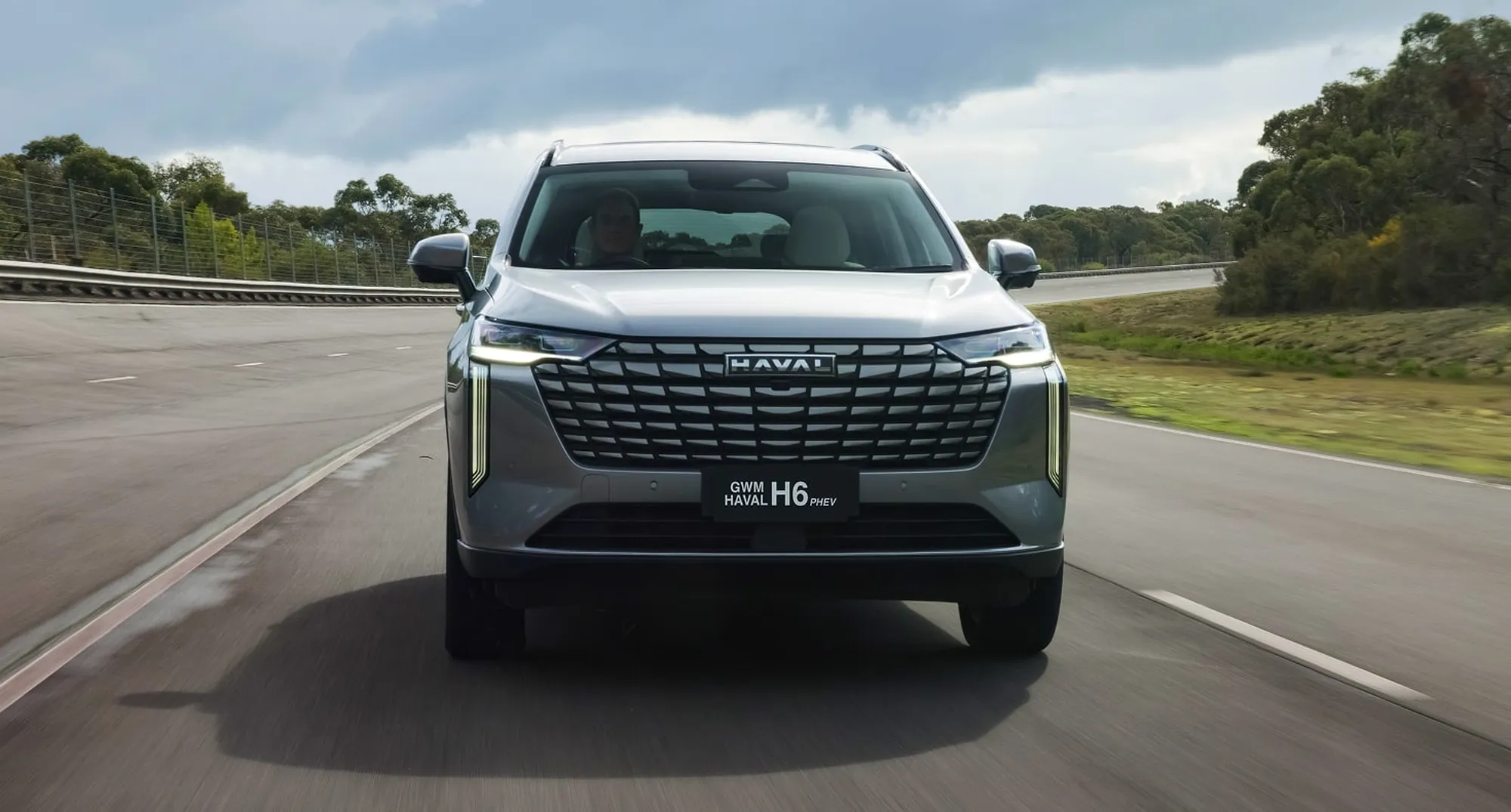
The GWM Haval H6 PHEV has quietly become a strong value-focused alternative in Australia’s growing electrified SUV market. Where the BYD Sealion 6 focuses heavily on technology and presentation, the H6 PHEV leans more toward outright practicality and competitive pricing.
The H6 offers a roomy cabin, comfortable ride quality, and strong straight-line performance from its plug-in hybrid setup. Electric-only range is competitive, and the SUV feels well suited to suburban family duties. The infotainment system can feel less polished than some competitors, and some drivers may find the driver-assistance systems overly intrusive.
When stacked against the BMW X3 xDrive30e, the H6 lacks premium refinement, but it costs substantially less to buy and maintain. For budget-conscious families wanting a spacious used PHEV, the H6 delivers strong overall value.
| Specifications | GWM Haval H6 PHEV |
| Engine | 1.5L turbo-petrol + 268kW |
| Battery capacity | 19.1kWh |
| Combined power | 321kW |
| Combined torque | 642Nm |
| Drivetrain | Front-wheel drive |
| Fuel consumption | 0.8L/100km |
| Electric range (WLTP) | 100km |
GWM Haval H6 GT
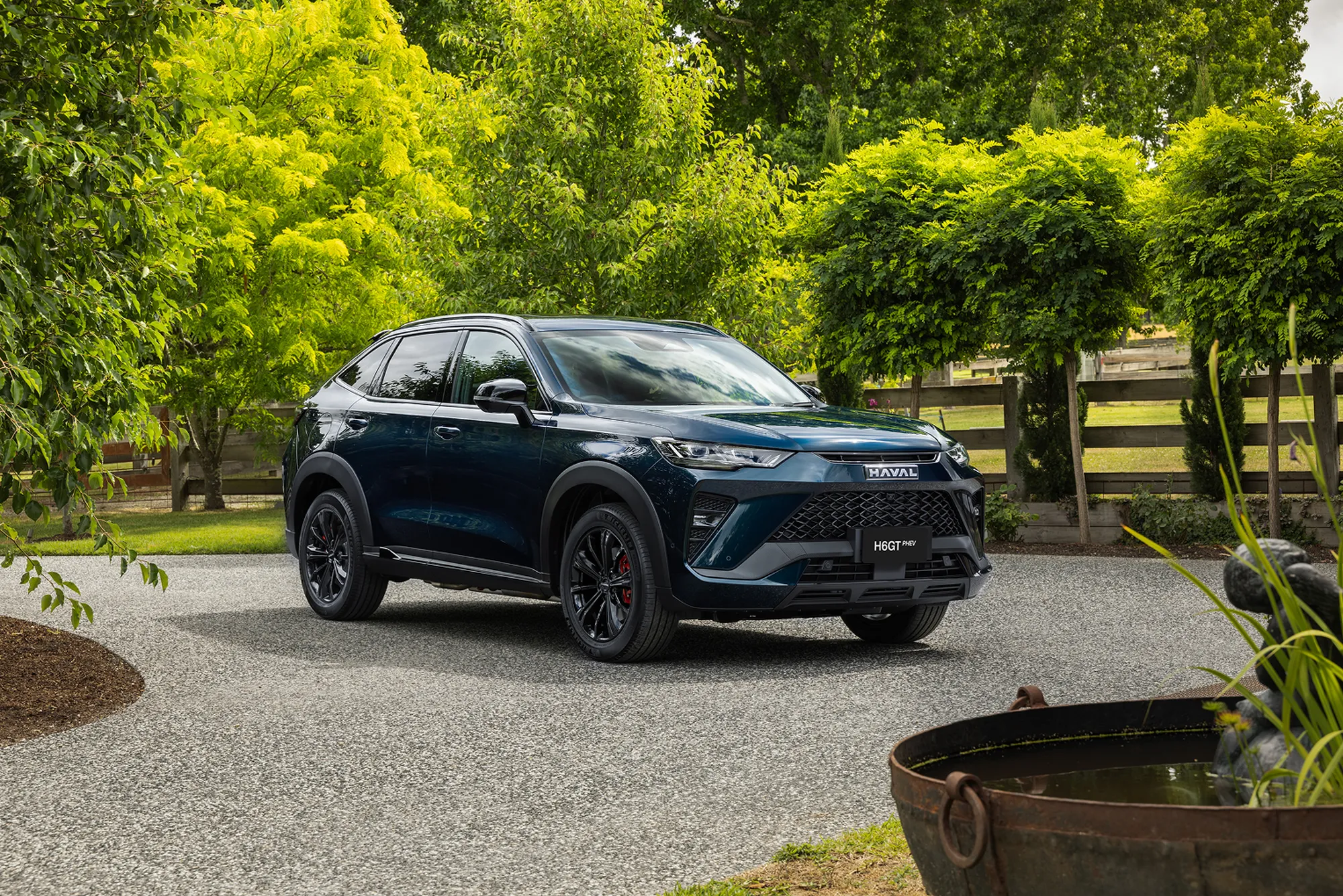
The GWM Haval H6 GT PHEV takes the standard H6 formula and adds a sportier design focus aimed at buyers who want something visually sharper. Mechanically, it shares much with the regular H6 PHEV, but the coupe-style roofline and more aggressive styling help it stand out in a crowded SUV market.
When you put Haval H6 GT against the more conservative Mitsubishi Outlander PHEV, the H6 GT feels targeted at younger buyers wanting performance and technology without stepping into luxury-brand pricing.
Performance is one of its biggest strengths, with strong acceleration that rivals some premium SUVs. Cabin technology is also impressive for the price point, although rear headroom is slightly compromised compared with the regular H6 due to the sloping roofline. As with other newer Chinese PHEVs, long-term reliability data is still limited in Australia.
Buyers should also check software updates and battery warranty coverage when shopping. For drivers wanting a sporty-feeling electrified SUV at a relatively accessible price, the H6 GT PHEV offers something different.
| Specifications | GWM Haval H6 GT PHEV |
| Engine | 1.5L turbo-petrol + 342kW |
| Battery capacity | 35.4kWh |
| Combined power | 342kW |
| Combined torque | 762Nm |
| Drivetrain | All-wheel drive |
| Fuel consumption | 0.8L/100km |
| Electric range (WLTP) | 180km |
Read more: Top 5 PHEVs in Australia under $40,000 in 2026
Chery Tiggo 8

The Chery Tiggo 8 PHEV targets buyers who need family-friendly practicality without stretching to more expensive seven-seat SUVs.
Compared with the Mitsubishi Outlander PHEV, the Tiggo 8 offers more technology and a more premium-looking interior for similar money. It also feels noticeably roomier than smaller five-seat plug-in hybrids like the Haval H6 PHEV or BYD Sealion 6.
The third-row seating makes it particularly appealing for growing families, although boot space becomes tighter when all seats are in use. Chery’s infotainment and cabin presentation have improved significantly compared with older models sold in Australia, but buyers should still inspect build quality carefully on used examples.
Like many newer entrants, the biggest unknown remains long-term durability and resale performance. Even so, the Tiggo 8 PHEV demonstrates how aggressively Chinese brands are targeting value-focused Australian families in the electrified SUV space.
| Specifications | Chery Tiggo 8 PHEV |
| Engine | 1.5L turbo-petrol plug-in hybrid +150kW electric motor |
| Battery capacity | 18.3kWh |
| Combined power | 279kW |
| Combined torque | 365Nm |
| Drivetrain | Front-wheel drive |
| Fuel consumption | 1.3L/100km |
| Electric range (WLTP) | 90km |
Mitsubishi Eclipse Cross
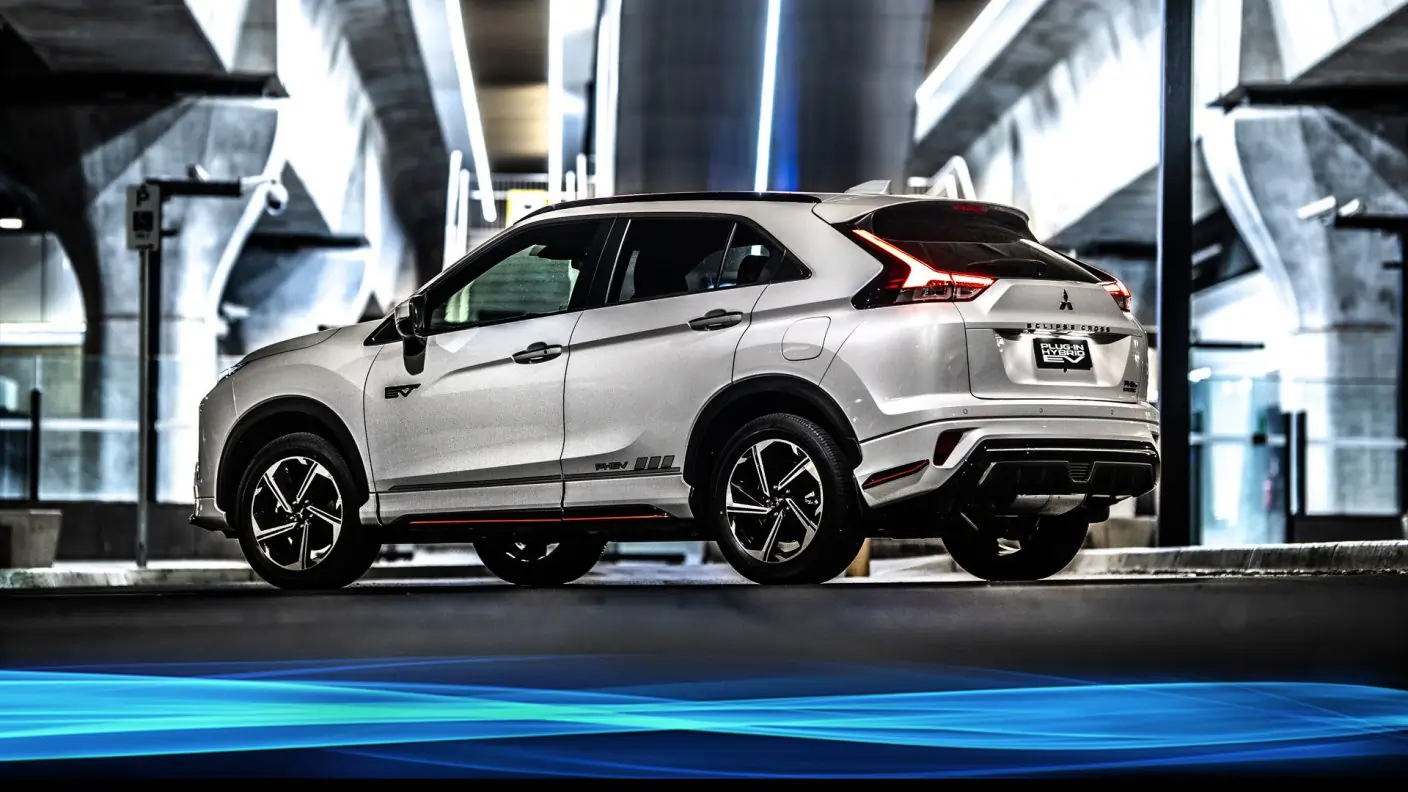
The Mitsubishi Eclipse Cross PHEV often flies under the radar compared with the larger Outlander PHEV, but it remains one of the more sensible used plug-in hybrids on the market.
Against newer Chinese rivals, the Eclipse Cross, feels more conservative inside, though many buyers may see that simplicity as a positive for long-term ownership.
Ride comfort and everyday usability are key strengths, and the plug-in hybrid system works particularly well in stop-start city traffic. Electric range is shorter than some newer rivals, but running costs can still be impressively low with regular charging. Buyers should inspect suspension components and ensure servicing has been completed through authorised networks where possible.
The Eclipse Cross PHEV remains a strong option for buyers prioritising reliability and low ownership stress over flashy technology.
| Specifications | Mitsubishi Eclipse Cross PHEV |
| Engine | 2.4L turbo-petrol plug-in hybrid +150kW electric motor |
| Battery capacity | 13.8kWh |
| Combined power | 154kW |
| Combined torque | 269Nm |
| Drivetrain | All-wheel drive |
| Fuel consumption | 1.9L/100km |
| Electric range (WLTP) | 55km |
Read more: Top 10 best-selling PHEVs in Australia in 2025
Which used PHEV car is right for you?
Choosing the right used PHEV depends heavily on how you plan to use it. If your priority is family practicality and proven reliability, the Mitsubishi Outlander PHEV and Eclipse Cross PHEV remain among the safest long-term choices. Buyers wanting stronger performance and premium refinement may find the BMW X3 xDrive30e more appealing, though ownership costs will naturally be higher.
Chinese brands are also becoming increasingly competitive. Models like the BYD Sealion 6, GWM Haval H6 PHEV, and Chery Tiggo range offer impressive technology, generous EV range, and aggressive pricing that continue to disrupt the Australian market. Meanwhile, the BYD Shark 6 and Ford Ranger PHEV show how plug-in hybrid technology is expanding into the ute segment for buyers wanting towing capability alongside improved efficiency.
Each used PHEV on this list brings different strengths, whether that is practicality, performance, technology, or outright value. As always, a thorough pre-purchase inspection, battery health check, and complete service history remain essential before buying any second-hand plug-in hybrid.
AADA market trends suggest Australia’s used PHEV segment will continue growing as more EV enter the second-hand market over the next few years.
Interested buyers can find near-new PHEVs at lower price points through CARS24 Australia.

Comments
New Comment