




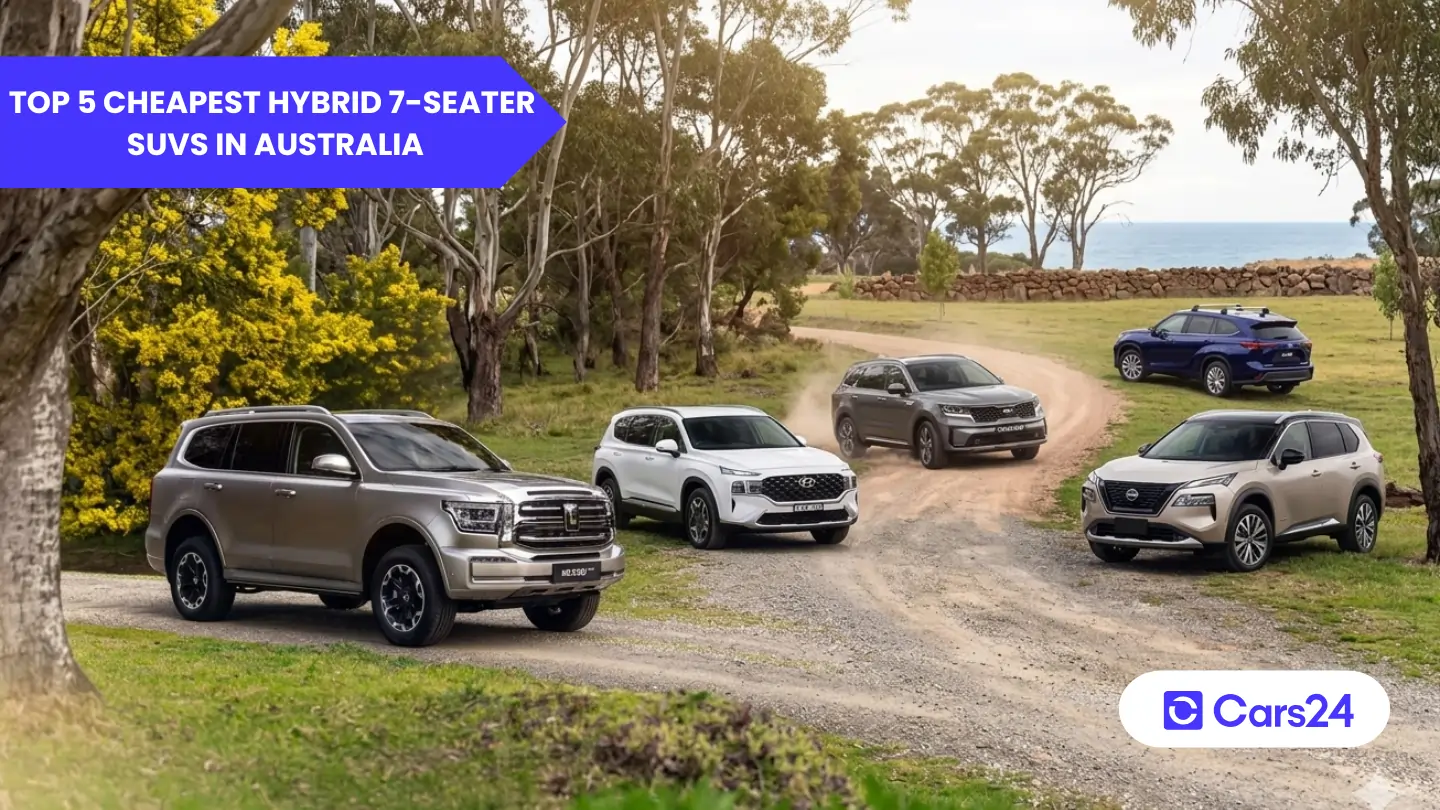
Seven-seater SUVs remain one of the most important segments in Australia, but buyer priorities are changing rapidly. Rising fuel prices and growing interest in efficiency have pushed hybrid family SUVs into the spotlight, especially for households that regularly cover long distances or spend hours in urban traffic.
Unlike plug-in hybrids or EVs, conventional hybrids require no charging infrastructure and behave much like traditional petrol vehicles. That simplicity continues to appeal to Australian families who want lower running costs without changing how they drive or travel.
What’s particularly interesting in 2026 is how broad the segment has become. Some models focus heavily on comfort and refinement, others prioritise value, while a few attempt to blend rugged practicality with hybrid efficiency.
The SUVs below represent the cheapest hybrid-only 7-seat SUVs currently available in Australia, offering a mix of affordability, practicality, and real-world usability.
| Model | Starting Price(before on-road costs) |
| Toyota Kluger | $60,920 |
| Kia Sorento | $56,380 |
| Hyundai Santa Fe | $59,425 |
| Nissan X-Trail e-Power | $48,915 |
| GWM Tank 500 Hybrid | $65,490 |
Toyota Kluger
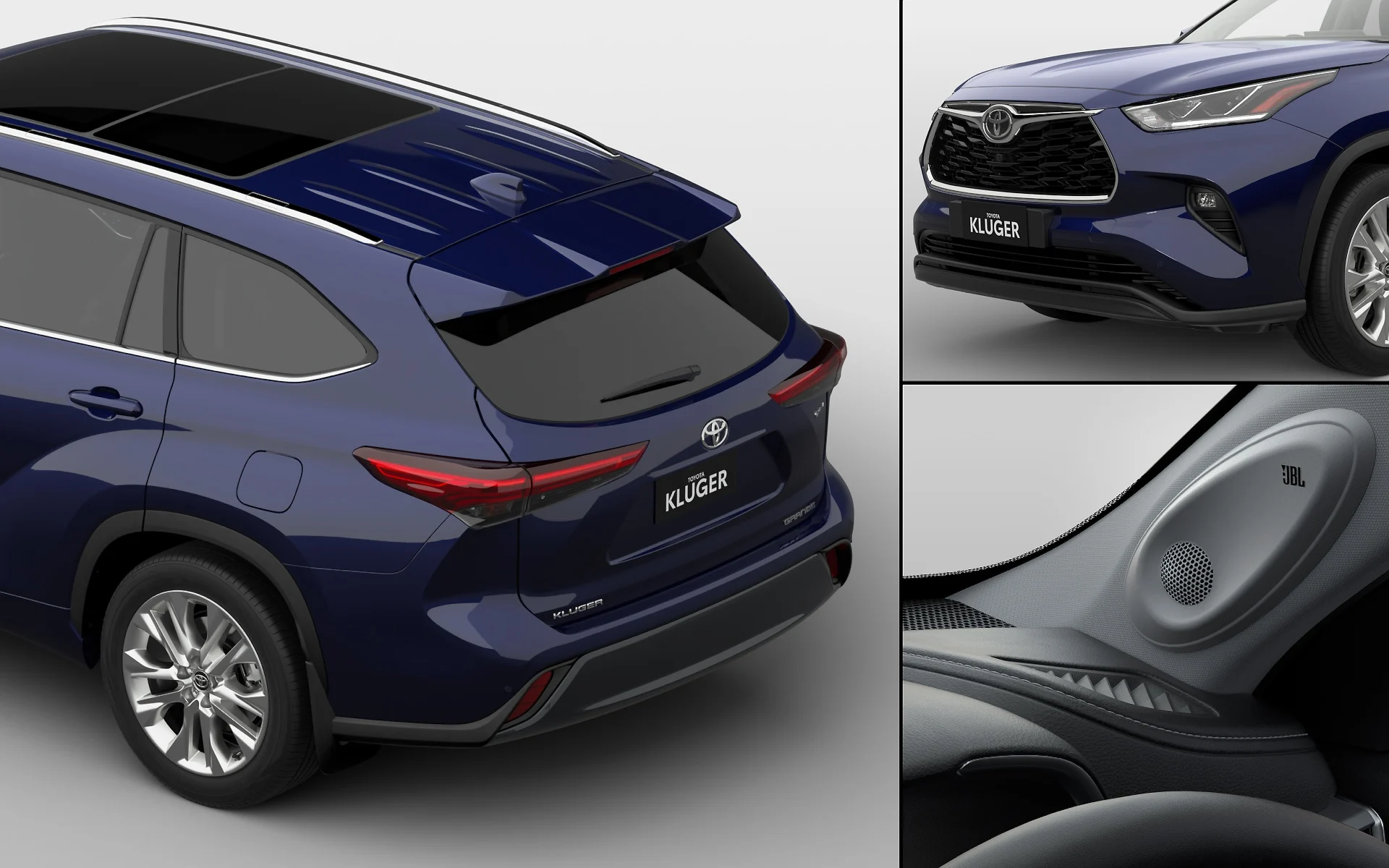


The Toyota Kluger hybrid remains one of the most trusted large hybrid SUVs in Australia, largely because it combines Toyota’s proven hybrid reputation with genuine seven-seat practicality. While it’s not as visually adventurous as the Hyundai Santa Fe or as tech-focused as some newer rivals, the Kluger continues to appeal through consistency and reliability.
Its 2.5L petrol-hybrid system prioritises efficiency and smoothness over outright performance, but in everyday driving it feels effortless. Around town, the hybrid system transitions seamlessly between petrol and electric power, helping the Kluger achieve impressive fuel economy for a large SUV.
The cabin focuses more on functionality than flashy design. Compared to the Kia Sorento, the Toyota’s interior feels more conservative, but ergonomics and usability remain strong. Families familiar with Toyota ownership will also appreciate the brand’s strong resale value and long-term durability reputation.
While not the cheapest option in the list, the Kluger continues to justify its pricing through strong resale value, proven reliability, and excellent efficiency. For buyers who prioritise reliability and efficiency above all else, it remains one of the safest choices in the segment.
| Specifications | Toyota Kluger Hybrid |
| Engine | 2.5L petrol-hybrid |
| Electric motor | 88kW |
| Battery capacity | 1.9kW |
| Combined power | 184kW |
| Combined torque | 242Nm |
| Drivetrain | All-wheel drive |
| Fuel consumption | 5.6L/100 km |
Read more: Top 10 best hybrid cars in Australia
Kia Sorento
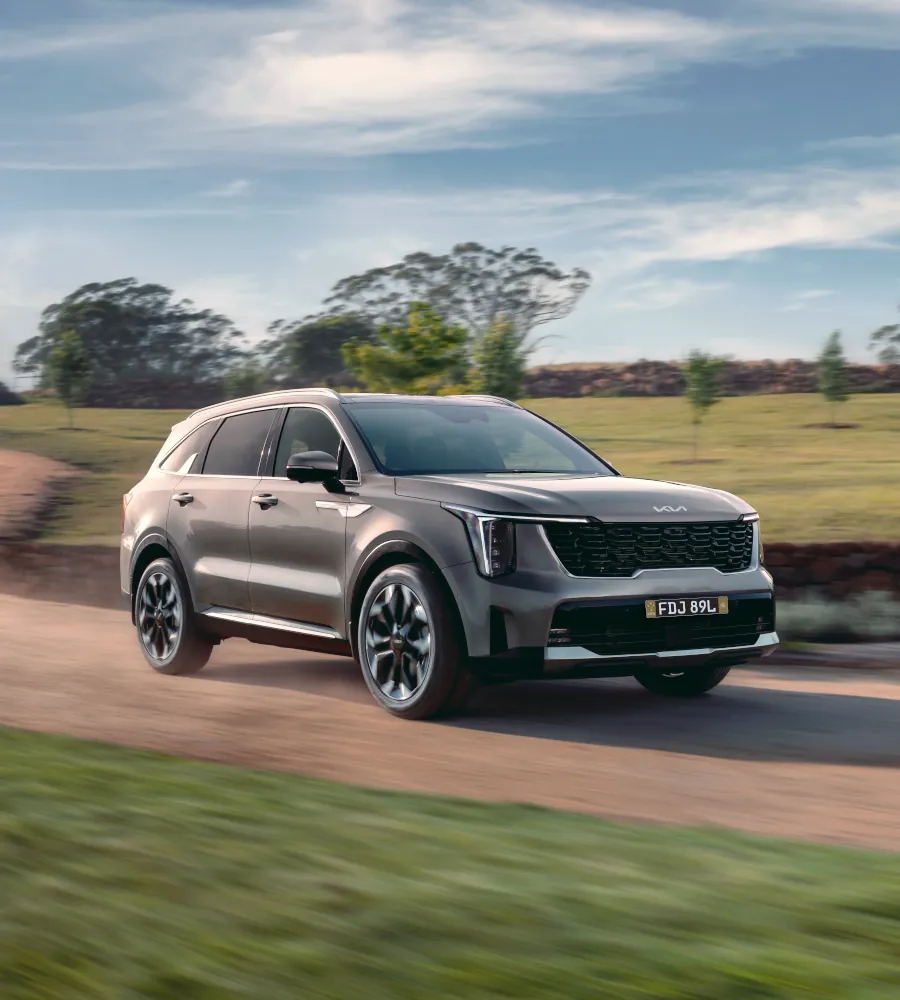
The Kia Sorento hybrid continues to occupy a sweet spot in the Australian market by offering genuine seven-seat practicality alongside strong fuel efficiency. It remains one of the few large family SUVs that successfully balances affordability, refinement, and hybrid efficiency without feeling compromised.
Powered by a 1.6L turbocharged hybrid drivetrain, the Sorento delivers smooth low-speed performance and impressive real-world economy for a vehicle of its size. Compared to the larger Toyota Kluger Hybrid, the Kia feels slightly more modern inside, particularly in terms of infotainment and cabin presentation.
On the road, the Sorento leans heavily toward comfort. The suspension tune suits Australian highways particularly well, making it an excellent long-distance tourer for families. The third row is also more usable than many mid-size SUVs attempting seven-seat packaging.
Its biggest trade-off compared to diesel alternatives remains towing capacity, but for buyers prioritising fuel savings and day-to-day refinement, the Sorento Hybrid remains one of the strongest all-rounders in this segment.
| Specifications | Kia Sorento |
| Engine | 1.6L turbo petrol-hybrid |
| Battery capacity | 1.49kWh |
| Combined power | 169kW |
| Combined torque | 350Nm |
| Drivetrain | Front-wheel drive/All-wheel drive |
| Fuel consumption | 5.7L/100 km |
Read more: The ultimate list of the best hybrid SUVs in Australia in 2026
Hyundai Santa Fe

The Hyundai Santa Fe hybrid takes a noticeably different approach to family SUV design compared to the Kia Sorento. While the two vehicles share similar hybrid technology underneath, the Santa Fe focuses more heavily on interior packaging, bold styling, and premium presentation.
Its upright, boxier shape translates into excellent cabin practicality. Third-row access feels slightly easier than the Sorento, while the squared-off rear improves cargo usability for families carrying luggage, prams, or sports equipment. For buyers prioritising interior flexibility, the Hyundai arguably has the edge.
The hybrid drivetrain performs smoothly in urban environments, where electric assistance helps keep fuel consumption low in stop-start traffic. Highway refinement is also excellent, though the Santa Fe’s larger dimensions make it feel less agile than some rivals around town.
Compared to newer Chinese rivals entering the segment, the Hyundai counters with stronger brand familiarity, polished road manners, and a more mature ownership experience. It may not be the cheapest option outright, but it feels impressively complete as a family-focused hybrid SUV.
| Specifications | Hyundai Santa Fe Hybrid |
| Engine | 1.6L turbo petrol-hybrid |
| Electric motor | 47.4kW |
| Battery capacity | 1.49kWh |
| Combined power | 172kW |
| Combined torque | 367Nm |
| Drivetrain | Front-wheel drive/All-wheel drive |
| Fuel consumption | 5.6L/100 km |
Read more: Top 10 best-selling hybrid cars in Australia
Nissan X-Trail e-Power
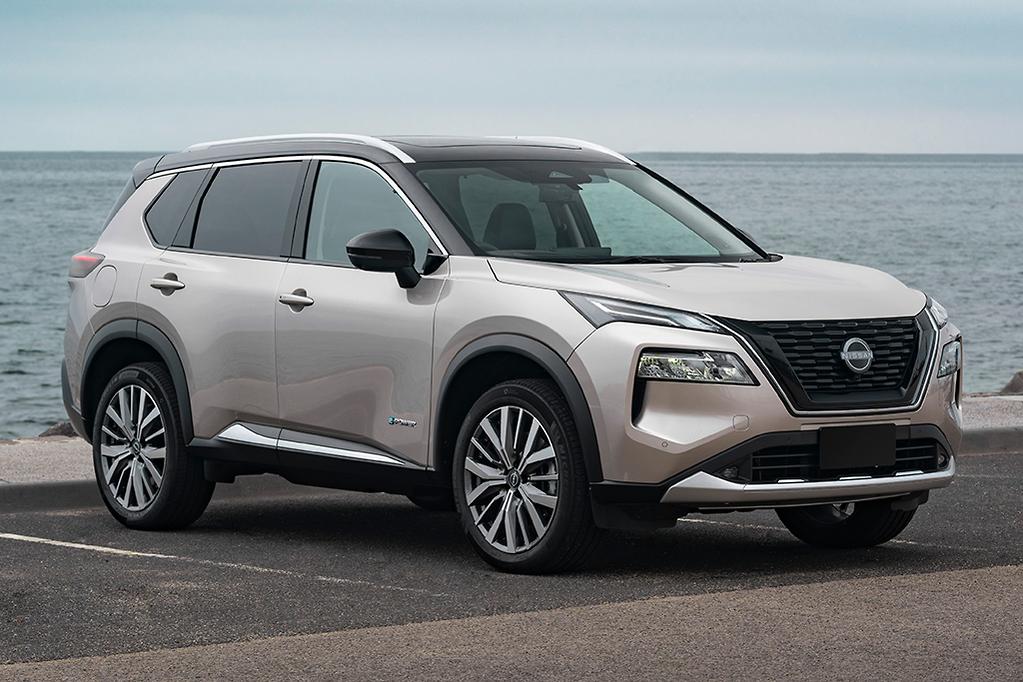
The Nissan X-Trail e-Power stands apart from most hybrids on this list because it uses a fundamentally different drivetrain philosophy. Unlike conventional hybrids, the petrol engine acts primarily as a generator, while the wheels are driven entirely by electric motors. The result is a driving experience that feels noticeably closer to an EV. Nissan classifies the e-Power system as a hybrid because the petrol engine generates electricity for the battery and electric motors rather than directly driving the wheels in most situations.
For urban driving, the X-Trail feels particularly refined. Instant electric torque gives it smooth acceleration in traffic, while cabin quietness reinforces the EV-like character. Compared to the Toyota Kluger Hybrid, the Nissan feels more modern from behind the wheel, especially at low speeds. Practicality is also a strong point. While its third row is best suited to occasional use, the flexible cabin layout and clever storage solutions make it a versatile family SUV.
Its biggest compromise appears on highways, where the petrol engine works harder to generate electricity, occasionally leading to more engine noise than conventional hybrids. Even so, for buyers curious about EV driving without charging infrastructure, the X-Trail e-Power offers one of the most interesting alternatives in this segment.
| Specifications | Nissan X-Trail e-Power |
| Engine | 1.5L turbo petrol-hybrid |
| Electric motor | Dual electric motors(150kW front/100kW rear) |
| Battery capacity | 2.1kWh |
| Combined power | 157kW |
| Combined torque | 525Nm |
| Drivetrain | All-wheel drive |
| Fuel consumption | 6.1L/100 km |
Read more: Top 10 most affordable hybrid cars in Australia for 2026
GWM Tank 500 Hybrid
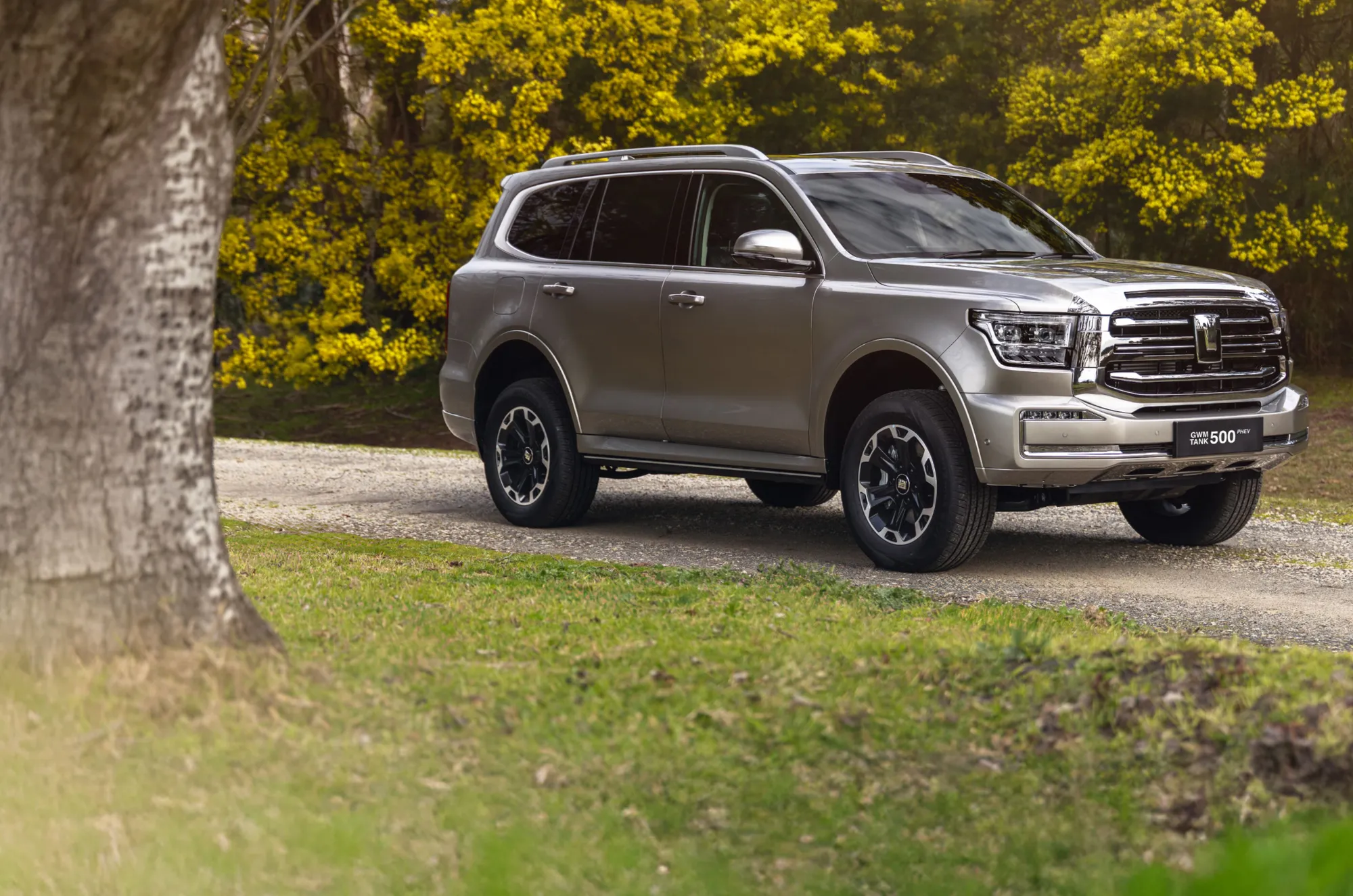
The GWM Tank 500 hybrid approaches the hybrid SUV formula from a completely different direction. While most seven-seat hybrids prioritise urban efficiency and family comfort, the Tank 500 focuses heavily on off-road capability, towing, and long-distance touring.
Its hybrid system pairs a turbocharged petrol engine with electric assistance to produce substantial outputs, making it one of the most powerful vehicles in this list. Compared to softer crossovers like the Hyundai Santa Fe or Kia Sorento, the Tank 500 feels far more substantial and rugged on the road.
The body-on-frame construction gives it genuine off-road credibility, supported by low-range gearing and a full-time four-wheel-drive system. That makes it one of the very few hybrid SUVs capable of serious touring in Australian conditions.
The trade-off is efficiency. While economical relative to traditional large 4WDs, it consumes noticeably more fuel than car-based hybrid SUVs. Its size can also feel cumbersome in urban environments. However, for buyers wanting LandCruiser-style capability with some hybrid efficiency benefits, the Tank 500 Hybrid offers a unique proposition.
| Specifications | GWM Tank 500 Hybrid |
| Engine | 2.0L turbo petrol-hybrid |
| Electric motor | 78kW |
| Battery capacity | 1.7kWh |
| Combined power | 258kW |
| Combined torque | 648Nm |
| Drivetrain | Part-time four-wheel drive |
| Fuel consumption | 8.4L/100 km |
Read more: Top 5 PHEVs in Australia under $40,000 in 2026
Why are hybrid 7-seat SUVs becoming so popular in Australia?
Hybrid seven-seat SUVs are becoming increasingly popular because they offer a practical middle ground between traditional petrol vehicles and full EVs. Australian families still value long-distance capability and fast refuelling, but they also want lower running costs and improved fuel efficiency.
Conventional hybrids are particularly effective in urban driving, where stop-start traffic allows the electric motor to assist more frequently. This reduces fuel consumption while also making the driving experience quieter and smoother.
Another major advantage is convenience. Unlike plug-in hybrids or EVs, conventional hybrids don’t require home charging infrastructure or public charging planning. For many Australian buyers, especially those in regional areas, that simplicity remains a major selling point.
As manufacturers continue improving hybrid technology, these SUVs are no longer defined by compromise. Many now match or exceed traditional petrol and diesel rivals in refinement, comfort, and everyday usability.
Final thoughts
The cheapest hybrid 7-seat SUVs in Australia now cover a remarkably wide range of buyer needs.
The Kia Sorento Hybrid and Hyundai Santa Fe Hybrid remain two of the strongest all-round family SUVs available today, while the Toyota Kluger Hybrid continues to appeal through reliability and proven hybrid expertise. The Nissan X-Trail e-Power offers a more EV-like experience, and the GWM Tank 500 Hybrid brings genuine off-road capability into the conversation.
For Australian buyers, the key takeaway is simple: hybrid family SUVs are no longer niche alternatives. They’ve become one of the smartest and most practical choices in the modern SUV market.

Comments
New Comment