




Key highlights:
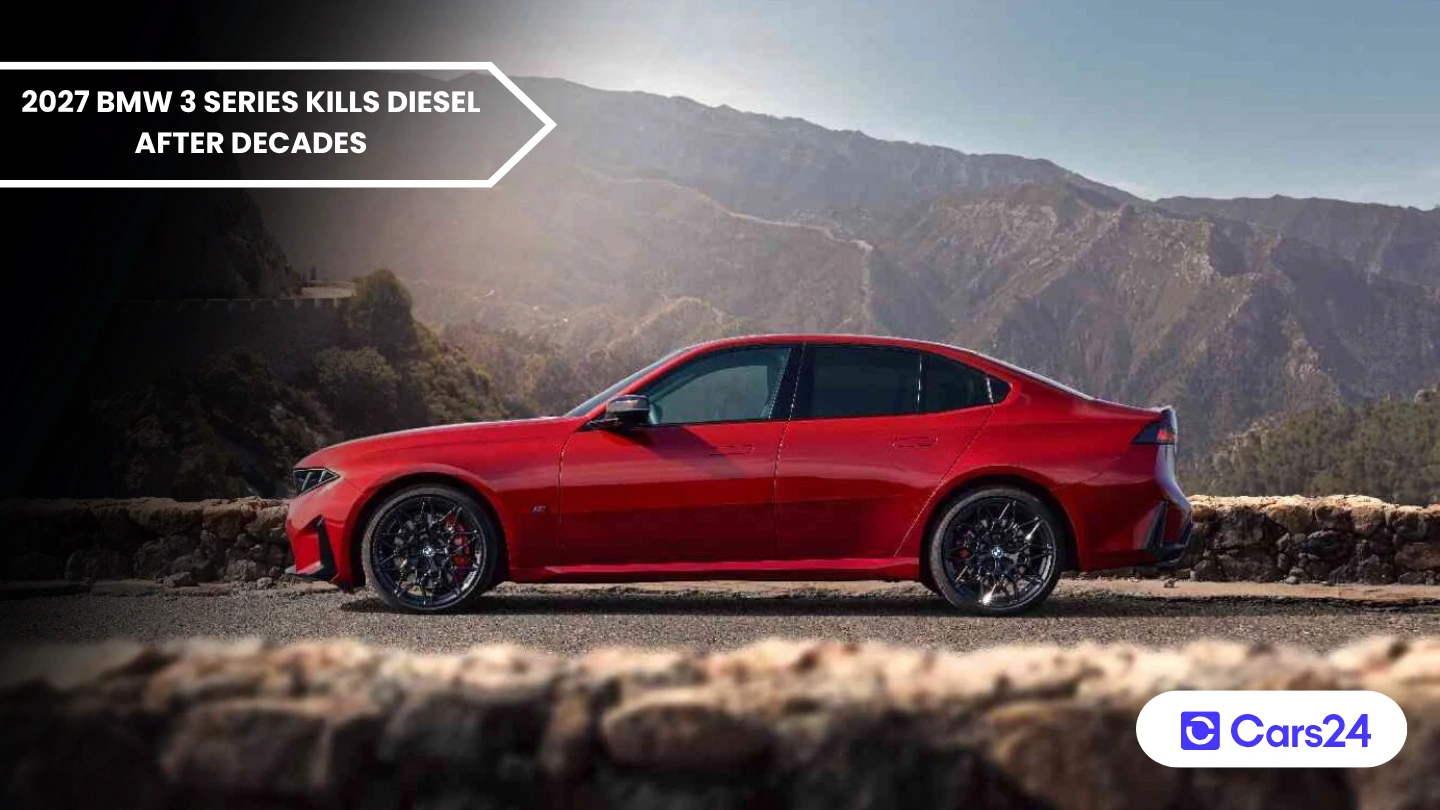
- New 8th-gen 3 Series sedan drops diesel for the first time
- A 330e plug-in hybrid arrives in 2027
- Australian deliveries begin in early 2027
The new eighth-generation BMW 3 Series sedan marks a major change for one of Europe’s best-known executive cars, as for the first time in decades, BMW will sell the sedan without a diesel engine.
The G50 3 Series launched last week with three 48V mild-hybrid petrol engines in Europe. BMW has also confirmed a plug-in hybrid for 2027, while the petrol-powered sedan and the electric i3 will reach Australian showrooms in early 2027.
No diesel for the new 3 Series sedan
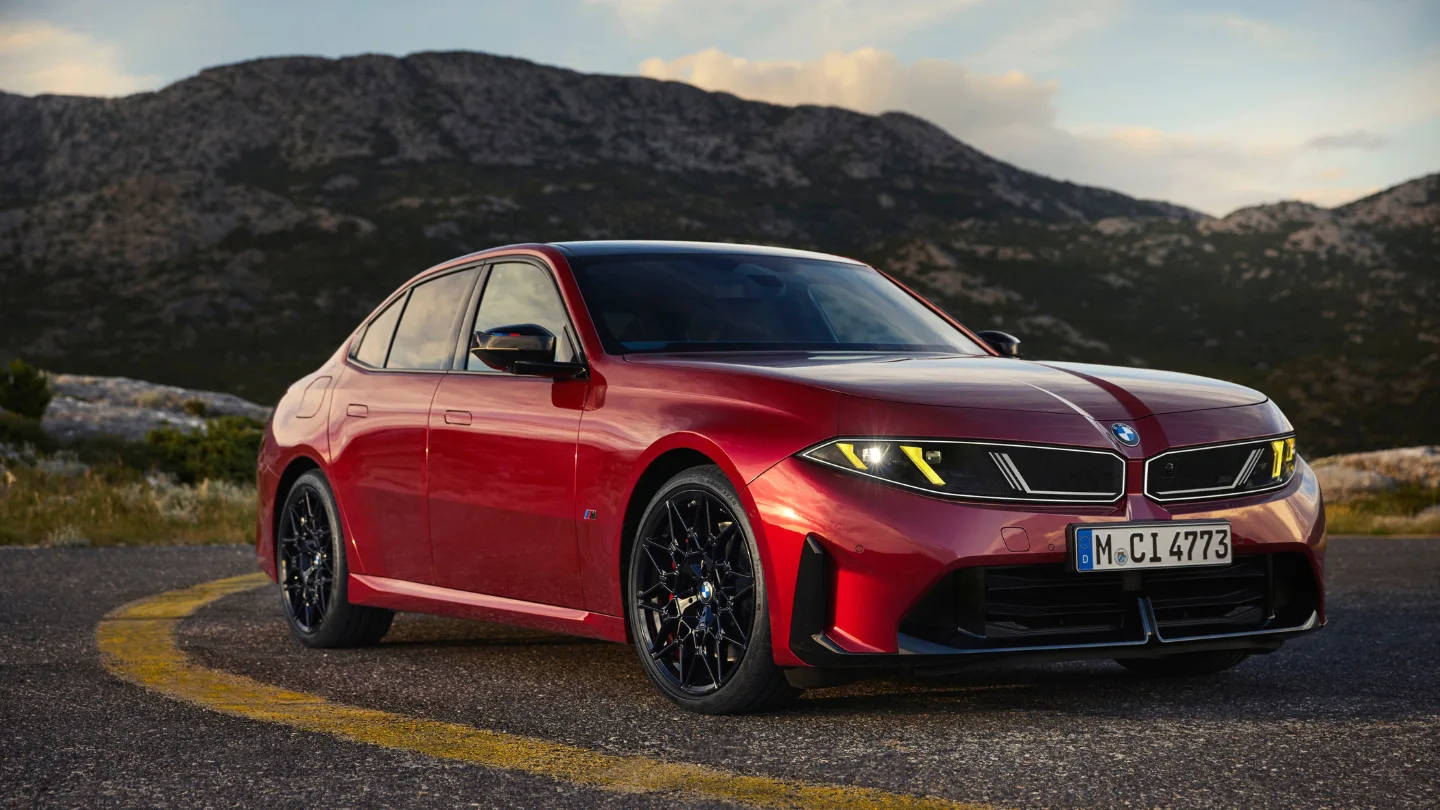
Every 3 Series generation has offered at least one diesel engine, except the first-generation model, which used petrol engines exclusively and came only in two-door body styles. That long-running tradition ends with the new G50 sedan.
BMW has confirmed that the new 3 Series sedan will not receive a diesel engine but has yet to confirm the powertrain range for the upcoming wagon. Historically, the wagon has offered a selection of the sedan’s engines, so its future diesel availability remains unclear.
The new 3 Series initially arrives in Europe with three 48V mild-hybrid petrol powertrains, with the BMW M350 xDrive sitting at the top of the range. The company has already confirmed a petrol-powered M3, while more drivetrain choices will arrive during the G50’s lifecycle.
A plug-in hybrid variant will also join the range in 2027. The existing 330e produces a combined 215kW and 420Nm and its 19.5kWh battery provides a claimed 89- 101 km of EV range under the WLTP standard.
Also read: 2027 BMW 3 Series price and specs
Diesel’s European decline
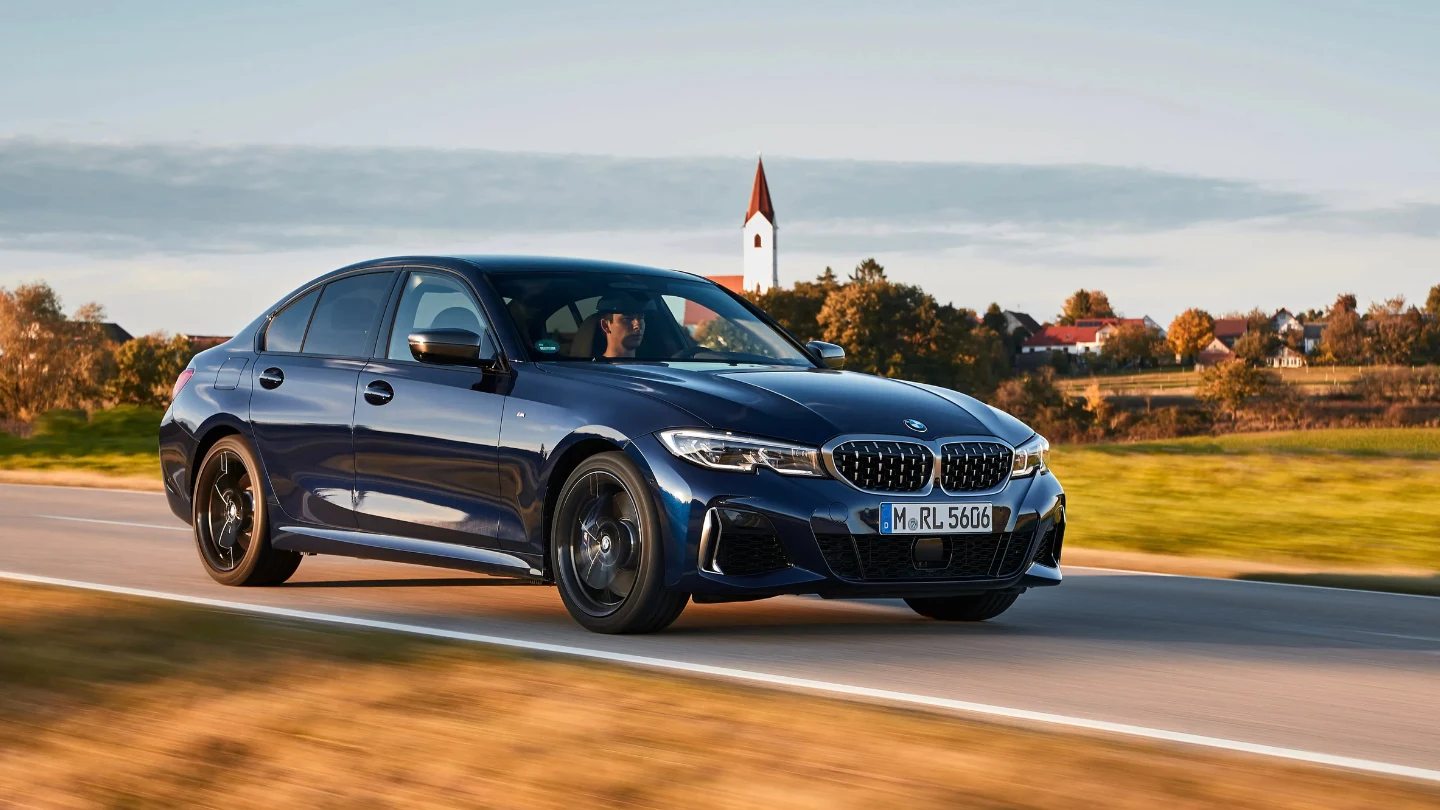
The 3 Series diesel decision reflects a much bigger shift across Europe, as diesel once dominated the car market there. In 2015, diesel cars held a 51.6% market share, compared with 43.7% for petrol, and hybrids accounted for just 1.7%, while EVs and PHEVs combined represented only 1.4%.
The market looks very different in the first half of 2026. Hybrids now lead the market, followed by EVs and petrol cars; PHEVs sit fourth, while diesel has fallen to fifth.
The market shifted significantly around the time of the Dieselgate emissions cheating scandal involving Volkswagen in late 2015.
BMW does not publish 3 Series sales by drivetrain, but Automotive News understands diesel engines accounted for as much as 80% of European 3 Series sales during the E90 generation from 2005 to 2013 and the F30 generation from 2011 to 2019. Diesel demand has fallen sharply since then.
In Germany, diesel reportedly accounted for around 25 to 30% of 3 Series sales during 2025.
SUVs still keep diesel alive
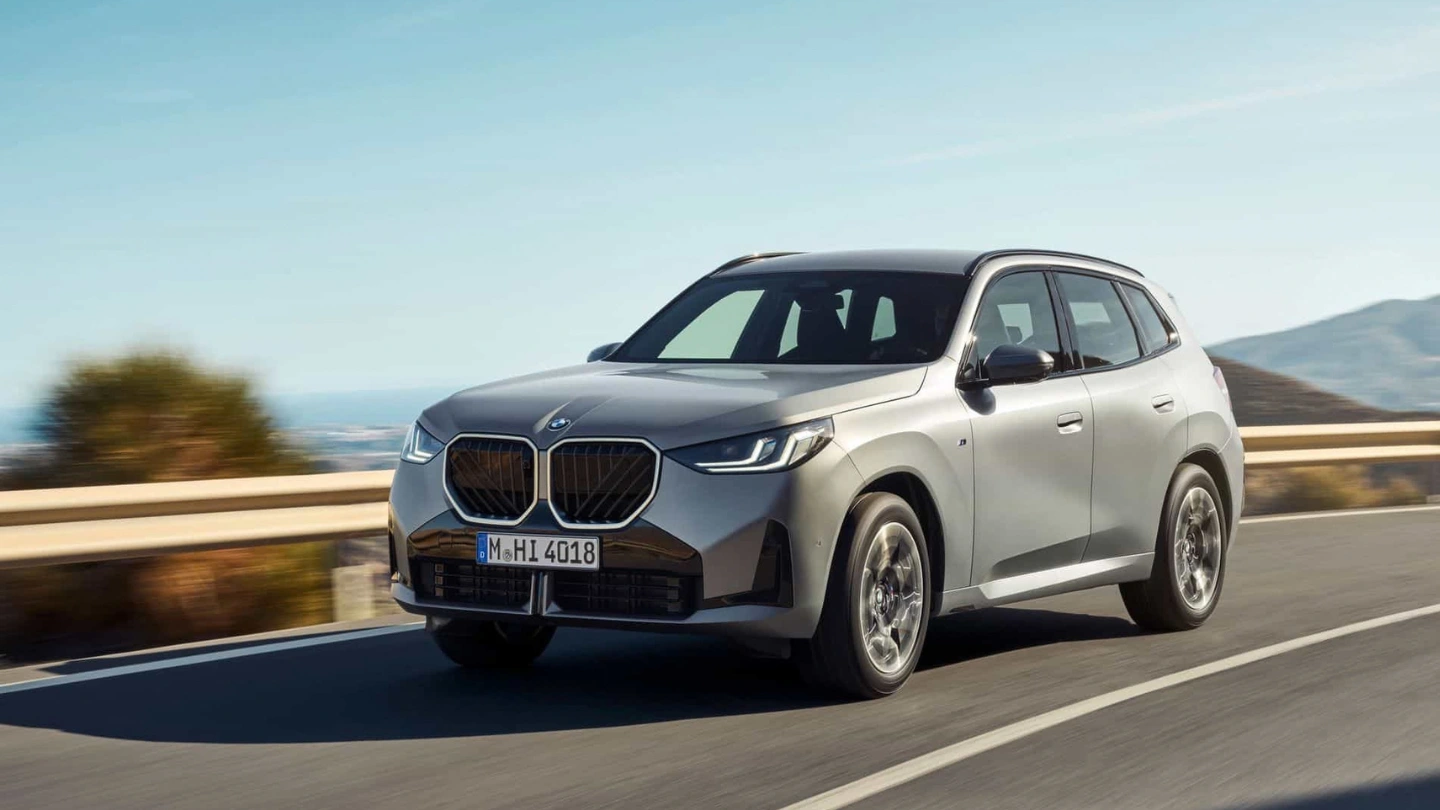
Diesel’s decline does not affect every BMW model equally. Sales reportedly remain stronger among larger SUVs, and diesel engines accounted for more than half of all BMW X5 and X7 sales in Europe.
While BMW plans to offer diesel options in a few large SUVs, like the X3, X5, X6, and X7, until around 2030, the diesel powertrain has already been eliminated from the 5 Series, 7 Series, X1, and X2 line-ups as well.
Regional car emissions rules such as NVES in Australia also support the diesel phase-out, in addition to the Euro 7 emissions regulations.
Still want a diesel BMW? Explore these thoroughly inspected used BMW cars available with a 30-day return policy across Australia.

Comments
New Comment