




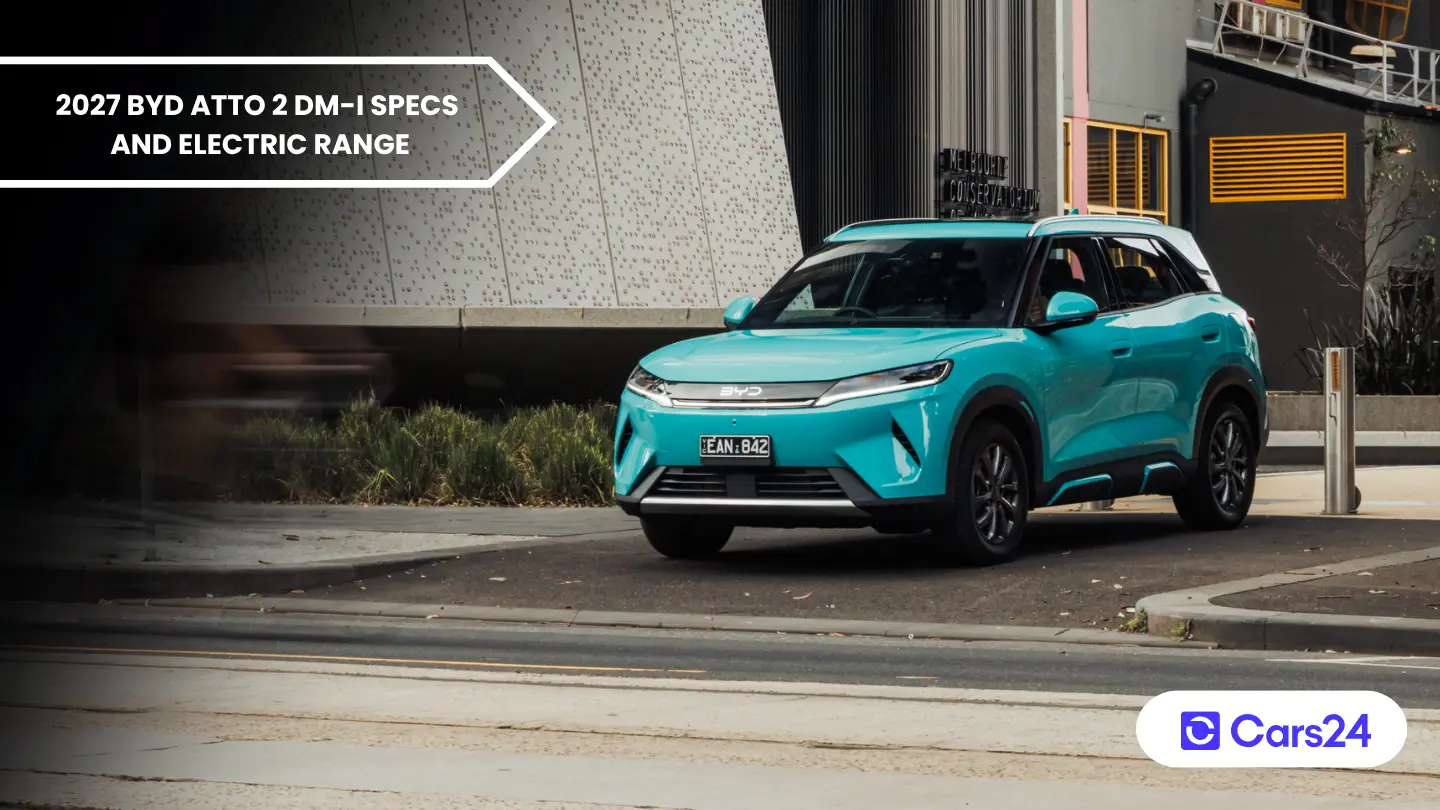
Key highlights
- Two Atto 2 DM-i variants are available with 7.85kWh and 18.03kWh batteries
- The Premium can travel up to 90km on electric power alone
- Both versions use front-wheel drive and support three different driving modes
The 2027 BYD Atto 2 DM-i brings plug-in hybrid power to the brand’s smallest SUV, but the two Australian variants take noticeably different approaches to electrification. The Essential uses a 7.85kWh Blade lithium-iron-phosphate battery, while the Premium gets a much larger 18.03kWh unit. That gives the two versions claimed WLTP electric driving ranges of 39km and 90km respectively.
Both versions use the same naturally aspirated 1.5-litre four-cylinder petrol engine, producing 72kW and 122Nm. The electric motor is rated at 145kW and 300Nm. Despite sharing the same basic hardware, the two grades have different combined power outputs. The Essential produces 122kW, while the Premium increases that figure to 156kW. The claimed 0-100km/h times are 9.1 seconds and 7.5 seconds respectively.
Read more: 2027 BYD Atto 2 DM-i price: Australia’s cheapest PHEV
| Specification | BYD Atto 2 DM-i Essential | BYD Atto 2 DM-i Premium |
| Engine | 1.5L four-cylinder | 1.5L four-cylinder |
| Engine output | 72kW/122Nm | 72kW/122Nm |
| Battery | 7.85kWh | 18.03kWh |
| Combined power | 122kW | 156kW |
| Combined torque | 300Nm | 300Nm |
| Electric range | 39km | 90km |
| 0-100km/h | 9.1 seconds | 7.5 seconds |
| Drive | Front-wheel drive | Front-wheel drive |
Three ways to use the hybrid system
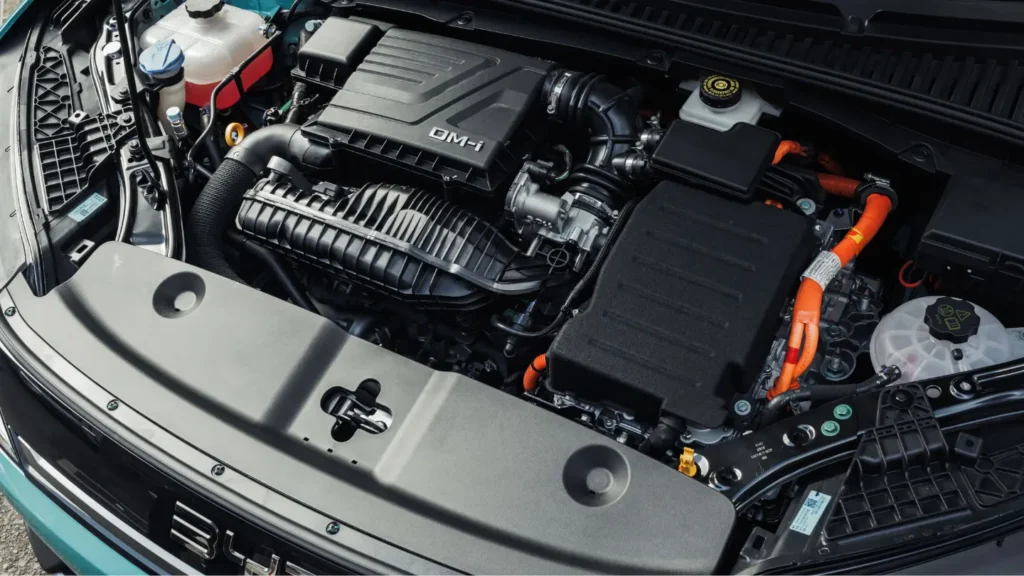
The BYD Atto 2 DM-i is not limited to simply switching between petrol and electric power. BYD gives both variants three powertrain modes. EV Pure Electric uses the battery and electric motor to drive the car, while HEV Series uses the petrol engine as a generator to supply electricity to the battery and motor. The third setting, HEV Parallel, allows the petrol engine and electric motor to work together to drive the wheels. Both versions are front-wheel drive and use an electronic continuously variable transmission.
Charging remains relatively modest
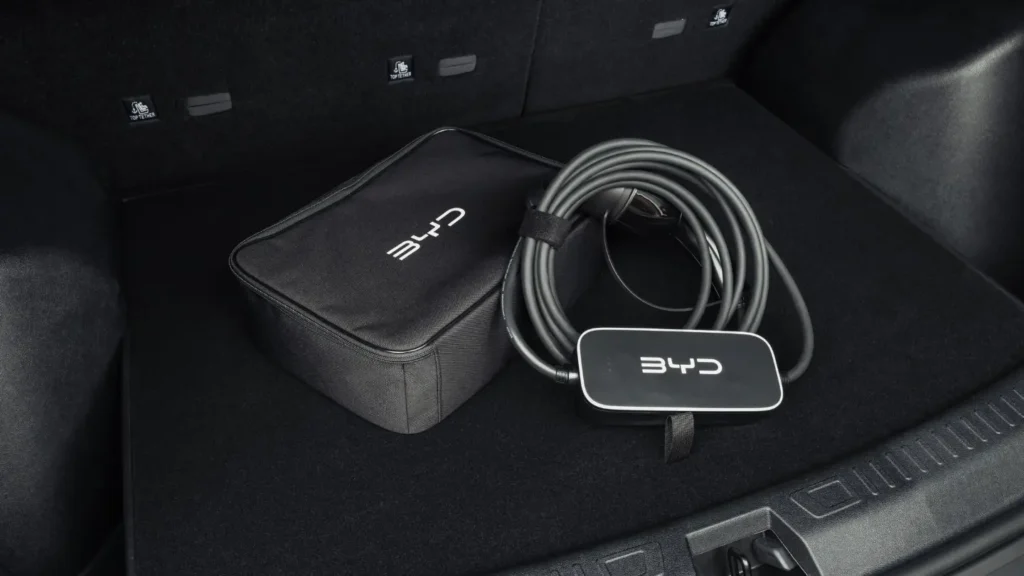
The BYD Atto 2 DM-i can be plugged in to replenish its battery, although neither Australian variant supports DC fast charging. Both versions have a maximum AC charging rate of 3.3kW. The smaller battery in the Essential takes less time to charge, while the Premium’s larger 18.03kWh battery requires longer. The Premium also gains vehicle-to-load functionality, allowing the battery to supply power to compatible external equipment.
Premium adds more than just battery capacity
The larger battery is not the only difference between the two Atto 2 DM-i variants. The Essential comes with cloth upholstery, manual seat adjustment, a polyurethane steering wheel, a 10.1-inch touchscreen and a four-speaker audio system. It also gets wireless Apple CarPlay and Android Auto, adaptive cruise control, a surround-view camera, blind-spot monitoring, LED lighting and 16-inch alloy wheels.
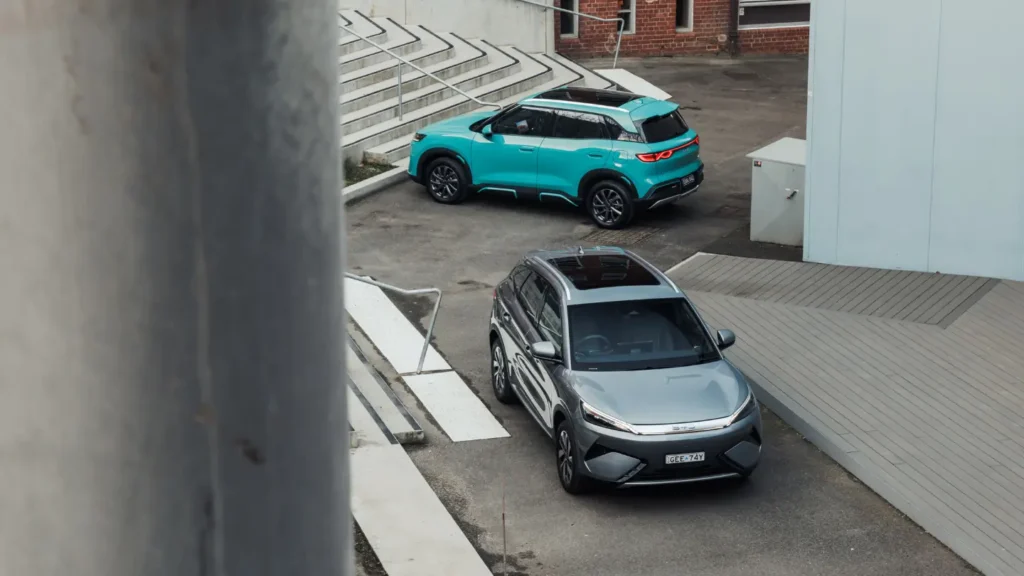
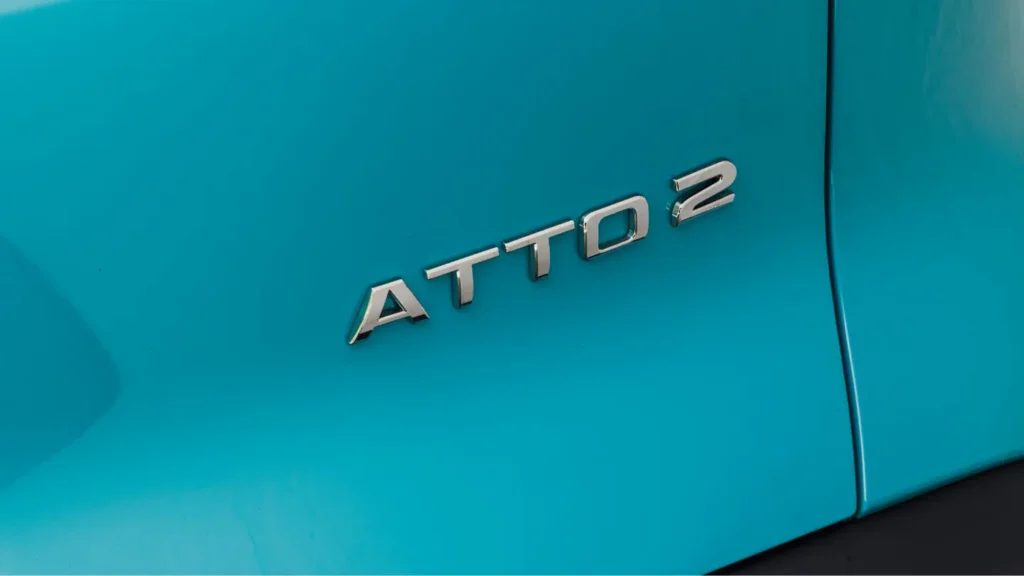
Stepping up to the Premium brings synthetic leather upholstery, a power-adjustable driver’s seat and heated front seats. The touchscreen grows to 12.8 inches and the audio system gains eight speakers. There is also a power sunroof, roof rails, wireless phone charging, front parking sensors and 17-inch alloy wheels. The Premium is also available with a distinctive Turquoise Blue exterior colour and gains the aforementioned V2L capability.
How much is the BYD Atto 2 DM-i?
The 2027 BYD Atto 2 DM-i is available in Australia in two grades. The Essential is priced at $24,990 before on-road costs, while the Premium costs $29,990 before on-road costs. The BYD Atto 2 DM-i sits alongside the existing fully electric Atto 2 range, which starts from $31,990 before on-road costs.
BYD has confirmed local deliveries of the DM-i will begin in October 2026. The new plug-in hybrid therefore gives buyers a choice between a smaller battery and lower entry price or a larger battery, longer electric range and additional equipment in the Premium. With its 90km claimed electric range, the Premium in particular can cover many daily trips without using its petrol engine, while retaining the longer-distance flexibility of a petrol-assisted powertrain.

Comments
New Comment