




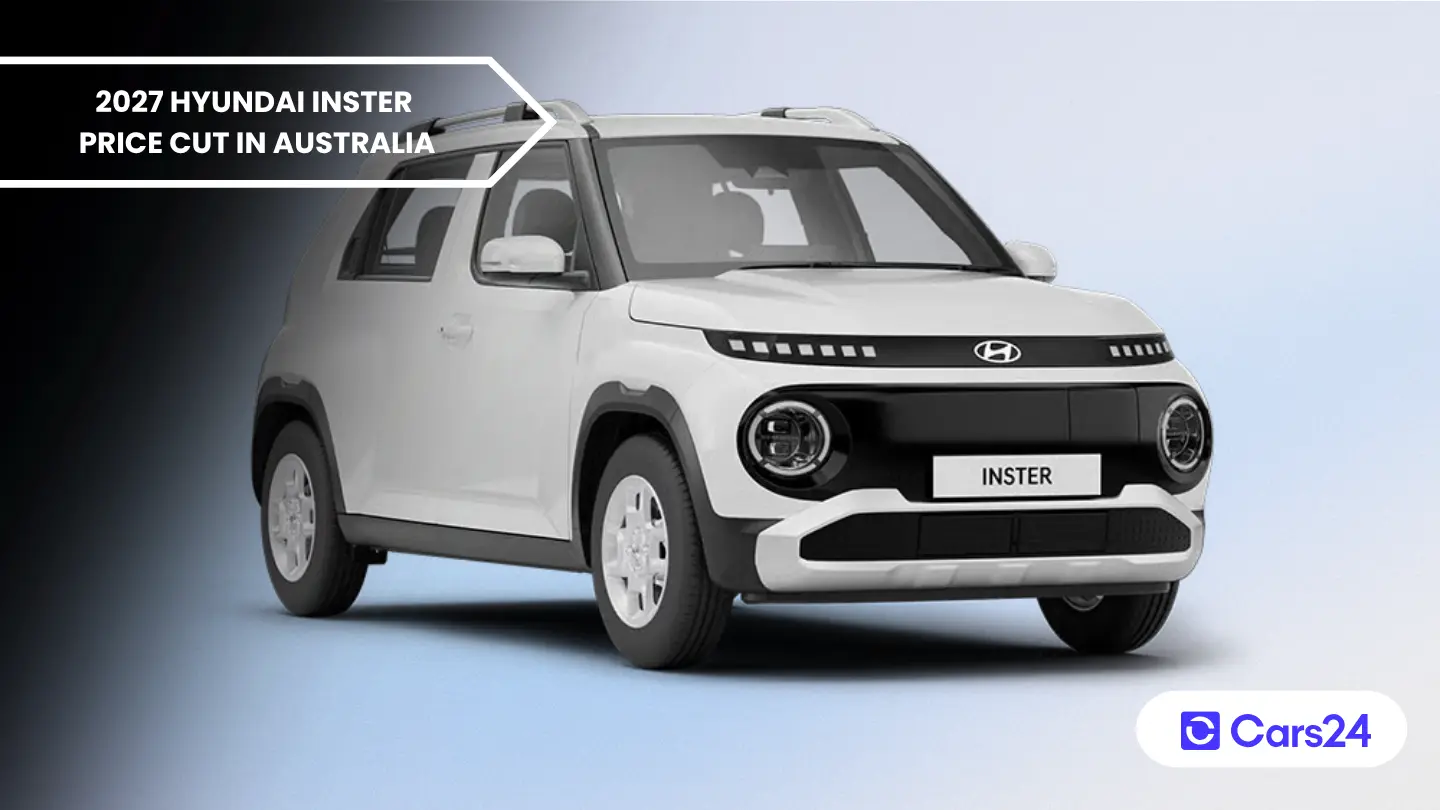
Hyundai Australia has made its pint-sized electric hatch cheaper, but buyers will be giving up a few things to get the lower price. As of 8 October 2026, the 2027 Hyundai Inster is sold in two variants instead of three, each priced $1500 lower than before.
Read more: 2027 Hyundai Tucson range to be hybrid-only in Australia
What has changed on the 2027 Inster?
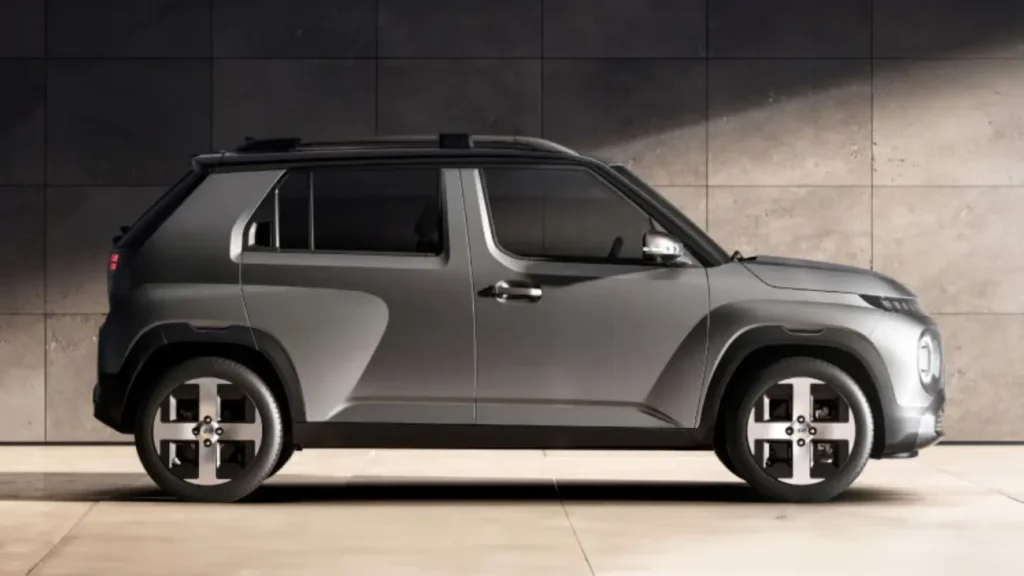
The mid-spec Extended Range is gone. Hyundai Australia says it was dropped because it sold more slowly than the other two grades. That leaves the Inster Standard Range at $37,500 before on-road costs and the top-spec Inster Cross at $43,500. Taking the $1500 cut into account, that puts the previous prices at $39,000 and $45,000. Model year 2027 cars are now arriving in Australia. To get the price down, Hyundai has removed the heat pump from both models, along with the internal V2L connection. Neither car comes with an emergency charging cable any more. The Cross has also lost its optional roof basket.
What the missing features mean in practice
A heat pump is a more efficient way of heating the cabin than a basic electric heater, so it takes less out of the battery on a cold morning. Hyundai hasn’t published any real-world range figures for the 2027 cars, and the claimed WLTP ranges are unchanged. It’s reasonable to expect that cabin heating will draw more energy now, but that is our expectation, not something tested. It matters most in Victoria, Tasmania, the ACT and the high country, and far less in Brisbane or Perth.
V2L lets you run appliances off the car’s battery, which is handy for camping, a day at the park or powering a few tools. Plenty of small-car buyers will never use it, but it was a point of difference for the Inster. The roof basket was a practical extra, but it also cut the Cross’s claimed range from 360km to 293km. Few buyers will mourn it.
Pricing and drive-away deals
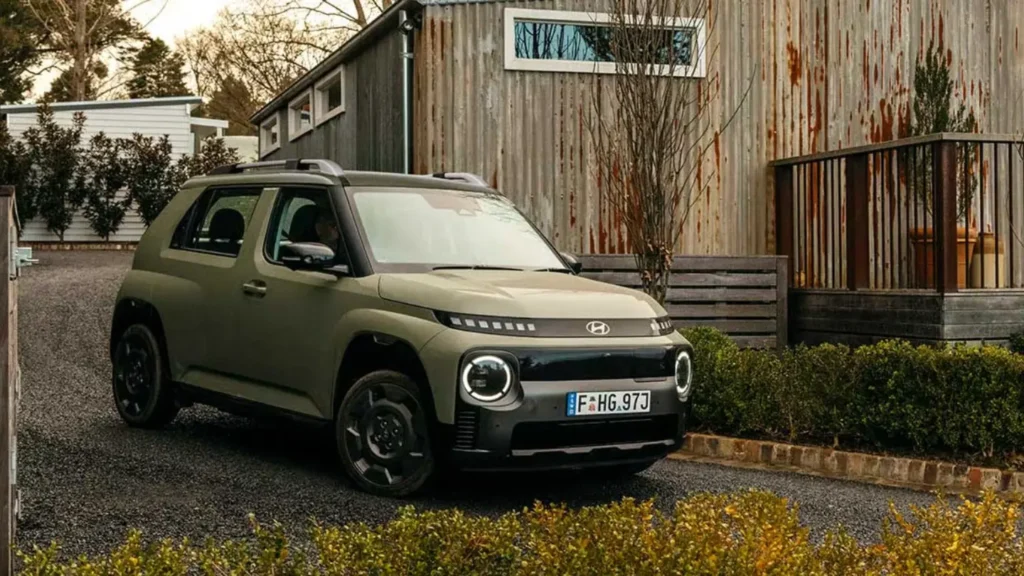
Hyundai is currently offering drive-away pricing until 31 December 2026. The Standard Range is $35,990 drive-away and the Cross is $41,990 drive-away. Both figures sit below the list prices before on-road costs, so it’s worth asking about the drive-away deal rather than working from the list price.
| Model | Price before on-road costs | Drive-away (until 31 Dec 2026) |
| 2027 Inster Standard Range | $37,500 | $35,990 |
| 2027 Inster Cross | $43,500 | $41,990 |
Specs and equipment are otherwise unchanged
The Standard Range uses a 71kW/147Nm front motor and a 42kWh nickel manganese cobalt battery, with a claimed WLTP range of 327km. The Cross gets an 85kW/147Nm motor and a 49kWh battery, good for a claimed 360km. WLTP is a lab test, so real-world range will usually be lower.
Both models come with LED headlights, keyless entry and start, a 10.25-inch infotainment screen, built-in satellite navigation with over-the-air updates, a wireless phone charger and a Bluelink connected services subscription. The Cross adds exterior cladding, 17-inch alloy wheels and leatherette seats that fold completely flat.
Where the Inster sits in a busy small EV market?
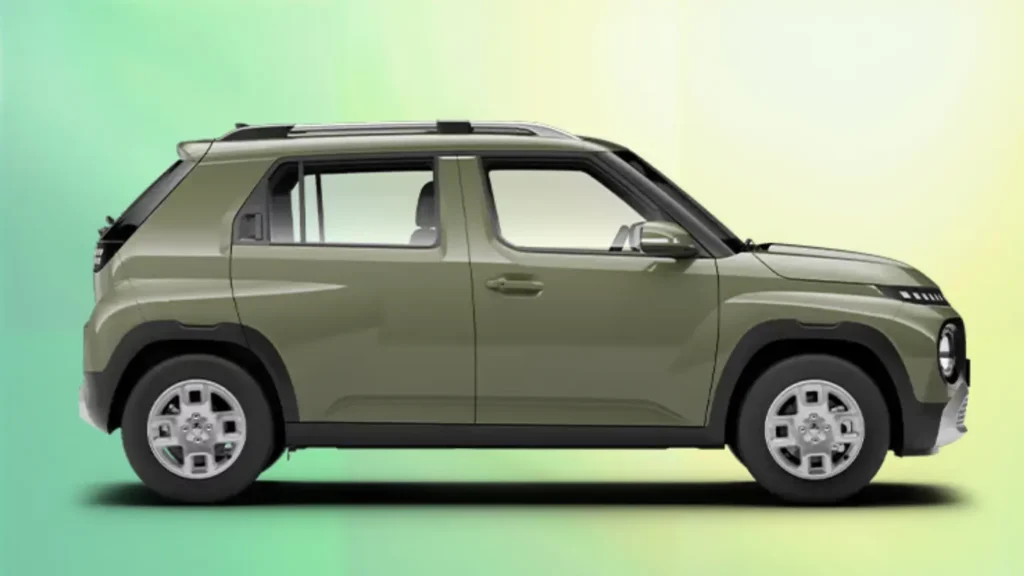
The cut lands as rivals sharpen their pitch. The Honda Super-One is arriving in showrooms at $36,900 drive-away, with waiting lists of up to 12 months. The BYD Atto 1 Essential, a four-seat hatch with a claimed 220km WLTP range, is on promotion at $19,990 drive-away, making it Australia’s equal-cheapest new car alongside the MG 3.
The sales figures show the gap. By the end of August 2026, BYD had sold 3838 Atto 1s. The Inster, which arrived here in April 2025, had 547 deliveries, almost double the same period last year. That is still ahead of the Mini Cooper Electric’s 207.
What does it mean for buyers?
The Inster can’t compete with the Atto 1 on price, so its case rests on longer range and more equipment. For a city commuter in a mild climate, the lower price and the drive-away offer make sense. If you camp, live somewhere cold or are counting on V2L, check what you’re giving up before you sign. It’s also worth confirming the exact equipment list with your dealer, since the cars arriving now differ from earlier stock.

Comments
New Comment