




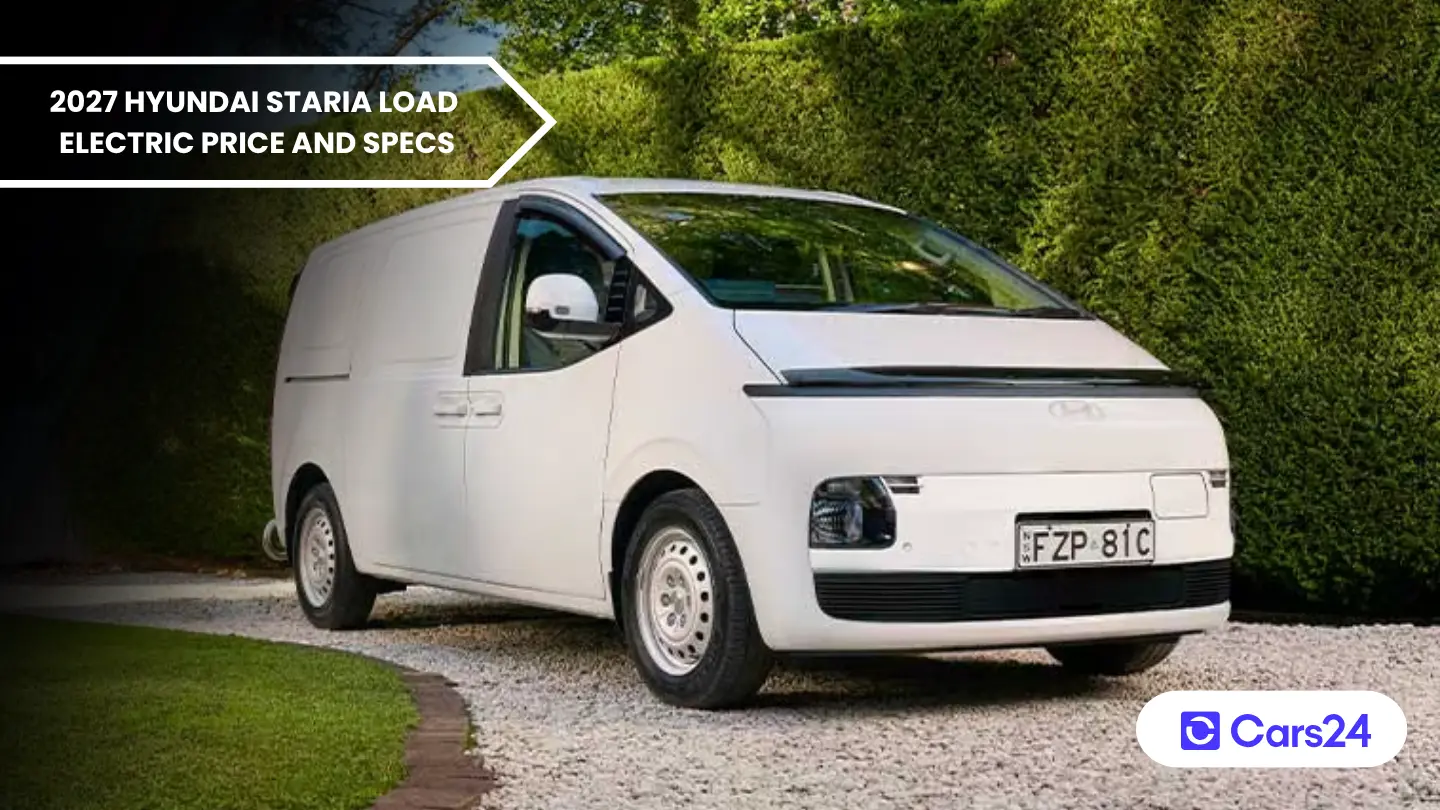
The 2027 Hyundai Staria Load range now includes diesel, hybrid and electric powertrains, with the new Staria Load Electric positioned as Hyundai’s answer to the growing electric van market. It’s priced at $70,990 before on-road costs, which is a genuinely big jump. That’s $21,000 more than the base diesel and $17,500 above the recently launched hybrid. For tradies and fleet buyers watching every dollar, that gap matters, and it puts the Electric firmly in “committed EV buyer” territory rather than an easy upgrade decision.
Unlike the diesel and hybrid, which come in base and Premium trims, the Electric is only available in base spec. If you want the plusher Premium equipment, you’ll need to look at the Hybrid Premium instead.
Read more: 2027 Hyundai i30 sedan confirmed for Australia by mid-next year
What you’re getting for the extra money
Under the floor sits an 84kWh battery running on Hyundai’s 800V architecture, the same tech that underpins quick charging on cars like the Ioniq 5. Hyundai claims a WLTP range of 450km, and if you can find a 350kW DC fast charger, a 10 to 80 per cent top-up takes just 20 minutes.
There’s also a three-pin V2L outlet in the cargo area, handy if you’re running power tools on a job site or just need to charge equipment away from the depot.
Performance-wise, the single electric motor sends 160kW and 350Nm to the front wheels, which lands right between the diesel’s 130kW and the hybrid’s 180kW. Energy consumption is claimed at 20.7kWh per 100km.
Practical trade-offs worth knowing about
Cargo volume is unchanged at 4935 litres, and payload actually edges ahead of the diesel at 1005kg. That’s a genuine win if you’re loading up daily. Towing is where things get more nuanced. The Electric is rated to 2000kg braked, which beats the hybrid’s zero towing capacity but falls short of the diesel’s 2500kg. Worth factoring in if trailer duty is part of your job. Kerb weight for the Electric is still listed as TBC by Hyundai, so we’d suggest checking with your dealer before finalising any load calculations.
Styling, tech and safety
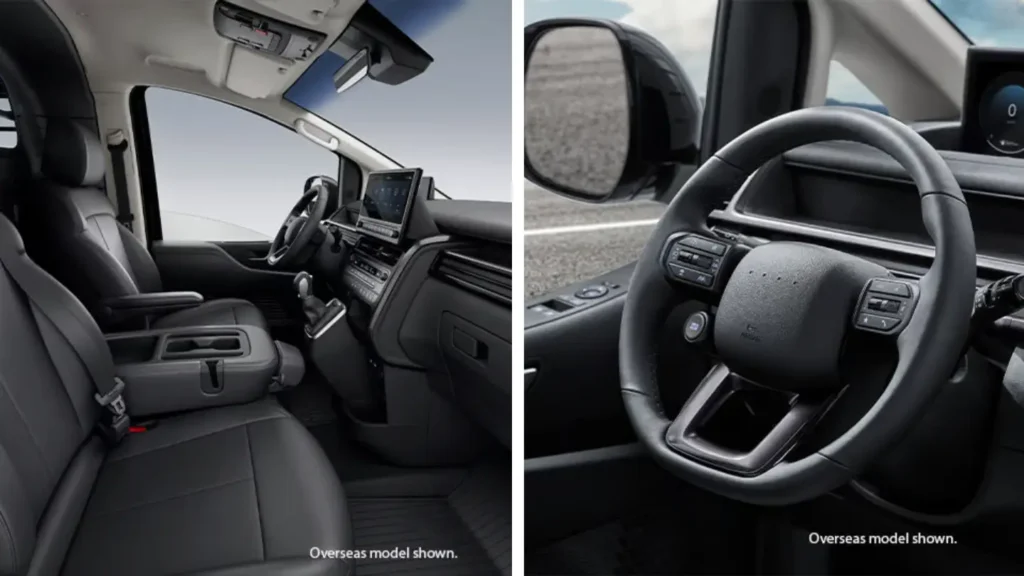
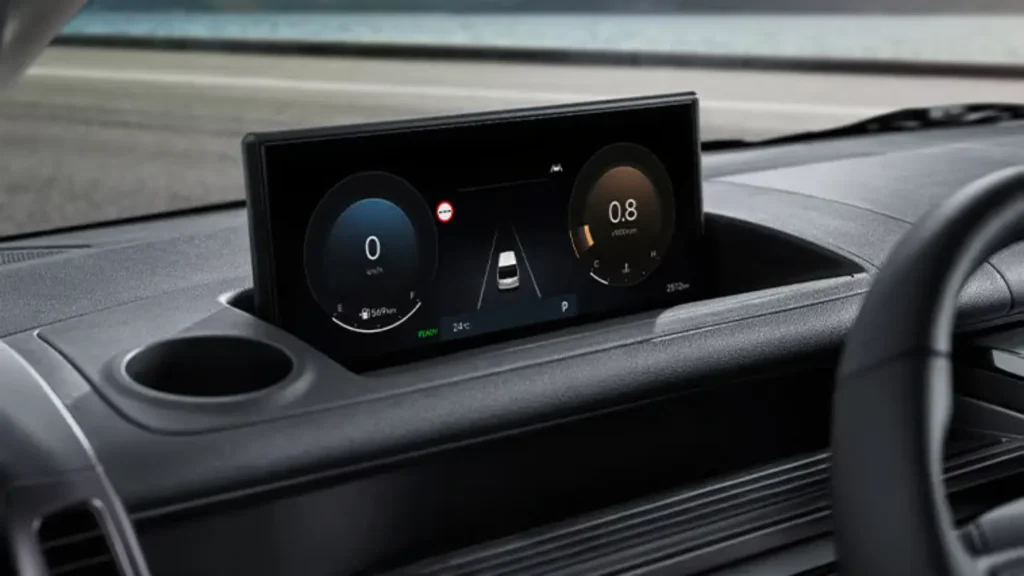
You can pick the Electric out from other Staria Loads thanks to its closed-off grille, a detail shared by plenty of EVs that don’t need as much cooling airflow. Inside, it gets the same 12.3-inch digital instrument cluster as the Hybrid Premium, along with the now-standard 12.3-inch touchscreen, over-the-air updates and a five-year Bluelink subscription that carries across the whole 2027 range.
On safety, the Electric adds Lane Following Assist 2 for lane centring, on top of the existing adaptive cruise, autonomous emergency braking and blind-spot assist. One thing to flag though is that the ANCAP’s five-star rating for the Staria Load, based on 2021 testing, currently applies only to the diesel and hybrid variants. The Electric hasn’t been separately assessed yet.
Ownership costs
Hyundai backs the Staria Load with a five-year, 160,000km warranty, plus an eight-year, 160,000km battery warranty for the Electric. Servicing is required every 24 months or 30,000km, with the first two visits capped at $645 and $667.
Should you buy one?
For businesses already sold on electrifying their fleet, the Staria Load Electric brings genuine range, fast charging and unchanged cargo practicality to the table. But the price premium is steep enough that diesel and hybrid buyers focused purely on upfront cost will likely stick with what they know, at least until charging infrastructure and running-cost savings make the maths add up more clearly.

Comments
New Comment