




Key highlights:
- Production-ready 2027 Tucson gets a full reveal at a world premiere event
- 5th-gen Tucson gets more space, power and a smarter cabin
- Memory Reverse Assist can automate parking-space exit routes
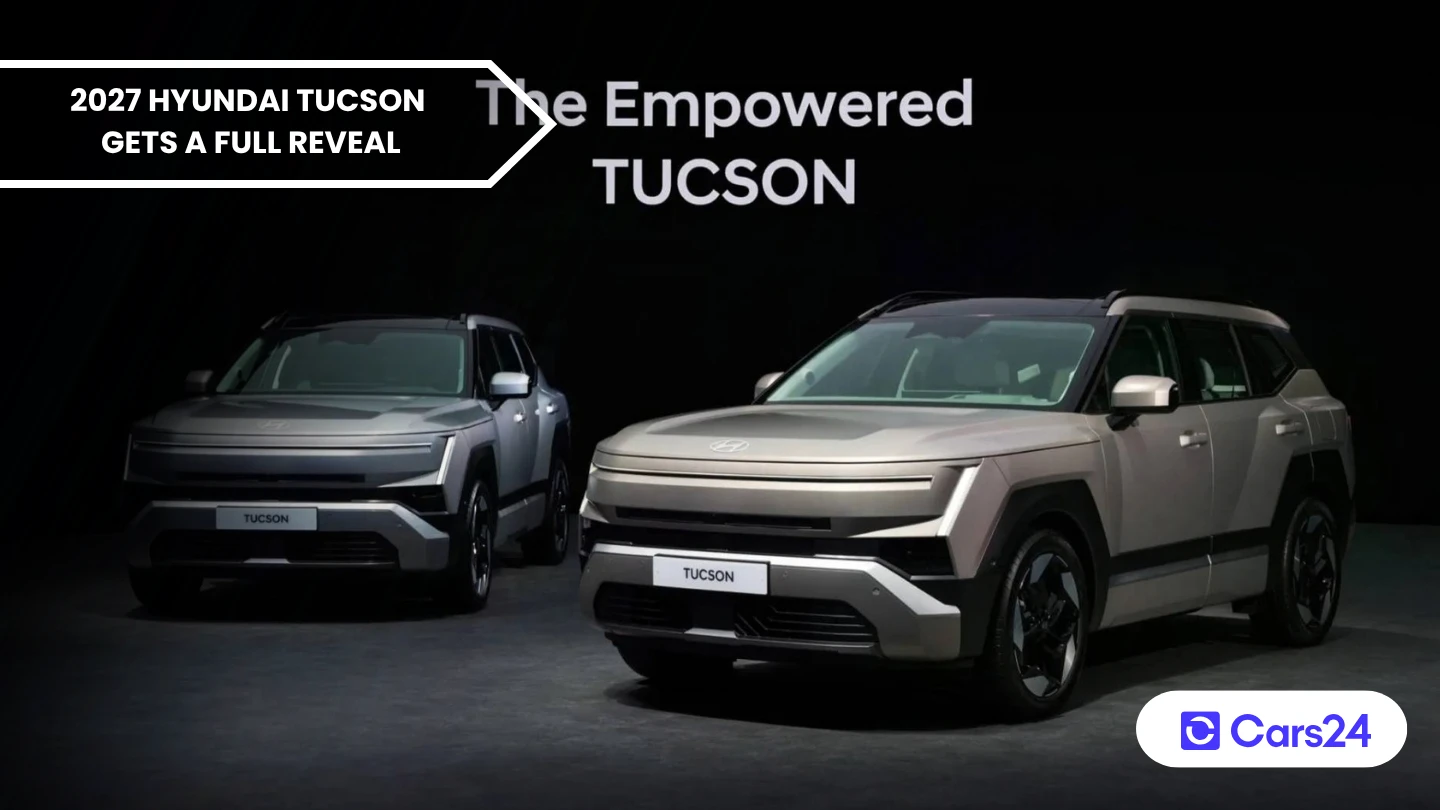
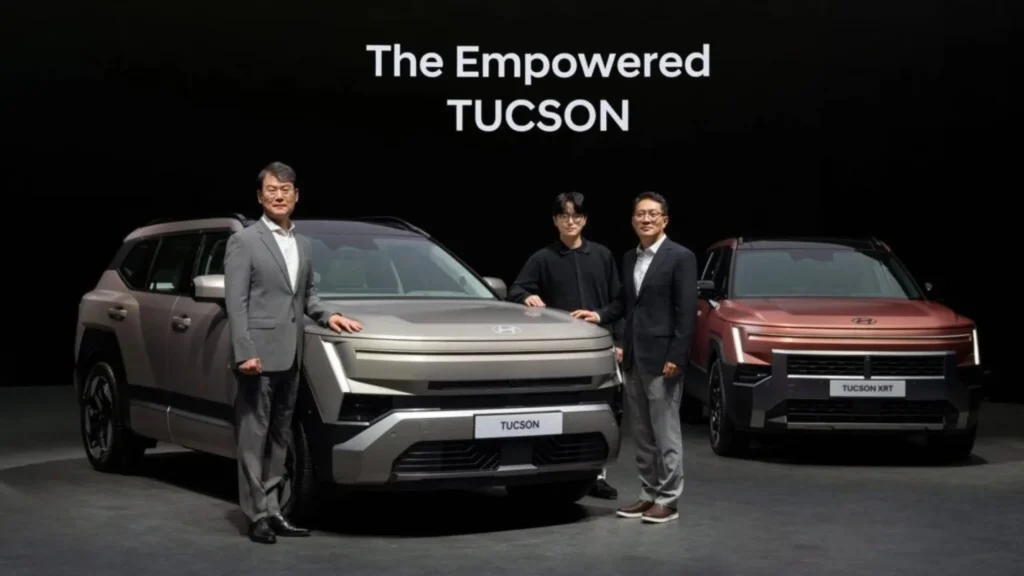
Hyundai has fully revealed its fifth-generation Tucson at a media event in Paju, South Korea, and this is the first time anyone has seen the completely production-ready all-new Tucson undisguised, inside and out.
The now bigger, compact SUV gets more space, extra power and a clever new memory feature designed to make tight parking spots easier to escape.
This reveal follows an earlier preview of its boxier new design and confirms more details about its dimensions, powertrains, technology and the new XRT variant. The highly anticipated SUV is confirmed to launch Down Under within H1 2027.
Tucson gets bigger inside and out
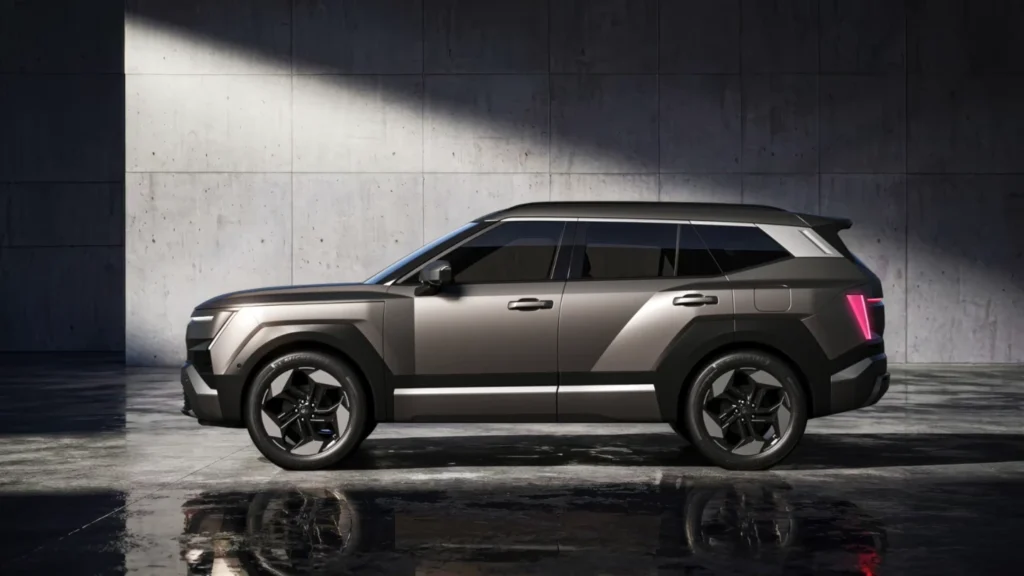
The new Tucson grows by 60mm in length and 40mm in width compared with the outgoing model, and its wheelbase also stretches by 30mm to 2785mm, creating more room for rear passengers. A taller, flatter roof adds 29mm of second-row headroom, while the rear doors now open an extra 10 degrees to make getting in and out easier
| Dimension | MY27 Hyundai Tucson |
|---|---|
| Length | 4700mm (+60mm than outgoing model) |
| Width | 1905mm (+40mm) |
| Height | 1685mm (+20mm) |
| Wheelbase | 2785mm (+30mm) |
| Rear headroom | 1031mm (+29mm) |
| Rear door opening angle | 83 degrees (+10 degrees) |
| Combined fuel consumption | 5.7L/100km (Korean test figure) |
The bigger body could make tight parking spaces even trickier, but Hyundai has added technology specifically designed to help.
Memory Reverse Assist backs you out
Memory Reverse Assist records the route the Tucson takes while entering a parking space, and when it is time to leave, the system can use that stored route to reverse the vehicle back out without the driver needing to touch the steering wheel.
The Tucson’s 360-degree camera also gains a ‘Ground View’ function, allowing occupants to see what is happening around the vehicle on the central screen.
Hyundai has also added software that can detect when the driver presses the wrong pedal at low speeds and limit the force applied.
Also read: Wuling’s Eksion EV SUV just showed up in Australian Paperwork
More power from Korean-market engines
Hyundai has also increased power outputs for the Korean-market Tucson, although specifications for the US and Europe could differ. The entry-level 1.6-litre turbocharged mild-hybrid four-cylinder now produces 190hp (~142kW), up 10kW from the outgoing model.
Hyundai also replaces the previous seven-speed dual-clutch transmission with an eight-speed torque-converter automatic.
| Specifications | MY27 Hyundai Tucson MHEV | MY27 Hyundai Tucson HEV |
|---|---|---|
| Engine | 1.6-litre inline turbocharged mild-hybrid four-cylinder | 1.6-litre inline turbocharged four-cylinder petrol |
| Combined power output | 142kW (+10kW) | 180kW (+8kW) |
| Combined torque output | 265Nm | 380Nm |
| Transmission | 8-speed AT | Dedicated Hybrid Transmission (DHT) |
The 1.6-litre full-hybrid also gets a power increase, producing 180kW compared with the older one’s 172kW.
However, the larger body is presumably heavier, which could absorb some of the benefit from the extra output. Hyundai has not yet announced plug-in hybrid details.
Exterior: A tougher look
The MY27 Tucson’s exterior has been out for a long time now. The brand follows the ‘Art of Steel’ design language here, which marks a major departure from the outgoing SUV.
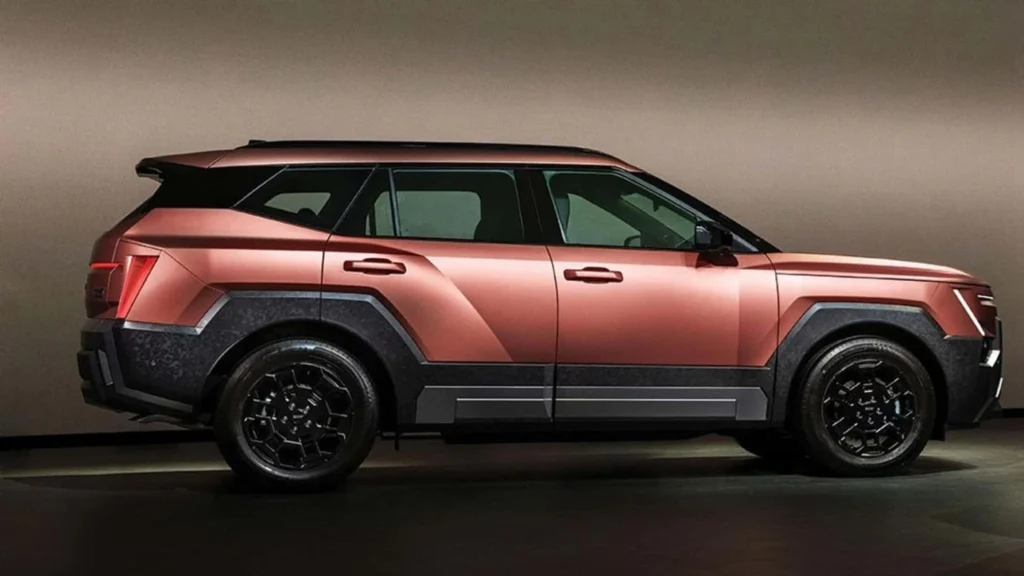
The styling follows themes previewed by the Crater concept revealed in November 2025. The production Tucson does not go as far as the rugged Crater concept, but buyers can push the tougher look further with the XRT trim, which adds a unique front grille, wheel-arch trims, and skid plate. The XRT gets the same standard hardware under the bonnet.
Tablet-style interior replaces old layout
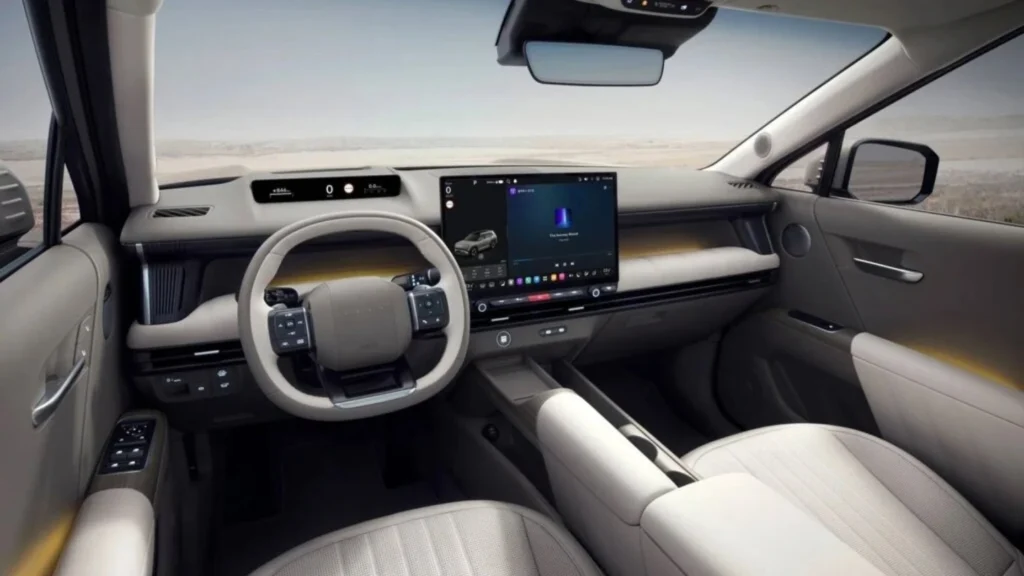
The cabin also takes a major step away from the outgoing Tucson. Instead of combining the digital instrument cluster and central touchscreen into one arrangement, the new Tucson uses a conventional tablet-style touchscreen running Hyundai’s Pleos infotainment system.
A smaller digital instrument display sits separately in the upper section of the dashboard.
The squared steering wheel gets physical clickable buttons, while another row of physical switches sits below the central touchscreen. USB ports underneath can deliver up to 100W of power to connected devices.
Australian debut coming early next year
The new Tucson is expected to make its global and US debuts later in 2026. Hyundai is expected to show the SUV at October’s Paris Motor Show and November’s Los Angeles expo, roughly a year after revealing the Crater concept.
Buyers Down Under will have to wait slightly longer as Hyundai Australia has confirmed that the fifth-generation SUV is slated to land here during the first half of 2027. It is very likely that Australia will receive an all-hybrid engine line-up, featuring an upgraded 1.6-litre turbocharged system.
Still a fan of the older Tucsons? Check out used Hyundai Tucsons offered with a 30-day return policy across Australia.

Comments
New Comment