




Key highlights:
- New Tucson Hybrid produces 180kW and 380Nm from 1.6-litre turbo
- The upgraded hybrid uses a new highly integrated dual-motor transmission
- The 2027 hybrid grade is 27% more powerful than the petrol variant
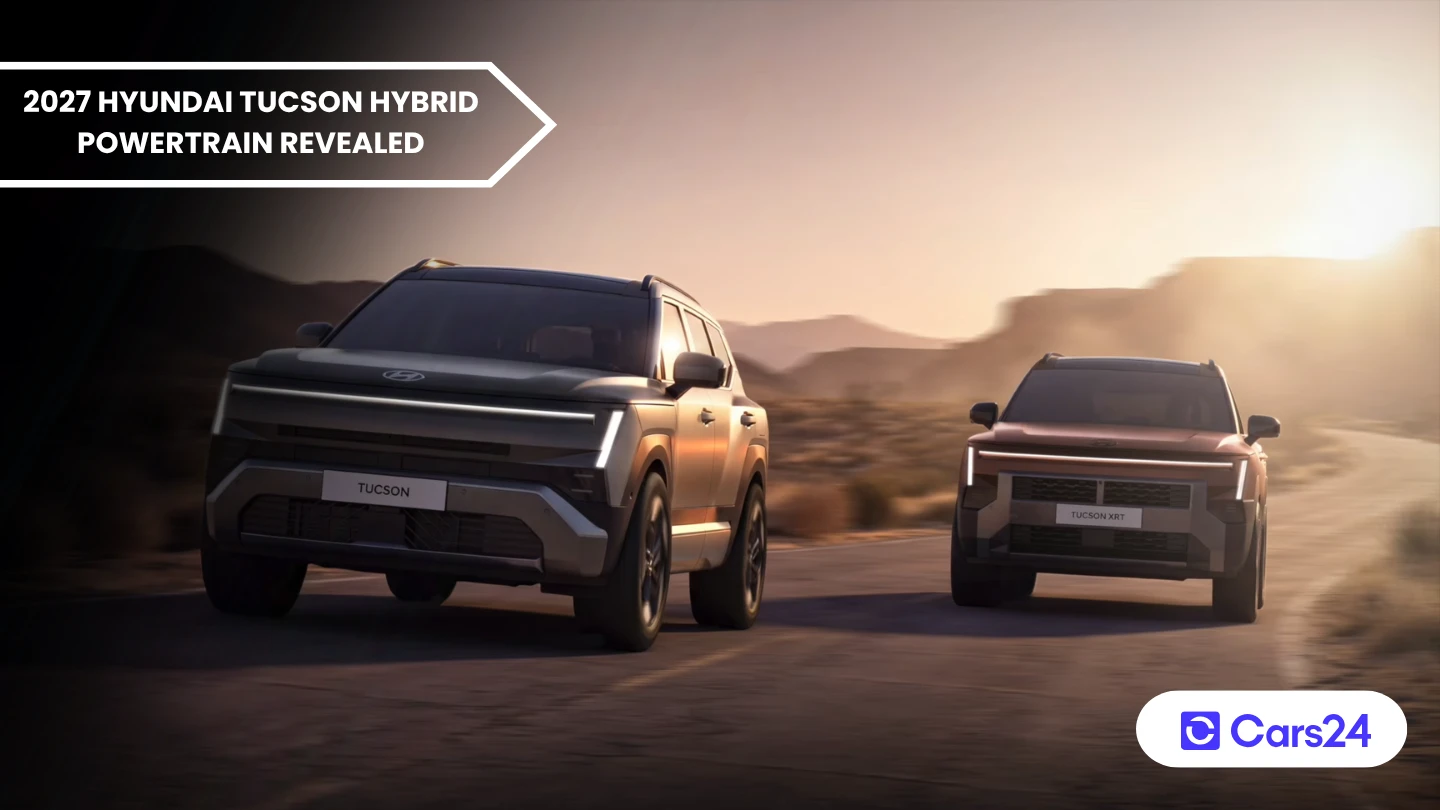
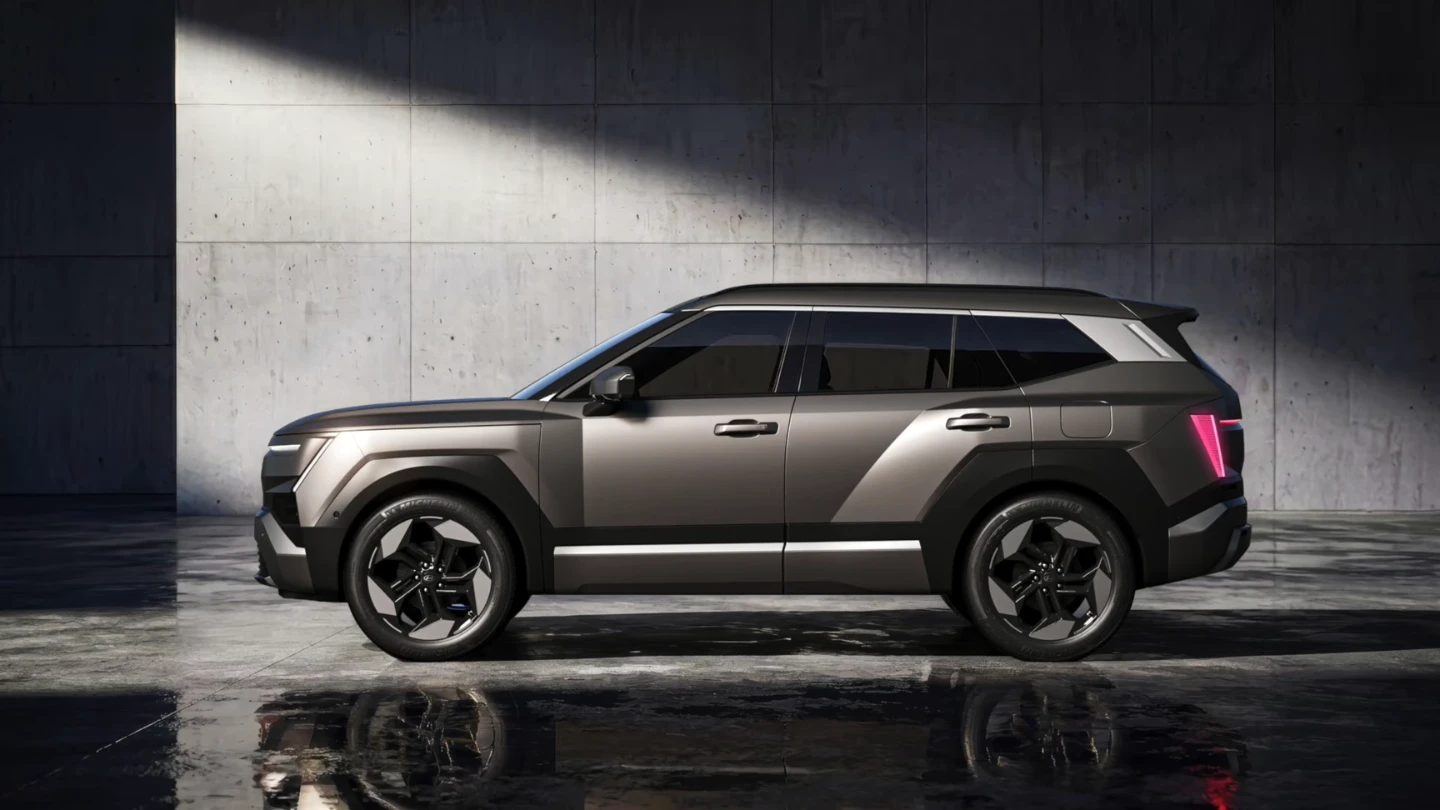
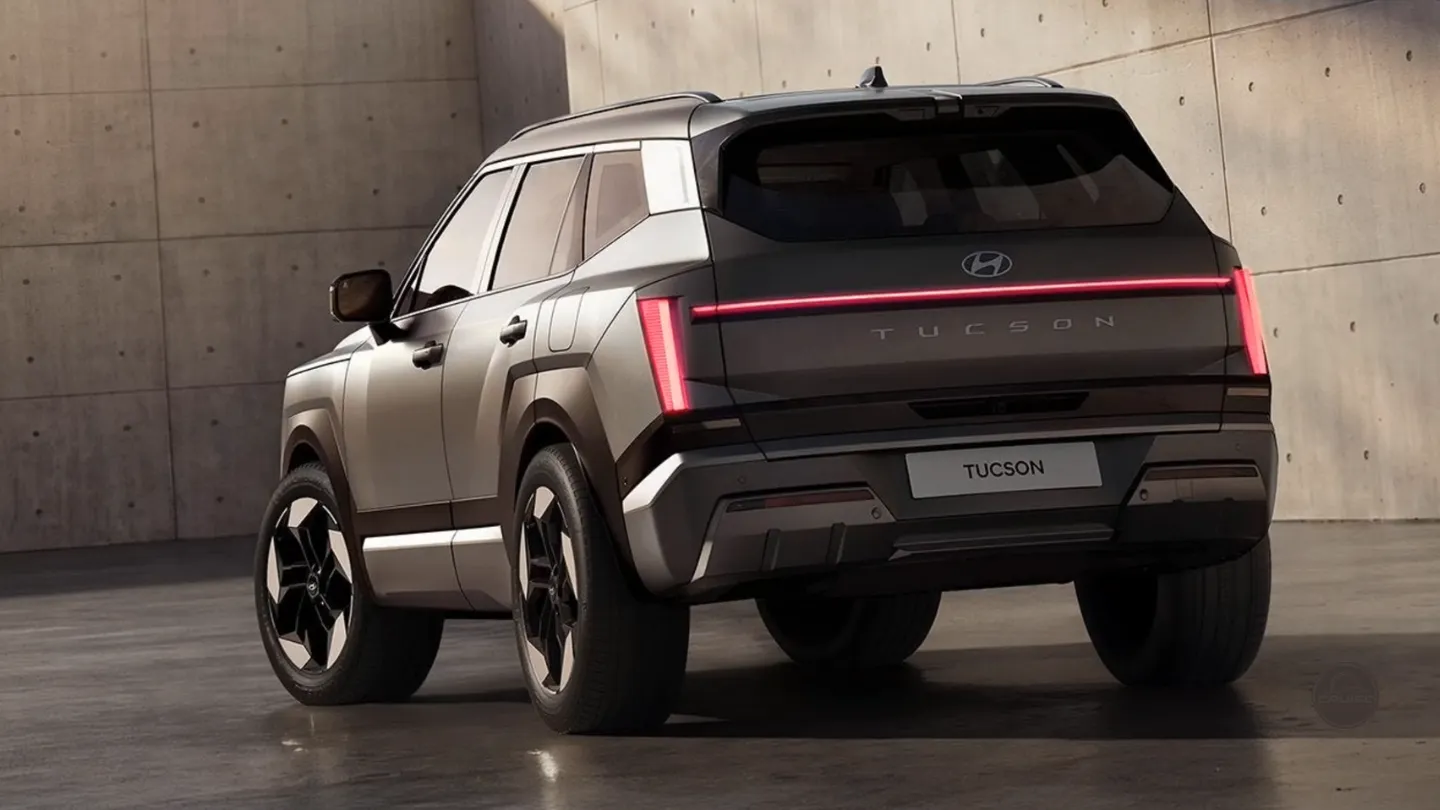
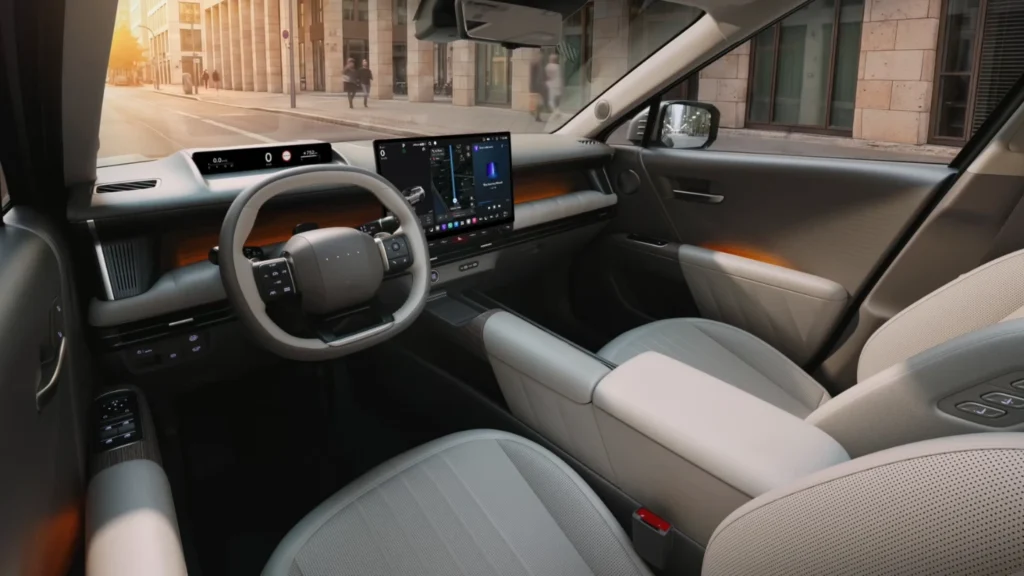
Hyundai has revealed more details, mainly about the new hybrid powertrain in the 2027 Hyundai Tucson Hybrid at its 2026 CEO Investor Day in South Korea. The new electrified mid-size SUV is expected in Australia next year and brings boxier styling, a larger cabin and a new hybrid system that lifts power and torque over the current model.
The fifth-generation 2027 Tucson will arrive as one of seven new Hyundai models scheduled to launch globally within the next eight months.
Many believe that because this next-generation hybrid SUV introduces premium TMED-II architecture, a larger footprint, and upgraded standard tech, a price increase is highly expected.
The new Tucson will also enter the country’s most cutthroat market segment of mid-size SUVs, where it can compete with the Toyota RAV4 Hybrid, Kia Sportage Hybrid, Mitsubishi Outlander PHEV, Honda CR-V e:HEV, and BYD Sealion 6.
New efficient hybrid system delivers 180kW
The 2027 Tucson Hybrid will use Hyundai’s more powerful next-generation hybrid system, codenamed TMED-II FF. It combines a 1.6-litre turbocharged four-cylinder petrol engine with a new dual-motor hybrid transmission to produce 180kW / 380Nm, up from the current Tucson Hybrid’s 172kW and 367Nm.
This is also 37kW more power than the Toyota RAV4 GX 2WD Hybrid, which produces 143kW.
The new hybrid also has a sizeable advantage over the non-hybrid Tucson’s 1.6-litre turbo-petrol powertrain, as Hyundai says the hybrid delivers:
- 27% more power
- 43% more torque
- 43% lower fuel consumption
- One second quicker 0–100km/h acceleration
| Specification | 2027 Hyundai Tucson Hybrid |
| Engine | 1.6-litre four-cylinder turbocharged petrol |
| Power output | 180kW |
| Torque output | 380Nm |
| Transmission | 6-speed automatic |
| Acceleration (0-100km/h) | 8.5s |
| Combined fuel consumption | 5.7L/100km |
The South Korean presentation listed combined fuel consumption at 5.7L/100km, which seems even higher than the current Australian Tucson Hybrid’s 5.3L/100km for the all-wheel-drive version. But the company has not confirmed the Australian fuel-consumption figures for the 2027 model, so those numbers may not provide an accurate comparison.
Hyundai Motor Group has said its next-generation 1.6-litre hybrid system uses more than 4% less fuel than the previous-generation system in a mid-size SUV.
The new Tucson has also grown considerably, and this larger body could influence the final Australian fuel-consumption figure.
The Hybrid system can also support vehicle-to-load (V2L) capability.
Dual motor setup borrowed from the Palisade
The dual-motor P1+P2 Parallel setup in the 2027 Hyundai Tucson is structurally unique compared to its predecessor and is downsized from the similar, bigger setup on the flagship Hyundai Palisade hybrid sold overseas.
The new hybrid system uses two electric motors in the transmission housing:
- P1 motor starts the petrol engine, generates electricity to charge the battery and assists with propulsion.
- P2 motor drives the vehicle and handles regenerative braking.
Hyundai says this setup delivers more power, better energy efficiency, smoother gear shifts and greater overall powertrain refinement.
New Hybrid tech will spread across Hyundai and Kia
Hyundai Motor Group plans to share the new hybrid technology across future Hyundai and Kia models, and it also includes a 2.5-litre turbocharged system designed for larger vehicles such as the Palisade.
The 2.5-litre system already powers the latest Hyundai Palisade and Kia Telluride hybrids in overseas markets, while the 1.6-litre system is expected to reach future Kia models including the Sportage.
Also read: All-new 2027 Hyundai Tucson spotted in Korea
New Tucson grows larger
The new platform pushes the 2027 Tucson’s footprint and makes it larger than its main competitors like the Toyota RAV4 and Volkswagen Tiguan; here are its dimensional increases over the fourth-generation model:
- Length: 4,700 mm (Up by 60 mm)
- Width: 1,905 mm (Up by 40 mm)
- Height: 1,685 mm (Up by 20 mm)
- Wheelbase: 2,785 mm (Up by 30 mm to 40 mm)
And as already revealed in its debut, the new Tucson has the more 29mm more rear-seat headroom and 10 degrees wider door opening angles.
Australian launch details remain unclear
Hyundai Australia has not confirmed the local specifications for the fifth-generation Tucson, but the Hybrid model is expected to reach Australian showrooms next year; local powertrain, fuel-consumption and specification details remain unconfirmed. The Tucson currently ranks as Hyundai Australia’s second-best-selling model, behind the Kona small SUV.
Short on budget? You might want to consider a second-hand, fully inspected Hyundai Tucson like the one in the video below:

Comments
New Comment