




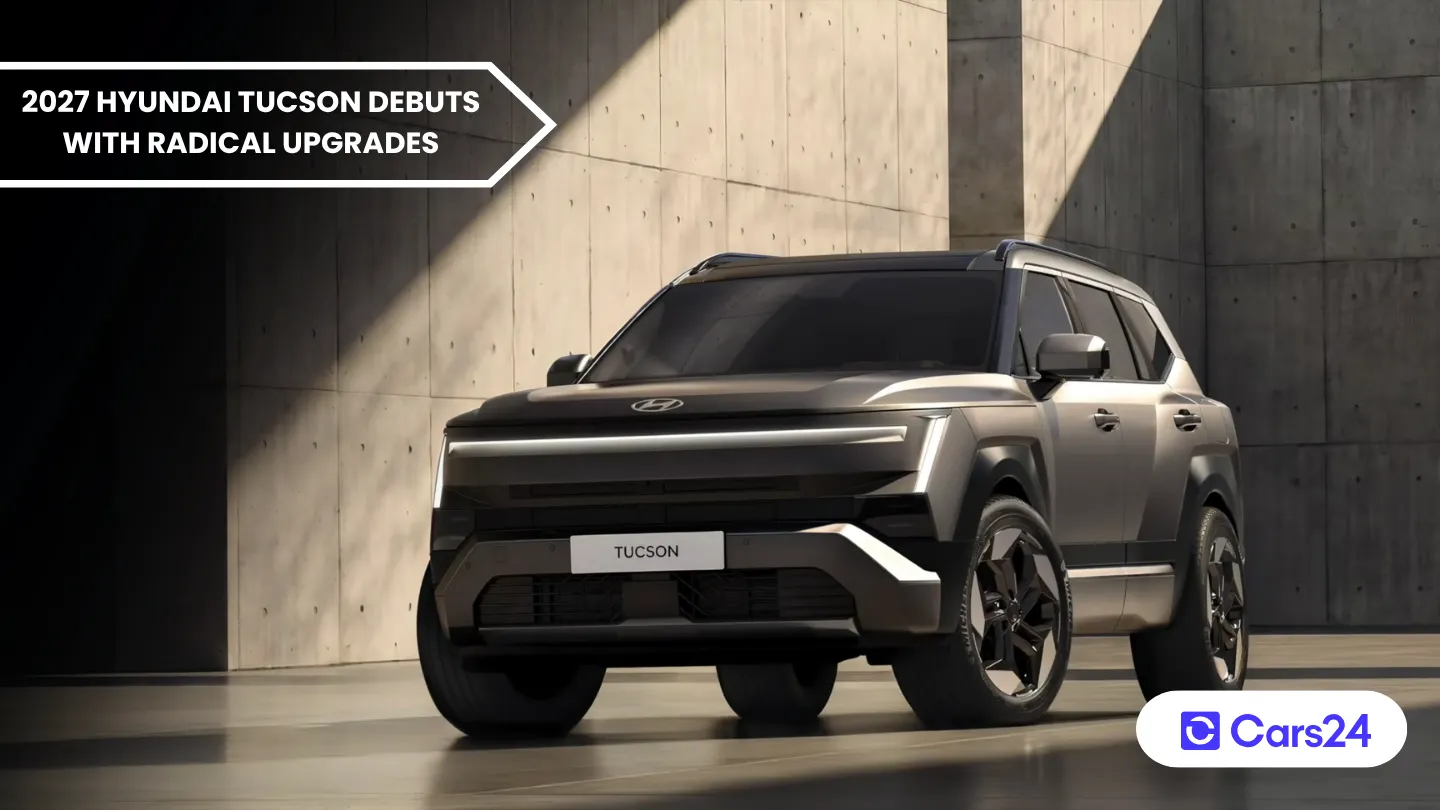
Hyundai has revealed the fifth-generation Tucson in South Korea, which is a design-only reveal for the all-new mid-size SUV, and Hyundai Australia has not confirmed the exact launch timing yet, but it is expected to reach showrooms in 2027.
The new model takes a big step away from the current Tucson’s rounded, heavily sculpted shape and has gone bigger, boxier and more technology-focused, with a cabin built around software and digital features.
Hyundai has not confirmed the pricing and variant structure, not even in its home market yet. The current-generation Tucson starts at $40,100 before on-road costs for the base petrol model in Australia.
The new Tucson will enter one of Australia’s most competitive vehicle segments and is expected to battle with the Toyota RAV4, Mazda CX-5, Kia Sportage, Mitsubishi Outlander, and Nissan X-Trail.
Changing buyer preferences and Australia’s New Vehicle Efficiency Standards (NVES) will also push the Hyundai Tucson into closer competition with electrified SUVs such as the BYD Sealion 6 and Sealion 7, Tesla Model Y and GWM Haval H6.
A bigger SUV generation in every direction
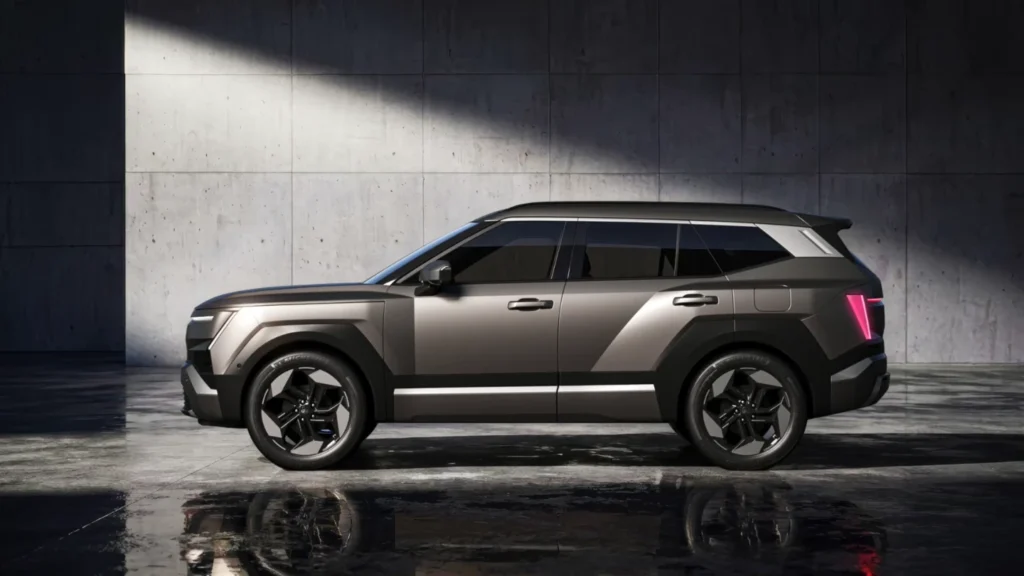
The all-new Tucson is bigger now, and the brand claims it has the best-in-class interior space; the new SUV measures:
- 4700mm long – up 60mm
- 1905mm wide – up 40mm
- 2785mm wheelbase – up 30mm
Rear-seat passengers also gain 29mm of headroom, and it is also easier to get into the rear seats, now that the rear doors open to an 83-degree angle, compared with 73 degrees previously.
Exterior: Tucson gets a tougher look
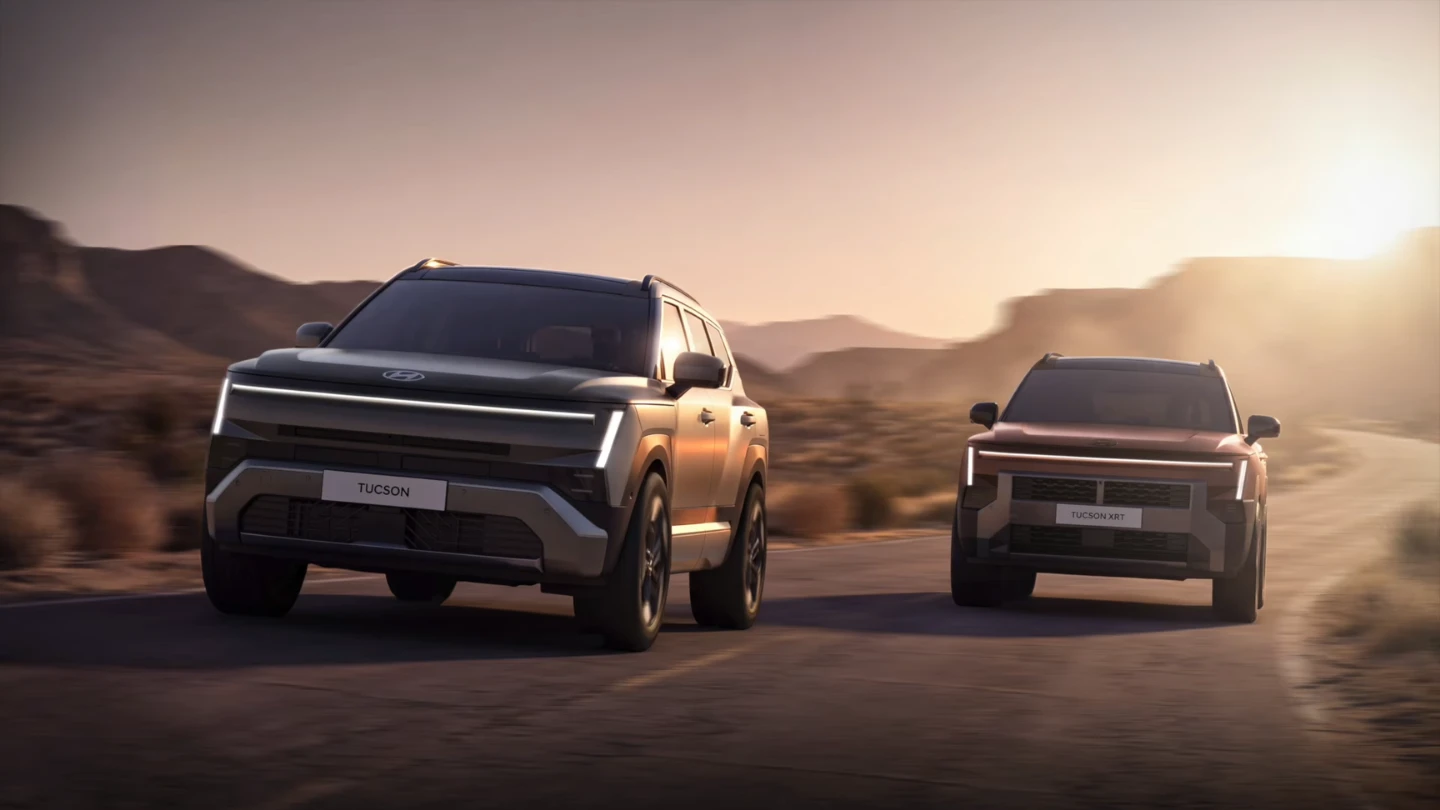
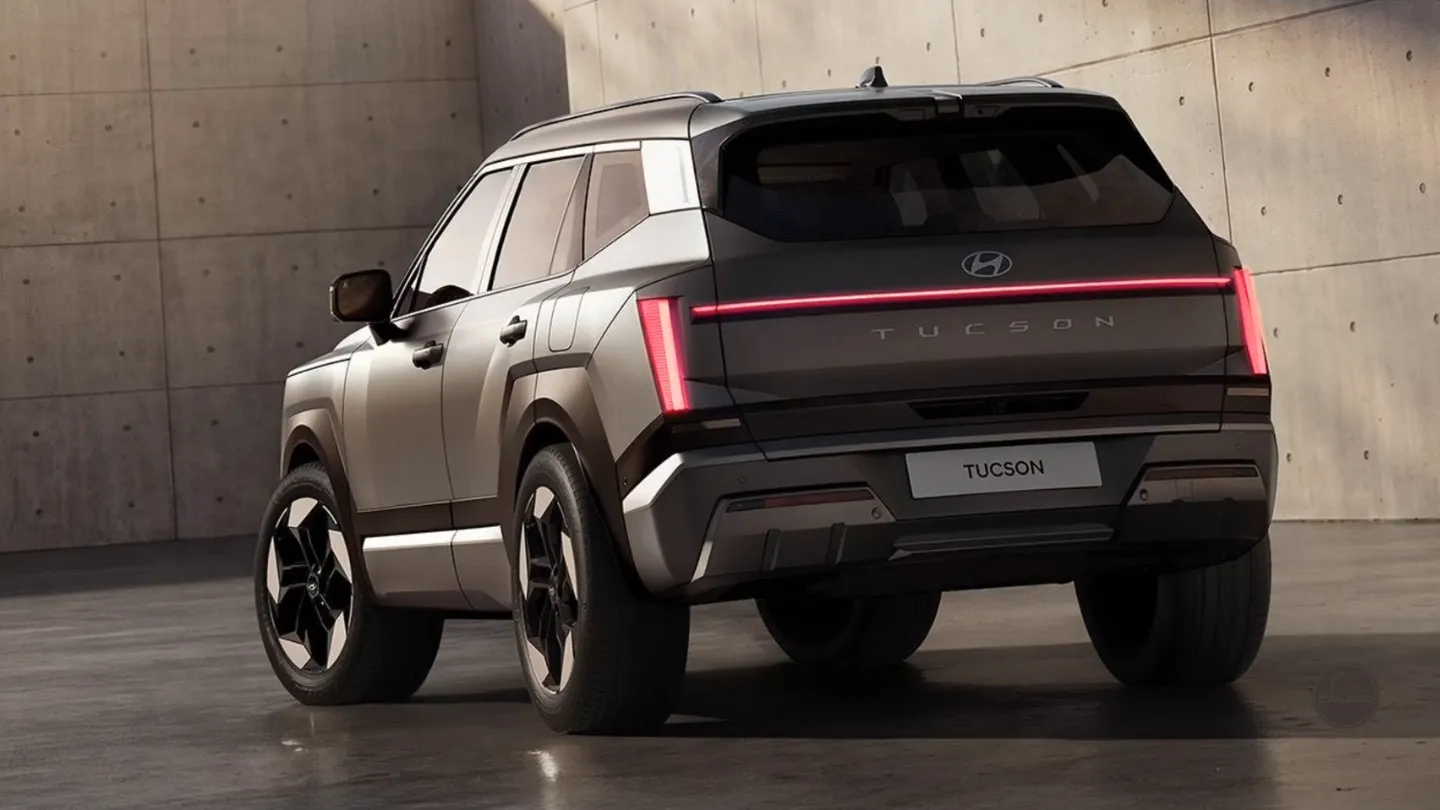
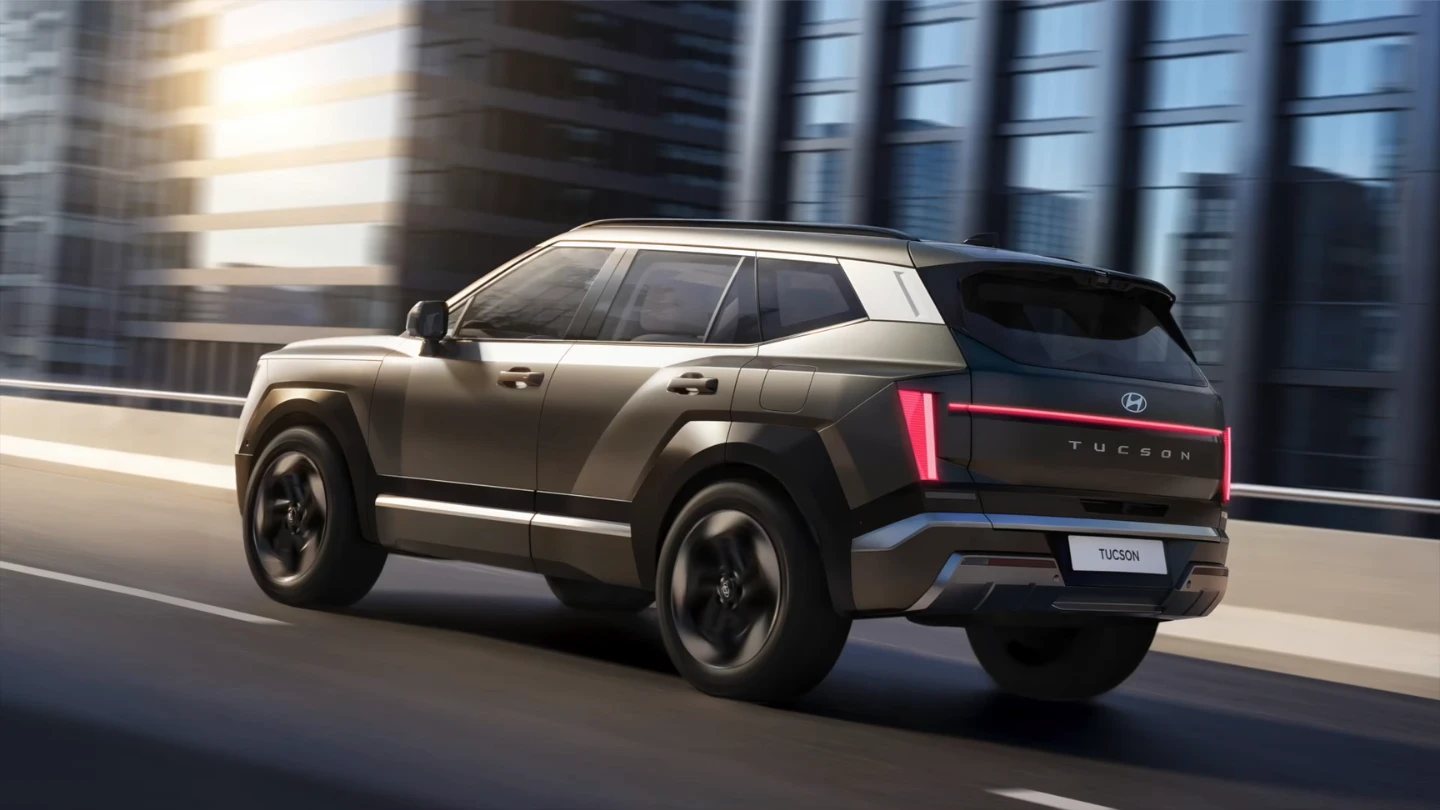
The biggest surprise for Tucson fans is the new exterior design where the brand has swapped the traditional body lines for a much more geometric shape. Hyundai has taken inspiration from the larger Santa Fe to give the all-new Tucson a more upright stance, flatter panels and aggressive half-hexagon wheel arches.
The front and rear LED strips now use indirect lighting, with the H-shaped elements reflecting light off the bodywork to create a softer appearance, and the main headlights are now lower in the bumper.
A Hyundai Tucson XRT grade will arrive at launch with a tougher treatment with more rugged front and rear bumpers, faux carbon-fibre wheel-arch extensions and specialised outdoor-focused trim.
Also read: Hyundai celebrates 40 years and 2.2m sales in Australia
Interior gets a major technology overhaul
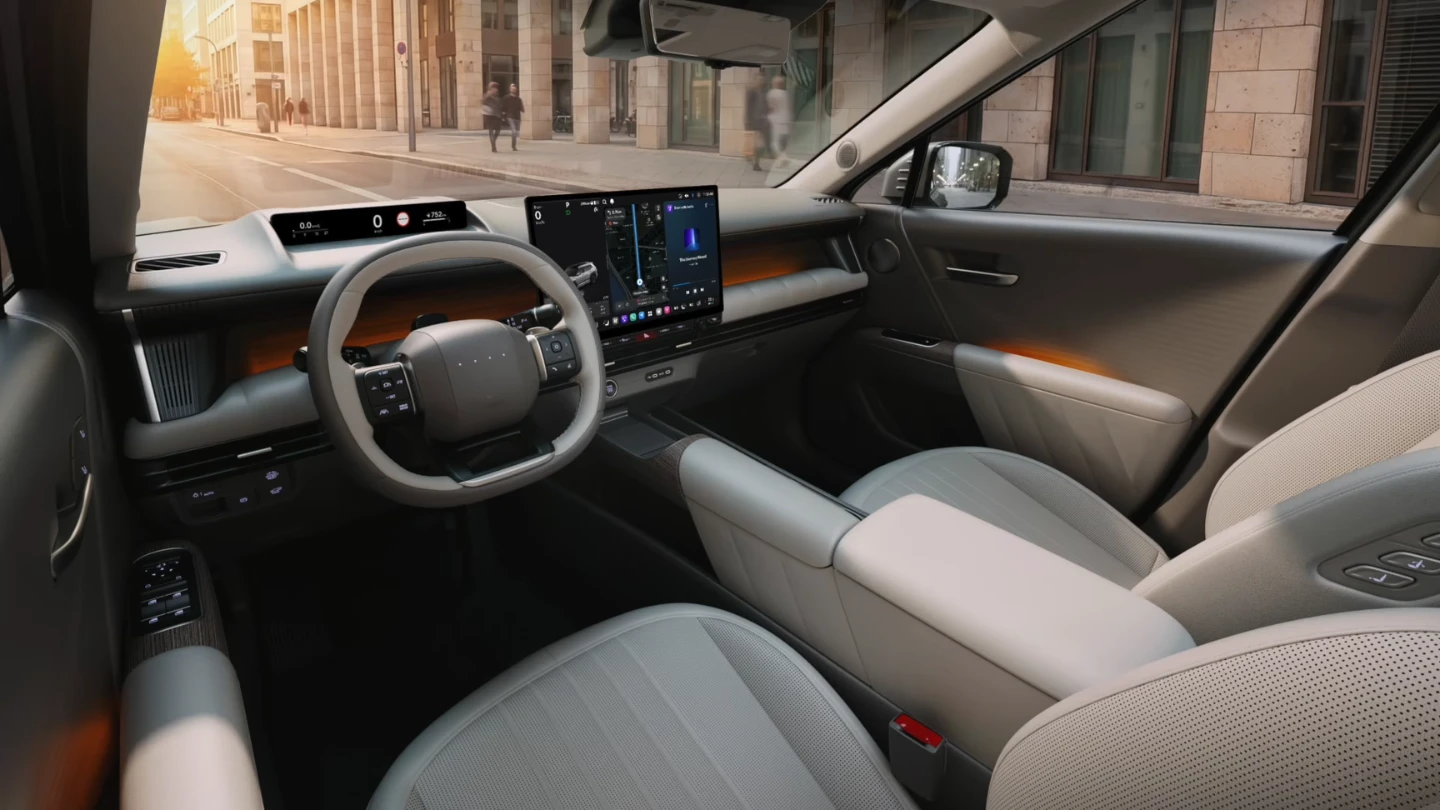
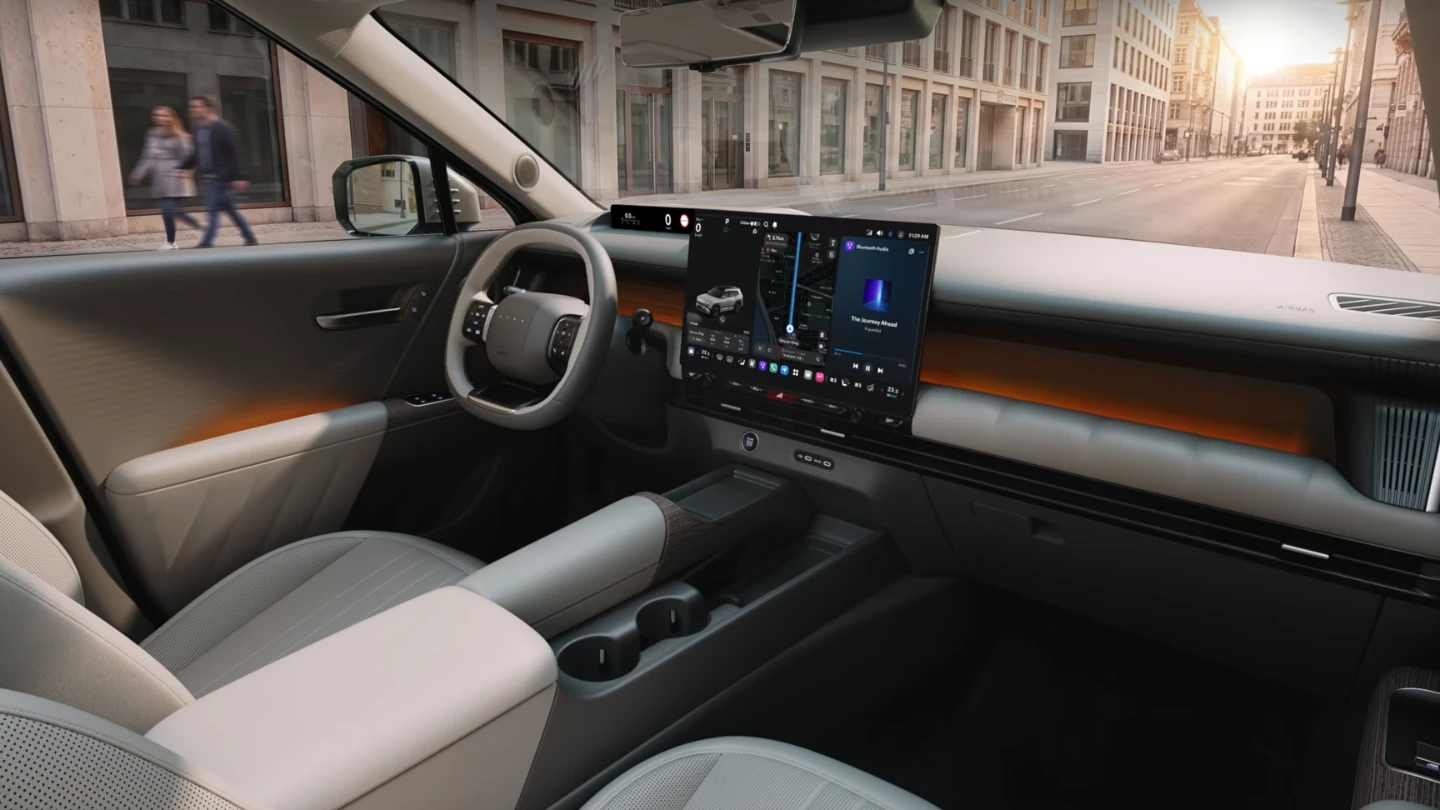
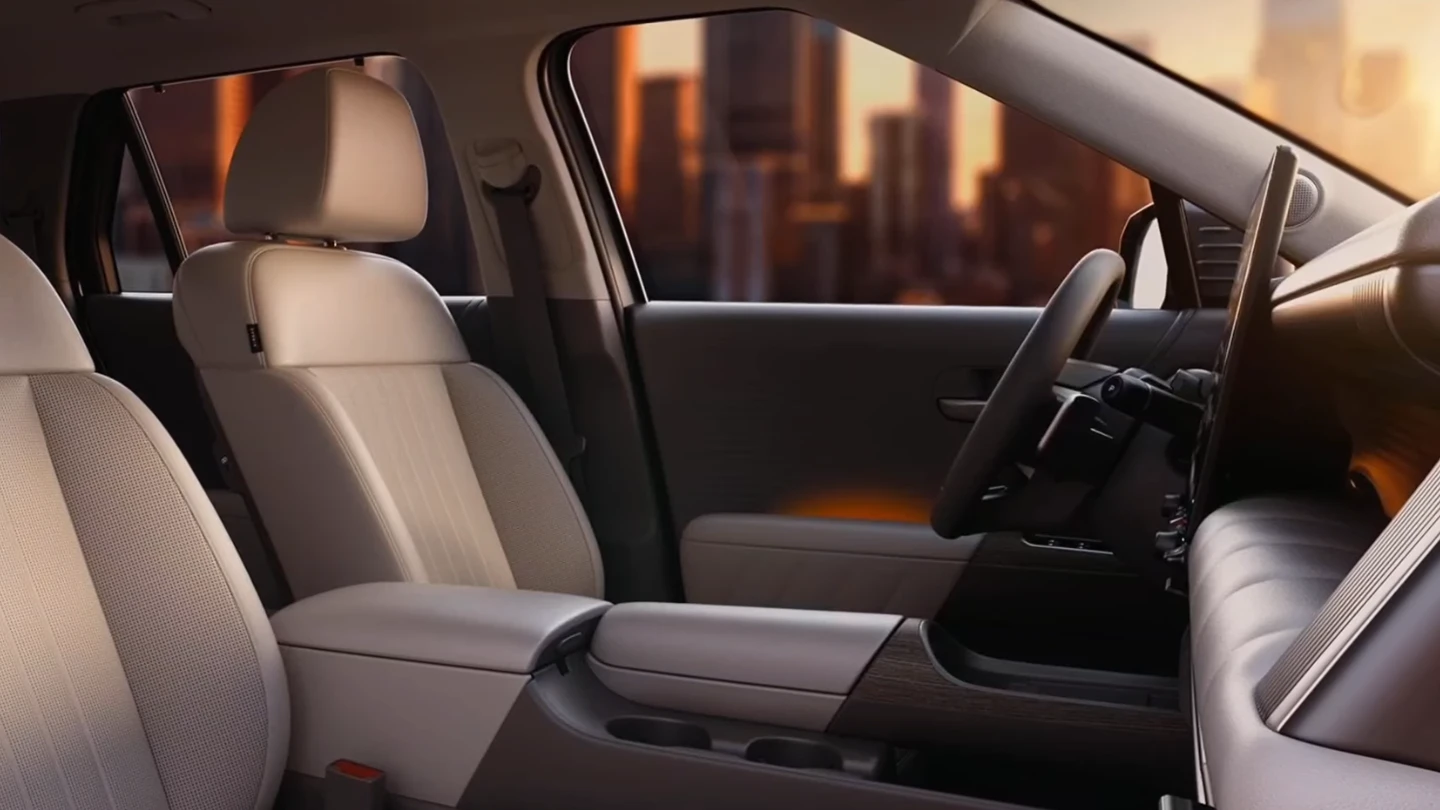
Hyundai has redesigned the interior around a software-defined experience. The dashboard features a large, curved multimedia screen alongside a slim digital driver’s display and the gear selector has also moved from the centre console to a steering-column stalk.
This arrangement frees up space between the front seats and the centre console now accommodates two wireless charging pads, an extended asymmetrical armrest, a driver card holder and a hidden palm-rest tray.
Hyundai has also introduced a floating-look dashboard inspired by newer models such as the larger Palisade and Ioniq 9. The new Tucson also introduces Hyundai’s new Pleos in-car software interface, which runs on an Android base and supports over-the-air updates.
Hyundai’s South Korean market offers several cabin colour combinations, including:
- Two-tone mud grey and dove grey
- Black and sand beige
- Black and soil brown
- Black monotone
Australian combinations have yet to be confirmed.

Comments
New Comment