




Key highlights
- The new 2.2-litre bi-turbo diesel produces 150kW and 500Nm, surpassing the current Australian-market 3.0-litre engine.
- Isuzu claims the new engine is eight per cent more fuel-efficient at highway speeds than the 3.0-litre diesel.
- Isuzu Ute Australia has not confirmed whether the new powertrain will reach local D-Max and MU-X showrooms.
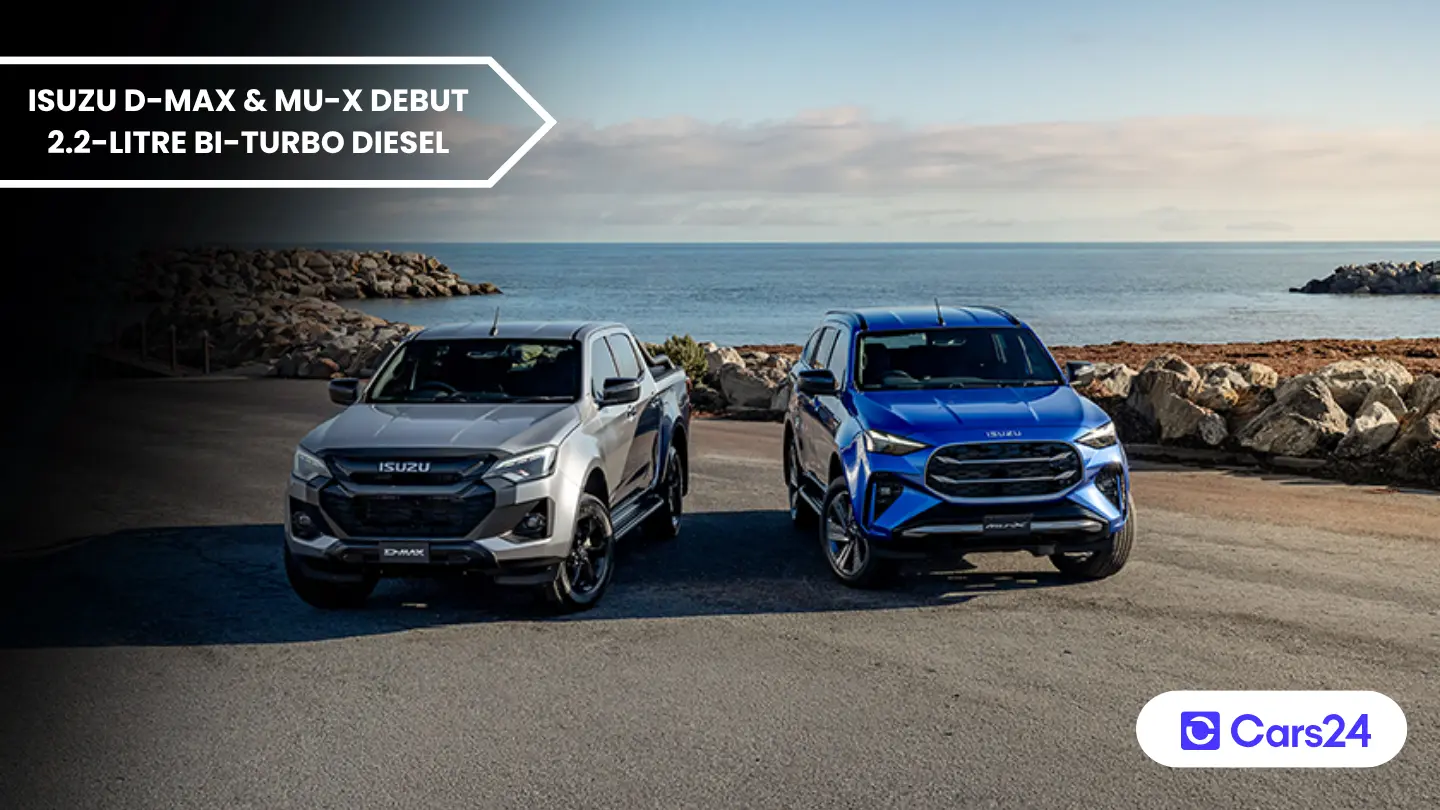
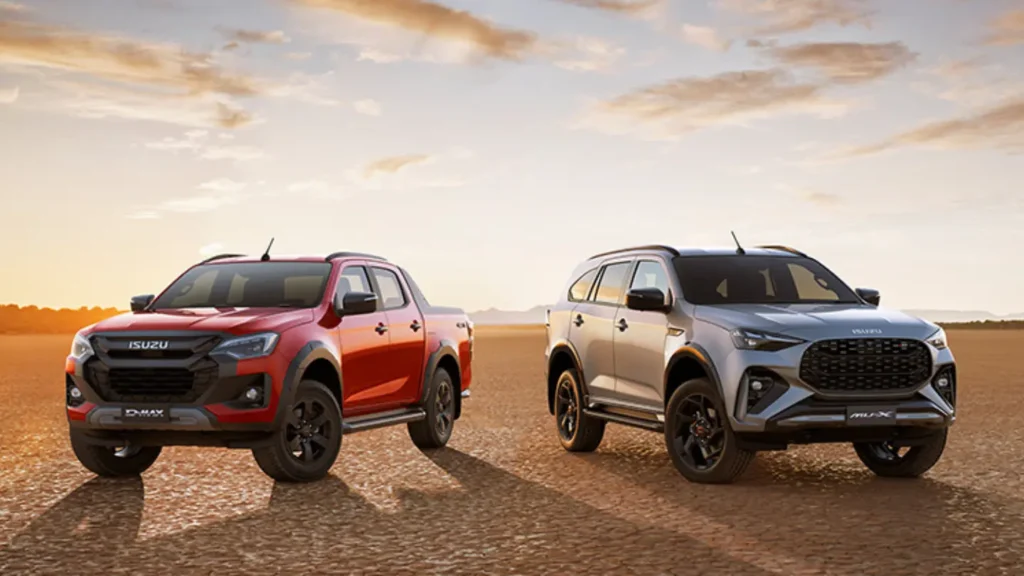
The 2027 Isuzu D-Max ute and MU-X SUV have been revealed in Thailand with a new 2.2-litre bi-turbo diesel engine that could eventually replace the familiar 3.0-litre unit in Australia.
The updated four-cylinder engine produces 150kW of power and 500Nm of torque, exceeding the 140kW and 450Nm delivered by the current Australian-market 3.0-litre turbo-diesel. It also outperforms the existing single-turbo 2.2-litre diesel, which produces 120kW and 400Nm.
However, an Australian introduction is not confirmed. Isuzu Ute Australia said the bi-turbo engine is currently specific to the Thai market and declined to confirm whether it is being evaluated for local showrooms.
The new engine’s arrival would be significant for Australian buyers, particularly those considering a D-Max or MU-X for towing, touring or regular highway driving. The current 3.0-litre diesel has long been a key part of the appeal of both vehicles.
Why the 3.0-litre diesel could be replaced
The new engine’s development comes as stricter emissions requirements put the future of the existing 3.0-litre diesel in question.
Australia’s Euro 6d emissions requirements are scheduled to apply to all new light vehicles sold from 1 July 2028. The current 3.0-litre engine, known as the 4JJ3-TCX, meets Euro 5 emissions standards in its existing form, making it unsuitable for continued sale under the incoming requirements without changes.
By comparison, the single-turbo 2.2-litre diesel already meets the stricter Euro 6e standard.
The 3.0-litre engine has a history spanning more than two decades, although it received a significant update in 2019 for the latest-generation D-Max. Its potential replacement would therefore mark a notable change for Isuzu’s Australian range.
The new bi-turbo unit is a possible successor, but Isuzu has not confirmed that it will replace the 3.0-litre diesel locally. The existing engine remains on sale in Thailand.
More power, improved efficiency claimed
The new 2.2-litre diesel uses two turbochargers operating at different stages to deliver its performance. A variable-geometry low-pressure turbo works alongside a high-pressure turbo, a configuration also used in engines such as the 2.4-litre Mitsubishi Triton and Nissan Navara.
Compared with the current 3.0-litre engine, Isuzu claims the bi-turbo 2.2-litre is eight per cent more fuel-efficient at highway speeds. It is also claimed to accelerate from 0-100km/h five per cent faster and from 80-100km/h 12 per cent faster.
Full fuel-consumption figures have not yet been published, so the claimed efficiency improvement cannot be translated into a confirmed Australian fuel saving.
The new engine is paired with an eight-speed torque-converter automatic, matching the transmission used with the existing single-turbo 2.2-litre diesel. A six-speed manual is also available. This differs from the six-speed automatic paired with the current 3.0-litre engine in Australia.
For buyers, the combination of greater torque, more power and a wider range of automatic gear ratios could make the smaller engine an appealing alternative. Real-world towing performance, fuel consumption and local specifications will need to be assessed if it reaches Australia.
Read more: 2027 Audi A6 Allroad price and specs: PHEV joins diesel trim
Updated styling for the 2027 D-Max and MU-X
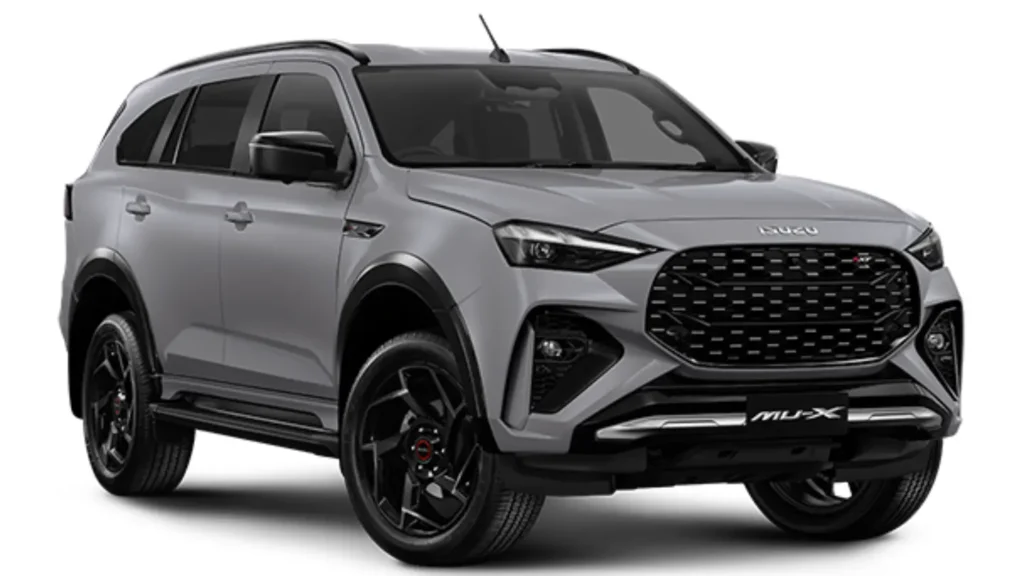
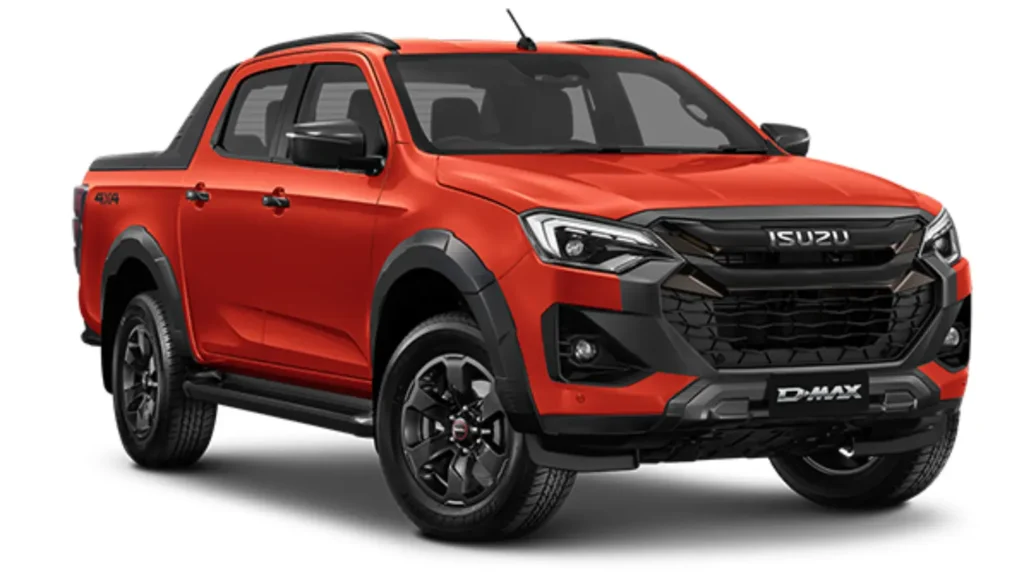
Alongside the powertrain changes, the Thai-market D-Max and MU-X receive revised grille designs.
The MU-X RS, a sportier flagship-style variant comparable in positioning to Australia’s X-Terrain grade, also gains lime green exterior accents and redesigned front seats.
These changes have been revealed for Thailand, where the vehicles are built. Australian specifications and the timing of any local model update have not been announced.
Isuzu Ute Australia said it continues to consider future products based on local customer needs, market conditions and regulatory requirements, but has no powertrain announcement to make at this stage.
For now, Australian buyers can continue to consider the existing D-Max and MU-X range, including the 3.0-litre diesel. Whether the new bi-turbo 2.2-litre becomes its replacement will depend on Isuzu’s local product plans and the requirements coming into effect in 2028.

Comments
New Comment