




Key highlights:
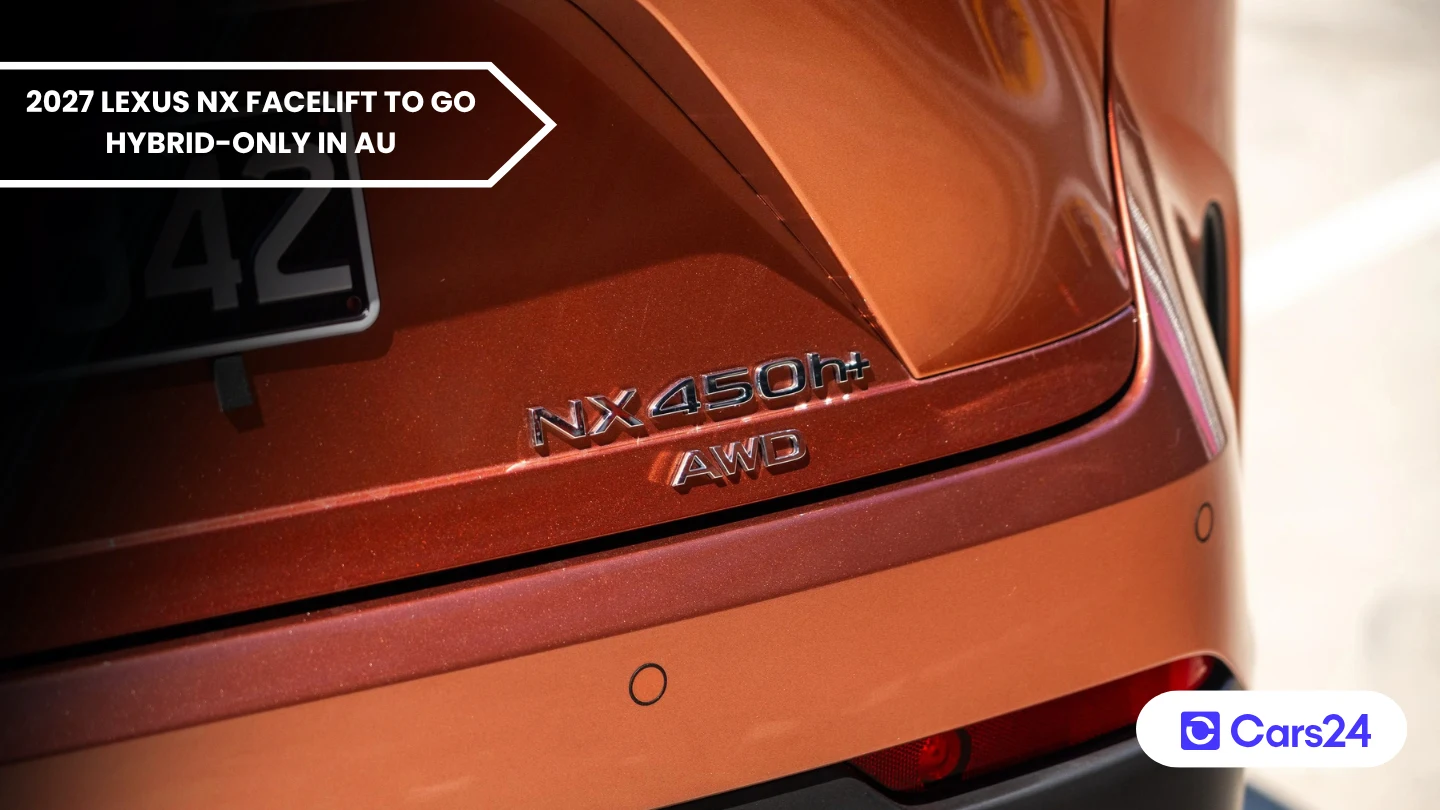
- Facelifted Lexus NX will offer hybrid powertrains only
- More PHEV variants could join the range later
- Australian launch is scheduled for the first half of 2027
Lexus will drop petrol-only powertrains from its facelifted Lexus NX mid-size luxury SUV, making hybrid technology standard across the Australian range. The updated model is due here in the first half of 2027, but the brand has also hinted that more plug-in hybrid (PHEV) variants could join the lineup in the future.
Lexus Australia boss Jack Hobbs said falling demand for the outgoing petrol-only models made the switch to a hybrid-only range the right move.
Lexus NX drops petrol-only variants
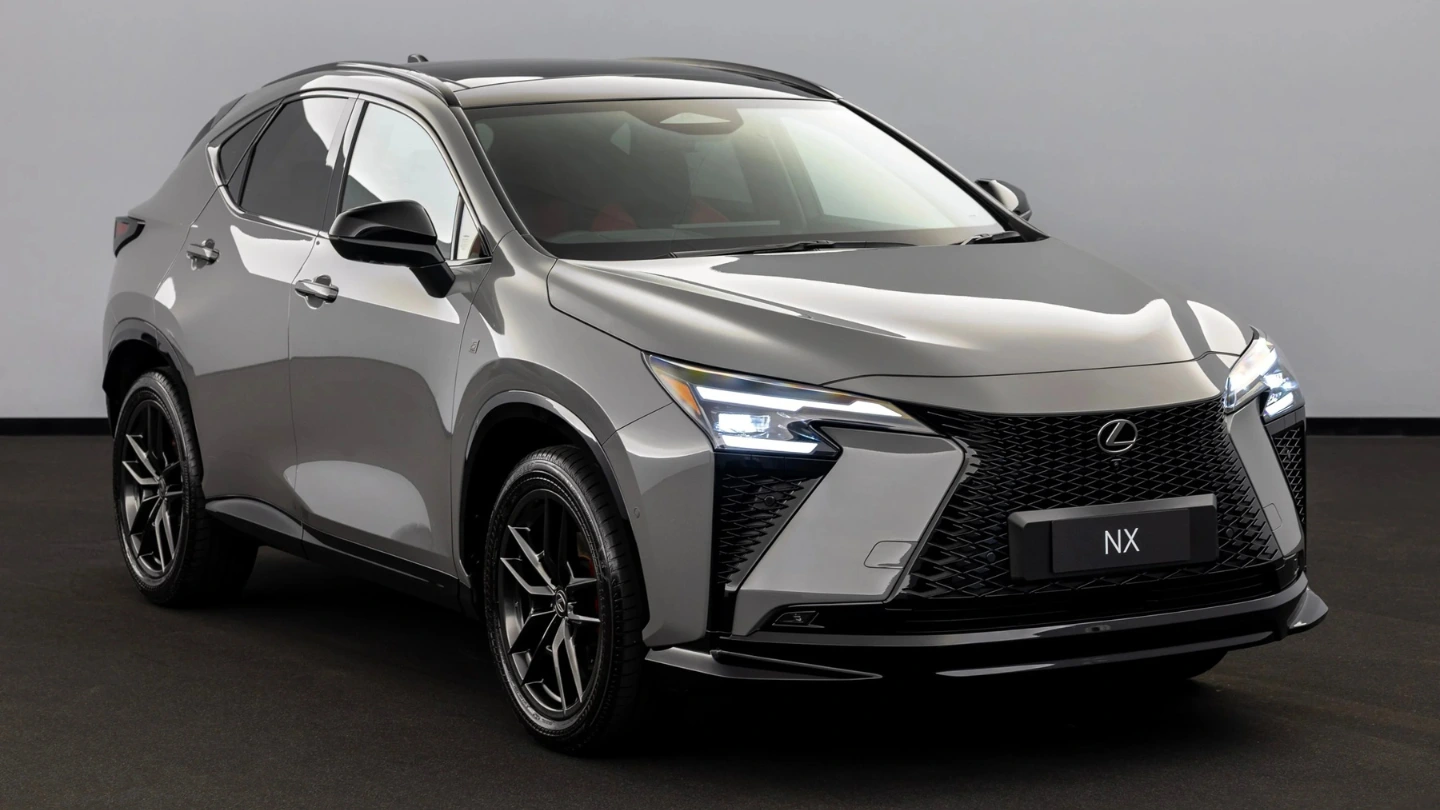
Speaking to CarExpert at the Australian preview drive of the facelifted NX, Mr Hobbs said demand for conventional internal combustion engines had steadily declined throughout the model’s life.
He said Lexus had listened to its customers and found that petrol-only NX variants now account for a very small share of demand. The move follows the Toyota RAV4, which shares its platform with the NX.
Toyota switched the RAV4 to a hybrid-only lineup in mid-2024 and added PHEV variants to Australia when the current generation arrived earlier in 2026.
The outgoing NX range has offered plug-in hybrid power since 2022, initially through the flagship NX450h+ F Sport. Lexus added the lower-spec NX450h+ Luxury in late 2025.
The final petrol-only model has been the turbocharged NX350 F Sport, following the removal of the entry-level NX250 Luxury in 2025.
More Lexus NX plug-in hybrid variants possible
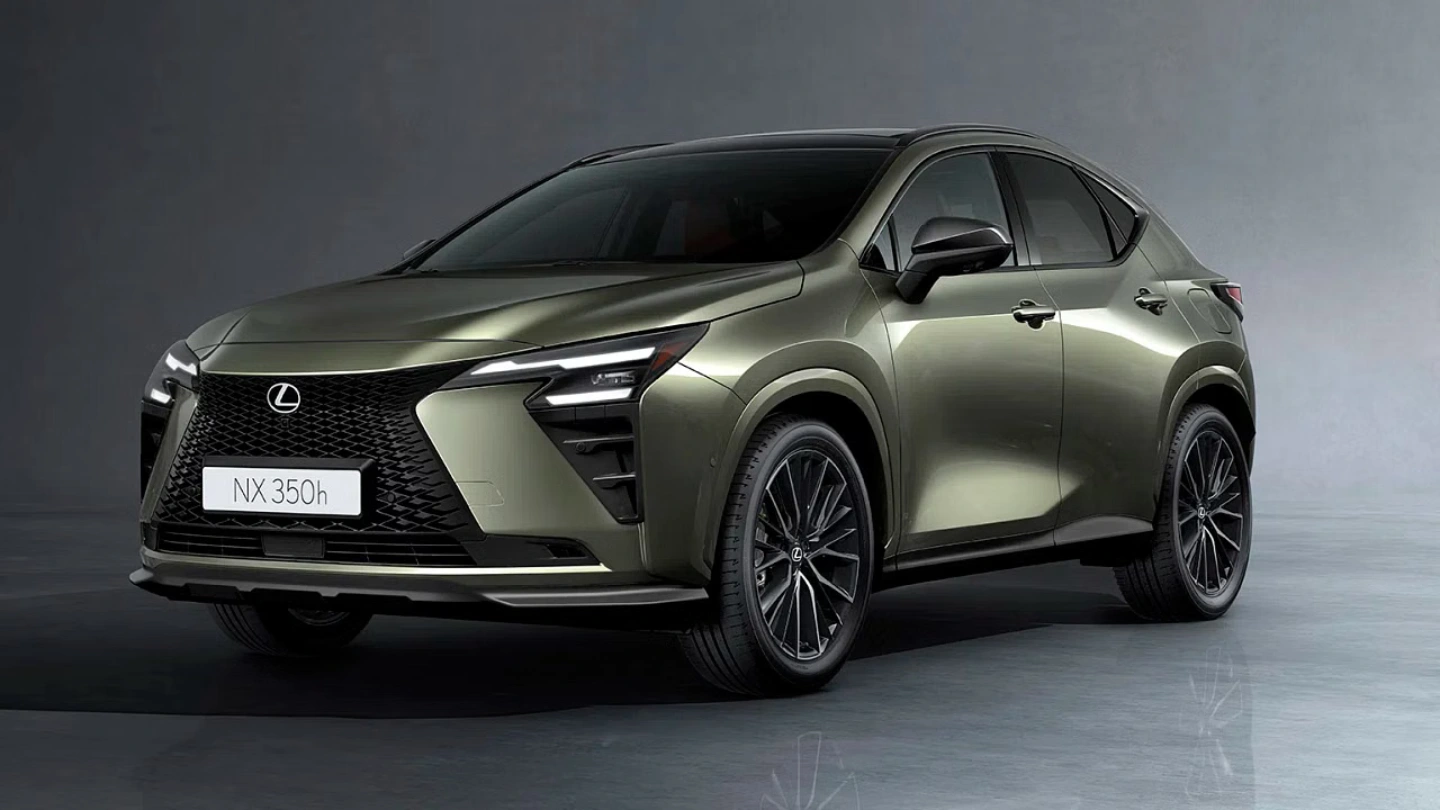
Lexus has yet to confirm the facelifted NX’s specific powertrains, but the existing NX450h+ F Sport and Luxury variants are likely to carry over at launch. Both are expected to receive a revised battery that delivers greater electric-only driving range and faster charging.
The outgoing NX offers 9 hybridised variants, and Lexus expects the facelifted range to provide a similarly broad choice. Mr Hobbs also left the door open to expanding the PHEV lineup beyond the 2 existing variants.
He said Lexus regularly studies customer demand and wants to offer buyers a broad choice of luxury vehicles. He added that the company expects PHEVs to account for a greater proportion of NX sales than they do currently.
Also read: Lexus GX, LX and LBX stock boost targets year-end sales push
PHEVs bridge the gap to electric vehicles
Lexus has gradually expanded its EV range in Australia as production of the previous-generation UX300e small SUV winds down. The RZ electric SUV received a substantial update earlier in 2026, in line with its electric SUV siblings from Toyota and Subaru.
Lexus has also introduced electric powertrains to the ES sedan for the first time, and the new 3-row TZ large SUV is scheduled to arrive in Australia in 2027.
Despite that progress, Mr Hobbs acknowledged that some Australian buyers are not ready to switch fully to an electric vehicle (EV), and he sees plug-in hybrids as a practical stepping stone.
A PHEV can handle regular weekly driving in electric mode while retaining the ability to cover longer distances without relying entirely on charging infrastructure.
Mr Hobbs pointed to Australia’s vast distances, saying buyers could use electric power during the week but still drive long distances to places such as Mildura without worrying as much about charging infrastructure.
What else changes on the facelifted NX?
Beyond going hybrid-only, the updated NX receives minor exterior revisions and technology enhancements.
Lexus has also completely overhauled the cabin, and it now adopts a simpler layout that echoes the design of the latest-generation ES sedan. The facelifted NX is due in Australian showrooms in the first half of 2027.

Comments
New Comment