




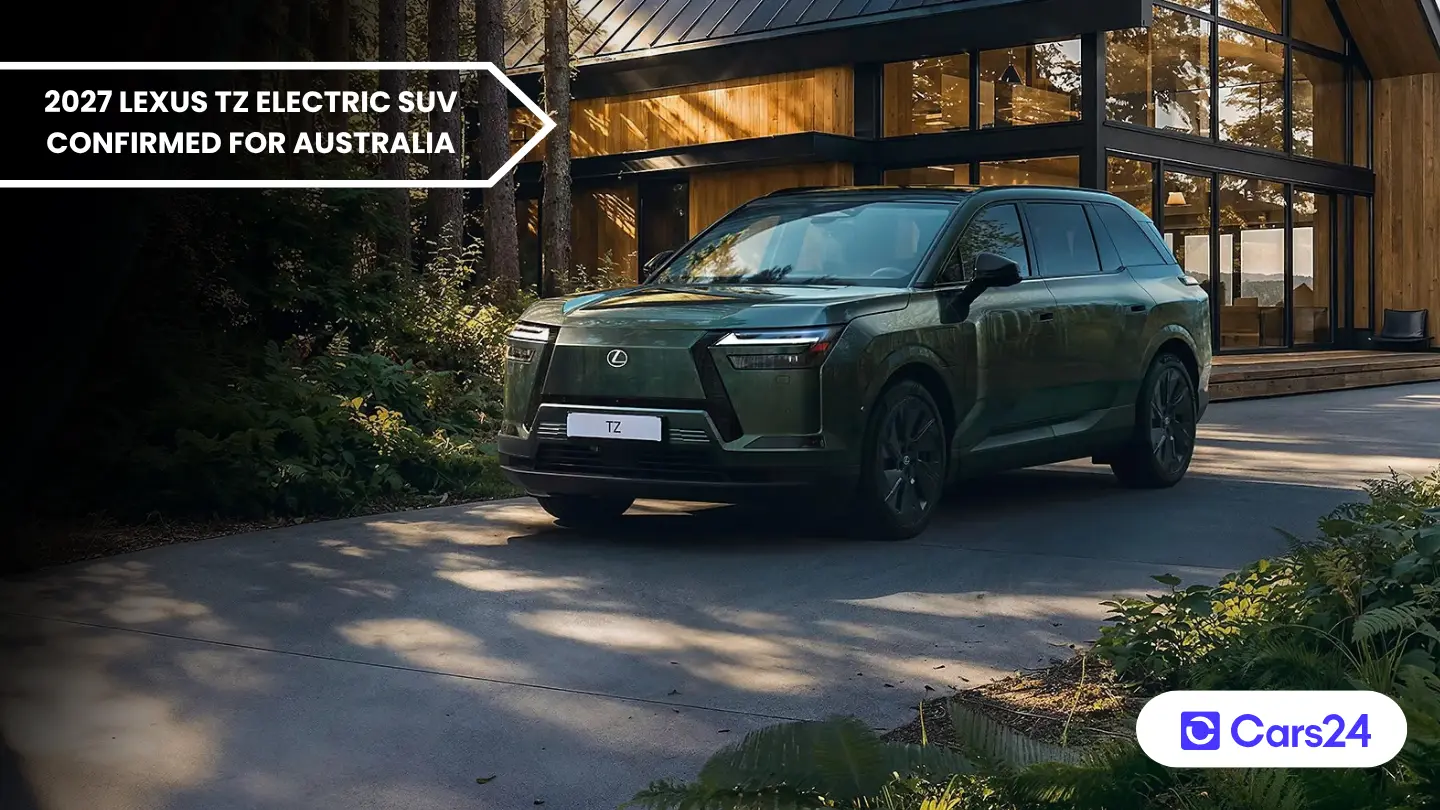
Key highlights:
- Lexus TZ large electric SUV arrives in Australia in 2027
- US-spec dual-motor AWD produces 230kW and 445Nm
- Six-seat cabin features ventilated seats and optional ottomans
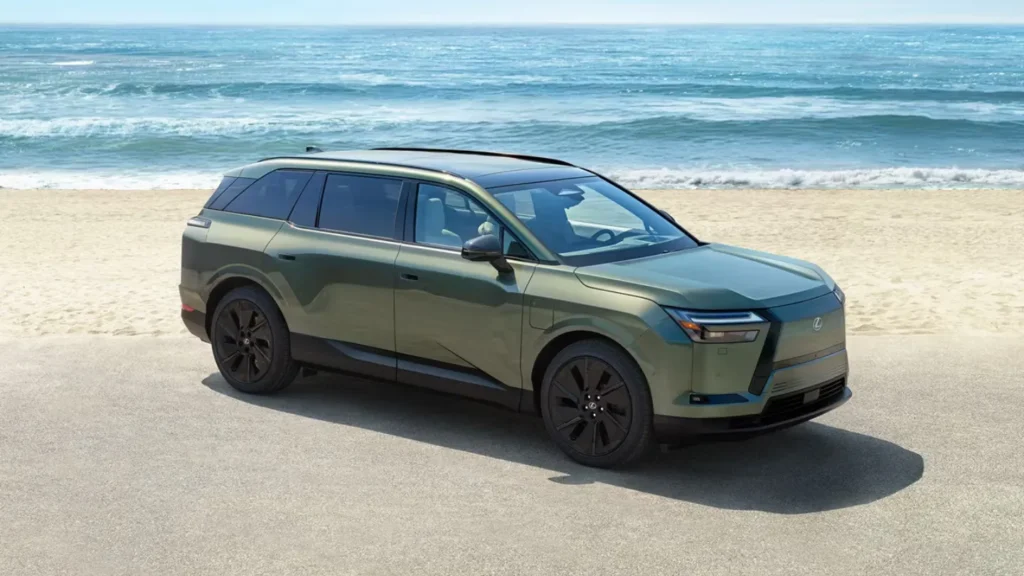
Lexus is expanding its Australian electric vehicle line-up with the all-new 2027 Lexus TZ, a large, three-row electric SUV confirmed to arrive next year. Positioned above the five-seat RZ, the TZ will become the brand’s flagship electric family model, combining a six-seat lounge-style cabin with dual-motor all-wheel drive and a focus on passenger comfort.
It will take on premium electric SUVs such as the Volvo EX90 and Cadillac Vistiq, though Australian pricing and specifications remain unconfirmed. The company plans to display the TZ publicly for the first time at the Melbourne Cup Carnival in November 2026.
Battery, range and performance
In the US, Lexus offers the TZ with two lithium-ion battery options, and both versions use a dual-motor all-wheel-drive powertrain with Lexus’s DIRECT4 torque-distribution system.
The quoted ranges use the stricter US Environmental Protection Agency (EPA) test cycle, and Australian range figures have not yet been announced.
| Specification | Lexus TZ (US-spec) |
|---|---|
| Battery capacity | 76.96kWh / 95.82kWh |
| Drivetrain | Dual-motor electric AWD |
| Combined output | 230kW / 445Nm |
| 0-96km/h | 5.2-6.2 seconds |
| EV Range (76.96kWh) | 407km (US EPA) |
| EV Range (95.82kWh) | 449-507km (US EPA) |
| Towing capacity | ~1587kg |
Interestingly, the Lexus produces less power than its closely related electric relatives. The dual-motor Toyota Highlander EV produces 252kW, while the Subaru Getaway delivers 313kW.
Lexus’s DIRECT4 all-wheel-drive system dynamically distributes torque during cornering, helping manage the vehicle’s behaviour through turns. The TZ can also be equipped with 4-wheel steering, a first for an EV from Toyota.
Alongside Normal, Sport and Eco, the SUV offers two additional drive modes:
- Range: designed to prioritise driving range
- Rear Comfort: coordinates Dynamic Rear Steering, brake-force optimisation and drive-force distribution to minimise pitching and lateral movement, prioritising passenger comfort
That emphasis on keeping passengers settled is central to the TZ’s role as a premium family SUV.
Larger than the Highlander EV
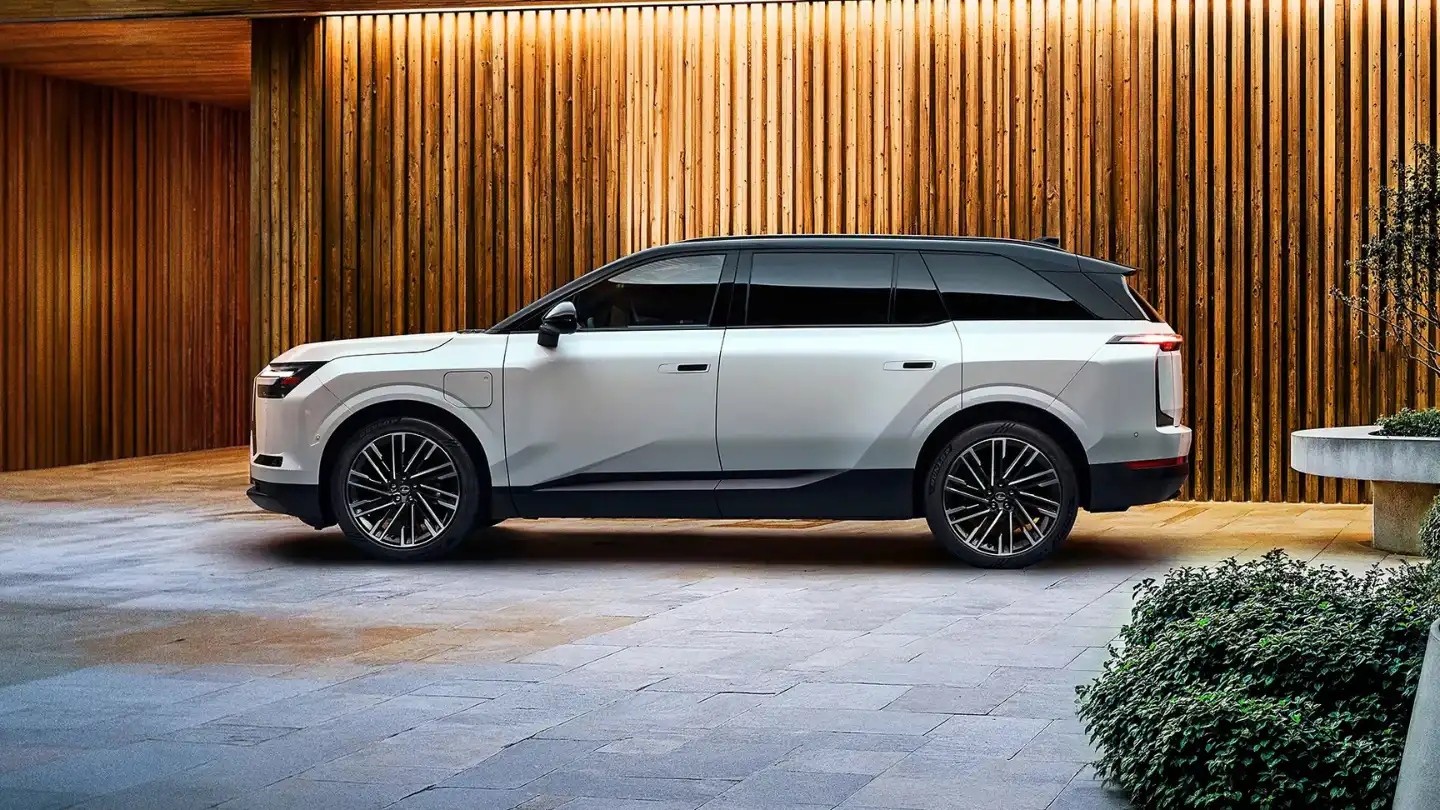
The TZ is Lexus’s first fully electric SUV with three rows of seats, and it sits above the mid-size RZ and has dimensions comparable to the larger Lexus LX off-roader.
The largest electric SUV yet in Australia shares its foundations with the upcoming Toyota Highlander EV and Subaru Getaway. All three use the same underlying Toyota New Global Architecture (TNGA) platform and batteries, although their power outputs and designs differ.
The Lexus TZ shares its 3050mm wheelbase with the Toyota Highlander EV and Subaru Getaway, but has the longest body of the three. At 5100mm long, the TZ is 50mm longer than the Highlander EV.
| Length | 5100mm |
| Width | 1989mm |
| Height | 1704mm |
| Wheelbase | 3050mm |
| Boot space | 390L |
Lexus quotes 390 litres of cargo capacity with all three rows in use, and its maximum towing capacity is 1587kg, matching the Subaru Getaway.
Also read: 2027 BMW X3 M50 gets power boost in range-wide refresh
Exterior design and wheel options
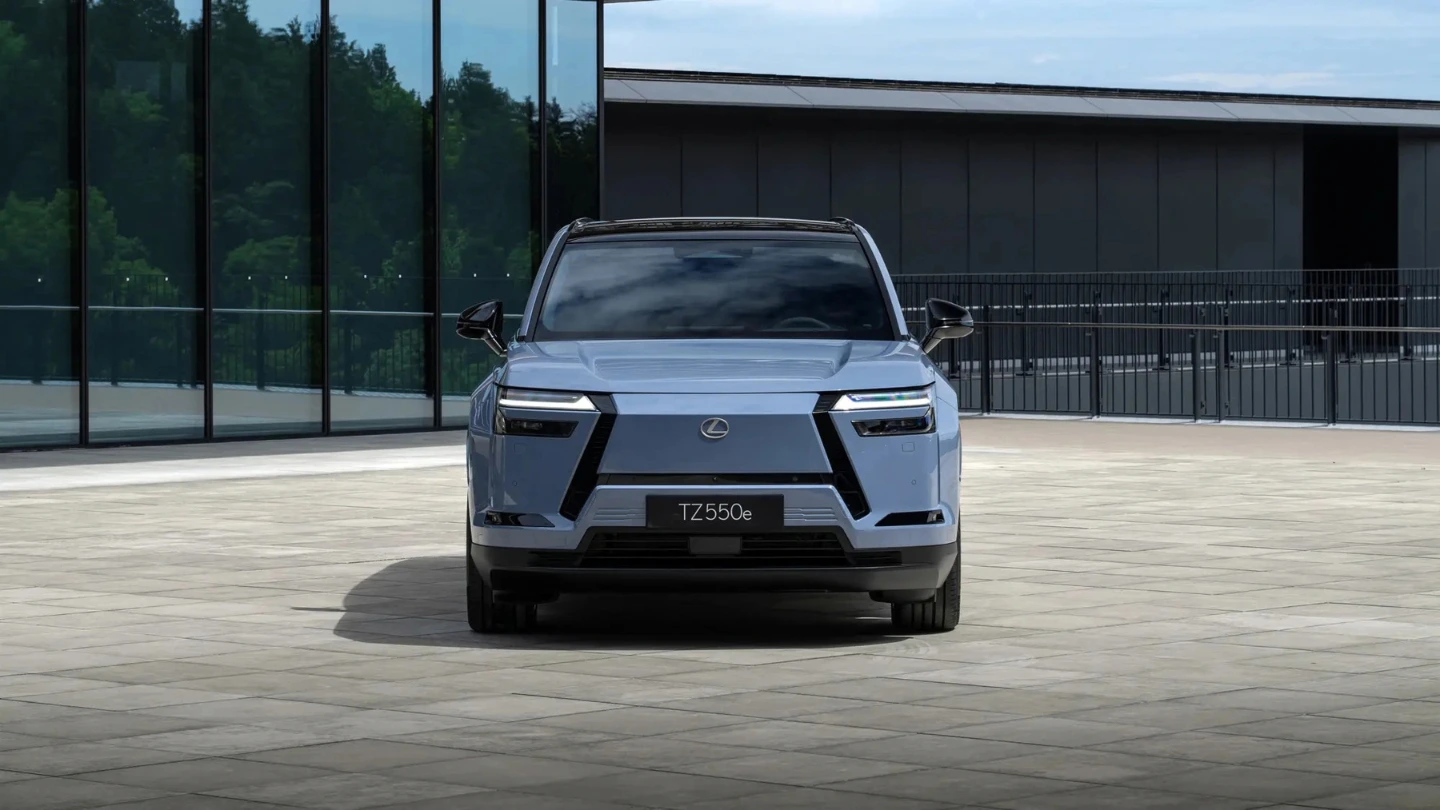
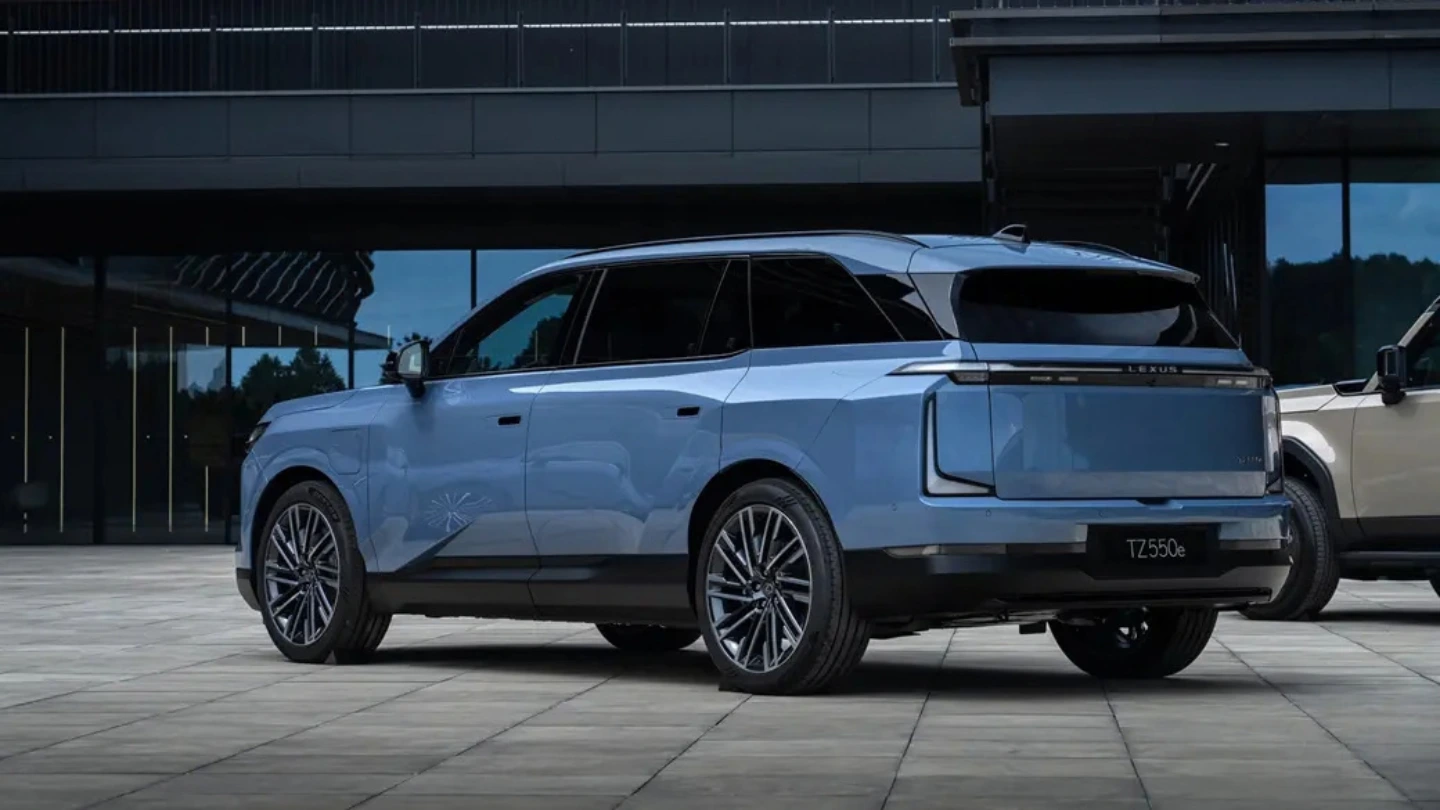
The TZ shares some exterior design elements with the unrelated Lexus GX, while its styling clearly distinguishes it from the Toyota Highlander EV. A panoramic glass roof is part of the package, with buyers able to choose between 20-inch and 22-inch alloy wheels, depending on the variant.
Its lower, sleeker profile separates it from the more upright look typically associated with large off-road-focused SUVs.
A six-seat cabin built around comfort
Inside, Lexus says the TZ will rank among its most luxuriously appointed models.
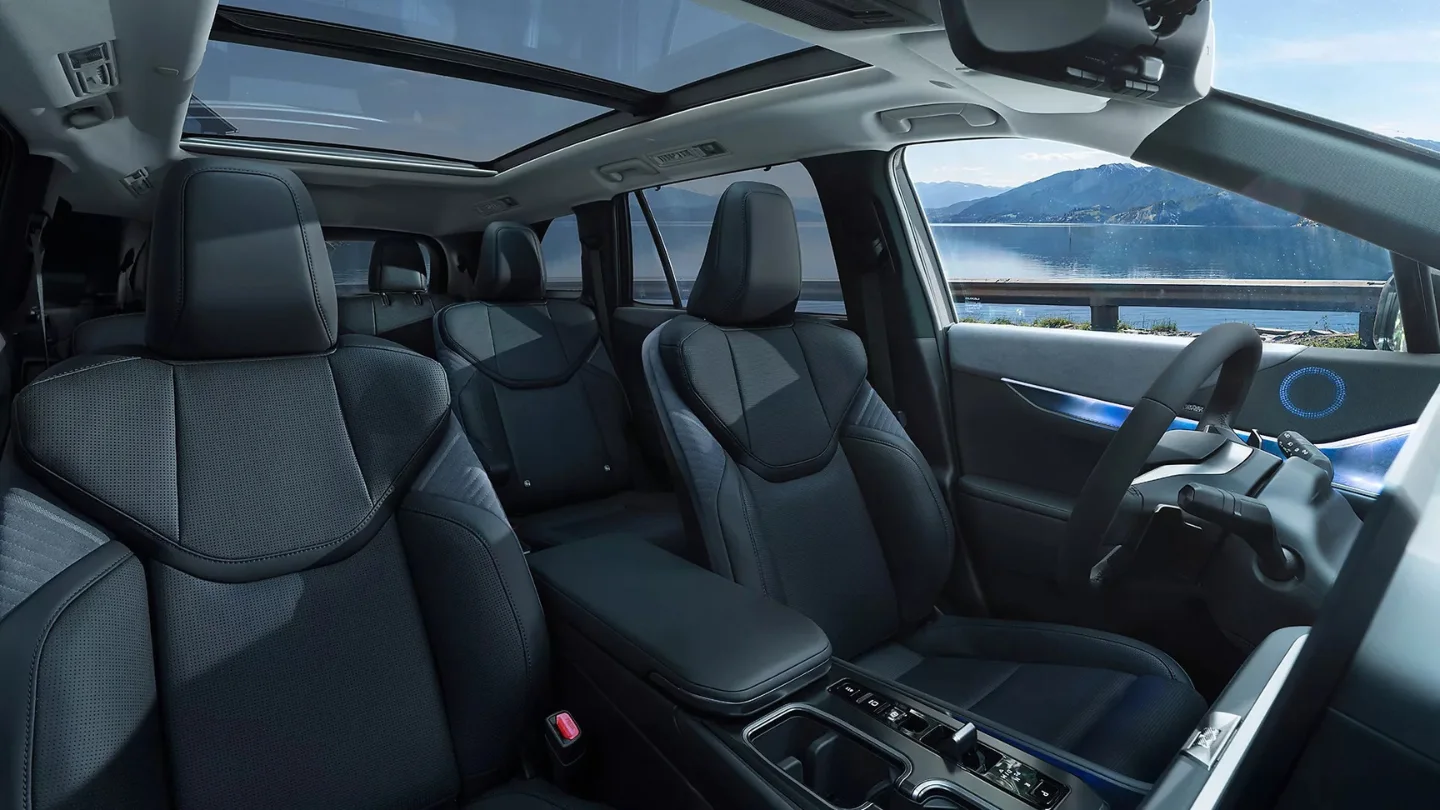
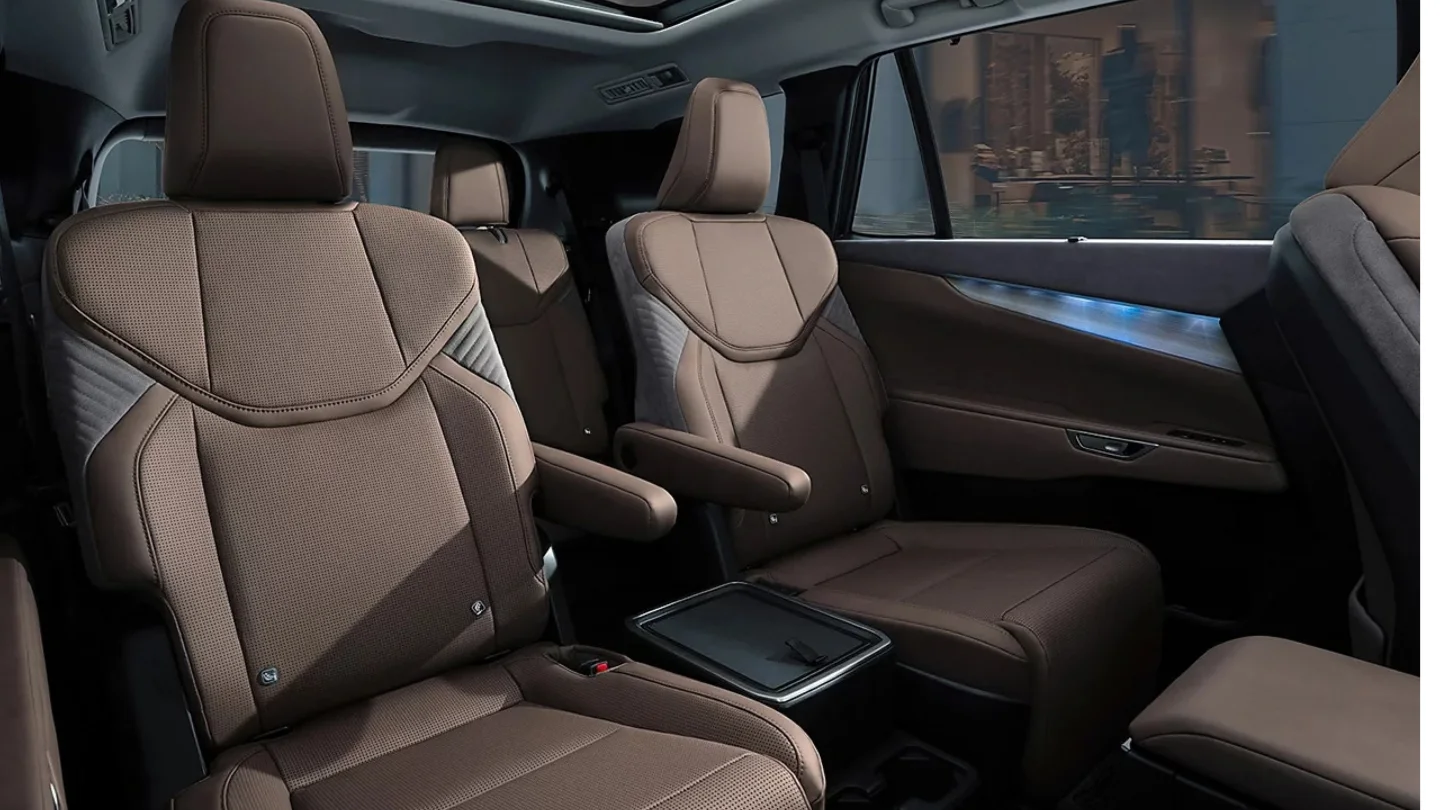
The cabin uses a six-seat layout, with second-row captain’s chairs rather than a conventional three-seat bench, and front passenger and second-row captain’s chairs offer ventilation and, in a first for a Lexus SUV, power-adjustable ottomans. Lexus says the third-row seats provide “sofa-like cushioning”, with heating available.
A centre console between the second-row seats features a two-tier tray system, and the console can be removed to make it easier to move between the second and third rows.
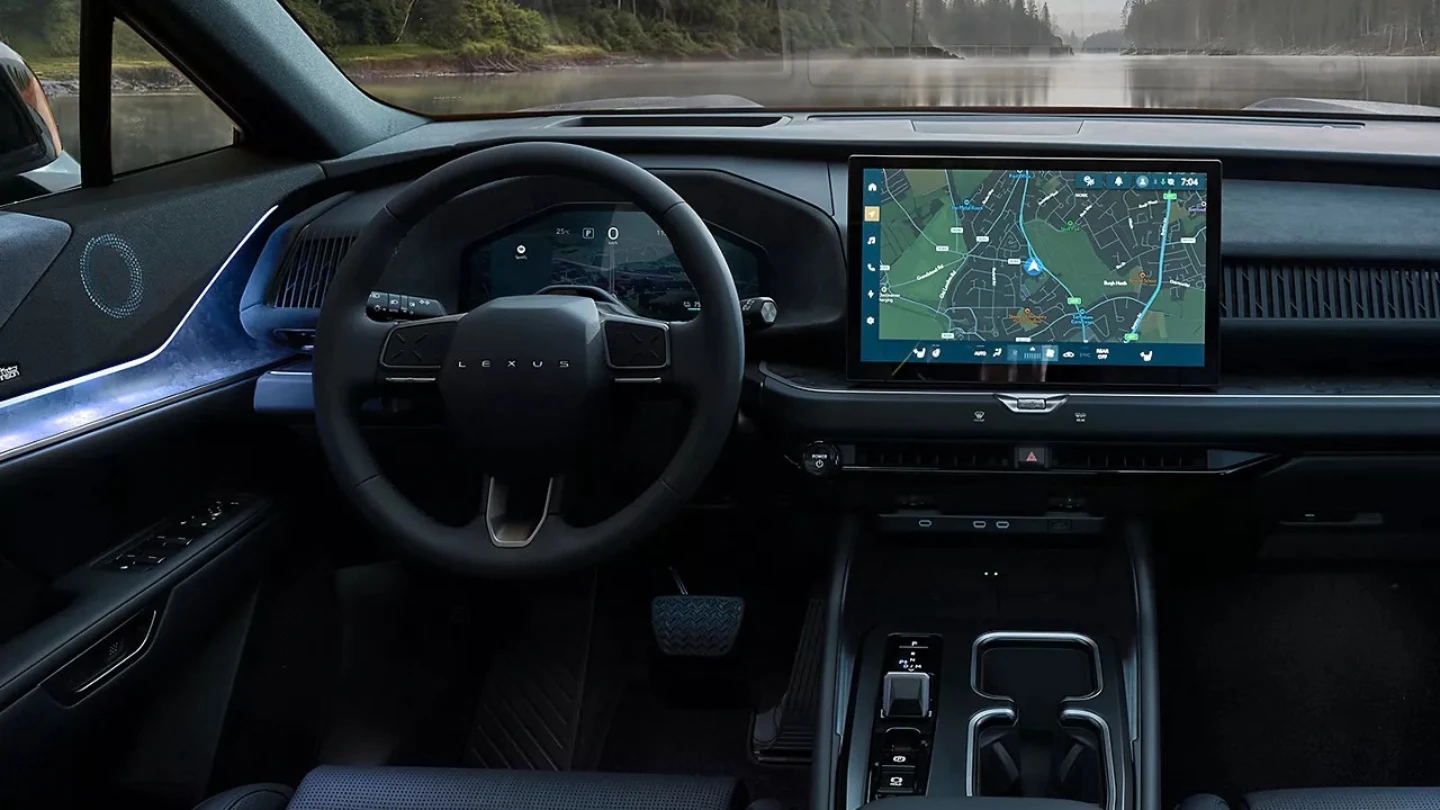
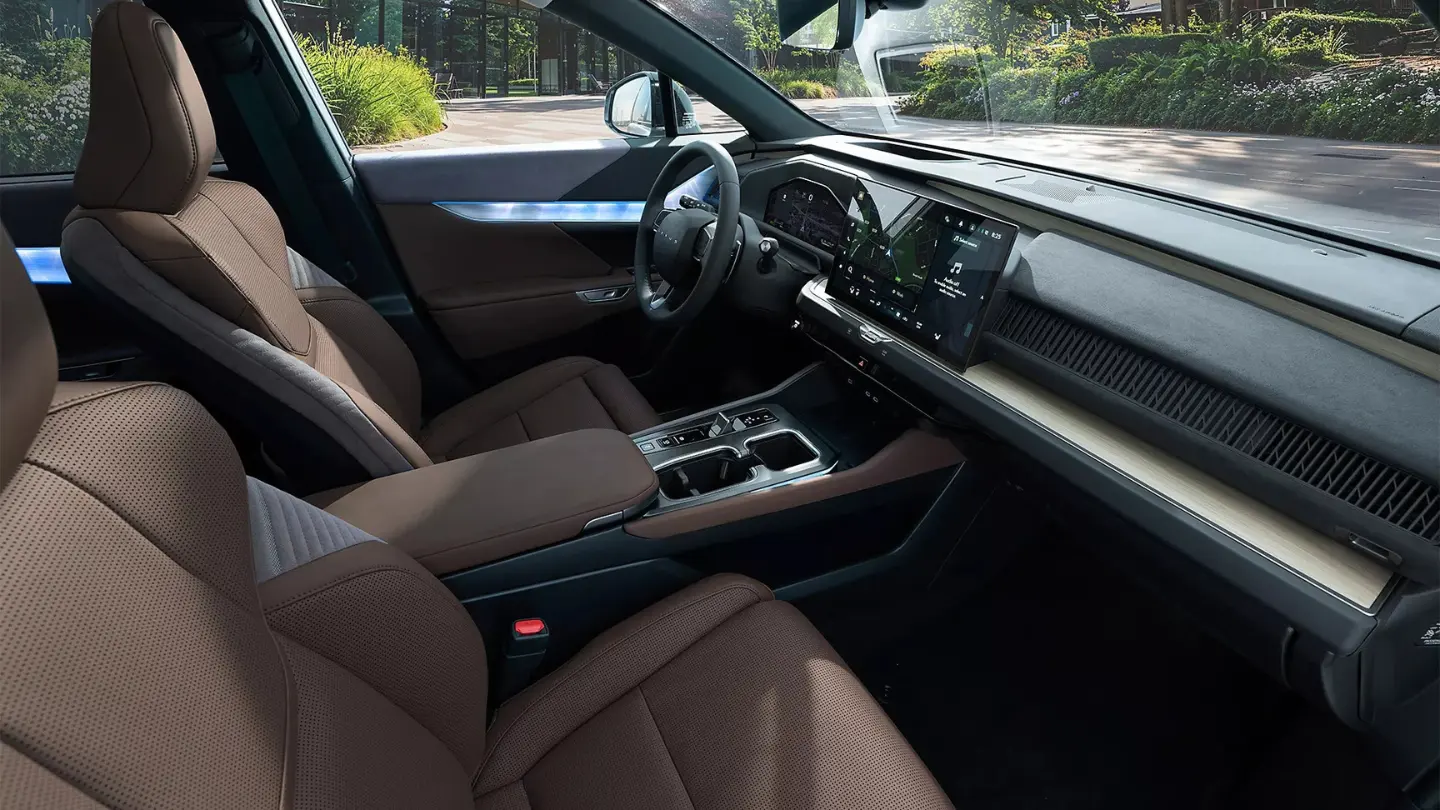
The dashboard features a 14-inch touchscreen infotainment system with a range of connected functions, including:
- Customisable home-screen widgets
- An improved “Hey Lexus” voice assistant
- EV charge management with a range map
- Spotify integration
- Wireless smartphone mirroring
The driver gets an unusually shaped 12.3-inch digital instrument cluster that can display maps. A 12-speaker sound system is standard, while a premium 21-speaker Mark Levinson system will be available.
Lexus says it has integrated social responsibility into the TZ through the use of sustainable cabin materials:
- Forged bamboo: cabin surfaces made using Shikoku bamboo
- Bio-based UltraSuede: upholstery made from plant-derived materials
- Recycled aluminium: used in interior and exterior elements
The materials form part of Lexus’s effort to combine premium appointments with more sustainable choices.
Safety and driver assistance
The TZ will offer a broad suite of driver-assistance technologies, including:
- Emergency steer assist
- Junction assist
- Adaptive cruise control with lane-centring
- Traffic sign recognition
- Lane-change assist
- Rear pedestrian detection
Australian equipment specifications and the availability of individual features will be confirmed closer to launch.
Lexus TZ Australian pricing
Lexus has not announced Australian pricing, but two of its likely rivals provide some context: Cadillac Vistiq for $116,000 plus on-road costs and Volvo EX90 for $106,990 plus on-road costs.
Lexus Australia has already made a substantial price adjustment to its smaller RZ electric SUV. Earlier in 2026, the brand cut the RZ’s starting price by $36,559 to $84,500 before on-road costs, amid slow sales.
Whether the larger TZ will be priced aggressively against the Volvo and Cadillac remains to be seen.
The TZ is built in Japan, unlike the US-built Toyota Highlander EV, and is being produced in right-hand drive. Lexus has confirmed an Australian launch during 2027, with more specific timing, local equipment, and pricing to be announced closer to its arrival.

Comments
New Comment