




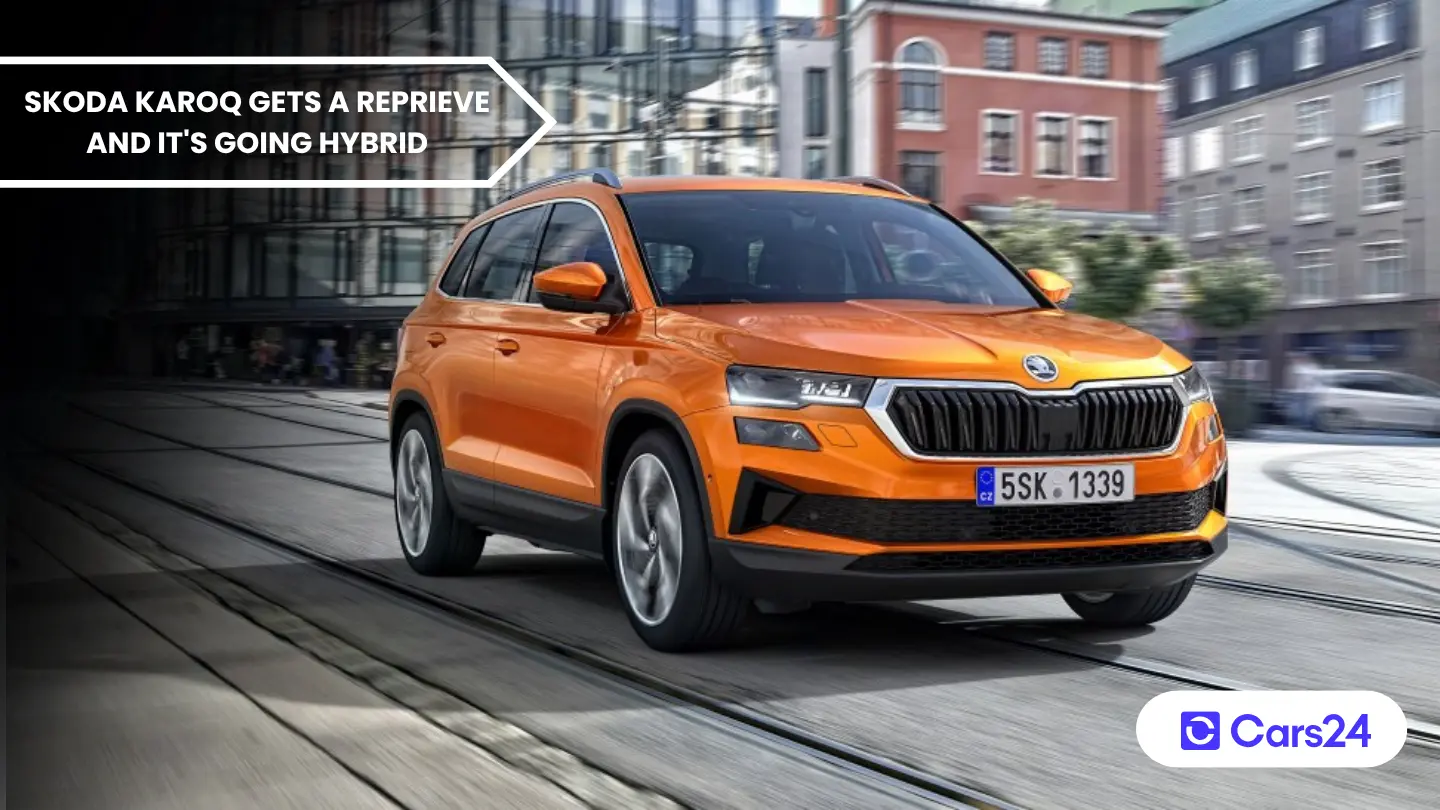
Key highlights
- Skoda has confirmed a second-generation Karoq is planned for 2027 or 2028.
- The new SUV could use plug-in hybrid technology similar to the Kodiaq.
- Skoda says an electric driving range of more than 100km would suit the new Karoq.
Sometimes a car is too popular to kill off. That’s essentially what’s happened with the Skoda Karoq, which was quietly marked for retirement as Skoda leaned harder into electric models, only for the Czech brand to change its mind. Skoda CEO Klaus Zellmer has confirmed a second-generation Karoq is now locked in, due to land globally in 2027 or 2028. The original plan had been to let the electric Elroq take over the Karoq’s spot in the range. It hasn’t quite worked out that way.
“We would like to see the Elroq totally replace that kind of market for us, but it doesn’t, so we see great potential for the Karoq and its successor,” Zellmer said. In other words, plenty of buyers still want a petrol or hybrid-powered SUV rather than a fully electric one, and Skoda isn’t willing to walk away from that demand.
Read more: Skoda Superb’s future in doubt as Volkswagen prepares deep model cuts
Why does a plug-in hybrid make sense?
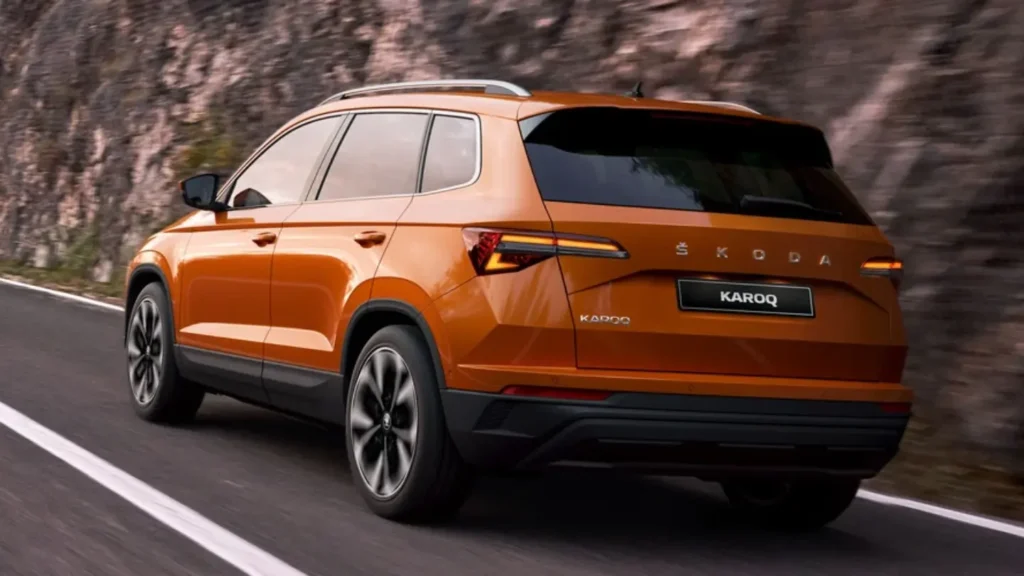
The new Skoda Karoq looks set to get a plug-in hybrid (PHEV) option, something the current model has never offered. Today’s Karoq only comes with petrol and mild-hybrid engines, a mild-hybrid uses a small electric motor to help the engine along, but can’t drive on electricity alone. A PHEV is a different proposition entirely, with a bigger battery and motor that let you drive short trips on electric power alone before the petrol engine kicks in.
Zellmer pointed to an electric range of “more than 100km”, around 62 miles, as the sweet spot for a Karoq successor, and said the new car’s drivetrains would be “very comparable” to what’s already offered in the Skoda Kodiaq, Skoda’s larger seven-seat SUV. That’s a solid hint at what to expect, since the Kodiaq’s PHEV already delivers a genuinely usable electric-only range for shorter commutes.
For Australian buyers, that combination is worth noting even this early. Plug-in hybrids have been gaining traction locally as a middle ground for people who like the idea of running on electricity for daily errands but aren’t ready to commit to a fully electric car, especially with charging infrastructure still patchy outside major cities.
Built on familiar underpinnings
The new Skoda Karoq will continue to sit on the Volkswagen Group’s MQB platform, the same underlying architecture used by the current model and plenty of other VW Group products, including the Volkswagen T-Roc. That’s a point of difference worth flagging: even though the next Karoq and the new T-Roc are close cousins under the skin, Zellmer said the Karoq’s PHEV option would set it apart from its Volkswagen sibling.
Sticking with a proven platform rather than starting from scratch also suggests Skoda is aiming to keep costs, and therefore pricing, in check. Zellmer said the goal is to “hit the same price segment” as the current Elroq, promising buyers “more value for your money” without necessarily costing more to produce.
What does this mean for Australia?
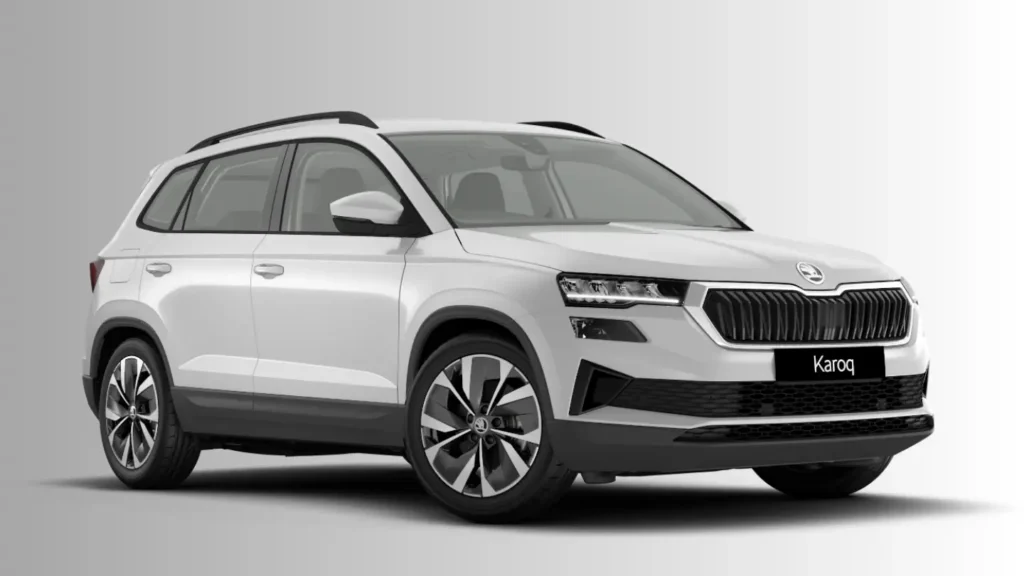
None of this is set in stone yet, and Skoda hasn’t confirmed pricing, specifications, or an Australian on-sale date. Global reveals for the new Karoq aren’t expected until 2027 at the earliest, and local timing typically trails behind Europe by several months to a year for Skoda’s range.
Still, this is a useful signal for anyone shopping in the popular mid-size SUV segment. Skoda has form here too, the Elroq itself wasn’t originally planned either, and Zellmer noted it went on to become the second best-selling electric car in Europe. If the Karoq’s second act follows a similar pattern of underestimated demand, it could end up being a genuinely strong option for buyers who want SUV practicality without going fully electric.
We’ll keep tracking this story as more details on Australian availability and specifications emerge.

Comments
New Comment