




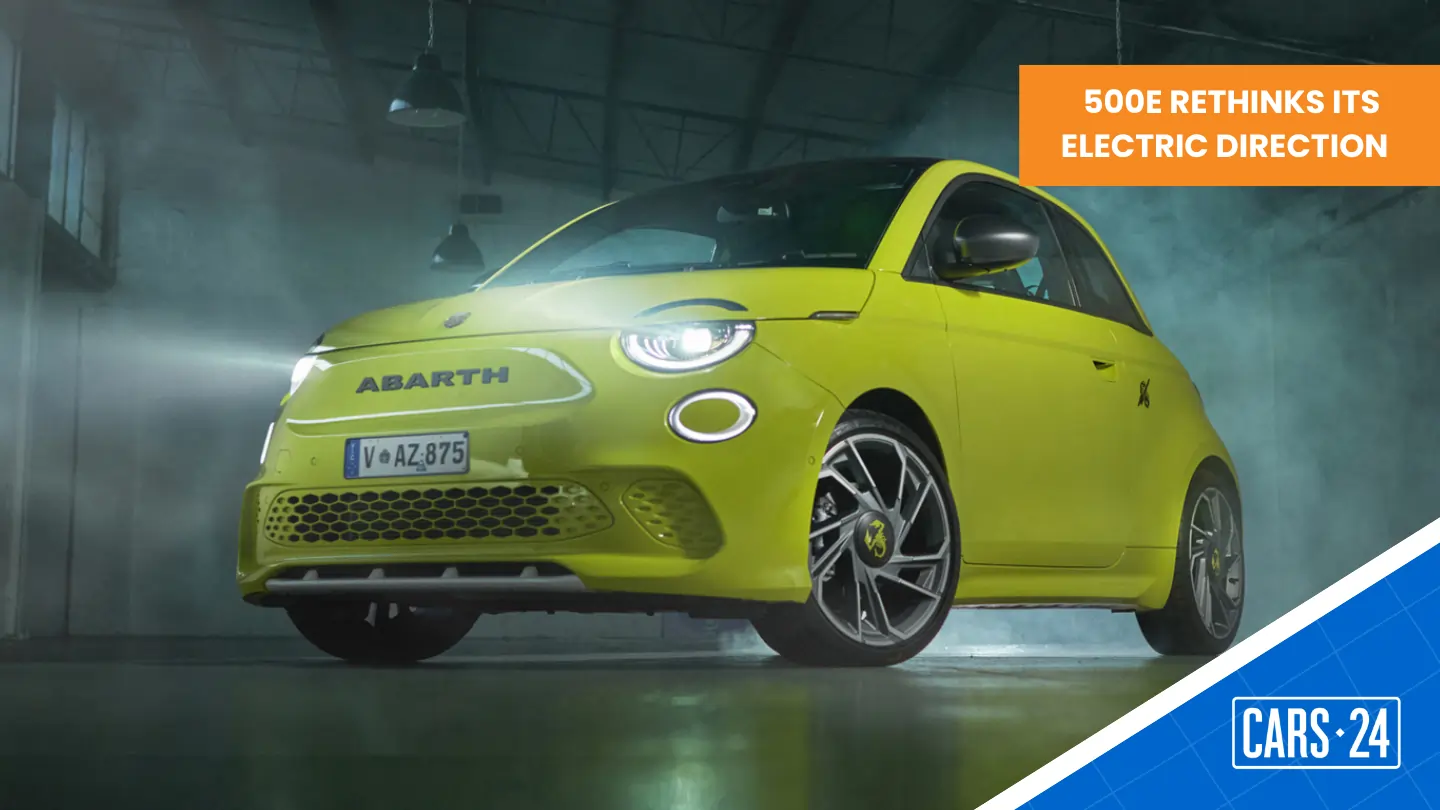
Fiat’s performance division, Abarth, is considering bringing petrol power back to its 500e hot hatch after the electric model failed to impress loyal customers. Gaetano Thorel, head of Fiat and Abarth in Europe, admitted that long-time enthusiasts are not very happy with the electric-only approach.
So far this year, traditional petrol Fiat and Abarth 500 models have outsold their new electric successor in the UK, recording 199 sales versus 146 for the 500e. Overall, Abarth sales in the region have dropped to 273, a steep fall from 954 during the same period in the previous year.
Why are enthusiasts hesitant about the Abarth 500e

 +1 Photos
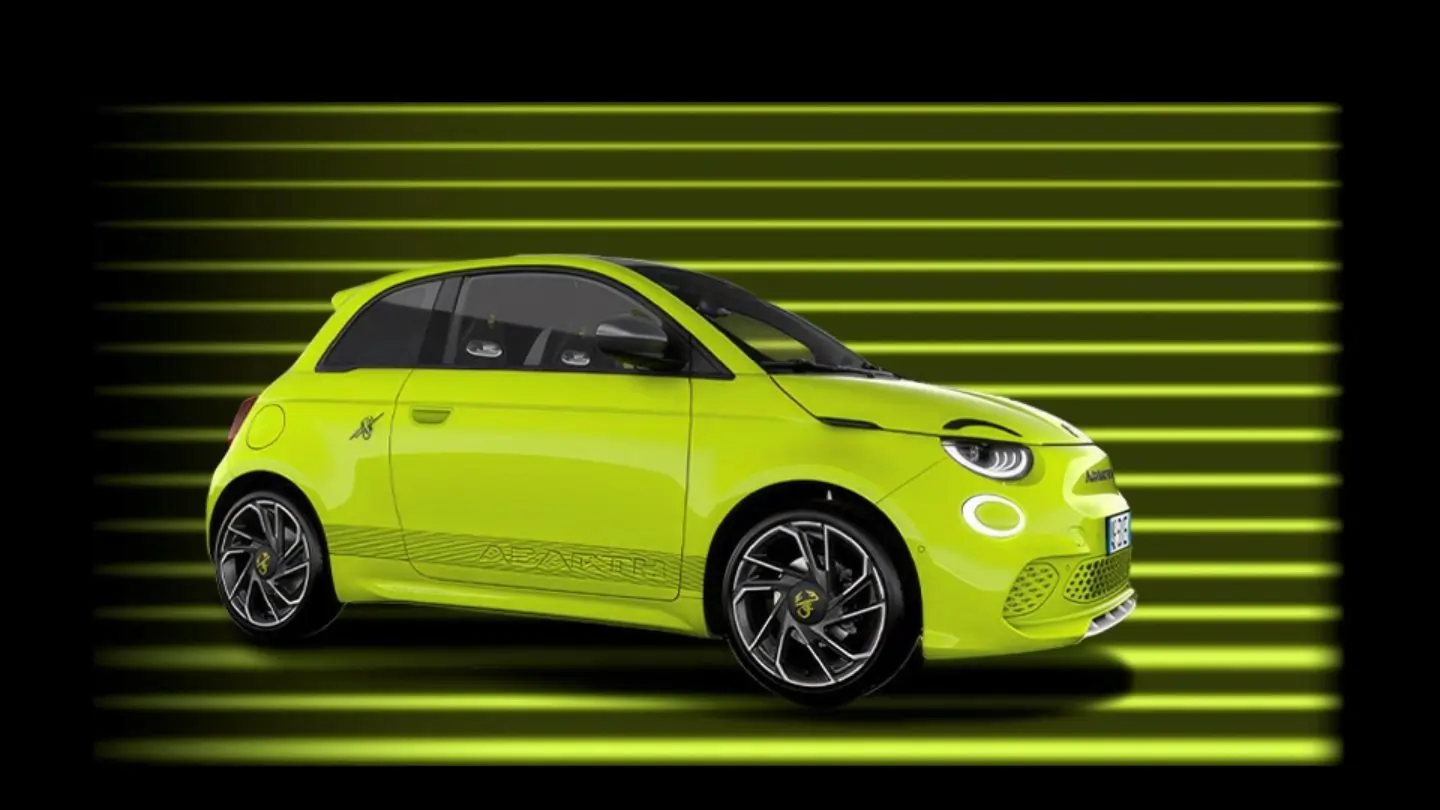


Abarth ownership has long been associated with personalisation, tuning and hands-on mechanical involvement. According to Thorel, the electric Abarth 500e restricts this because owners cannot access or modify the powertrain.
For many enthusiasts, the appeal of an Abarth goes beyond power ratings, revolving instead around the joy of tinkering and extracting character from the engine. The limitation has softened enthusiasm for the EV despite its modern technology.
Engine pathways under study for a potential petrol return
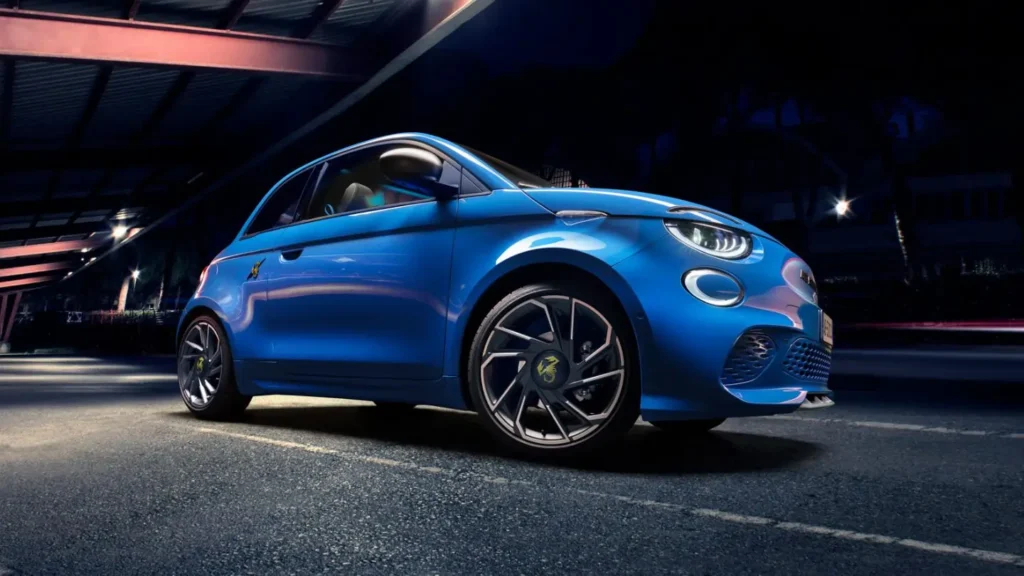
Fiat engineers have evaluated the 1.0-litre three-cylinder hybrid engine from the regular Fiat 500, but it does not deliver the performance expected from an Abarth. The preferred choice would be the familiar 1.4-litre turbo four-cylinder from the outgoing Abarth 595, yet the current platform cannot accommodate it. With that in mind, the 1.2-litre turbo used in Peugeot models is among the options being assessed for feasibility.
Australian pricing shift reflects demand challenges
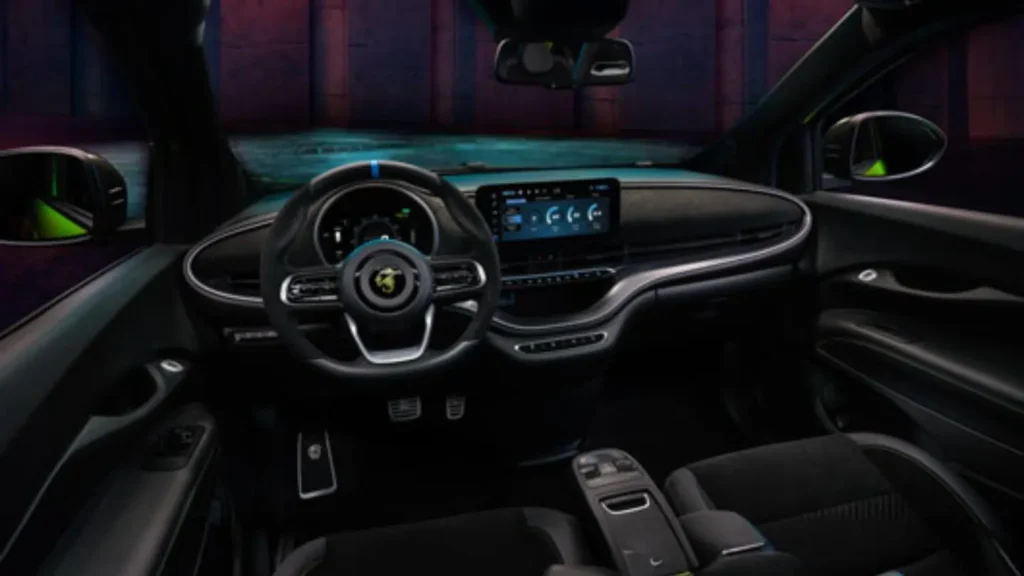
Weak demand has also affected the Australian market, where the Abarth 500e is now listed at $43,990 drive-away after discounts totalling around $20,000. The standard Fiat 500e has dropped to $38,990 drive-away from its original price of more than $56,000, depending on location.
Where does Abarth go from here
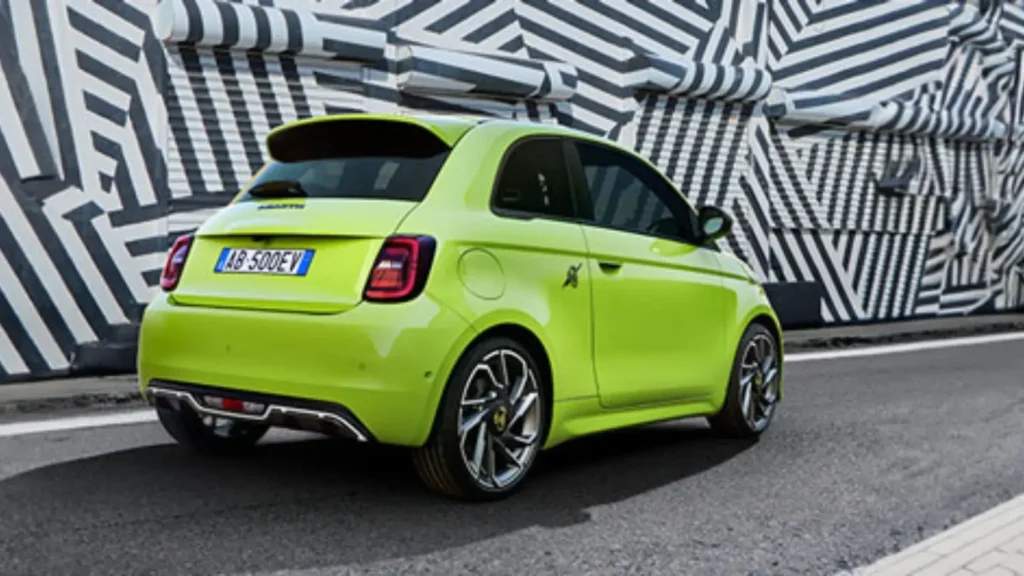
Thorel said the brand is continuing to investigate options and will proceed only if the engineering challenge can be solved. The situation places Abarth at a crossroads. The 500e demonstrates clear progress in technology and sustainability, and it deserves recognition for its bold approach to electrification in a segment that has historically relied on petrol performance. However, the move underestimated the value that long-time Abarth drivers place on sound, mechanical character and hands-on modification.
This moment reflects a broader question for the performance-car world. Electric propulsion brings instant torque and environmental benefits, yet some enthusiasts still seek the visceral involvement that only a combustion engine provides. If Abarth can strike a balance between innovation and heritage, the brand has an opportunity to win back its core audience without abandoning its electrification strategy.

Comments
New Comment