




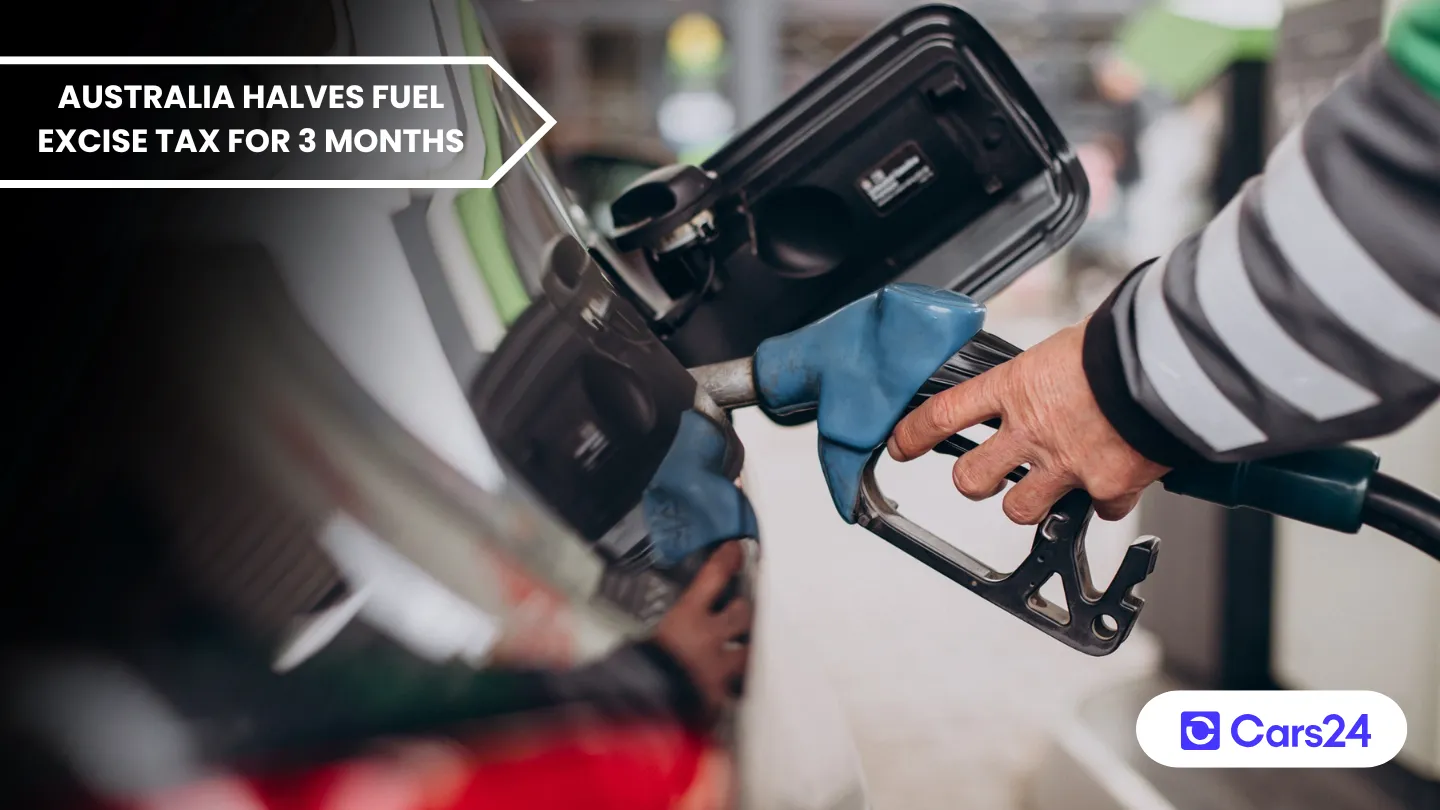
The Australian government is halving the fuel excise tax on petrol and diesel for three months. The tax will drop from about 52.6 cents per litre to 26.3 cents per litre. This fuel excise cut is a short-term pressure valve, not a permanent fix.
It immediately lowers pump prices, supports freight and tourism, and buys time amid ongoing global uncertainty. The next few months will be critical in determining whether Australia can hold the line or move deeper into its fuel security plan.
Fuel excise cut in half
Prime Minister Anthony Albanese, following a cabinet meeting in Canberra, announced that fuel excise will be cut from 52.6c/L to 26.3c/L, effective from April 1, 2026, for at least three months. Interestingly, this comes after the federal government announced no fuel tax cut.
This translates to around $19 saved on a 65-litre tank for everyday drivers. Mr Albanese said, “We’re making fuel cheaper today because we understand that Australians are under serious pressure.”
Cost to the budget
Treasurer Jim Chalmers confirmed the estimated cost of this excise cut stands at around $2.55 billion. The road user charge increase has been deferred by six months.
What’s driving the fuel price spike?
The current fuel crunch is tied to the Middle East conflict, which has triggered panic buying, driven global demand spikes, and pushed prices sharply higher.
In Australia, petrol has gone up to ~$2.50/L and diesel up to $3.19/L. Despite this, both Anthony Albanese and Chris Bowen have stressed that fuel supply into Australia remains steady.
Also read: Government calms fears and rejects fuel rationing plans
Heavy vehicle charges scrapped (temporarily)
The government hasn’t stopped at passenger vehicles. Heavy vehicle road user charge (currently 32.4c/L on diesel), which applies to vehicles over 4.5 tonnes GVM, has been reduced to zero for the same three-month period. This is aimed at keeping freight moving and limiting flow-on price increases across the economy.
The big national fuel security strategy
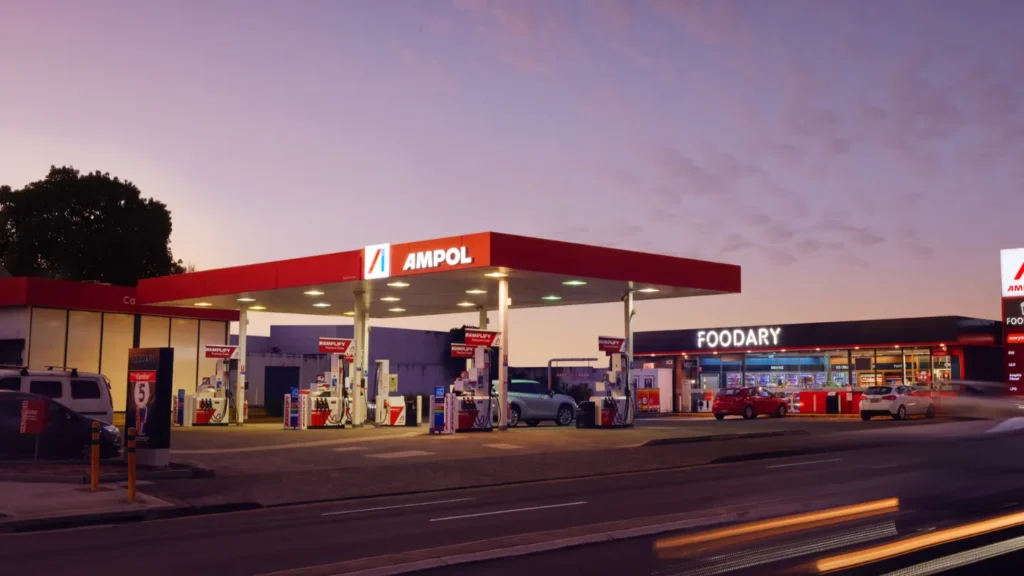
The fuel excise move is not a one-off decision but part of a structured four-stage national fuel security plan agreed by the cabinet. Australia has now moved into Stage 2 of “Keeping Australia moving,” where the fuel supply continues with some minor disruptions and a coordinated national response is triggered to avoid state-by-state chaos. The other three stages are:
- Stage 1 is about “Plan and prepare” (monitoring global impacts), which is already executed. Potential next steps are
- Stage 3: Targeted actions to maintain supply
- Stage 4: Protect critical users and keep the economy running
Mr Albanese said the government is planning ahead but hopes to avoid escalation.
What’s already been executed
The government had already taken steps to stabilise supply before this tax cut. This includes underwriting oil shipments, releasing emergency fuel reserves, and allowing lower-quality diesel to ease shortages. Even so, prices kept climbing, flowing through to transport costs, shipping, and supermarket prices.
Other countries feeling the pressure too
Fuel price pressure is hitting worldwide. For instance, the United States has hit ~US$4/gallon (A$1.54/L), and they have released strategic reserves, relaxed emissions rules (more ethanol use), and proposed a fuel tax pause (not yet approved) to tackle this fuel price spike. In Europe, the UK has relaxed the fuel tax by 5p/L (A9.7c) since 2022. The prices for petrol have also gone up to £1.50/L (A$2.90/L).
Also read: National EV road user charge under consideration
The real issue behind the fuel crisis
Some stations are running dry even with a strong national supply. Regional areas are hit hardest as fuel distribution bottlenecks remain a key challenge. The government maintains the status that the ships are still arriving and refineries are operating at full capacity.

Comments
New Comment