





Australia is now selling cleaner petrol that matches the quality used in most developed countries, and this change comes with only a very small cost increase for drivers. From now on, all grades of petrol are limited to a maximum of 10ppm sulphur. These fuel quality numbers match the Euro 6d emissions standards, and older fuel with higher sulphur levels can no longer be sold.
New petrol rules and sulphur limits explained
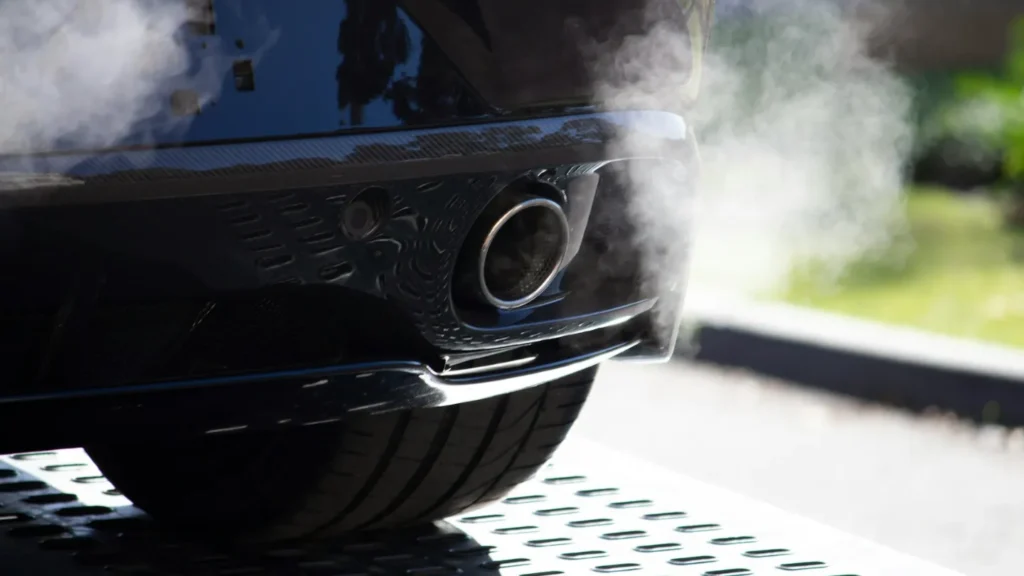
All petrol sold in Australia must contain no more than 10 parts per million (ppm) of sulphur from Monday, December 15, 2025. This is a major reduction from 150ppm in the 91 RON (Research Octane Number) petrol and 50ppm in 95 and 98 RON petrol. Aussie fuel standards now match those in Europe, the US, Canada, China, India, and New Zealand.
Sulphur is a natural part of crude oil, but when burned, it emits harmful pollutants. Lower sulphur means cleaner exhaust emissions and better long-term engine health. Before this change, Australia’s petrol sulphur limits were similar to those used in developing regions such as parts of South America and Northern Africa.
The fuel change aligns with Euro 6d emissions standards for new cars. The lower sulphur rules were originally planned for 2027. They were brought forward to 2024 after the Federal Government was elected in 2022, but then delayed to December 2025 to align with Euro 6d rules.
Along with lower sulphur, 95 RON petrol must now limit aromatic hydrocarbons to 35%. These aromatic chemicals naturally occur in crude oil, and they increase the octane but can cause engine problems if levels are too high. 91 and 98 RON petrol still allows 45% aromatics in Australia.
MORE: Australian Fuel Quality Standards Act, 2000
Petrol pricing and expected cost increase
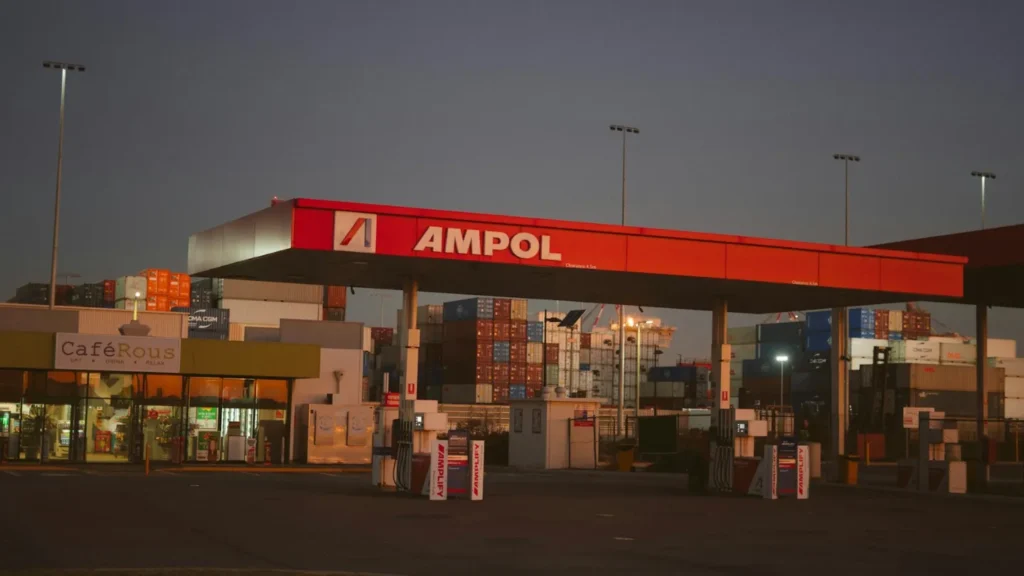
The Federal Government estimates about 0.6 to 1.0 cents per litre increase in petrol pricing due to lower sulphur and an extra 0.9 cents per litre for 95 RON petrol due to aromatic limits (35%). For reference, a car using 95 RON petrol, driving 15,000km per year, the fuel costs would rise by about $22.80 per year.
Any small price increase caused by cleaner fuel will likely be absorbed into normal fuel price cycles. As NRMA estimates, petrol prices change regularly and already move 30–40 cents per litre during normal cycles. For instance, in 2025, average petrol prices have ranged between $1.70-$1.90 per litre.
How petrol in Australia compares to other countries
Even with lower sulphur, Australian fuel still lags in quality from Europe in areas like minimum octane ratings and aromatic content. Europe’s minimum petrol octane rating is 95 RON, and aromatics are capped at 35% (Australia uses 45%).
Aromatics are additives used to increase octane rating (RON), but in Australia, their use is restricted because of groundwater contamination risks.
MORE: EU revokes its 2035 ban on petrol and diesel cars
Takeaways for car owners in Australia
Aussie drivers do not need to change anything as the new fuel works in all existing petrol cars, comes from the same pumps, and may even help car engines run slightly cleaner.
Car owners are unlikely to feel any financial impact while benefiting from cleaner fuel, as petrol prices naturally move up and down this much, often. Moreover, Aussies who own or plan to buy a European petrol car will benefit from the new petrol rule as cleaner fuel protects expensive emissions hardware such as petrol particulate filters (PPFs).

Comments
New Comment