




Key highlights
- BYD leads Australia’s EV brands with 49,953 sales, ahead of Tesla’s 45,755.
- Tesla Model Y tops model sales with 39,035 units, followed by BYD Sealion 7.
- Geely Holding Group ranks third with 37,698 EV sales across its brands.
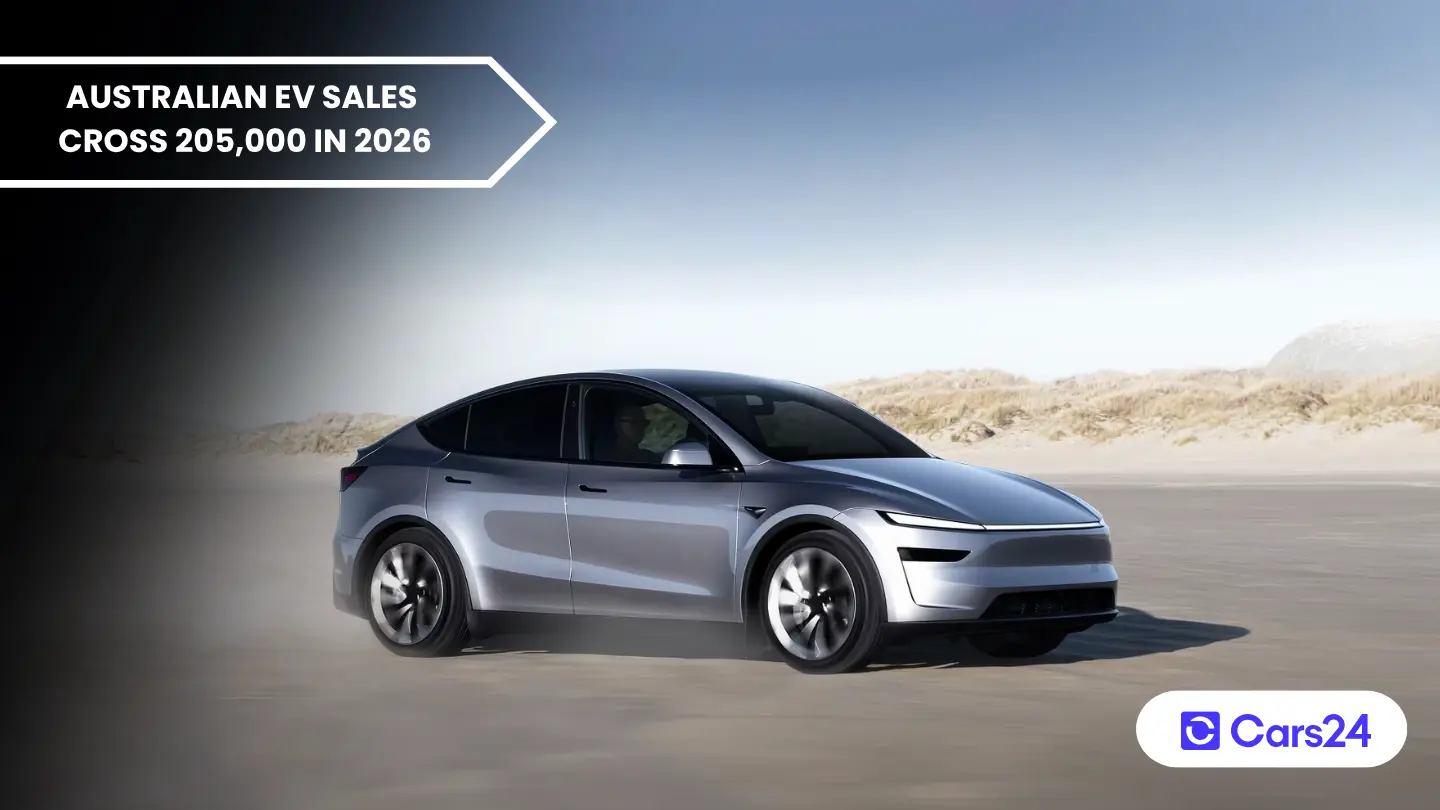
Australia’s battery electric vehicle (BEV) market has recorded 205,434 sales between January and October 2026, with October contributing 24,845 units.
The latest figures, published by The Driven on 5 November 2026, draw on data from the Federal Chamber of Automotive Industries (FCAI), Electric Vehicle Council (EVC) and individual manufacturers.
October’s result represents a decline from September, when 26,287 battery electric vehicles were sold. However, it remains higher than July’s 23,510 units and is considerably above the 7,409 recorded in January.
The monthly figures show that sales have fluctuated throughout the year, with June recording the highest volume at 32,570 units. August followed with 27,078 units, while September recorded 26,287.
Here’s how Australia’s monthly BEV sales have progressed in 2026.
Read more: Australia rules out US-style BYD ban at military bases
| Month | BEV sales |
| January | 7,409 |
| February | 11,134 |
| March | 15,839 |
| April | 15,459 |
| May | 21,303 |
| June | 32,570 |
| July | 23,510 |
| August | 27,078 |
| September | 26,287 |
| October | 24,845 |
| 2026 YTD | 205,434 |
The figures indicate that Australia’s EV market has maintained substantial sales volumes through the year, even as monthly deliveries have moved up and down.
Tesla Model Y remains Australia’s best-selling electric car
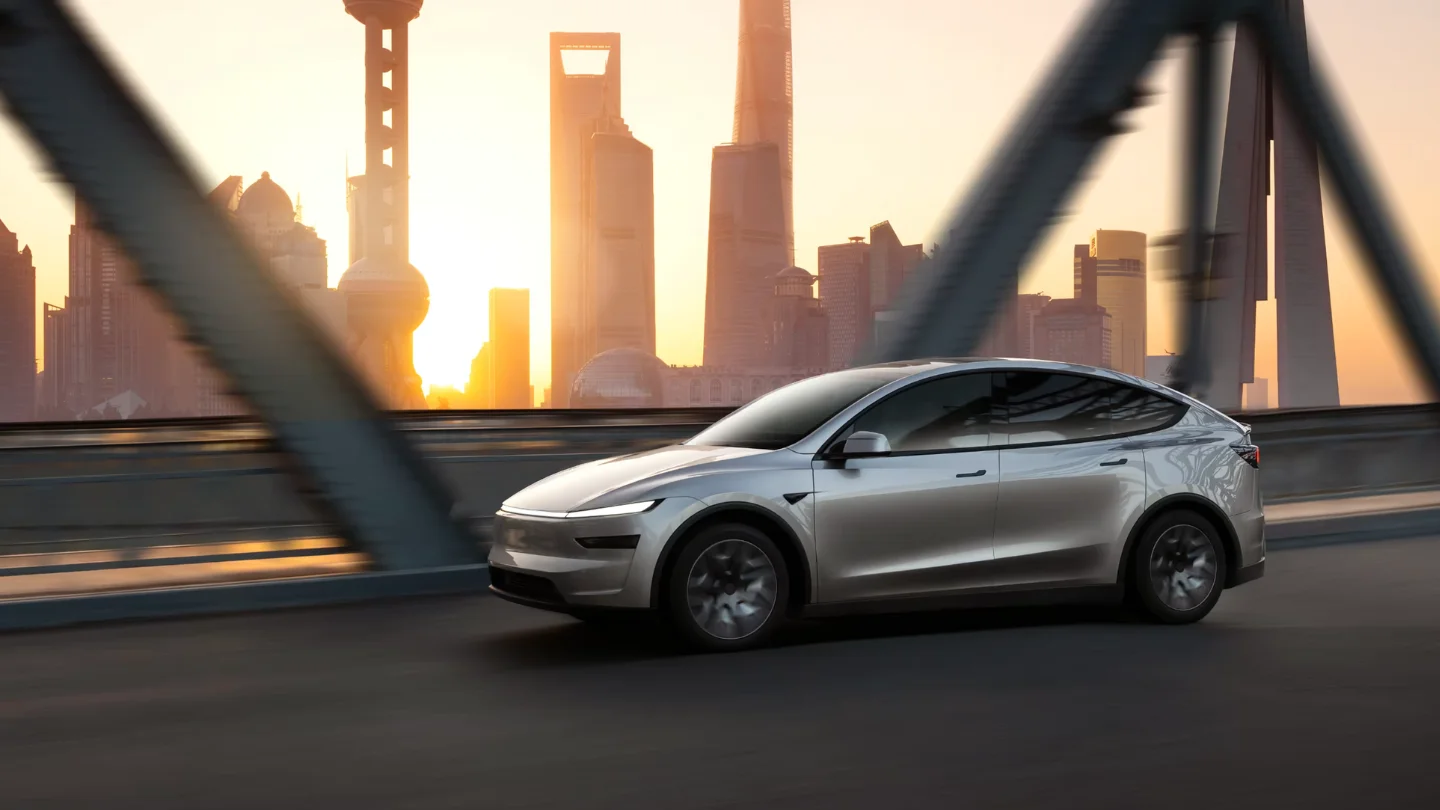
The Tesla Model Y continues to hold a substantial lead in Australia’s individual EV model rankings, recording 39,035 sales between January and October 2026.
It registered 3,105 units in October, following 4,476 in September and 6,414 in August. Its strongest month so far was June, when 8,072 examples were recorded.
The BYD Sealion 7 is the closest competitor, with 22,488 sales year-to-date. Its October tally of 2,524 units keeps it comfortably ahead of the other models competing for the second position.
The Geely EX5 takes third place with 14,534 sales, followed by the Omoda Jaecoo J5 at 12,378 units and Zeekr 7X with 12,241.
Other notable performers include the BYD Atto 2, Tesla Model 3, Kia EV5, BYD Atto 3 and Kia EV3.
The BYD Atto 2 has accumulated 9,420 sales, while the Tesla Model 3 has recorded 6,720. Kia’s EV5 and EV3 have also crossed the 5,000-unit mark.
Australia’s 10 best-selling EV models in 2026
| Model | YTD sales |
| Tesla Model Y | 39,035 |
| BYD Sealion 7 | 22,488 |
| Geely EX5 | 14,534 |
| Omoda Jaecoo J5 | 12,378 |
| Zeekr 7X | 12,241 |
| BYD Atto 2 | 9,420 |
| Tesla Model 3 | 6,720 |
| Kia EV5 | 5,175 |
| BYD Atto 3 | 5,070 |
| Kia EV3 | 5,045 |
One interesting takeaway is the number of Chinese models occupying the upper end of the rankings. BYD, Geely, Omoda Jaecoo and Zeekr collectively account for a significant share of the leading positions, putting pressure on established EV manufacturers.
BYD leads Tesla in Australian EV brand sales
Although Tesla has the country’s best-selling individual electric vehicle, BYD has taken the lead in the brand rankings.
BYD recorded 49,953 sales through October 2026, compared with Tesla’s 45,755. This gives BYD an advantage of 4,198 vehicles.
The difference becomes more interesting when October’s individual brand sales are considered. BYD registered 5,271 units during the month, while Tesla recorded 4,050.
Geely takes third position with 18,848 sales, followed by Zeekr with 13,994 and Omoda Jaecoo with 12,378.
MG and Kia are separated by just 27 vehicles, with 11,539 and 11,512 sales respectively.
Top 10 EV brands in Australia
| Brand | YTD sales | October |
| BYD | 49,953 | 5,271 |
| Tesla | 45,755 | 4,050 |
| Geely | 18,848 | 3,139 |
| Zeekr | 13,994 | 1,874 |
| Omoda Jaecoo | 12,378 | 1,714 |
| MG | 11,539 | 1,628 |
| Kia | 11,512 | 1,122 |
| Hyundai | 3,761 | 320 |
| Toyota | 3,347 | 414 |
| GWM | 2,910 | 520 |
Geely’s October performance is particularly notable. Its 3,139 sales put it ahead of Tesla for the month, although it still trails the American manufacturer in the year-to-date rankings.
Geely and Chery groups add to Chinese manufacturers’ momentum
Looking beyond individual brands reveals an even stronger presence for Chinese automotive manufacturers.
BYD Auto leads the automotive group rankings with 50,136 sales, followed by Tesla Inc with 45,755.
Geely Holding Group occupies third position with 37,698 sales. This figure combines its various brands, including Geely, Zeekr, Volvo, Polestar, Lotus and Farizon.
Hyundai Motor Group follows with 15,366 units, while Chery Automobile has recorded 14,433.
SAIC Motor, which includes MG and LDV, has accumulated 11,539 sales.
The group rankings provide a broader picture of the competition because several automotive manufacturers operate multiple brands in Australia. For instance, Geely’s combined total is considerably higher than the sales recorded under the Geely badge alone.
Why some Australian EV sales figures are missing
There is one important qualification when interpreting the data. Not all manufacturers provide separate sales figures for their battery electric vehicles when the same model is also offered with an internal combustion engine.
The Driven combines FCAI and EVC figures with information supplied directly by manufacturers to build its model-level database. Consequently, some individual model entries remain incomplete.
For October 2026, the combined FCAI and EVC total stands at 24,845 units, while the individual model table accounts for 24,362. That leaves a difference of 483 vehicles without an individual model breakdown.
The brand and automotive group tables also have slightly different totals because they aggregate the available model-level information differently.
These gaps mean the rankings offer a useful picture of Australia’s EV market, but they should not be treated as a complete manufacturer-by-manufacturer breakdown.
With November and December still to come, the remaining sales figures will determine whether BYD can extend its advantage over Tesla and whether Geely can maintain its momentum in an increasingly competitive Australian electric vehicle market.

Comments
New Comment