




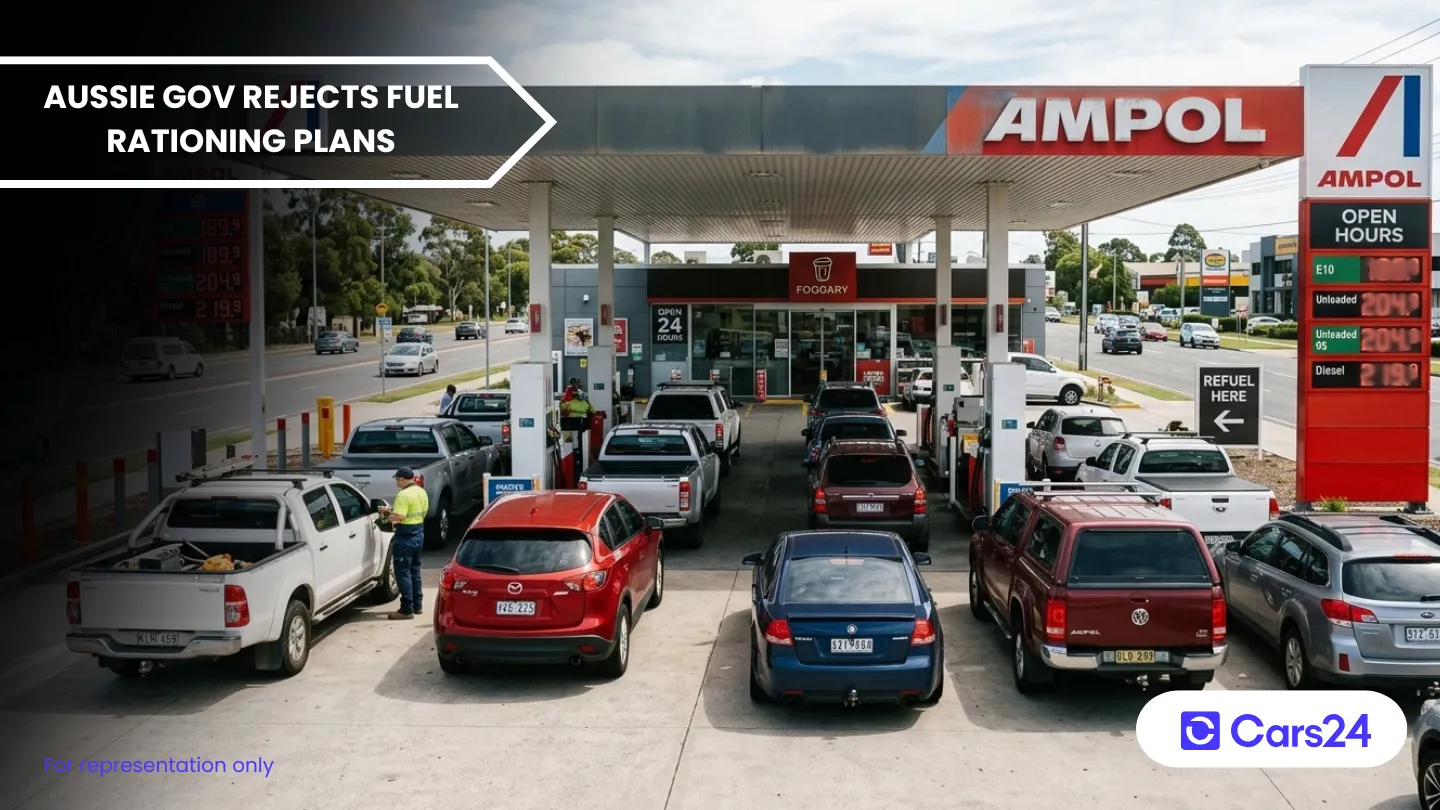
The Australian Government has moved to reassure motorists that there are no plans to introduce national fuel rationing, despite rising prices and patchy shortages at some service stations. Chris Bowen, Federal Minister for Climate Change and Energy, says the issue isn’t supply but panic buying and distribution pressure, especially in regional areas.
Fuel supply still strong nationwide
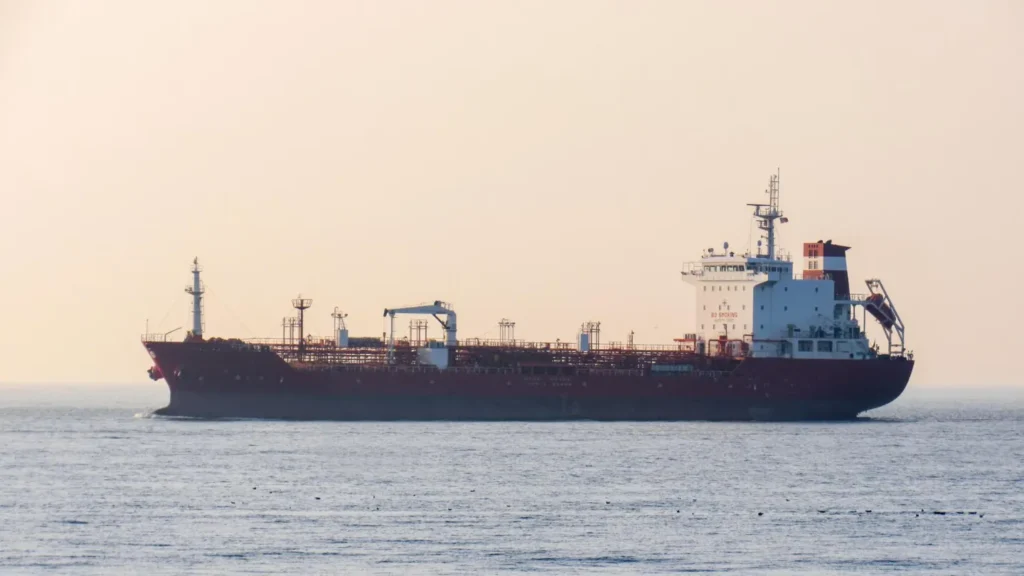
According to Chris Bowen, Australia’s fuel reserves remain stable. Petrol has a 38-day supply (slightly increased), and diesel and jet fuel have 30 days each.
The fuel imports mainly come from Malaysia, some from Mexico and the United States. Refineries are running at full capacity and are dedicated entirely to Australian demand. Around 81 fuel ships still arrive monthly here, and only six Australian fuel ships have been cancelled. The government is working to get these replaced soon.
Also read: Australia allows ‘Dirty Fuel’ for 60 days to boost petrol supply
Regional areas hit hardest
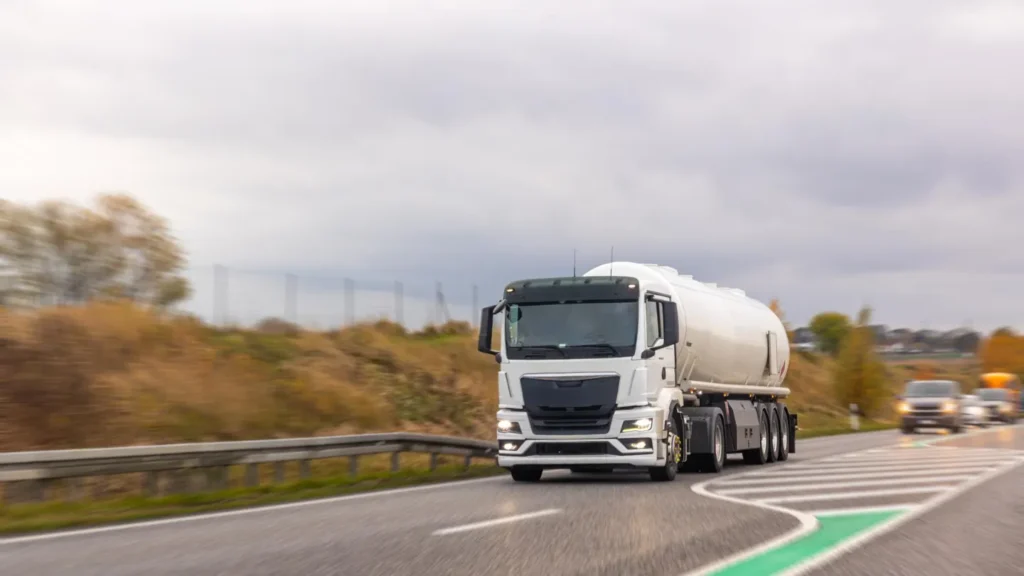
The real pressure point in fuel shortages is distribution, especially outside major cities. The core challenges include:
- Longer transport distances from refineries (e.g. Geelong, Brisbane)
- Smaller regional operators are working on tight margins
- Limited access to fuel on the spot market
As a result, refineries are prioritising contracted customers and rural and regional areas are feeling the biggest impact. In some regional areas, diesel prices have exceeded $3 per litre.
What’s causing the shortages?
Despite a strong supply, some stations are running dry, and the main culprit is panic buying. Demand has doubled in some areas, and consumers are buying more fuel than needed.
PM Anthony Albanese has already urged Australians to only take what they need and act as “good neighbours.”
NSW shortages highlight the issue
Chris Minns, Premier, NSW, confirmed the scale of disruption there. He said 105 service stations are out of diesel, and 35 stations have no fuel at all. He also echoed the federal stance that the problem is distribution, not supply.
Also read: Government rules out fuel tax cut amid rising prices
No rationing needed
While the government has the option to introduce nationwide fuel rationing under the National Liquid Fuel Emergency Act (1984), Bowen has ruled it out for now.
He said that the Act has never been used, not even during the Gulf Wars and COVID-19. It’s mainly designed to protect defence operations and health services. Bowen says it would only be used in a genuine, severe shortage, and Australia isn’t there.
If conditions worsen, the government could act with advice from the National Oil Supply Emergency Committee, which includes representatives from all states and territories and the parliament.
The committee has already met seven times, but no recommendation has been made to trigger emergency powers. Bowen made it clear that emergency measures would only be used as a last resort.
Also read: 10 Best-Selling EVs in Australia in February 2026
What happens next?
While fuel supply remains strong, the shipment situation is still uncertain. More transportation disruptions are possible as conditions in the Middle East remain volatile.
However, the government expects short-term bumps in supply and continued coordination with importers and refiners to minimise the impact on the fuel supply.

Comments
New Comment