




Key highlights
- Avatr and Nevo are evaluating plug-in hybrid and range-extender powertrains for the Australian market.
- The Avatr 06T and 07L already offer range-extender options overseas, although their Australian specifications are yet to be confirmed.
- Nevo is expected to arrive in Australia in 2027, as demand for plug-in hybrids continues to grow locally.
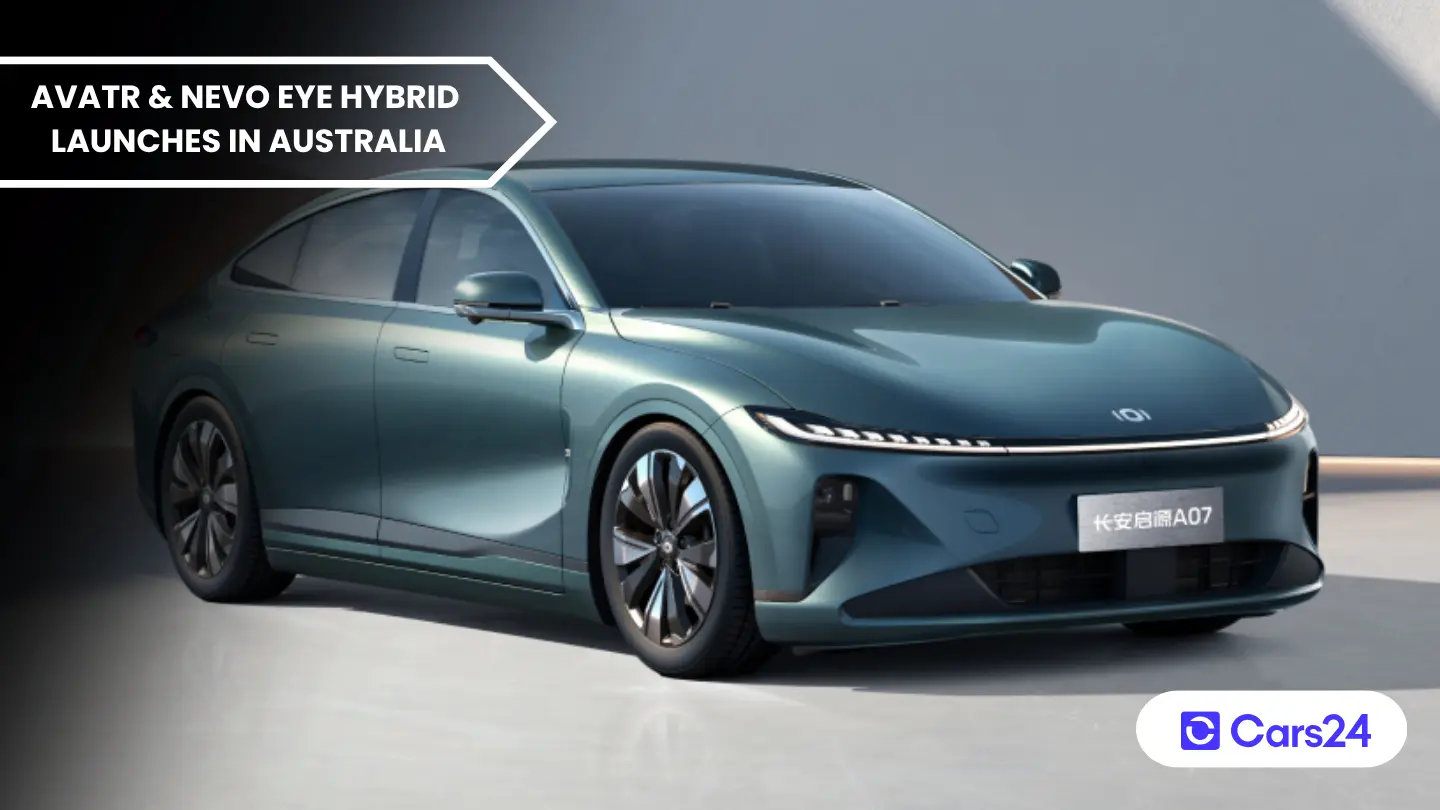
Changan’s Avatr and Nevo brands may bring plug-in hybrid (PHEV) and range-extender (EREV) models to Australia before sister brand Deepal does.
Andrew Haurissa, head of brand and marketing at Avatr Australia, said Changan’s factory-backed local operation is looking at the technology closely. “We do have PHEV/EREV options that we are considering for entry into Australia sooner rather than later,” he said, adding that more will be shared in local communications in the coming months.
No models, pricing or launch dates have been announced, so for now this is an intention rather than a product plan.
Read more: Avatr 06T electric wagon locked in for Australia in late 2027
First non-EV signal from Changan
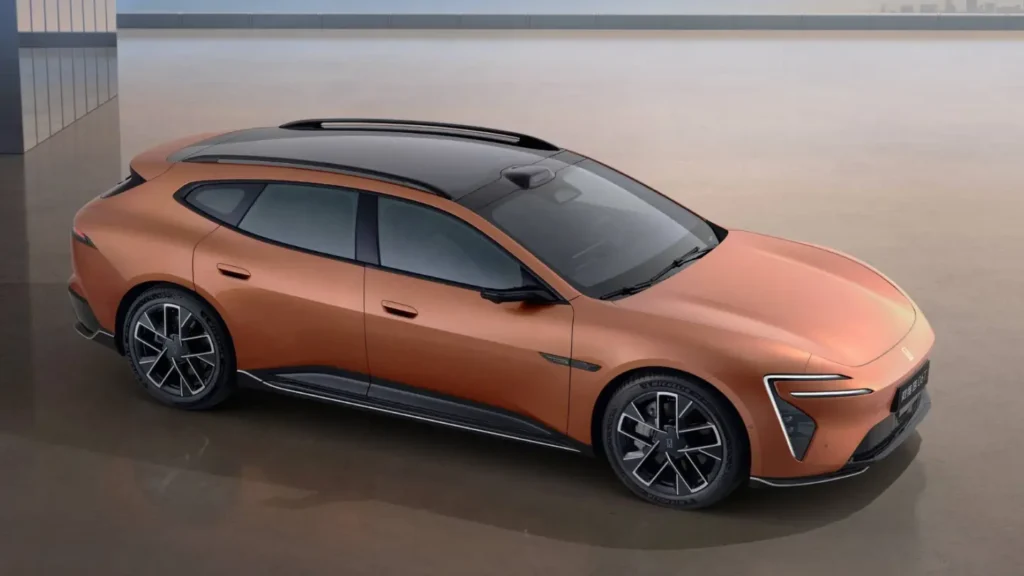
Until now, Changan’s Australian plans have been all-electric. The Avatr 07L and 06T have only been confirmed here with EV powertrains, and the 06T wagon is slated for 2027. Deepal, which Inchcape distributes separately in Australia, currently sells only EVs, with the Deepal S07 the one model on sale locally.
That makes Haurissa’s comments the first hint that Changan’s Australian line-up could include a petrol engine in the mix.
What the overseas models offer
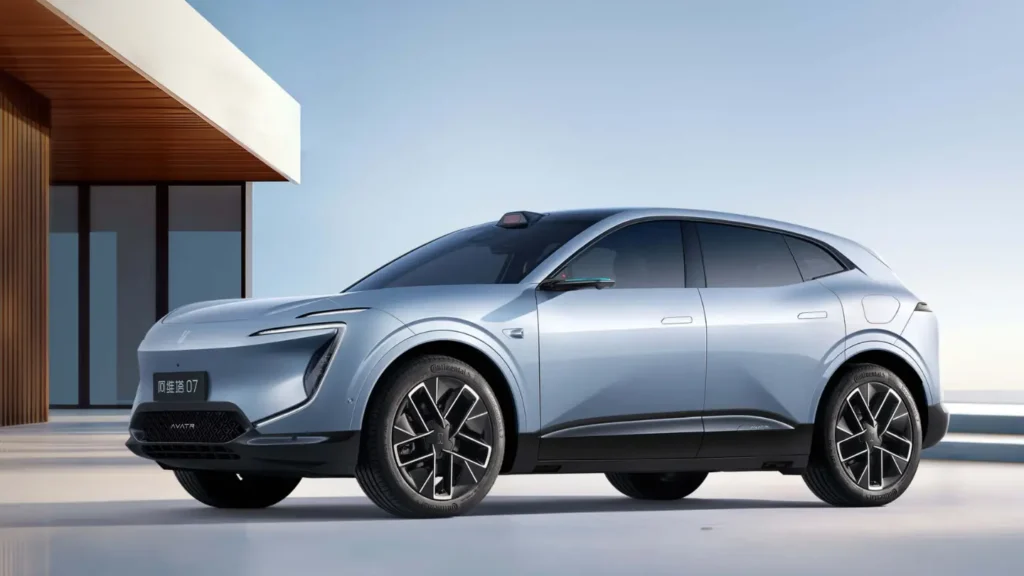
Both the 07L and 06T are offered with EREV powertrains in markets like China, so there is already hardware to draw from. The 06T’s setup pairs a 1.5-litre turbo-petrol engine with two electric motors and a 45.1kWh battery. Combined system power is 370kW, and the claimed total driving range is 1200km on the NEDC test cycle.
NEDC figures tend to look generous next to real-world driving, so treat that number as a ceiling rather than a promise. Whether Australia would get the same configuration is unconfirmed.
The Chinese-market version of the Avatr Concept T09 flagship SUV, which debuted in Paris this week, is EREV-only. That suggests how much weight Changan is putting on the technology at home.
Nevo is also in the picture. The brand is about to launch in Spain from early 2027 before heading to Australia later next year, and it offers PHEV and EREV powertrains depending on the model line.
Where does Deepal fit?
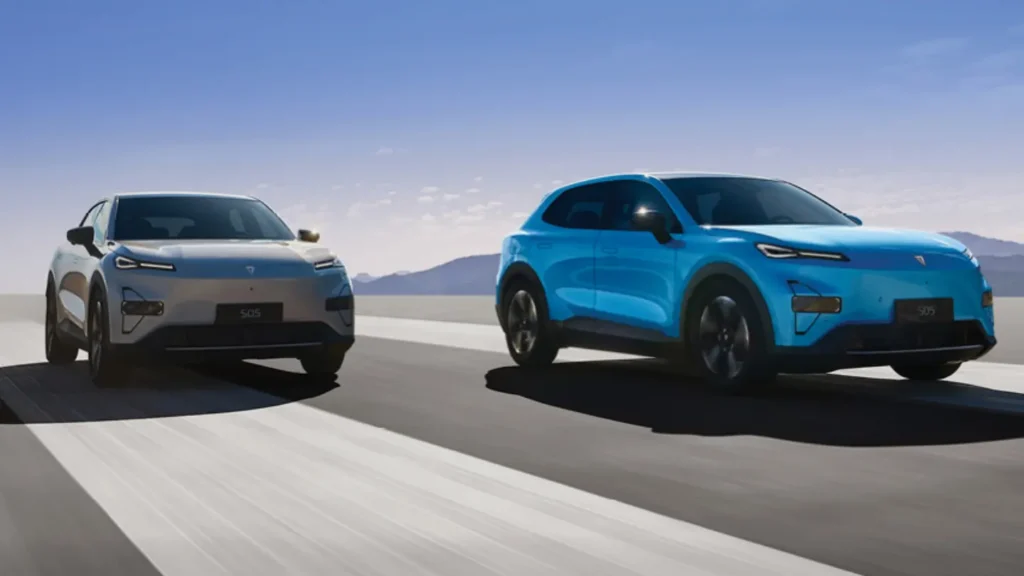
Deepal’s S05 and S07 SUVs are both offered with long-range PHEV options, and both have just been confirmed for imminent launches in Europe, including in right-hand drive. That is a useful sign for Australia, where we also drive on the left. But there is no confirmed Australian timing for those PHEV versions at this stage.
So while Deepal appears to have the technology ready, Avatr and Nevo are the brands that have publicly put their hand up for PHEV and EREV models here. Whether that means they actually arrive first is speculation until Changan and Inchcape share firm dates.
Why Australian buyers should care
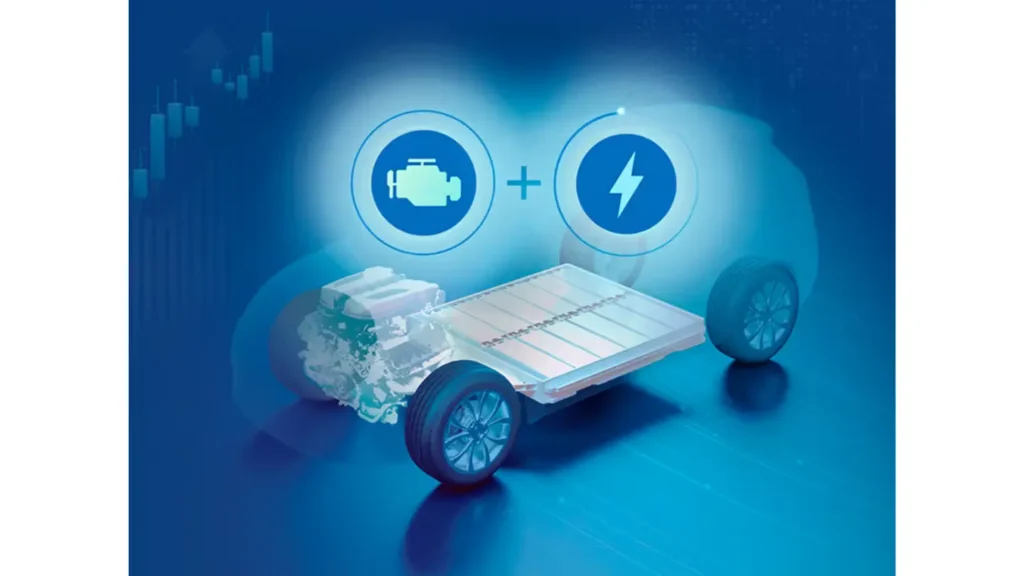
The timing makes sense. According to figures cited for September 2026, PHEV sales (including EREVs) rose 122.7 per cent to 10,072 units, and their year-to-date market share has reached 8.9 per cent.
That growth comes off a smaller base, though. The year-to-date PHEV and EREV tally of 85,278 sales is well behind conventional hybrids at 160,053 units and all-electric vehicles at 180,591 units.
In put it simply, plug-in hybrids are catching on fast, but they haven’t overtaken the alternatives yet. For buyers who like the idea of electric driving but worry about charging access or long country runs, a PHEV or EREV is an obvious middle path. Long-range “Super Hybrid” systems popular in China can offer electric-only ranges of 150km to 300km thanks to bigger batteries than conventional PHEVs, with combined ranges beyond 1000km. If similar tech reaches Australia, daily commuting could be done on electricity alone, with petrol as a backup for longer trips.
What we still don’t know
Australian pricing hasn’t been announced, and neither has a launch timeframe or which models would get the powertrains. Specifications for any local version are also unconfirmed.
Given Haurissa’s “coming months” comment, though, answers shouldn’t be far off. For shoppers weighing up a Chinese-brand EV right now, it may be worth watching what Avatr and Nevo reveal before committing.

Comments
New Comment