





Australia’s new vehicle market opened 2026 on stable footing, with 87,092 vehicles sold in January, a slight 0.3% increase year-on-year, according to the latest VFACTS figures released by the FCAI.
While January volumes were naturally lower than the strong December finish, demand remained consistent across key segments, with utes and SUVs again doing the bulk of the work.
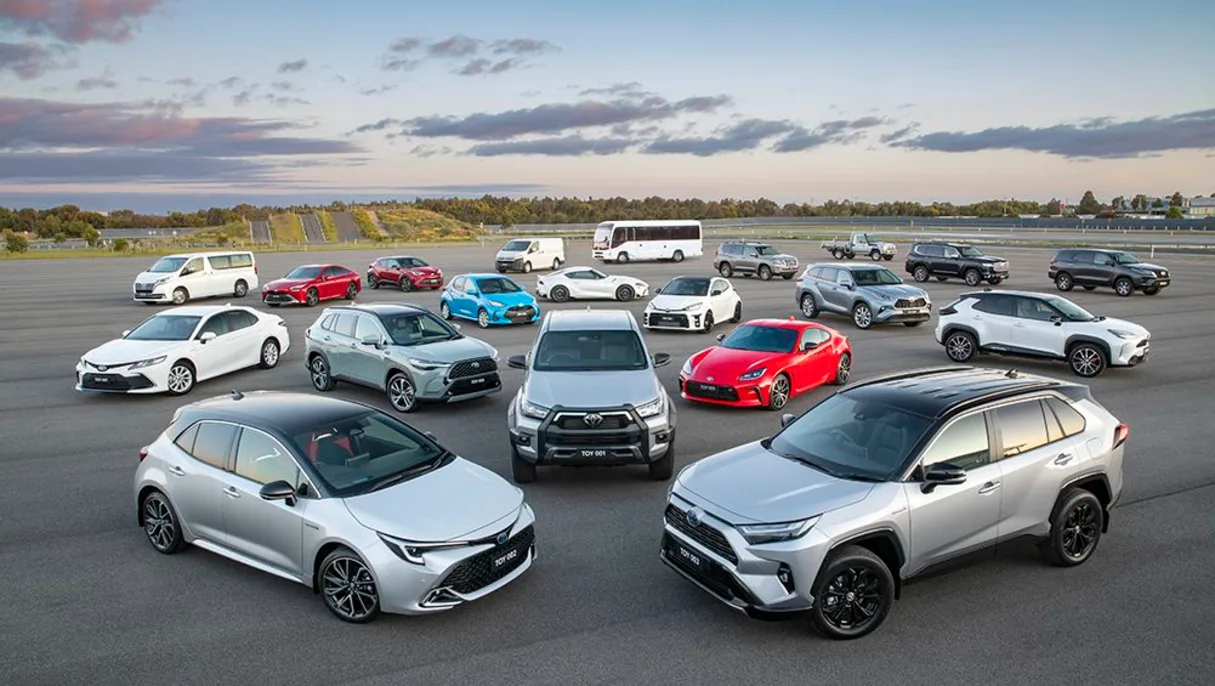
At the brand level, Toyota continued its dominance, Mazda held firm in second, and Kia rounded out the top three. Here are the top 10 car brands sold in January 2026.


Top 10 car brands sold in January 2026
| Model | Sales (January 2026) | Sales (December 2025) |
| Toyota | 14,310 | 18,541 |
| Mazda | 7,692 | 7,562 |
| Kia | 6,600 | 6,101 |
| Ford | 6,116 | 8,541 |
| Hyundai | 5,856 | 5,640 |
| BYD | 5,001 | 6,743 |
| GWM | 4,509 | 4,875 |
| Mitsubishi | 4,347 | 4,420 |
| Chery | 3,780 | 3,694 |
| MG | 3,123 | 2,450 |
January 2026 car sales at a glance
Toyota began the year exactly where it ended the last one, firmly in front! Its mix of SUVs, hybrids, and broad fleet strength kept the brand comfortably ahead of the pack despite a seasonal drop from December’s peak.
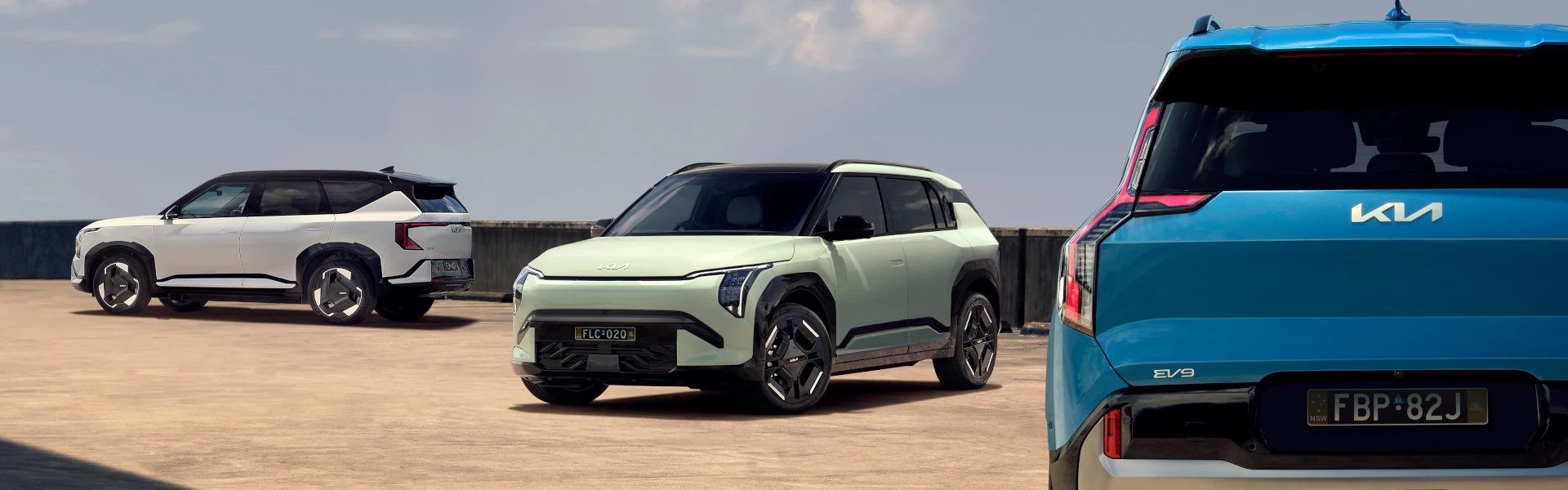
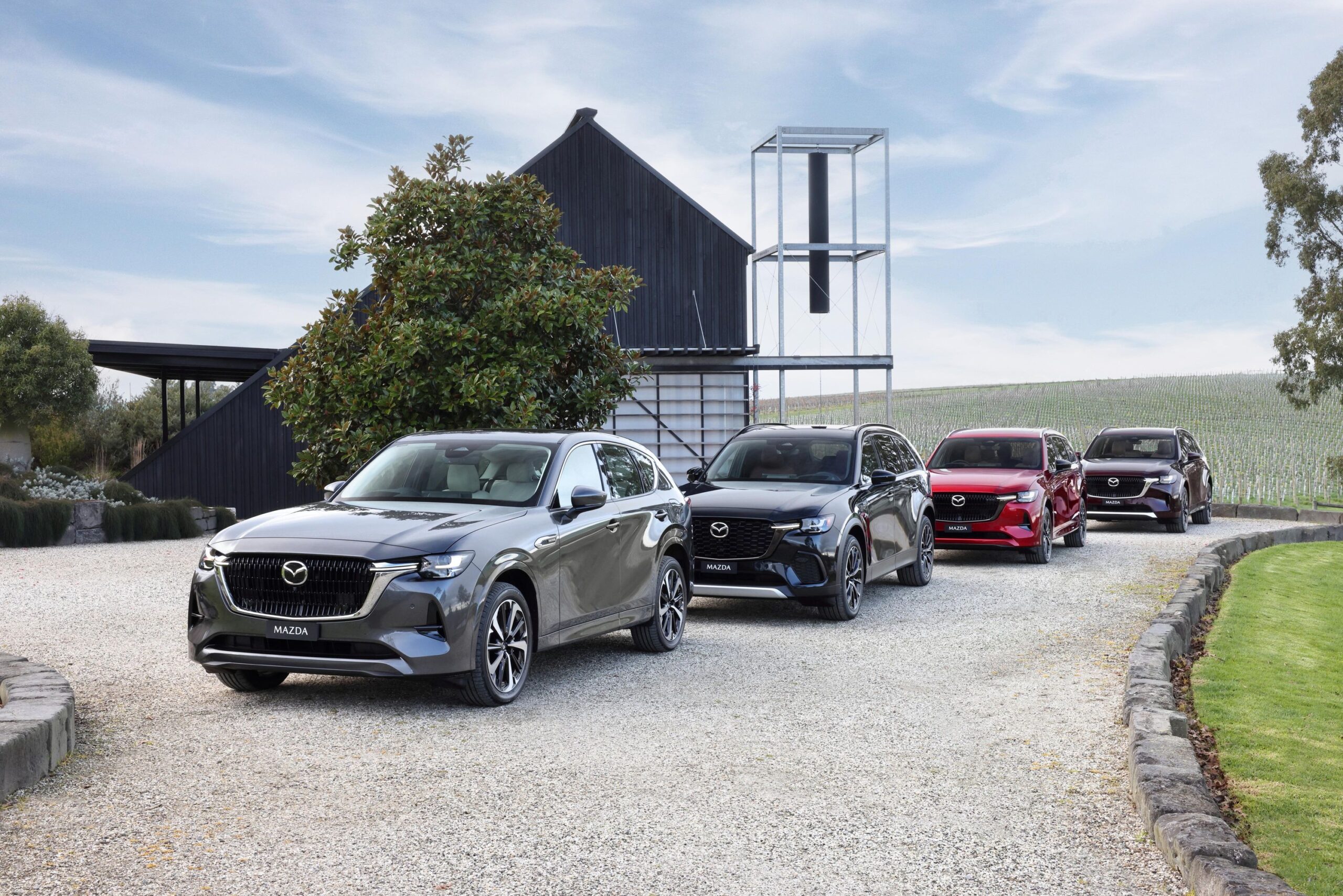
Mazda once again proved its consistency, locking in second place thanks to strong CX-5 demand and steady SUV volume across the range. Kia held onto third, continuing its reliable run as one of Australia’s strongest mainstream brands.
Ford slipped back slightly from its December surge, though Ranger deliveries ensured it remained a major force in the top five. Hyundai also posted a solid January result, staying close behind Kia and Ford as SUV demand remained strong.
BYD cooled off slightly compared with its huge December jump, but still held onto sixth place, underlining its growing presence beyond just the EV niche. GWM and Chery remained key players in the top 10, reinforcing the growing influence of Chinese brands in Australia’s market.
Mitsubishi remained steady through a transitional period for its model line-up, while MG rounded out the list with a modest lift compared to December.
The month’s most popular vehicles were led by the Ford Ranger, ahead of the Toyota HiLux and Mazda CX-5, showing Australia’s appetite for utes and family SUVs hasn’t changed heading into 2026.
Market insights: January 2026 vs December 2025
January is always a reset month after the year-end rush, and this year was no different. Sales fell back from 98,744 vehicles sold in December to 87,092, but the overall market remained resilient rather than soft.
The bigger story sits beneath the surface. Petrol-only vehicles continued to decline, while EV options gained ground. Plug-in hybrids were the standout, jumping more than 170% compared with January last year, and hybrids now account for a sizable share of total demand.
Chinese-built vehicles are also becoming a bigger structural force. China is now firmly established as Australia’s second-largest source of new vehicles, and brands like BYD, GWM, and Chery are increasingly shaping the competitive landscape.
Toyota remains the benchmark, but the market is shifting quickly. Between the rise of Chinese brands and the steady march toward electrification, January’s results suggest 2026 will be another year of fast-moving change in Australia’s new-car scene.

Comments
New Comment