




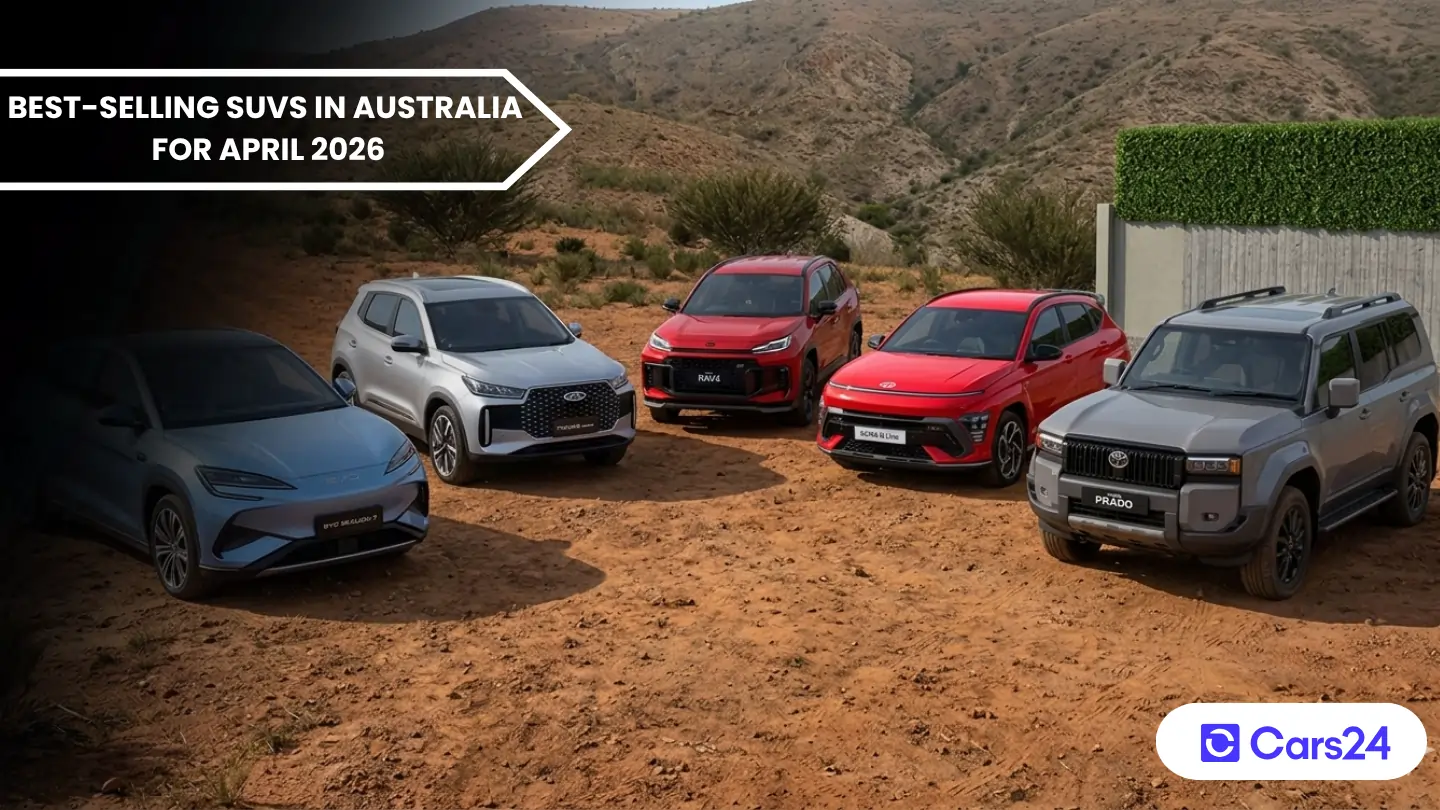
SUVs continued to dominate Australia’s automotive landscape in April 2026, with strong demand across both traditional and electrified models helping lift overall market performance. A total of 92,591 new vehicles were delivered during the month, up 2.2 per cent year-on-year, highlighting the resilience of the market despite ongoing economic pressures.
A key theme in April was the rapid growth of electrified vehicles. EVs accounted for 16.4 per cent of total sales, roughly one in every six new vehicles sold, reflecting a significant shift in buyer preferences.
According to the Federal Chamber of Automotive Industries (FCAI), increased EV supply following the New Vehicle Efficiency Scheme, alongside rising fuel prices and continued support from the federal government’s Electric Car Discount, has driven this surge in demand. FCAI chief executive Tony Weber said the continuation of incentives would help maintain this momentum, while also stressing the need for further investment in charging infrastructure.
Brand performance also reflected changing dynamics. Toyota remained the top-selling brand with 15,185 vehicles, while BYD surged into second place with 7,702 sales and an 8.3 per cent market share. Chinese manufacturers collectively accounted for around 30 per cent of total sales, underlining their growing presence in Australia.
Read more: Top-selling car models in Australia for April 2026
Here’s a look at the top-ten best-selling SUVs of April 2026:
| Model | Sales (April 2026) | Sales (March 2026) |
| Toyota RAV4 | 3,729 | 1,362 |
| Chery Tiggo 4 | 2,379 | 2,258 |
| Hyundai Kona | 2,158 | 2,316 |
| Toyota Prado | 1,870 | 1,850 |
| BYD Sealion 7 | 1,780 | 1,970 |
| GWM Haval Jolion | 1,754 | 2,013 |
| Ford Everest | 1,585 | 1,805 |
| Mitsubishi Outlander | 1,540 | 2,318 |
| MG ZS | 1,521 | 1,896 |
| Kia Sportage | 1,421 | 1,652 |
Best-selling SUV by segment
| SUV Category | Model | Units sold |
| Light SUVs | Mazda CX-3 | 950 |
| Hyundai Venue | 586 | |
| Suzuki Jimny | 579 | |
| Small SUVs (under $45,000) | Chery Tiggo 4 | 2,379 |
| Hyundai Kona | 2,158 | |
| GWM Haval Jolion | 1,754 | |
| Small SUVs (over $45,000) | Kia EV3 | 445 |
| BMW X1 | 353 | |
| Audi Q3 | 292 | |
| Medium SUVs (under $65,000) | Toyota RAV4 | 3,729 |
| BYD Sealion 7 | 1,780 | |
| Mitsubishi Outlander | 1,540 | |
| Medium SUVs (over $65,000) | Zeekr 7X | 973 |
| Kia EV5 | 794 | |
| Lexus NX | 508 | |
| Large SUVs (under $80,000) | Toyota Prado | 1,870 |
| Ford Everest | 1,585 | |
| Isuzu MU-X | 1,252 | |
| Large SUVs (over $80,000) | Land Rover Defender | 368 |
| Lexus RX | 206 | |
| BMW X5 | 192 | |
| Upper Large SUVs (under $120,000) | Toyota LandCruiser | 1,010 |
| Nissan Patrol | 402 | |
| Denza B8 | 319 | |
Upper Large SUVs (over $120,000) | BMW X7 | 60 |
| Lexus LX | 53 | |
| Lexus GX | 51 |
Segment leaders in April 2026
Light SUVs
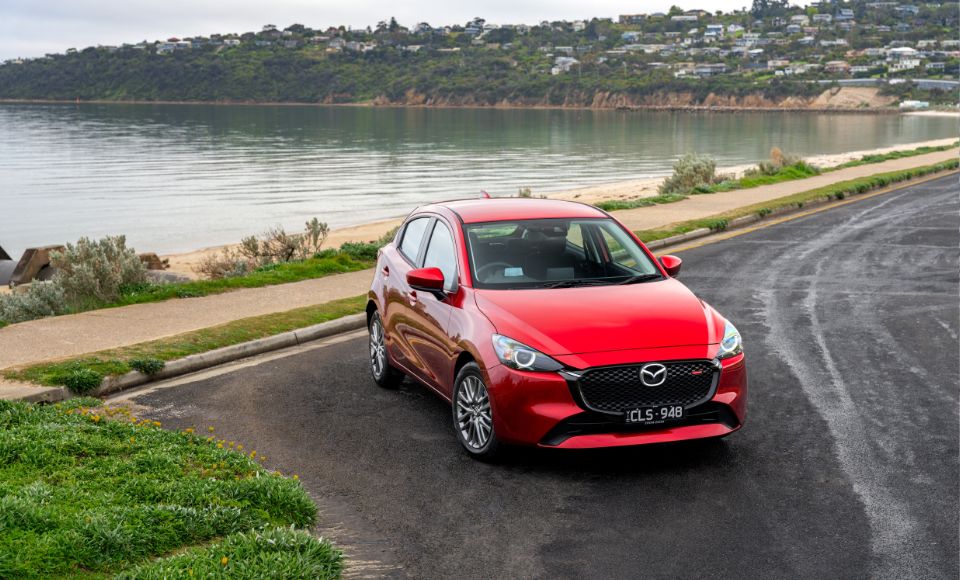


The light SUV segment remains relatively small but continues to attract urban buyers seeking affordability and compact dimensions. The Mazda CX-3 leads the category with 950 units, followed by the Hyundai Venue (586) and Suzuki Jimny (579). Despite lower overall volumes compared to larger SUV classes, this segment remains relevant for first-time buyers and city-focused drivers prioritising ease of parking and efficiency.
Small SUVs (under $45,000)

This is one of the most competitive segments in Australia, dominated by value-driven offerings. The Chery Tiggo 4 tops the category with 2,379 units, ahead of the Hyundai Kona (2,158) and GWM Haval Jolion (1,754). The strong sales figures reflect growing consumer confidence in newer brands, particularly as buyers look for well-equipped SUVs at more accessible price points.
Small SUVs (over $45,000)
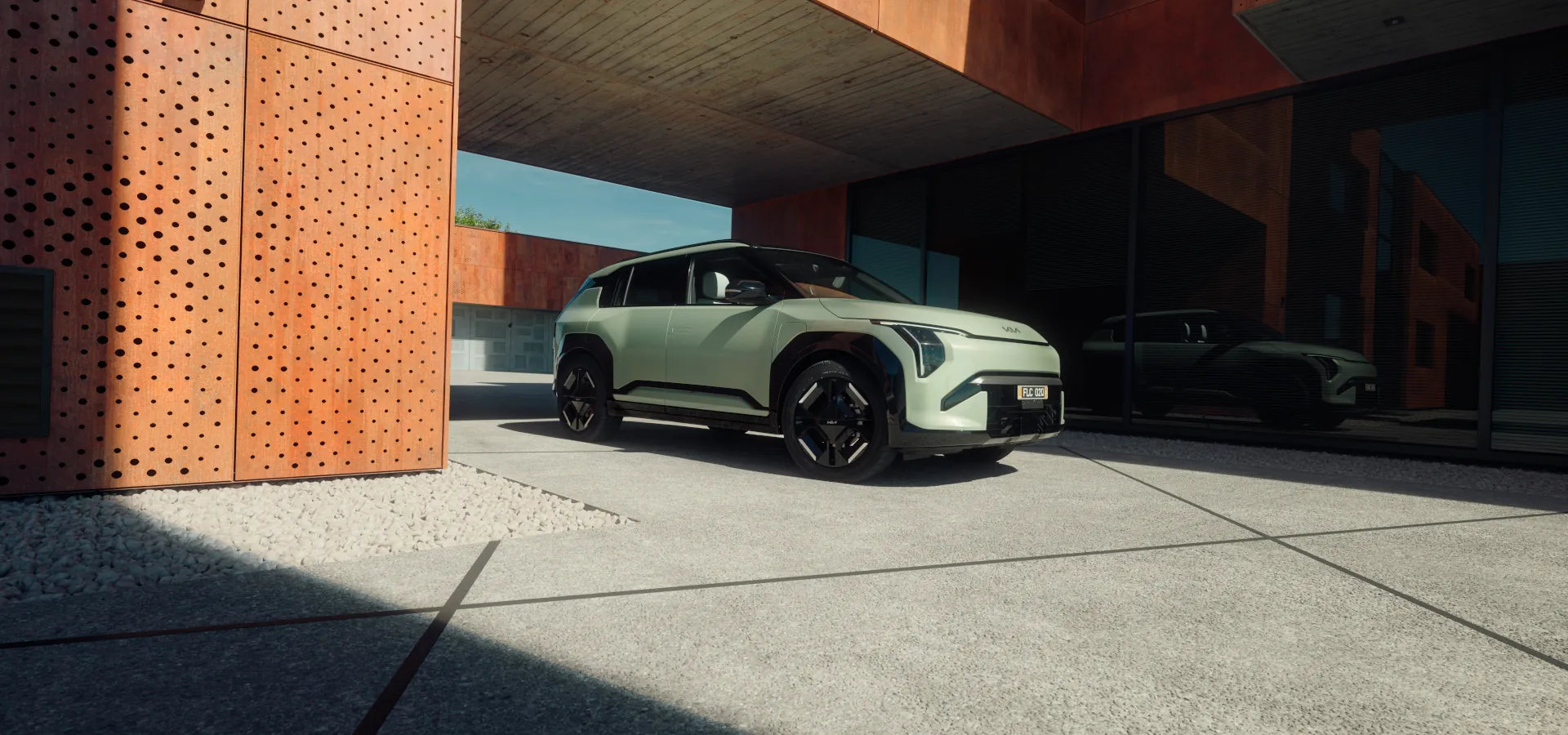
Premium small SUVs continue to appeal to buyers seeking luxury in a compact format. The Kia EV3 leads with 445 units, followed by the BMW X1 (353) and Audi Q3 (292). While overall volumes are lower than mainstream segments, this category is seeing increasing influence from electrification, with EV options beginning to take a larger share.
Medium SUVs (under $65,000)
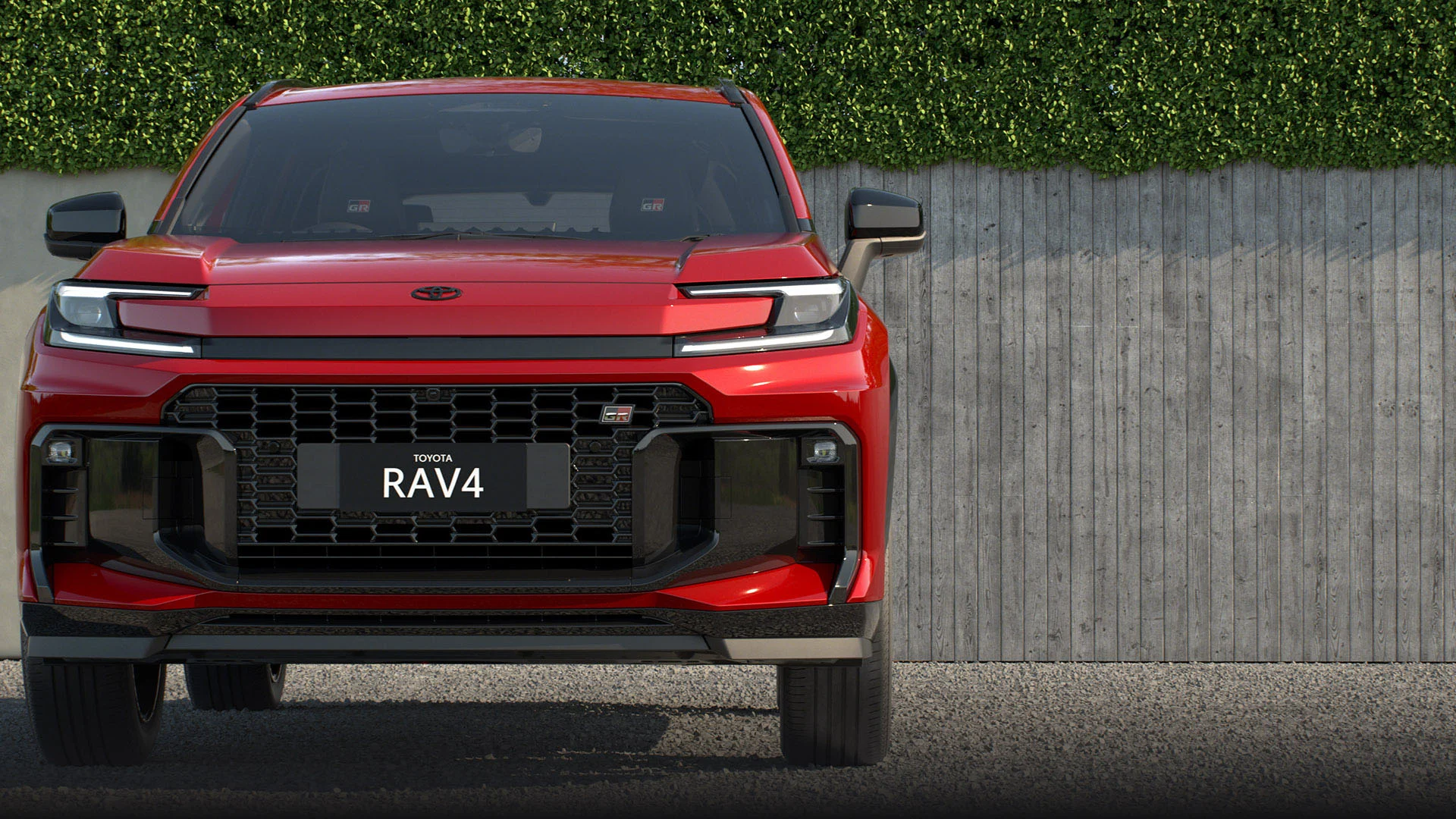
This remains the core of Australia’s SUV market, with significantly higher volumes than most other segments. The Toyota RAV4 leads convincingly with 3,729 units, well ahead of the BYD Sealion 7 (1,780) and Mitsubishi Outlander (1,540). The RAV4’s dominance highlights the ongoing popularity of hybrid powertrains, while the Sealion 7’s strong showing underlines the rapid rise of EVs in mainstream segments.
Medium SUVs (over $65,000)
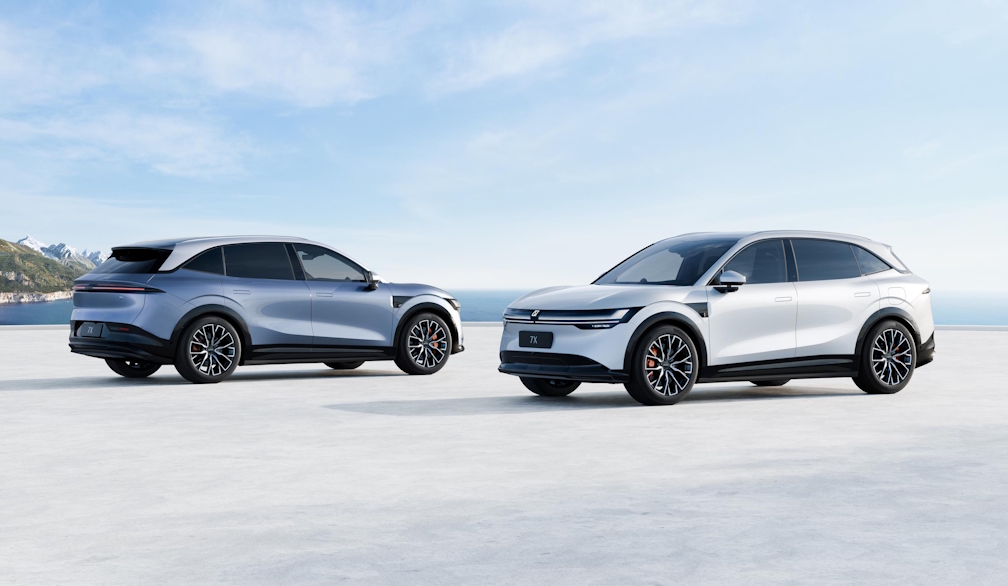
Electrification is a defining trend here, with newer entrants leading the segment. The Zeekr 7X recorded 973 units, followed by the Kia EV5 (794) and Lexus NX (508). Compared to lower-priced segments, buyers in this category are more willing to adopt EV technology, drawn by higher equipment levels, improved driving range, and premium positioning.
Large SUVs (under $80,000)
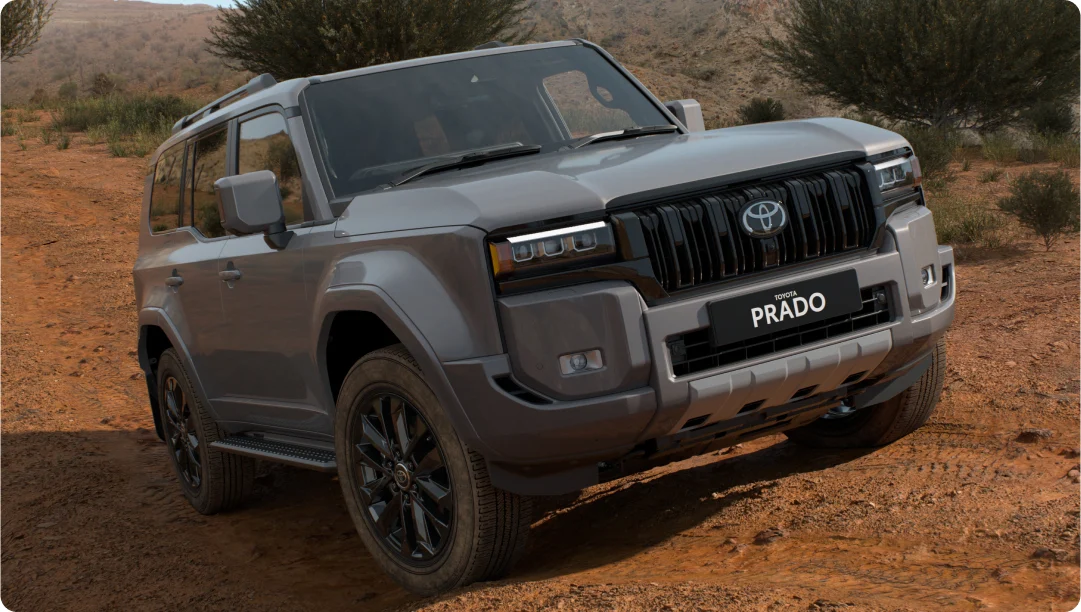
Large SUVs continue to deliver strong results, particularly among families and regional buyers. The Toyota Prado leads with 1,870 units, followed by the Ford Everest (1,585) and Isuzu MU-X (1,252). These figures highlight consistent demand for vehicles that offer seven-seat capacity, towing strength, and off-road capability.
Read more: Best-selling SUVs in Australia for March 2025
Large SUVs (over $80,000)

This segment blends luxury with capability, though volumes are comparatively lower. The Land Rover Defender leads with 368 units, ahead of the Lexus RX (206) and BMW X5 (192). Buyers in this category prioritise refinement, advanced technology, and brand prestige, often alongside strong touring ability.
Upper Large SUVs (under $120,000)
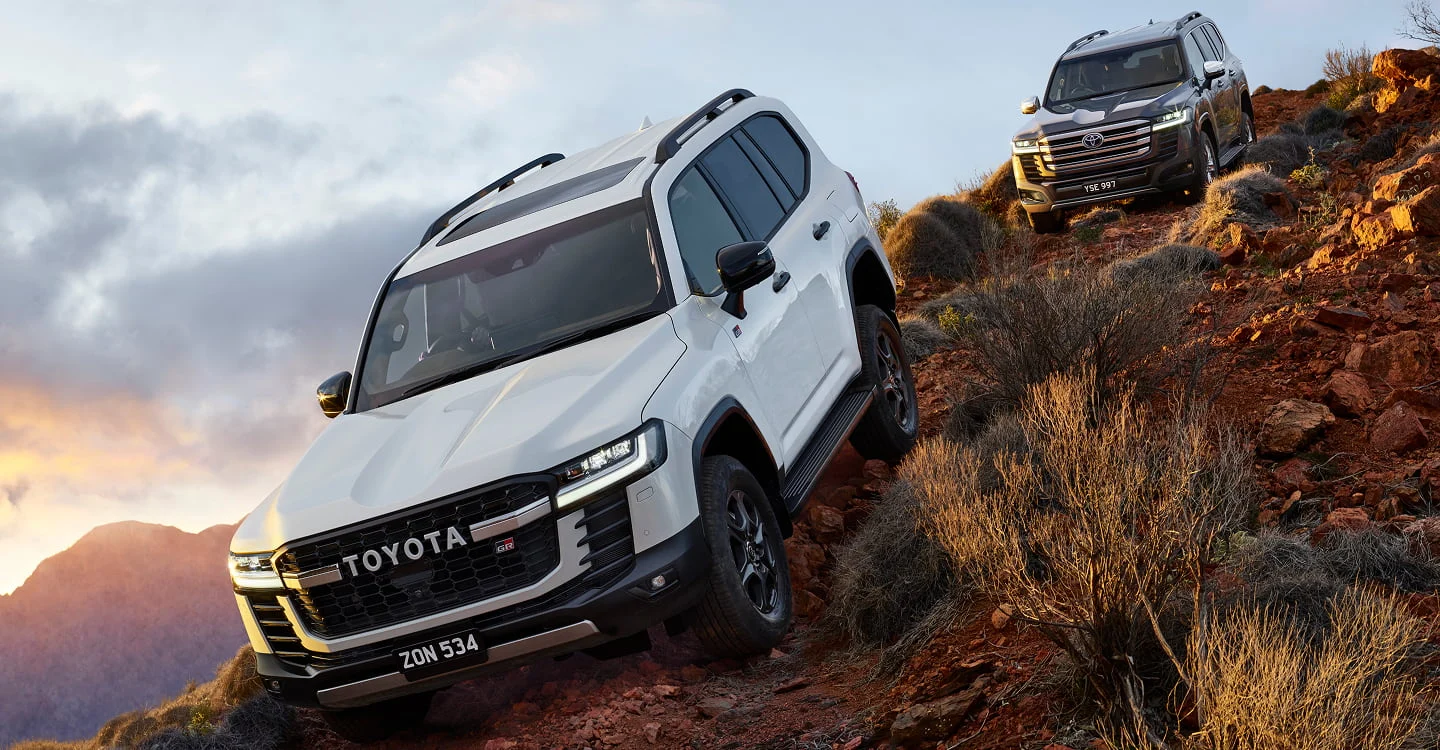
The Toyota LandCruiser continues to dominate this segment with 1,010 units, significantly ahead of the Nissan Patrol (402) and Denza B8 (319). Its strong sales underline its reputation for durability, long-distance touring, and heavy-duty capability, particularly in rural and remote parts of Australia.
Upper Large SUVs (over $120,000)
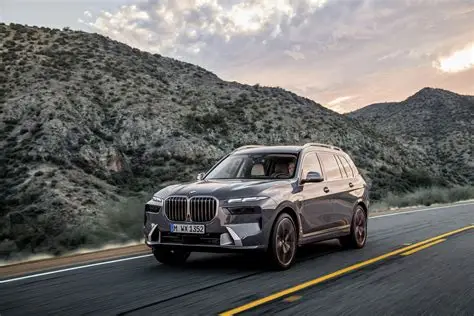
At the top end of the market, volumes remain relatively low but stable. The BMW X7 leads with 60 units, followed closely by the Lexus LX (53) and Lexus GX (51). These vehicles cater to buyers seeking flagship SUVs with a focus on luxury, technology, and commanding road presence.
Read more: Top-selling car models in Australia for April 2026
Market trends and key takeaways
April 2026 reinforced the strength and diversity of Australia’s SUV market, with electrification playing an increasingly important role.
Key trends to note:
- EV adoption continues to accelerate, now accounting for 16.4 per cent of total vehicle sales.
- Hybrid models like the Toyota RAV4 remain highly popular, bridging the gap between petrol and full-electric vehicles.
- Chinese brands such as BYD, Chery, MG, and GWM are rapidly gaining market share through competitive pricing and improved quality.
- Electrified SUVs like the BYD Sealion 7 and Kia EV models highlight a clear shift toward cleaner mobility.
- Traditional large SUVs, including the Toyota Prado and Ford Everest, continue to perform strongly due to their practicality and capability.
From budget-friendly compact crossovers to premium electric SUVs and rugged off-roaders, the Australian SUV market is evolving rapidly, offering buyers more choice than ever while accelerating the transition toward electrification.

Comments
New Comment