




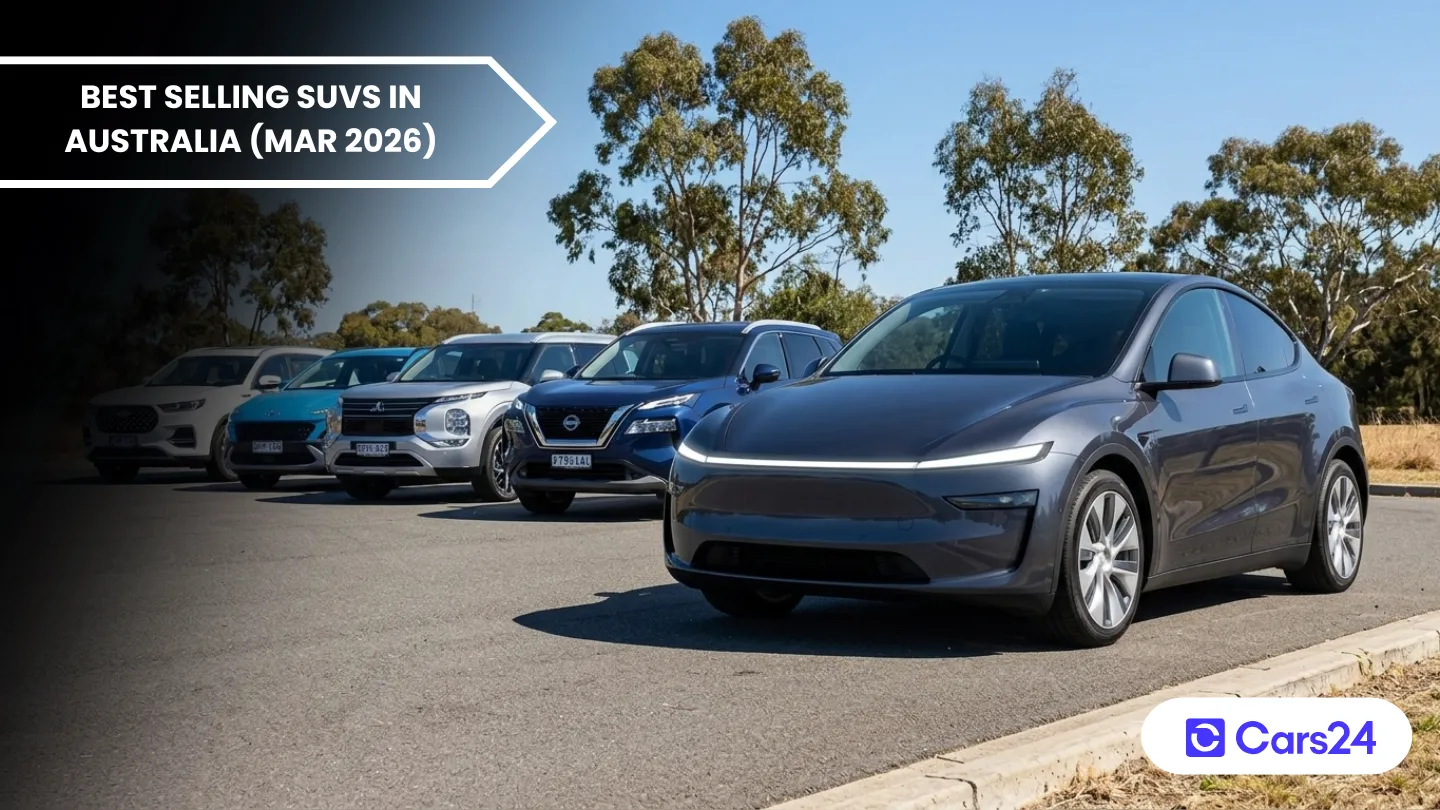
The SUV market in March 2026 shows that the Aussies are still SUV-obsessed, with a clear shift toward more cost-conscious and electrified choices. Affordable small and medium SUVs are dominating the transactions as people move away from less value-driven segments and welcome new, value-driven global brands (especially Chinese).
Tesla Model Y is still the Aussie favourite, Nissan X-Trail enters the top ten with a 25.3% MoM rise (see Feb 26 data), and BYD Sealion 7 has taken everyone by surprise by entering the top ten with 243.8% MoM spike.
Here’s a look at the top-ten best-selling SUVs of March 2026:
| Model | Mar 2026 sales | Mar 2025 sales (Y-o-Y change) |
|---|---|---|
| Tesla Model Y | 2,818 | 1,725 (+63.4%) |
| Nissan X-Trail | 2,438 | – |
| Mitsubishi Outlander | 2,318 | 3,005 (-22.9%) |
| Hyundai Kona | 2,316 | 2,011 (+15.2%) |
| Chery Tiggo 4 | 2,258 | – |
| Hyundai Tucson | 2,042 | – |
| GWM Haval Jolion | 2,013 | 1,568 (+28.4%) |
| BYD Sealion 7 | 1,970 | – |
| MG ZS | 1,896 | 2,020 (-6.1%) |
| Mazda CX-5 | 1,859 | – |
Best-selling SUVs by segment
| SUV Category | Model | Units sold |
|---|---|---|
| Light SUVs | Mazda CX-3 | 1,161 |
| Suzuki Jimny | 751 | |
| Toyota Yaris Cross | 723 | |
| Small SUVs (<$45,000) | Hyundai Kona | 2,316 |
| Chery Tiggo 4 | 2,258 | |
| GWM Haval Jolion | 2,013 | |
| Small SUVs (>$45,000) | BMW X1/iX1 | 507 |
| Kia EV3 | 461 | |
| Volvo XC40 | 316 | |
| Medium SUVs (<$65,000) | Nissan X-Trail | 2,438 |
| Mitsubishi Outlander | 2,318 | |
| Hyundai Tucson | 2,042 | |
| Medium SUVs (>$65,000) | Tesla Model Y | 2,818 |
| Zeekr 7X | 679 | |
| BMW X3/iX3 | 594 | |
| Large SUVs (<$80,000) | Toyota Prado | 1,850 |
| Ford Everest | 1,805 | |
| Isuzu MU-X Ute | 1,358 | |
| Large SUVs (>$80,000) | Land Rover Defender | 553 |
| BMW X5 | 285 | |
| Lexus RX | 230 | |
| Upper Large SUVs (<$120,000) | Toyota LandCruiser Wagon | 1,123 |
| Nissan Patrol Wagon | 478 | |
| Denza B8 | 66 | |
Upper Large SUVs (>$120,000) | BMW X7 | 113 |
| Lexus GX | 92 | |
| Lexus LX | 81 |
Segment leaders in March 2026
Light SUVs
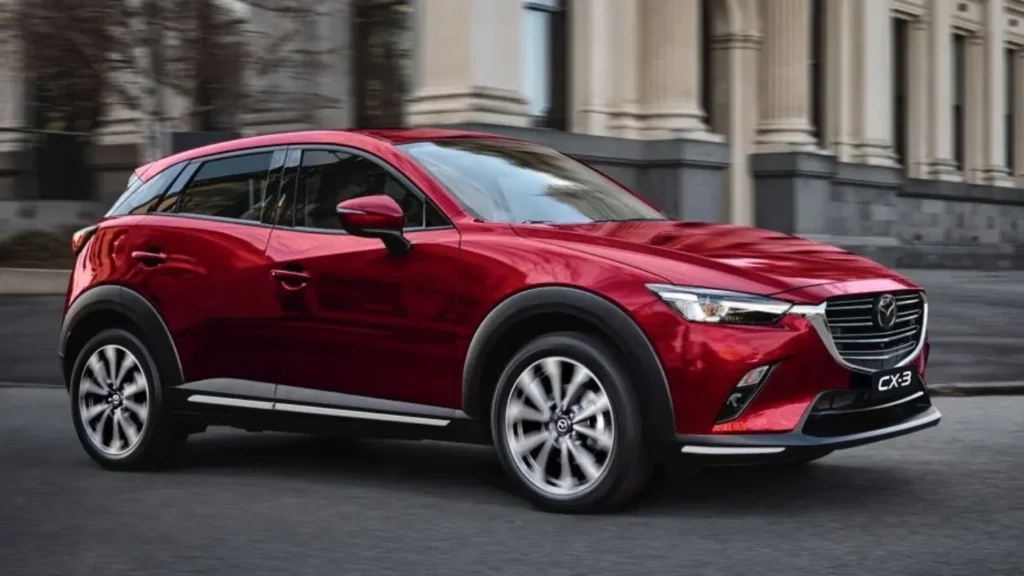
Aussies bought a total of 4,097 units of this segment (-13.7% as compared to Feb 2026). This is the weakest SUV category right now. Seems like traditional entry-level buyers are moving up to small SUVs, where they get more space and better value. Even strong nameplates (like CX-3, Jimny) are seeing limited resistance to this shift.
Small SUVs (<$45,000)
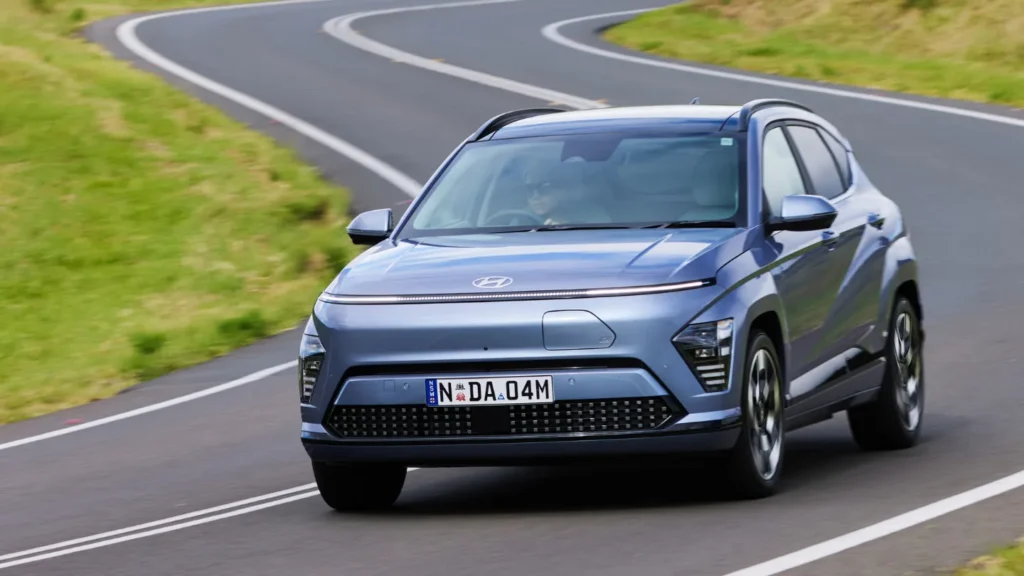
This segment saw a 14.3% MoM (Month-on-month) jump with the 16,305 units sold. This is where the volume growth is strongest, likely due to value-driven brands (Hyundai, Chery, GWM, MG). Strong growth models like the Toyota Corolla Cross (+38% MoM) show buyers want affordable hybrids and practical crossovers.
Small SUVs (>$45,000)
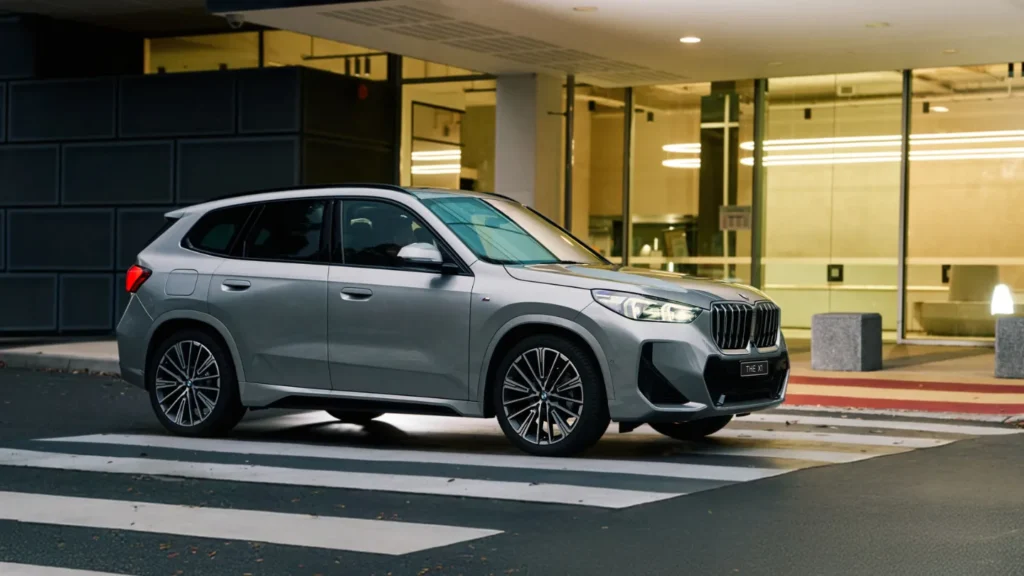
This premium small SUV segment declined by 27.1% MoM with 2,891 sales only. Seems like rising fuel price pressure and a premium price tag kept this segment under pressure. Buyers are either trading down (to cheaper small SUVs) or trading up (to medium SUVs for similar money).
Medium SUVs (<$65,000)
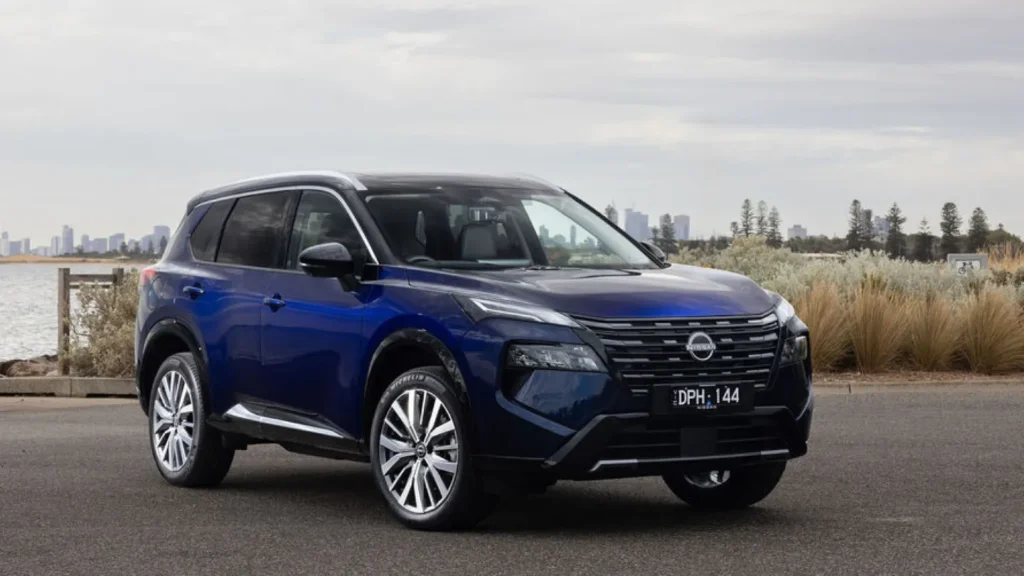
At 22,197 sales and +3.6% MoM growth, this segment remained more or less unaffected but strong. This is the heart of the market. The data indicates that there is continuing (strong) demand for family SUVs (X-Trail, Tucson, Outlander). Another highlight here is the explosive growth from BYD Sealion 7 (+243% MoM), probably influenced by the ongoing fuel price crisis.
Medium SUVs (>$65,000)
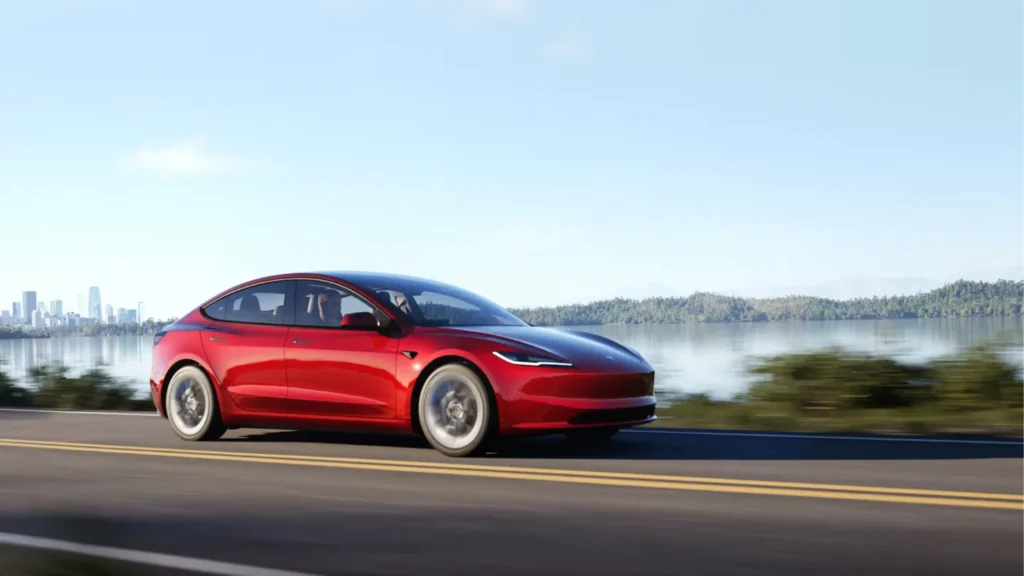
The segment grew strongly in March with +25.9% MoM growth. This means premium buyers are still spending, and there is a strong demand for electrified SUVs (Tesla Model Y, EV5, iX3, Zeekr 7X), which is understandable considering the fuel price scare. These cars are the luxury midsize alternatives to large SUVs.
Large SUVs (<$80,000)
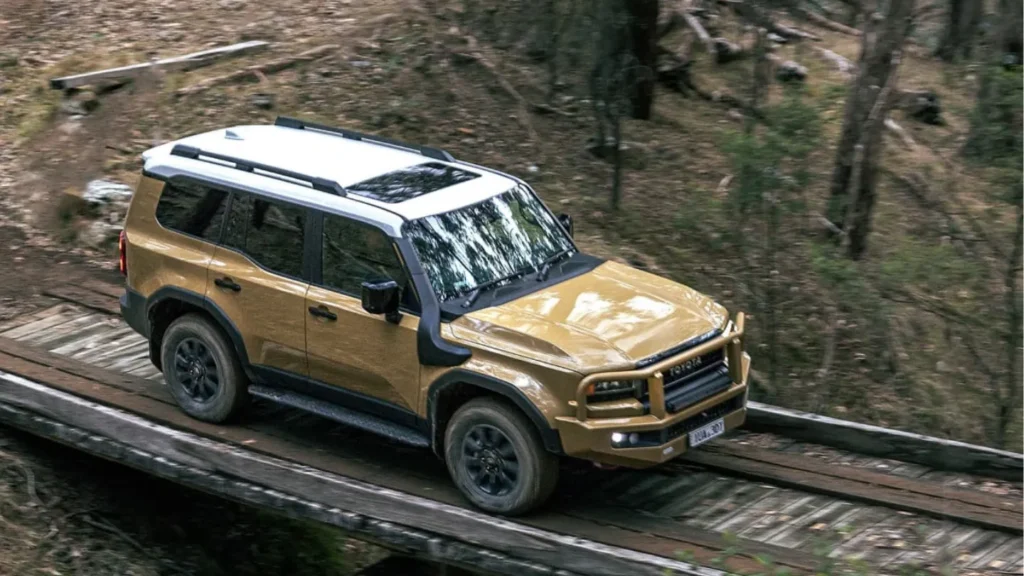
With 10,955 sales, the segment went down by 15.0% MoM. Classic SUVs (Prado, Everest, Isuzu MU-X) continue to maintain steady demand. A slightly longer 8.2% year-to-date (YTD) decline indicates buyers are shifting to either medium SUVs (better efficiency) and upper large SUVs (for serious capability).
Large SUVs (>$80,000)
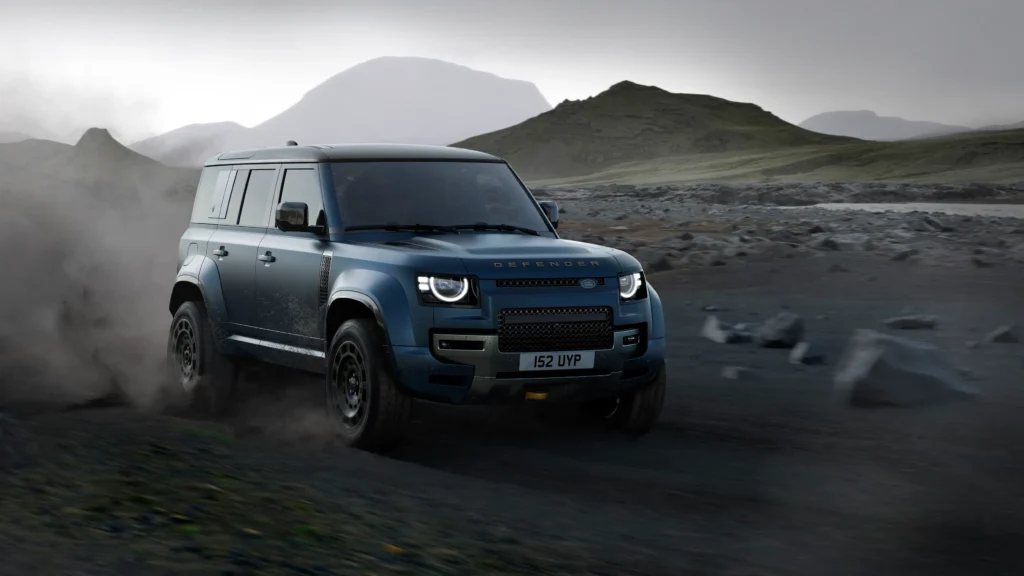
This segment continues to decline in sales with a 19.8% MoM and 11% YTD decline. Defender continues its star appeal, but strong brands (Audi, BMW, VW) are seeing reduced volumes. Electrification hasn’t fully revived this segment yet. Buyers at this price are either going ultra-luxury (upper large) or downsizing to premium medium SUVs.
Upper Large SUVs (<$120,000)
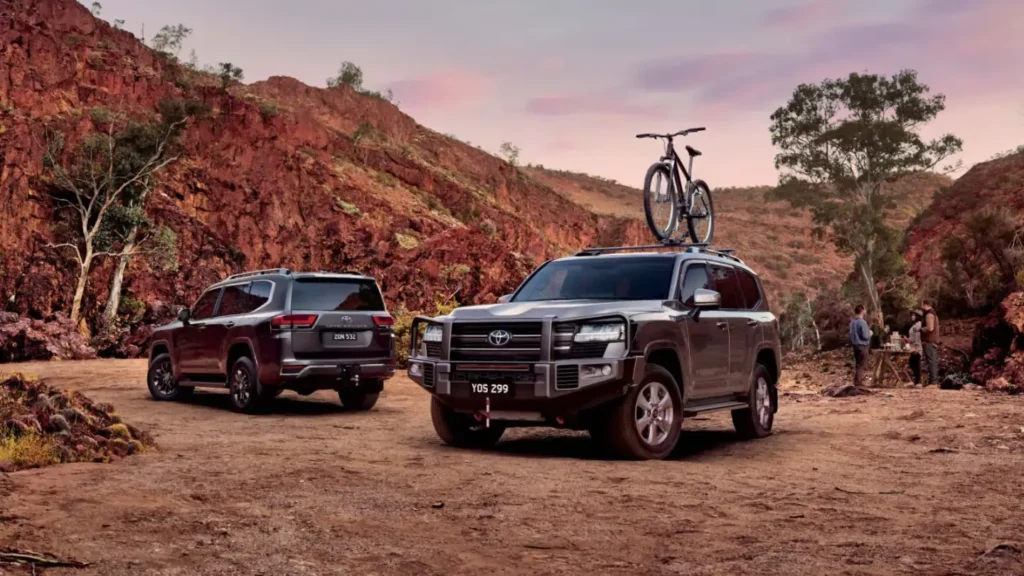
With +70.7% MoM and nearly 50% YTD growth in 2026, this segment has seen massive growth driven almost entirely by Toyota LandCruiser (1,123 units) and Nissan Patrol (478 units). These vehicles dominate for towing, touring, and off-road use. This is a uniquely Australian segment where practical luxury meets rugged capability.
Upper Large SUVs (>$120,000)
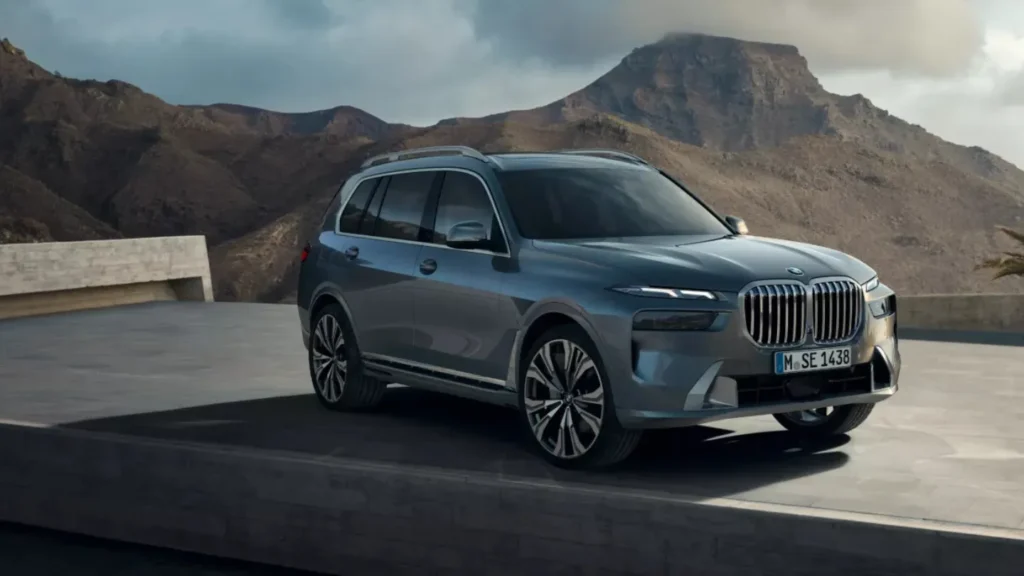
This segment is also seeing mild growth both MoM (+24.1%) and YTD (11.8%). Wealthier buyers are unaffected by market softness and buy a strong mix of status vehicles and high-end touring SUVs. The top end is rising, even while mid-premium segments struggle.
Quick takeaways
- SUVs are still king (with 63.1% market share), but the way Aussies buy them is changing. Medium SUVs dominate (26.4% share), followed by small SUVs (18.3%), which is similar to last year but has grown slightly.
- Fuel anxiety is accelerating the shift to electrified SUVs. Electric SUVs have risen by 141.8% MoM, and we see the upward trend in PHEVs (+52.6%) and Hybrids (+5.7%), while petrol (-18.4%) and diesel (-16.7%) are going down MoM.
- Families are driving the SUV market (39,032 units) and thinking long-term. Rental SUV demand is rising while the fleet/business SUV demand is cooling.
- Small SUV (<$45K) sales have risen, led by affordable, efficient models like the Hyundai Kona and Chery Tiggo 4. This means lower fuel bills, lower upfront cost, and everyday practicality.
- Chinese EV/hybrid brands are gaining significant ground in the medium SUV segment, suitable for most families. This is the perfect balance segment with space, efficiency, and the latest safety technology
- A little surprisingly, people are buying Upper Large SUVs more, which is still dominated by the Toyota LandCruiser and Nissan Patrol. These are purpose vehicles for touring, towing, and off-roading.
- The biggest shift in brand is the rise of new-energy Chinese marques, BYD (+173.4% MoM) and Chery (+84.1% MoM). They are winning because they offer lower running costs, electrification, and strong value for money.
Australia hasn’t fallen out of love with SUVs. And the Middle East-driven fuel price panic is clearly biting and has accelerated the already rising EV trend as Australians prep up to future-proof against fuel volatility.

Comments
New Comment