




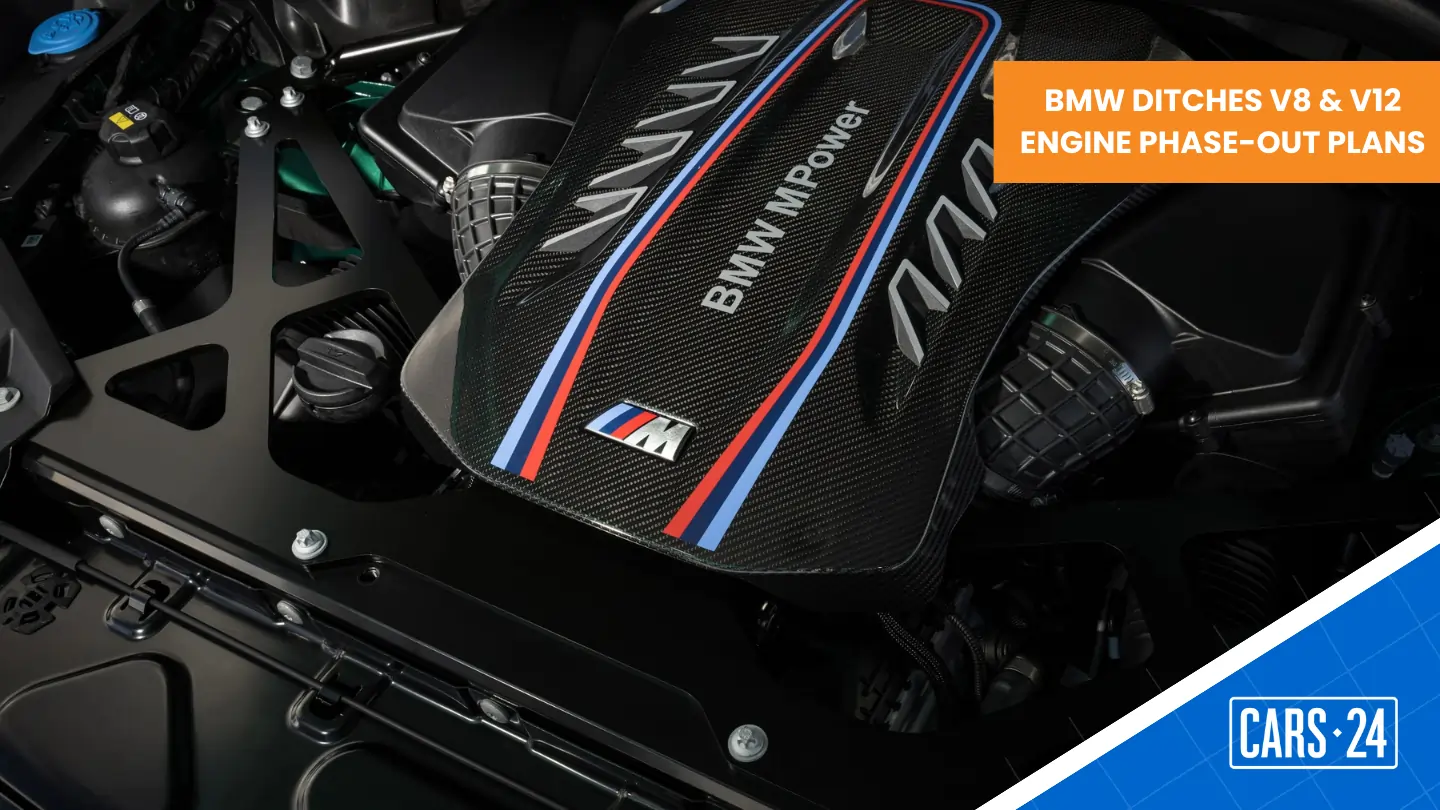
BMW has confirmed it will continue producing its trademark V8 and V12 petrol engines, scrapping earlier plans to phase them out as it accelerates its Neue Klasse electric vehicle (EV) rollout.
According to Automotive News Europe (ANE), the German carmaker’s renewed commitment to large-capacity combustion engines is being driven by sustained demand in key markets, particularly the United States.
“High-performance engines remain a central part of our strategy,” a BMW spokesperson told ANE, adding that North American demand for V8-powered vehicles remains “above average” and is not expected to slow in the near term. BMW executives reportedly see the ongoing US appetite for large SUVs and luxury models as critical to justifying continued investment in high-capacity petrol engines.
V8 and V12 phase-out abandoned
Speculation that BMW was preparing to end production of its biggest engines intensified after the company ceased V8 manufacturing at its Steyr plant in Austria at the end of 2025. This move was widely interpreted at the time as the beginning of a full-scale phase-out of BMW’s largest combustion engines.
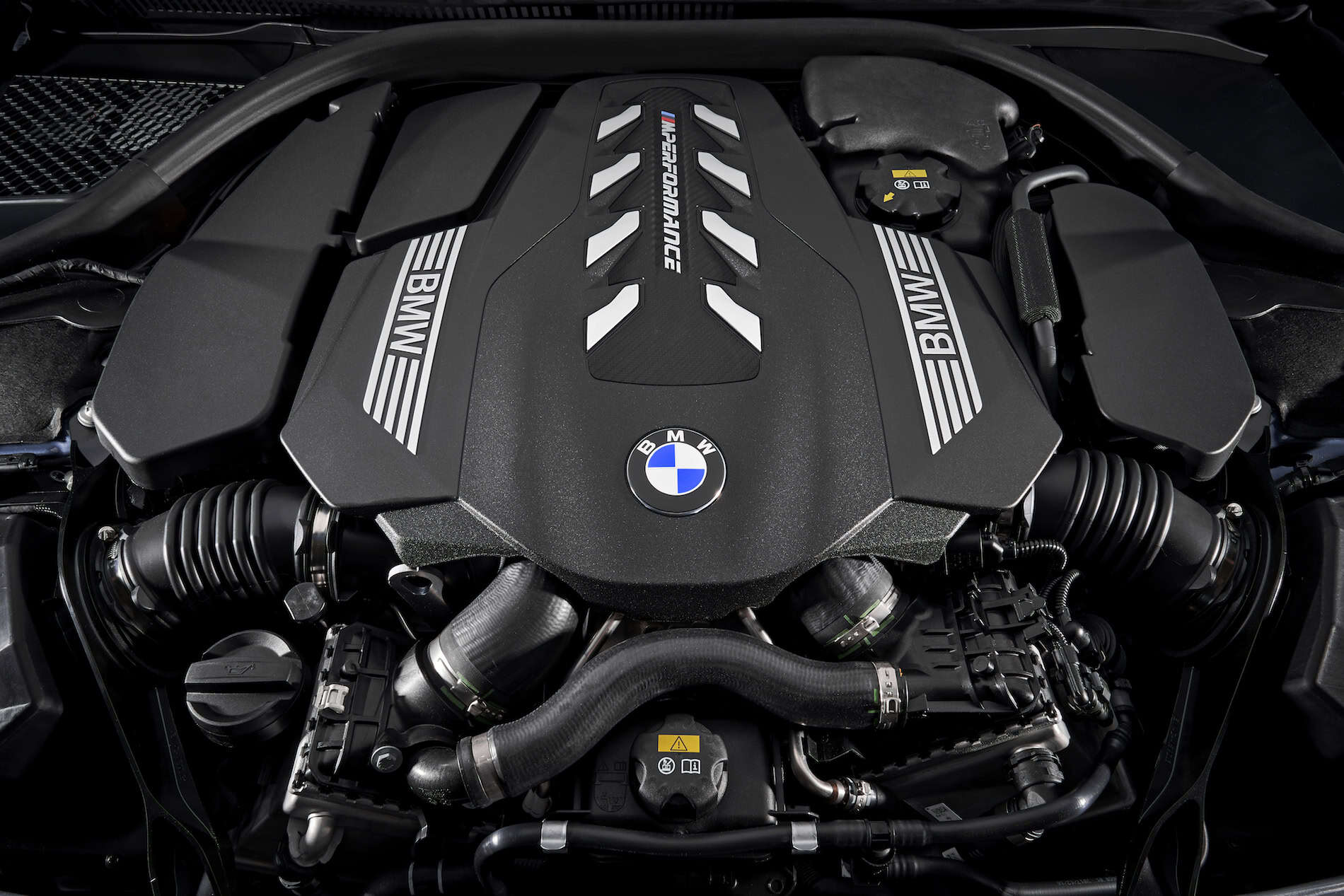


However, rather than signalling the end of the line, BMW has shifted production of its V8 and V12 engines to its Hams Hall facility in the United Kingdom. The site has traditionally produced three and four-cylinder petrol engines, but has also been building large-displacement engines since 2022.
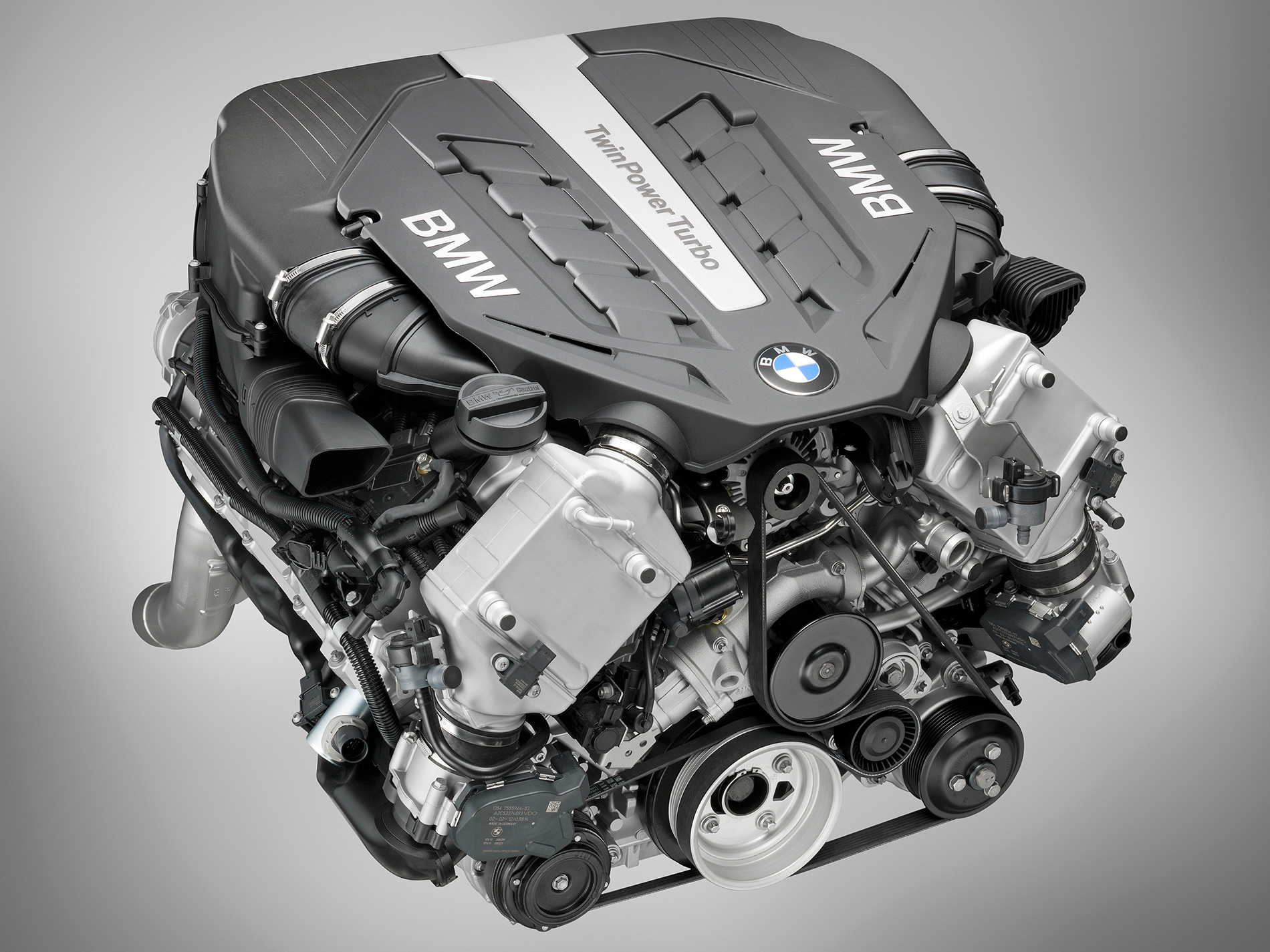
While UK-built V12 engines are now supplied exclusively to BMW’s ultra-luxury Rolls-Royce brand, V8s continue to power several core BMW models. These include the M5 and M8 performance cars, selected versions of the 7 Series limousine, and the X5, X6, X7, and XM large SUVs – all of which continue to sell strongly in the US.
Munich plant retains combustion role
Strong demand for large-capacity engines has also prompted BMW to retain part of its combustion engine manufacturing at its main Munich plant, despite the factory being retooled to become a flagship Neue Klasse EV production site.
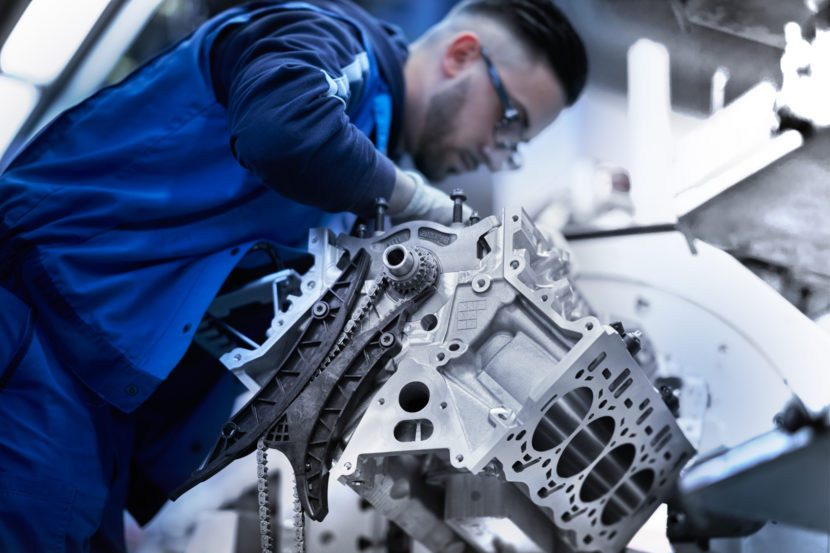
Around 400 workers remain employed producing cylinder heads, crankcases, and crankshafts for V8 and V12 engines, underscoring the unusual contrast between BMW’s combustion past and its electric future at its historic home plant. The department has reportedly earned the nickname ‘Gallic village’, a reference to its status as the last stronghold of big BMW engines within a plant increasingly focused on electrification.
ANE reports BMW had previously planned to wind down engine production entirely by the end of 2027. The company has now declined to commit to a fixed end date, stating there is no current timetable for its shutdown.
Regulatory shifts reshape strategy
BMW’s decision comes amid a broader softening of emissions regulations in major global markets.
The European Union has recently abandoned plans to effectively ban the sale of new petrol and diesel-powered vehicles from 2035, following lobbying from automakers and national governments. Instead, the EU is considering a mandate requiring a 90 per cent reduction in CO2 tailpipe emissions for manufacturers’ new-vehicle fleets compared with 2021 levels.
The revised proposal reportedly includes a 3-year transition period from 2030 to 2032, during which carmakers must cut CO2 emissions by 55 per cent. Emissions targets for commercial vans would also ease from 50 to 40 per cent.
“For new registrations from 2035 onwards, a 90 per cent reduction in CO2 emissions will now be mandatory for car manufacturers’ fleet targets, instead of 100 per cent,” politician Manfred Weber told Bild in December 2025, according to Automotive News.
“This means that the technology ban on combustion engines is off the table.”
Separately, the European Commission is preparing new rules to accelerate the shift away from fossil fuels, including changes to how fuel economy and emissions are calculated for plug-in hybrid vehicles.
Global pressure eases emissions targets
The easing of European targets mirrors developments in the United States, where the administration of President Donald Trump has proposed significantly weaker fuel economy standards.
The National Highway Traffic Safety Administration (NHTSA) has outlined plans to raise Corporate Average Fuel Economy (CAFE) standards by just 0.25 to 0.5 per cent annually, reaching 34.5mpg (6.8 L/100 km) by 2031. This is well below the 50.4mpg (4.7 L/100 km) target proposed in 2024 under former President Joe Biden.
Together, these regulatory shifts appear to have given BMW greater confidence to pursue a dual-track strategy, expanding its EV lineup under the Neue Klasse banner while keeping its most powerful petrol engines alive for performance and luxury buyers who still want them.

Comments
New Comment