




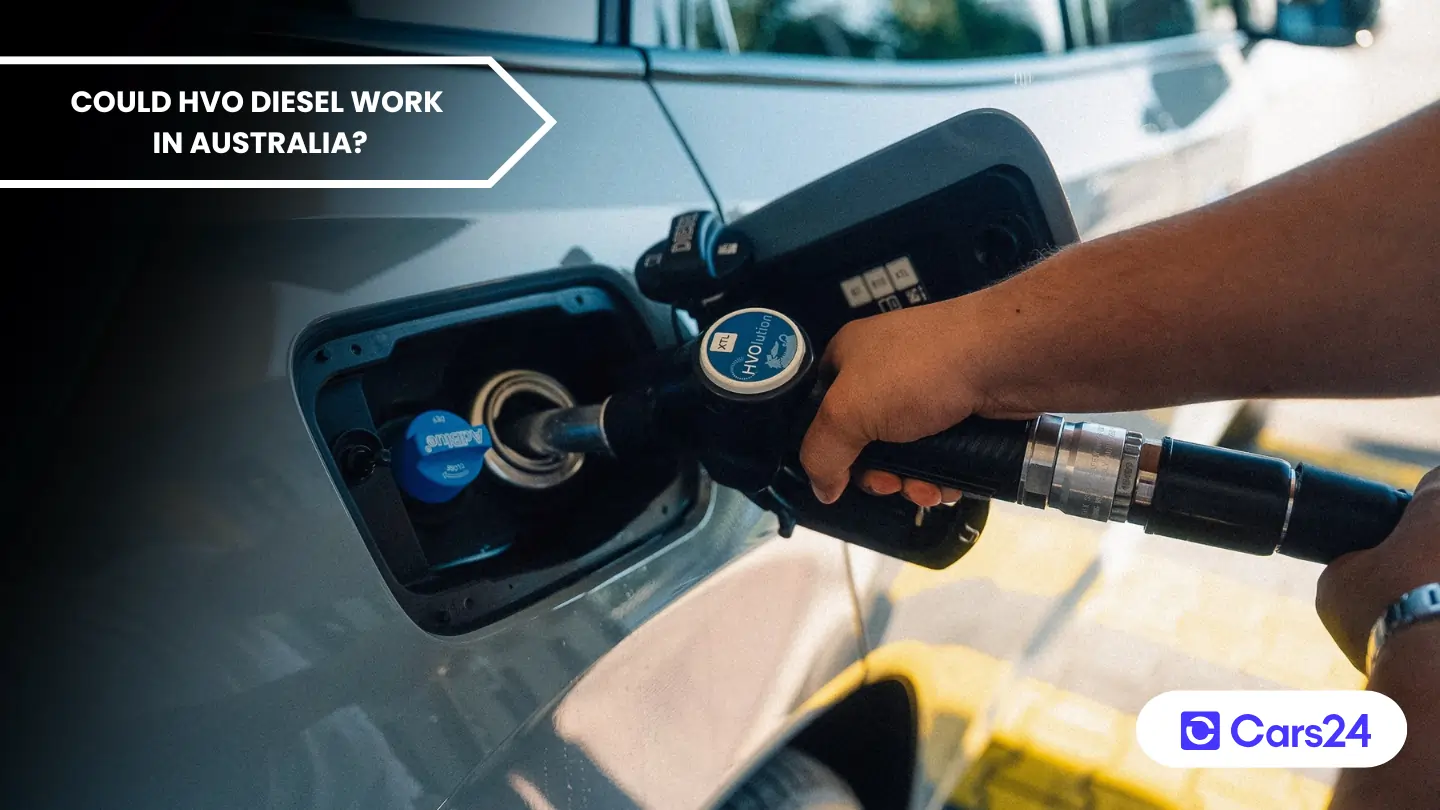
BMW Group has announced a new agreement with Italian energy company Eni to power its corporate fleet vehicles in Italy using HVOlution, a renewable diesel fuel produced by Enilive, Eni’s mobility-focused business.
While the partnership is centred on Europe, it raises an important question for Australia: could HVO diesel offer a practical pathway to reducing emissions from the millions of diesel-powered vehicles already on local roads?
With diesel-powered utes, SUVs, commercial vehicles and heavy-duty trucks continuing to play a significant role in Australia’s transport mix, renewable fuels are increasingly being discussed as a potential complement to electrification.
What is HVO diesel?
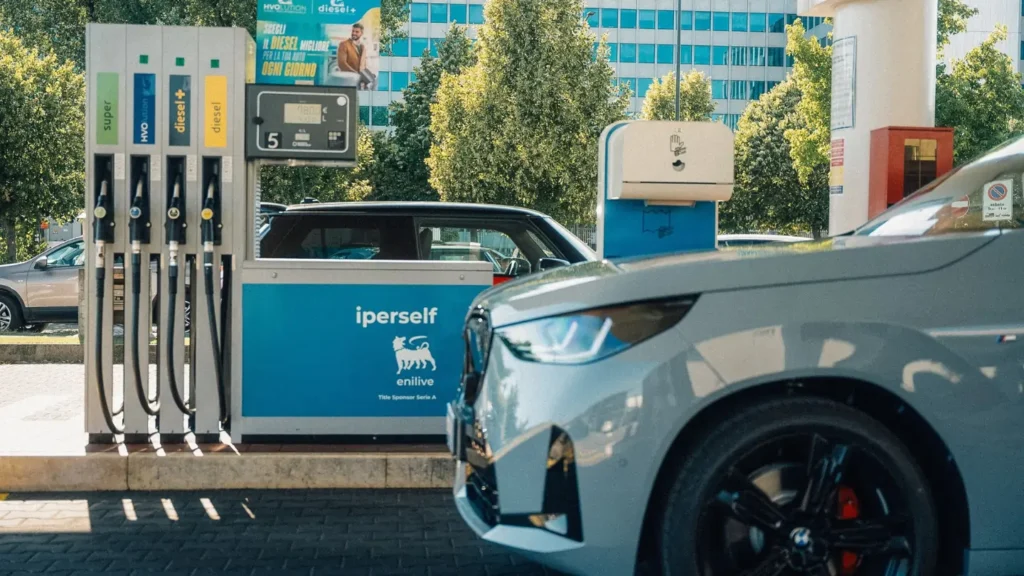
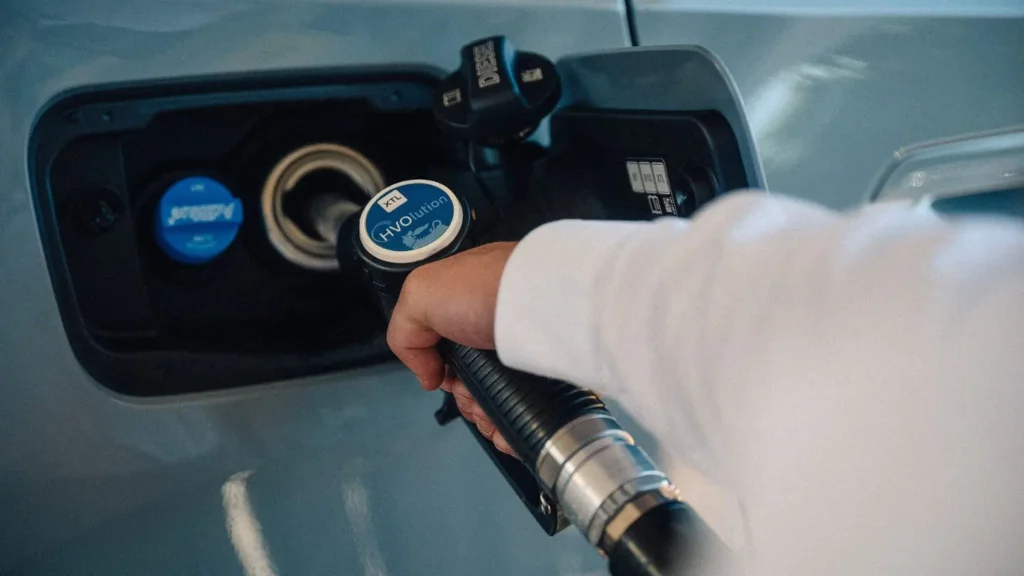
HVO, or Hydrotreated Vegetable Oil, is a renewable diesel fuel produced from waste and residual feedstocks such as used cooking oil, animal fats and other renewable raw materials. Unlike conventional biodiesel blends, HVO is considered a “drop-in” fuel, meaning it can be used in compatible diesel engines without requiring modifications to the vehicle or major changes to fuel distribution infrastructure.
According to Eni, the average lifecycle carbon dioxide equivalent (CO₂eq) emissions reduction of its HVO fuel reached 79.5 per cent in 2025 compared with conventional fossil diesel. The fuel is already available across parts of Europe, where governments and industry have increasingly embraced renewable fuels as part of broader decarbonisation strategies.
Why is BMW backing HVO?
BMW says renewable fuels can help reduce emissions from existing vehicles while the transition to electrification continues.
The German automaker recently began operating development and demonstration fleets powered by pure HVO fuel, while also developing systems capable of tracking fuel usage and verifying renewable fuel consumption across fleet vehicles.
BMW has approved the use of HVO fuels meeting European EN 15940 standards for many diesel models built from late 2014 onwards and fitted with Generation B diesel engines.
The latest agreement will see BMW corporate fleet vehicles use HVO while travelling across Italy, Germany and Austria, where approximately 1,700 Enilive service stations offer HVOlution.
BMW Group Senior Vice President of Powertrain Development, Dr Martin Kaufmann, said the partnership supports the company’s broader approach to reducing transport emissions.
“Enilive is a major force in pushing renewable fuels in Europe. With HVOlution, Enilive has a very good product available delivering CO₂eq emissions reduction every day,” Kaufmann said.
Could HVO diesel work in Australia?
In principle, HVO could offer several advantages for Australia. Unlike battery-electric vehicles, HVO does not require new vehicle purchases or widespread charging infrastructure deployment. Instead, it can help lower lifecycle emissions from compatible diesel vehicles already in operation.
That could be particularly relevant in Australia, where diesel remains popular among regional motorists, commercial operators, tradies and towing-focused buyers. Australia’s vast distances and heavy reliance on diesel-powered transport mean replacing the existing fleet will take time, making lower-emission fuels an attractive option for some sectors.
However, significant challenges remain. While HVO is becoming increasingly common across parts of Europe, Australian availability remains limited. Widespread adoption would likely require investment in local production, supply chains, distribution networks and supportive government policies.
Cost is also expected to be a key factor, as renewable fuels generally carry a premium compared with conventional diesel.
Not an alternative to EVs, but a complement
BMW’s latest move reflects a growing view among some automakers and energy companies that decarbonisation will require multiple technologies rather than a single solution.
While electric vehicles are expected to play a major role in reducing transport emissions, renewable fuels such as HVO could help lower the carbon footprint of vehicles that remain on the road for years to come.
For Australia, where diesel-powered vehicles continue to underpin industries ranging from freight and agriculture to construction and tourism, renewable diesel may represent one pathway worth watching.
Whether HVO diesel becomes widely available locally remains uncertain, but BMW’s latest European partnership highlights how alternative fuels are increasingly being considered alongside electrification in the race to reduce transport emissions.
Looking for a BMW? Explore quality used BMW models at CARS24.

Comments
New Comment