




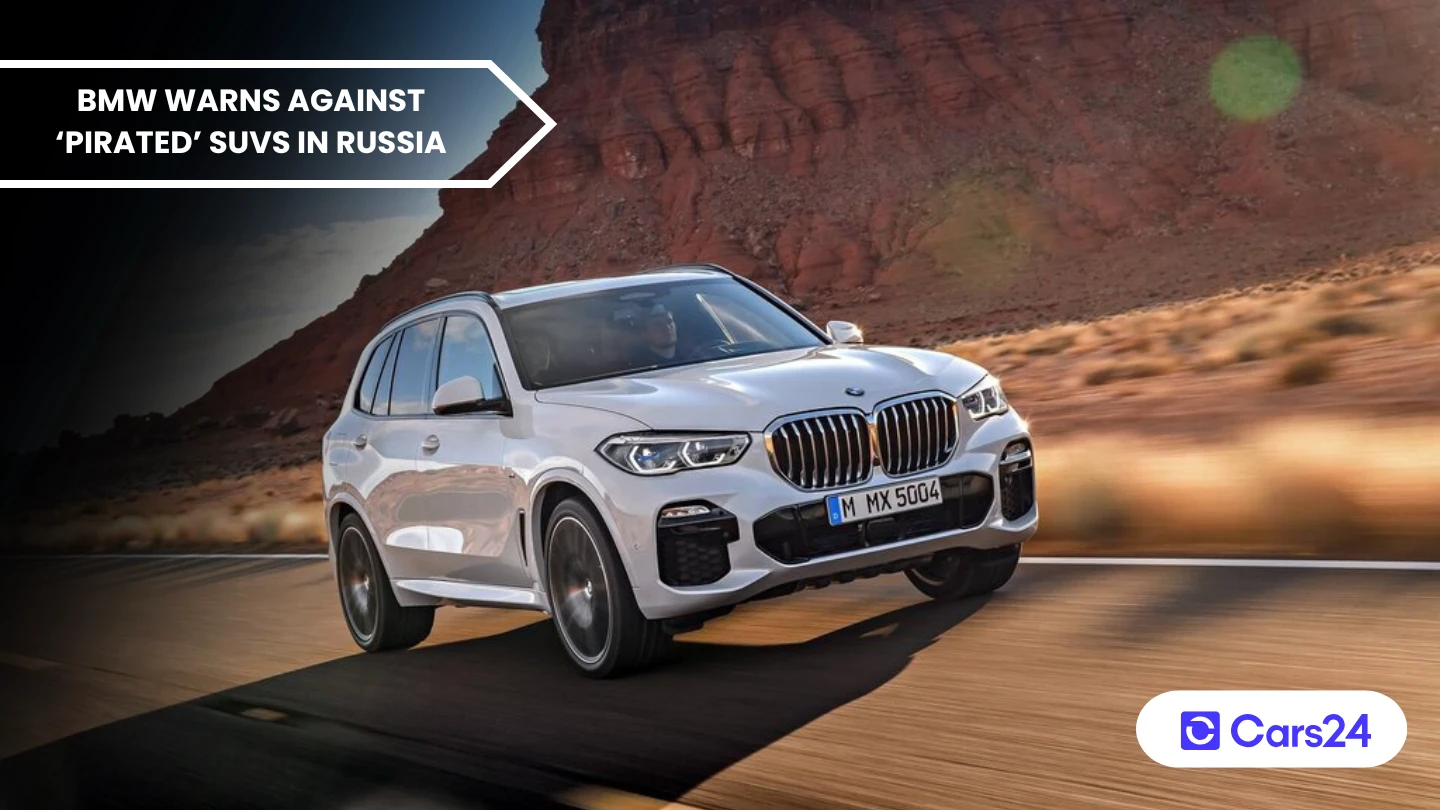
Unauthorised production of BMW SUVs has reportedly resumed in Russia, with vehicles being assembled and sold without the official approval or oversight of the Bavarian automaker.
BMW, like many foreign manufacturers, ceased production in Russia following the country’s invasion of Ukraine in 2022. The company halted vehicle imports and ended manufacturing at Avtotor’s factory in Kaliningrad, the Russian exclave bordered by Poland, Lithuania and the Baltic Sea.
However, according to Kommersant, sales of locally produced BMW models nearly tripled in 2025 to 145 units. The newspaper believes these ‘pirated’ cars are being assembled from leftover knockdown kits that had been shipped to the factory before BMW exited the Russian market.
Older BMW models reportedly back in production
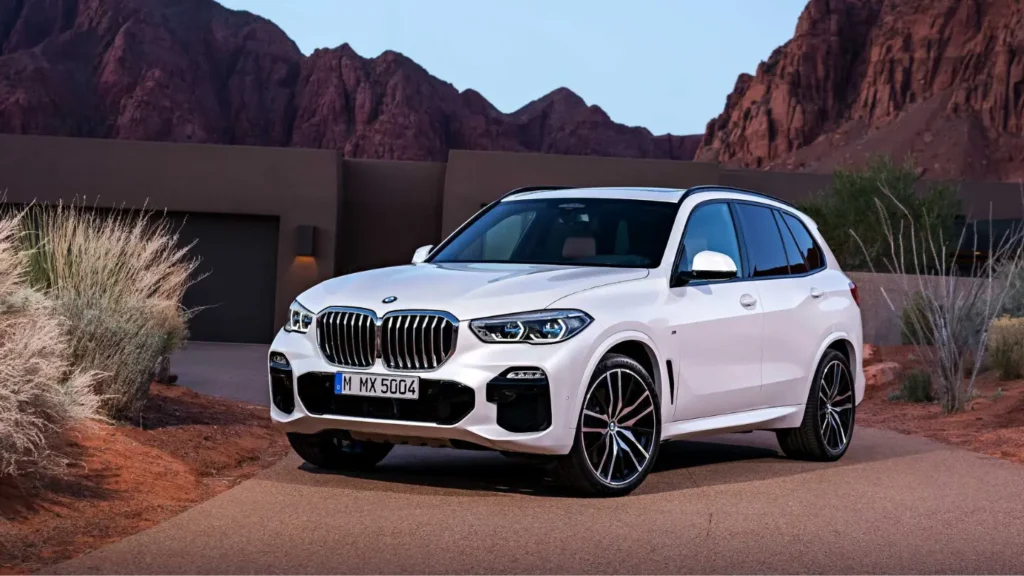
Avtotor assembled the BMW X5, X6, and X7 SUVs before BMW ended its partnership with the Kaliningrad-based plant in Russia. Some of these vehicles now appear on Russian sales websites with 2025 or 2026 build dates, despite lacking the facelifted styling expected on genuine 2025 and 2026 models.
In a chat with Radio Free Europe/Radio Liberty (RFE/RL), BMW spokesperson Carolin Bachmann confirmed that Avtotor had resumed limited production.
“Avtotor began producing limited batches of BMW cars in 2025, assembling vehicles from old, partially outdated kits that had remained at its disposal since the termination of cooperation in 2022.”
BMW raises safety concerns
BMW’s representative office in Russia warned that vehicles produced without the company’s involvement or oversight could pose safety risks to drivers, passengers and other road users.
The company said some components and consumables may no longer be suitable for use after long-term storage. They also said that vehicle kits may have been supplemented with third-party parts not intended for the specific vehicle.
Other local sources, including Auto.ru, claim locally sourced components include wiring harnesses and hoses.
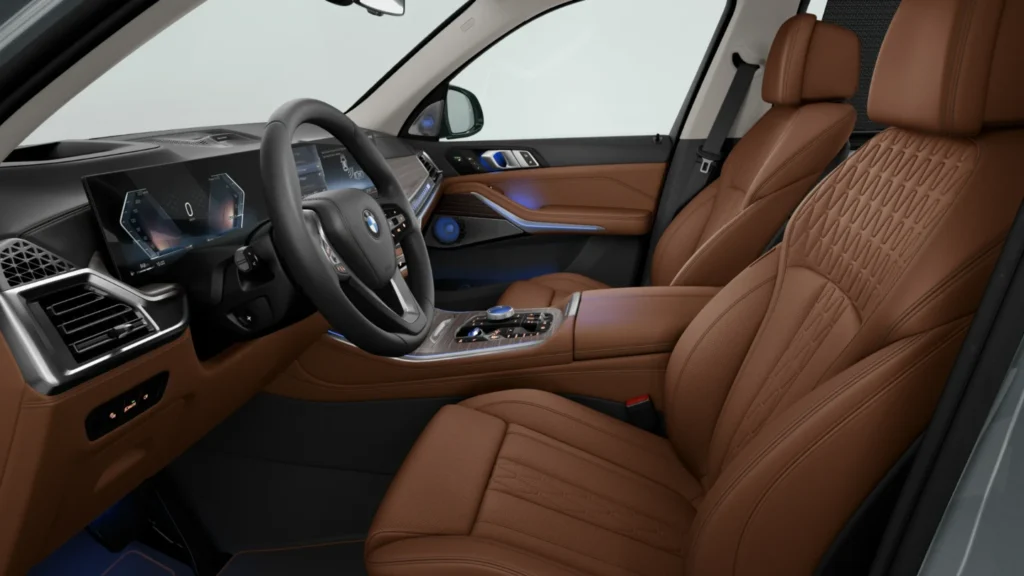
According to The Moscow Times, BMW has publicly condemned the operation, officially describing the vehicles as “pirated cars”, and warned buyers that they carry significant technical risks, including:
- No factory quality control or official engineering certification
- No connection to BMW’s official digital servers, meaning no software updates or modern functionality
- Vehicle Identification Numbers (VINs) issued locally in Kaliningrad are not recognised by BMW’s global production database. This makes official servicing and recall tracking impossible.
Also read: BMW iX3 gets 5-star ANCAP rating under new 4-stage criteria
Also read: BMW produces its two-millionth electric vehicle globally
Lower prices, but limited demand
One Russian website, reportedly linked to the Kaliningrad factory, is advertising the vehicles under the “Time Machine” branding.
Prices start from ₽11.9 million (around $220,500) for the X6 and ₽12.9 million (around $239,000) for the X7.
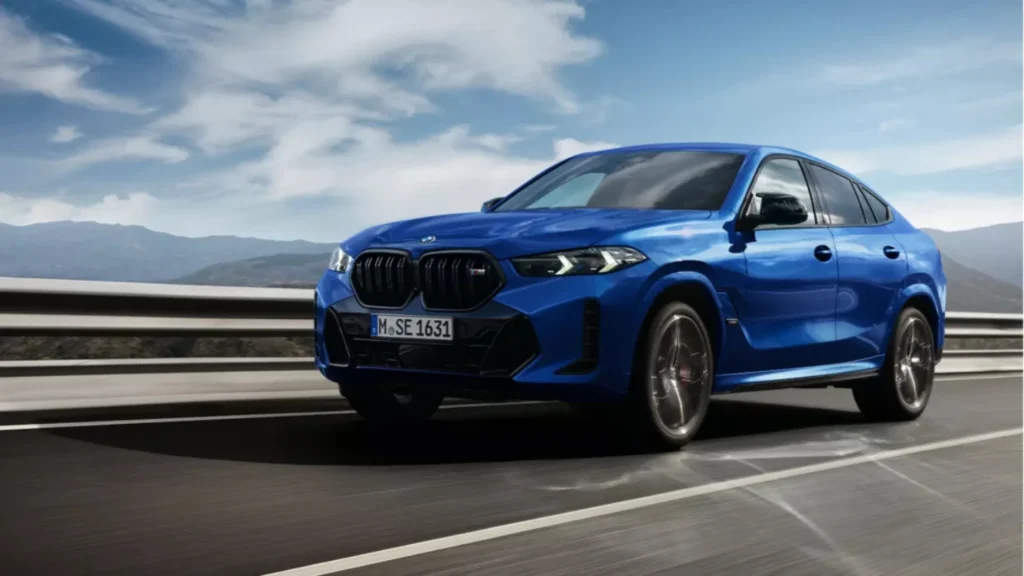
By comparison, a genuine 2026 BMW X6 imported through the grey market, likely via China or another intermediary country, starts from ₽17.3 million (around $320,500).
Demand for the locally assembled vehicles remains limited, despite the lower pricing. Kommersant reported that overall BMW sales in Russia increased 42% in 2025 to 16,740 vehicles, with only 145 of those assembled in Kaliningrad.
Although demand for BMW vehicles remains strong in Russia, locally assembled examples are expected to account for only a small share of total sales.
Avtotor’s changing role
Avtotor built vehicles under contract for General Motors, BMW, Kia and Hyundai before Russia invaded Ukraine. The factory produced approximately 261,000 BMW vehicles between 1999 and the end of 2021. Today, the plant manufactures vehicles for Chinese brands, including BAIC and Jetour.
Stockpiled BMW kits remain available
A logistics expert interviewed by RFE/RL estimated Avtotor still holds a significant supply of BMW SUV kits but is producing vehicles at a slow pace.
The report suggests production is being constrained by the need to source replacement components, including electronic control units that operate independently of BMW’s official systems.
Bottom line
BMW says SUVs currently being assembled in Russia are being produced without its approval, quality control or engineering oversight, using leftover production kits from before 2022. While the vehicles are significantly cheaper than imported examples, BMW warns they carry technical and safety risks and has labelled them “pirated cars.”

Comments
New Comment