




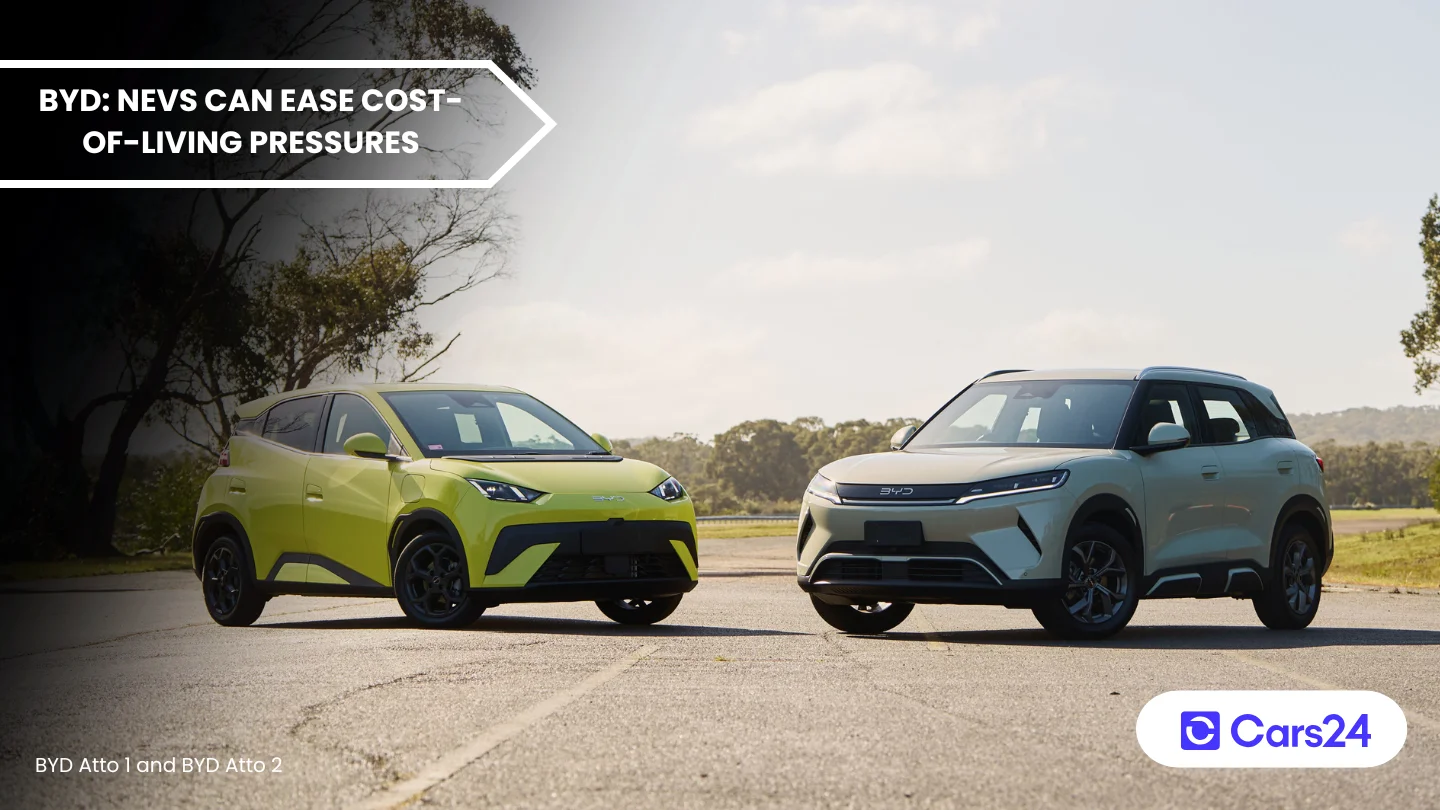
BYD Australia says EVs and hybrids can help ease cost-of-living pressures in Australia as fuel prices, household expenses and broader economic challenges continue to impact family budgets.
The Chinese carmaker argues that new energy vehicles (NEVs) can significantly reduce day-to-day transport costs for drivers who rely on their vehicles for work and family commitments.
EV running cost numbers tell a clearer story
According to industry data, running an EV can cost a fraction of what Australians currently spend on petrol-powered transport.
Research from Endgame and the Electric Vehicle Council in 2026 shows that an Australian motorist driving a petrol vehicle consumes around $22.20 worth of fuel to travel 100km when petrol is priced at $2.00 per litre.
Owners of a BYD Atto 1 Premium using AC public chargers priced between $0.40 and $0.50/kWh can cover the same 100km distance for nearly $6.40, according to the Australian Electric Vehicle Association.
Data from the 2025 EV Ownership Survey and National Cover 2026 indicates that 93% of EV owners charge at home, reducing driving costs to as little as $1.32 to $2.48 per 100km.
With almost 40% of Australian homes now equipped with solar panels, many owners can effectively power their daily EV driving at virtually no additional cost.
BYD’s growing range targets different buyers
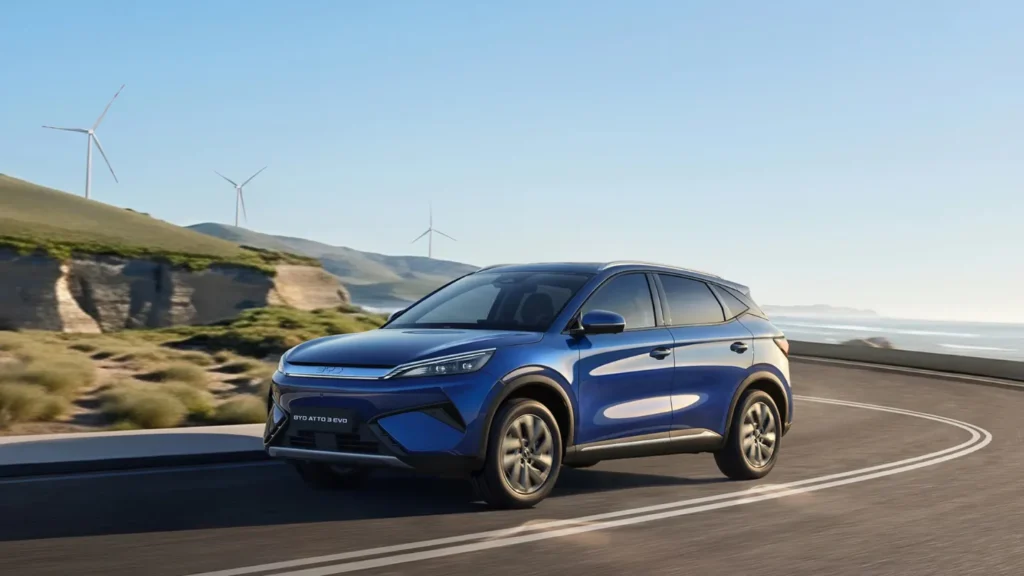
For first-time buyers, the compact BYD Atto 2 SUV provides an affordable entry into EV ownership, while buyers needing greater versatility can opt for the highly popular BYD Shark 6 PHEV ute.
Families looking for additional space are catered for by the 7-seat BYD Sealion 8 Super Hybrid, designed to combine practicality with electrified efficiency. BYD Atto 3 Evo is expected to join other models in late 2026.
Real-world savings from Australian owners
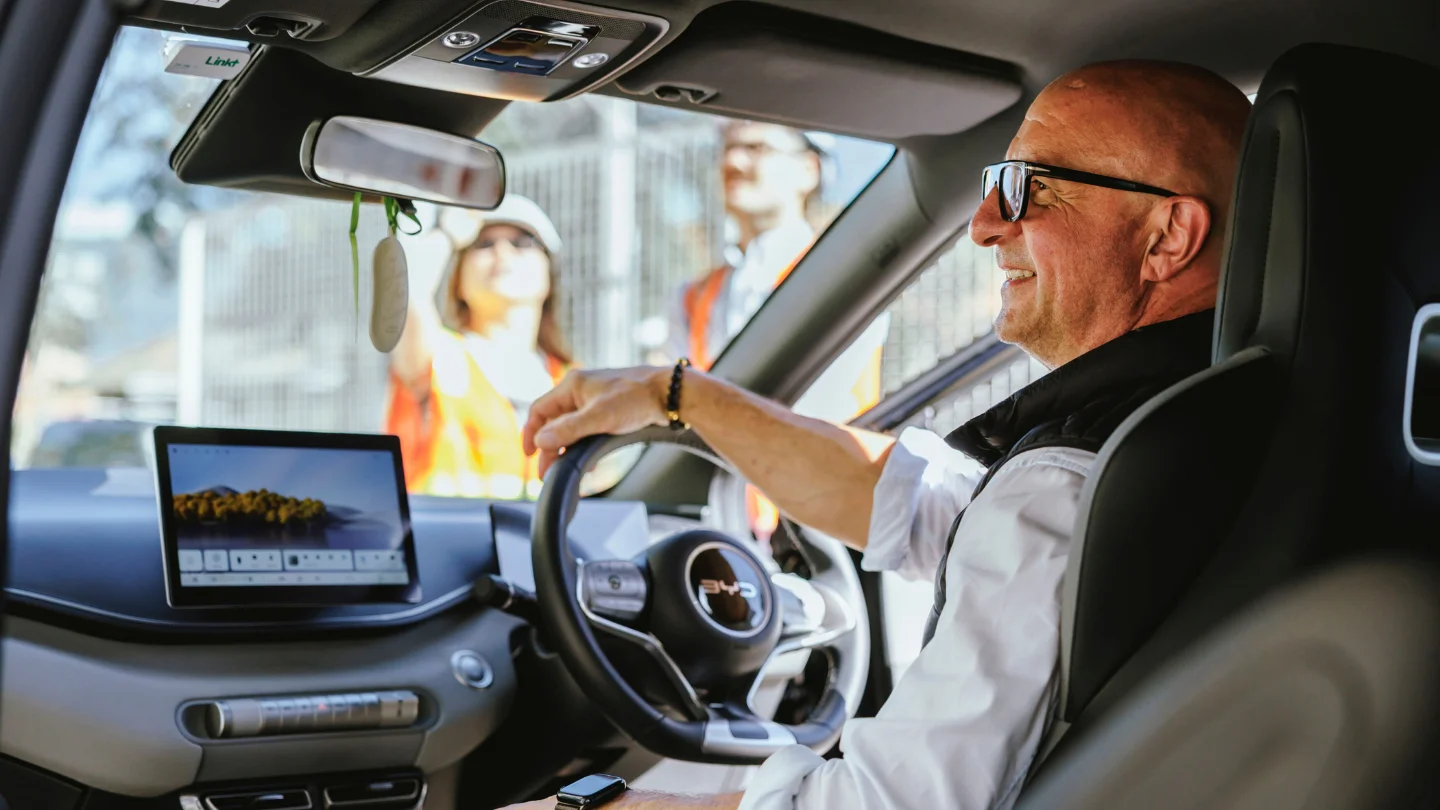
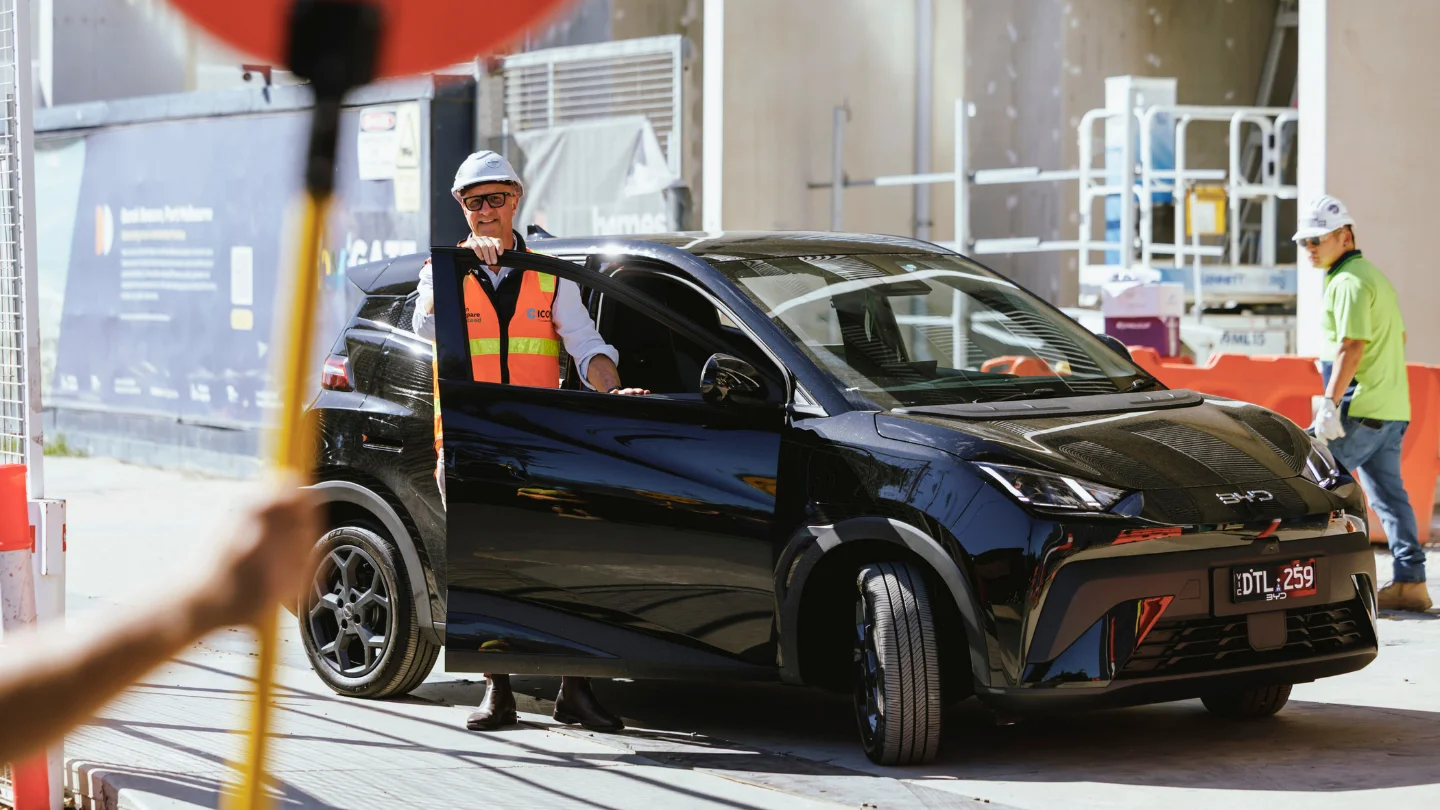
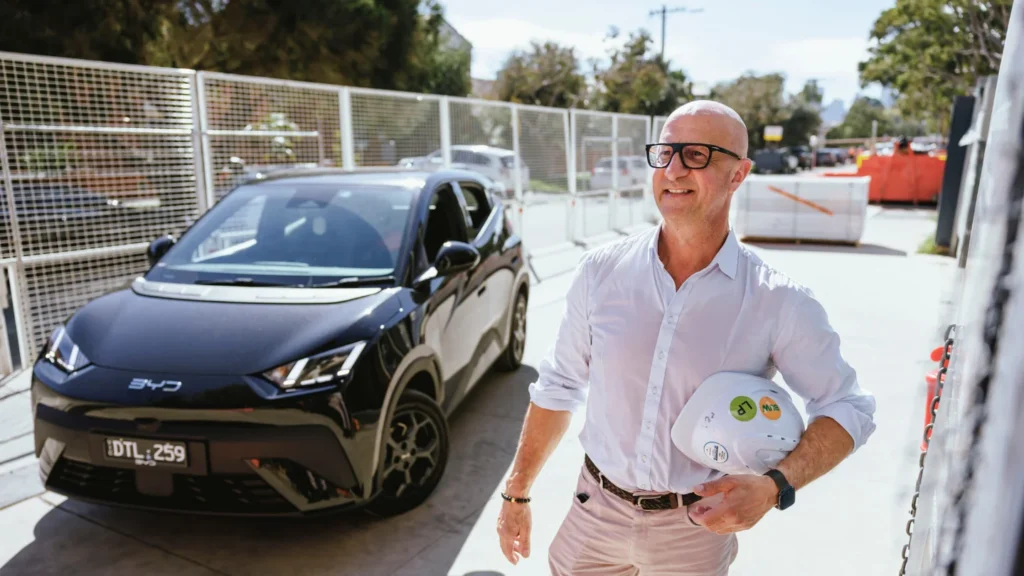
One Australian already benefiting from lower running costs is Melbourne-based car enthusiast Peter Kokinos, a joinery manager working for a major construction company. Kokinos recently added a BYD Atto 1 to his garage and now uses it as his daily work vehicle for travelling between construction sites across Melbourne.
According to Kokinos, the savings have been substantial.
“It makes complete sense. I drive it Monday to Friday. I plug it in at home once or twice a week, and it gets me to and from work at zero cost,” he said.
“It’s comfortable and drives like a big car that’s three or four times the price… I’ve given it to a couple of friends and said: ‘Take it for a little test drive, and you’ll buy one.”
Advanced technology helping drive affordability
BYD believes affordability isn’t just about purchase price, but also about the technology built into its vehicles. Among the key features offered across the brand’s range are:
Blade Battery Technology
BYD’s Blade Battery is regarded as one of the world’s safest battery technologies for EVs and PHEVs, developed from more than 30 years of battery manufacturing experience.
Vehicle-to-Load (V2L)
The V2L system allows owners to use their vehicle as a portable power source, capable of running equipment such as power tools, laptops, camping lights, coffee machines and electric barbecues.
Smart connectivity and OTA updates
BYD vehicles can receive over-the-air software updates, allowing infotainment systems and other technology features to be updated remotely without requiring a dealership visit.
Also read: Australian EV sales pass 71,000 in May 2026, Tesla Model Y and BYD lead
Australians becoming more comfortable with EV ownership
The Electric Vehicle Council’s 2025 EV Ownership Survey, which gathered responses from 1,839 Australian EV owners, found that many common concerns about EVs tend to disappear after ownership.
The survey revealed that worries about range anxiety, charging access and upfront costs are often outweighed by the benefits of lower running expenses, convenient home charging and suitability for everyday driving.
That aligns with Australian Bureau of Statistics data, which shows the average Australian drives approximately 33km per day. With most modern EVs capable of travelling well over 200km on a single charge, BYD says this helps dispel myths about EV practicality for urban commuters.
Government incentives continue to boost adoption
More than 105,000 Australians have already taken advantage of the Government’s Fringe Benefits Tax (FBT) exemption for eligible EVs through novated leasing arrangements while benefiting from reduced charging costs throughout the lease period.
BYD Australia COO Stephen Collins said, “More and more Australians are recognising the financial benefits of switching to new energy vehicles such as EVs and super hybrids. Cost of living pressures are forcing many new car buyers considering an electrified vehicle to take the step sooner.”
BYD Australia says it plans to deliver approximately 30,000 vehicles during the second quarter alone to support growing demand, further expanding access to its range of EVs and hybrid models.
Bottom line
As Australians continue looking for ways to cut household expenses, BYD is positioning EVs and PHEVs as a practical solution to rising transport costs.
With significantly lower running expenses, home-charging benefits, government incentives and an expanding range of affordable models, the company believes new energy vehicles can play a meaningful role in easing cost-of-living pressures while accelerating Australia’s transition to cleaner mobility.

Comments
New Comment