




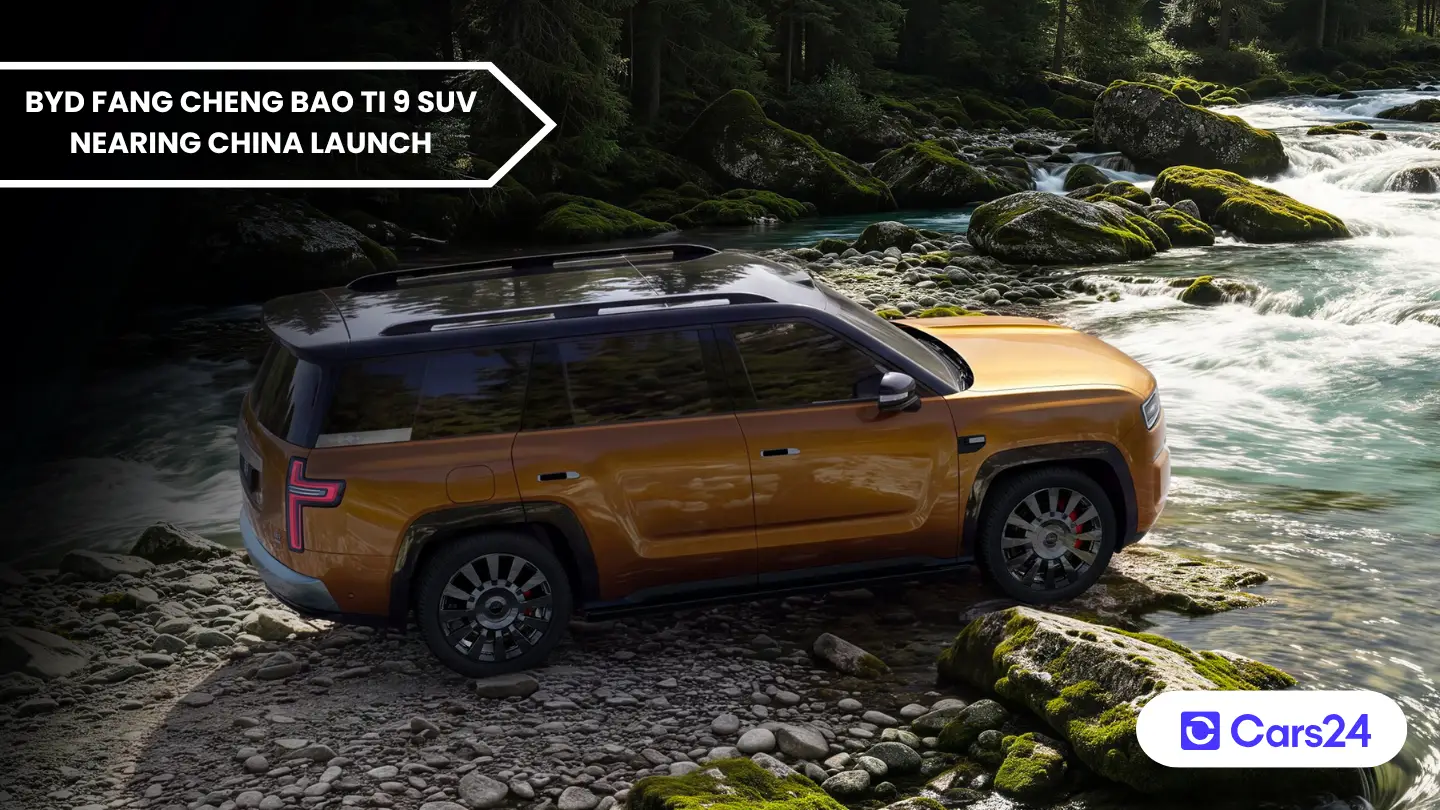
Key highlights:
- BYD Fang Cheng Bao Ti 9 launches November 19 in China
- Six-seat PHEV SUV delivers 310km WLTC electric range
- DC Flash Charging reaches 97% in 9 minutes
BYD’s premium Fang Cheng Bao brand is preparing to launch the Ti 9, a full-size six-seat plug-in hybrid SUV, in China on November 19, ahead of its public appearance at the 2026 Guangzhou Auto Show. The new flagship brings a powerful PHEV powertrain, long EV range, advanced suspension technology and a luxury-focused six-seat cabin.
The Ti 9 also marks an important milestone for BYD. One example rolled off the company’s Xi’an production line on November 9 as its 19 millionth new energy vehicle. Ti 9’s Australian release is unconfirmed, but a trademark for the Ti 9 name has already been filed locally in late 2025.
Dimensions and practicality
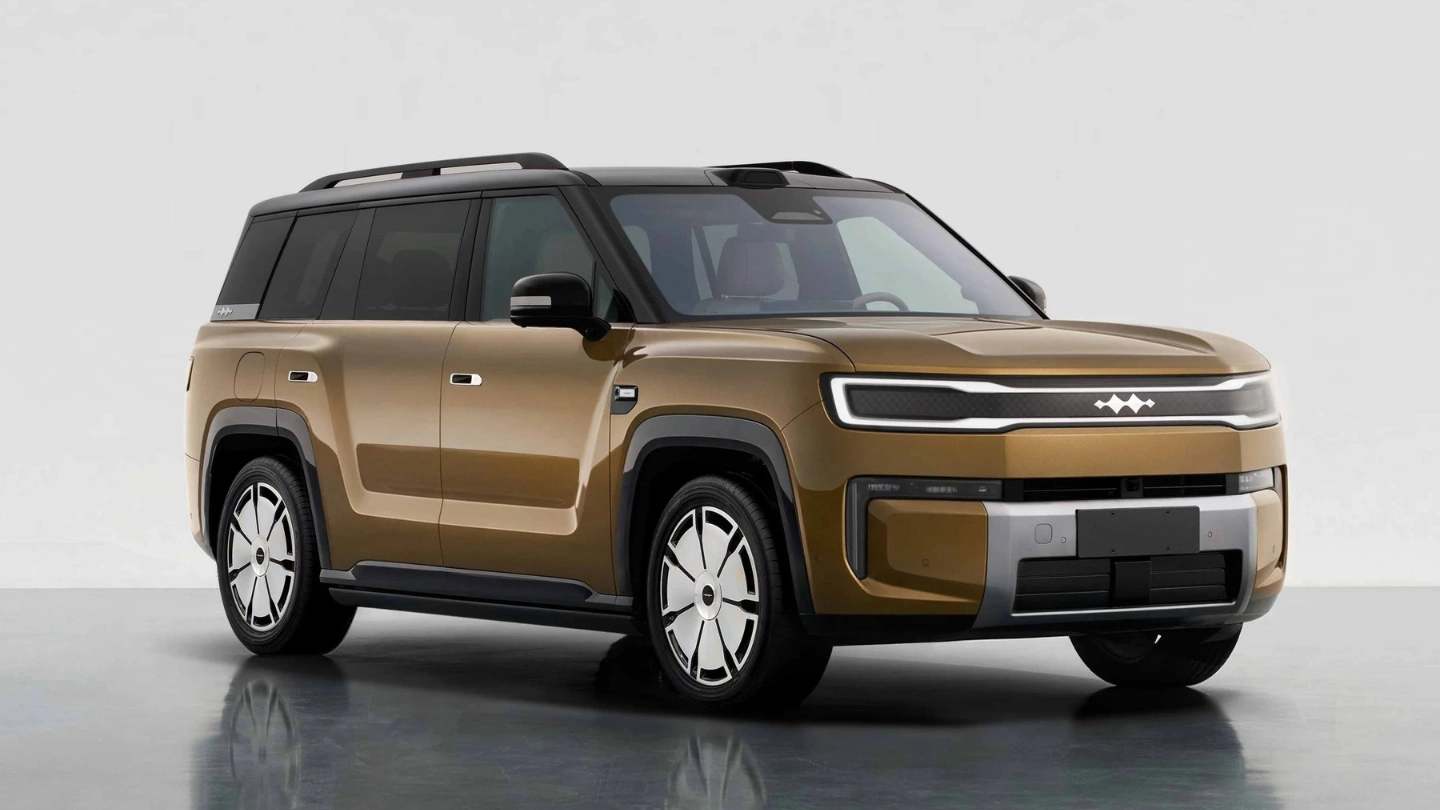
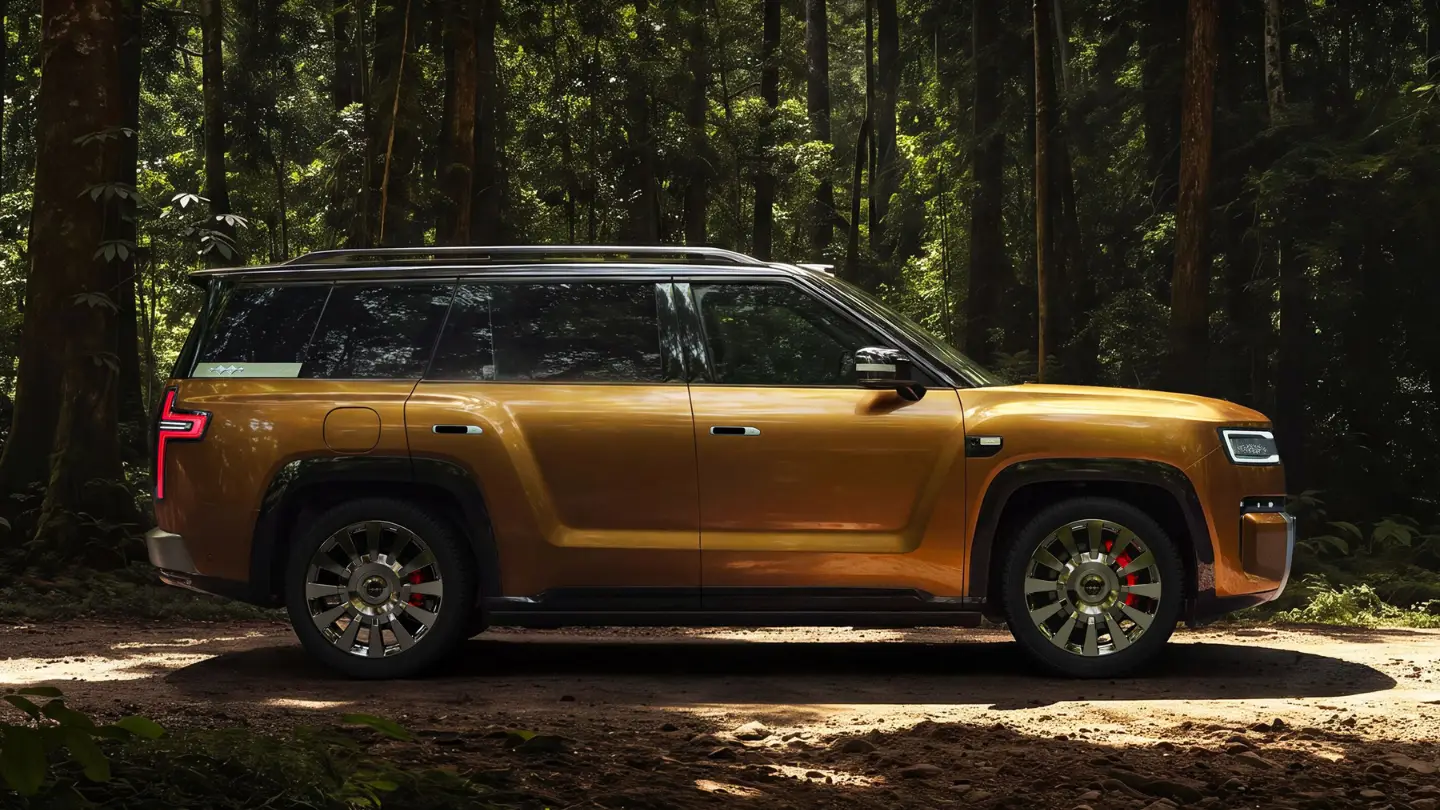
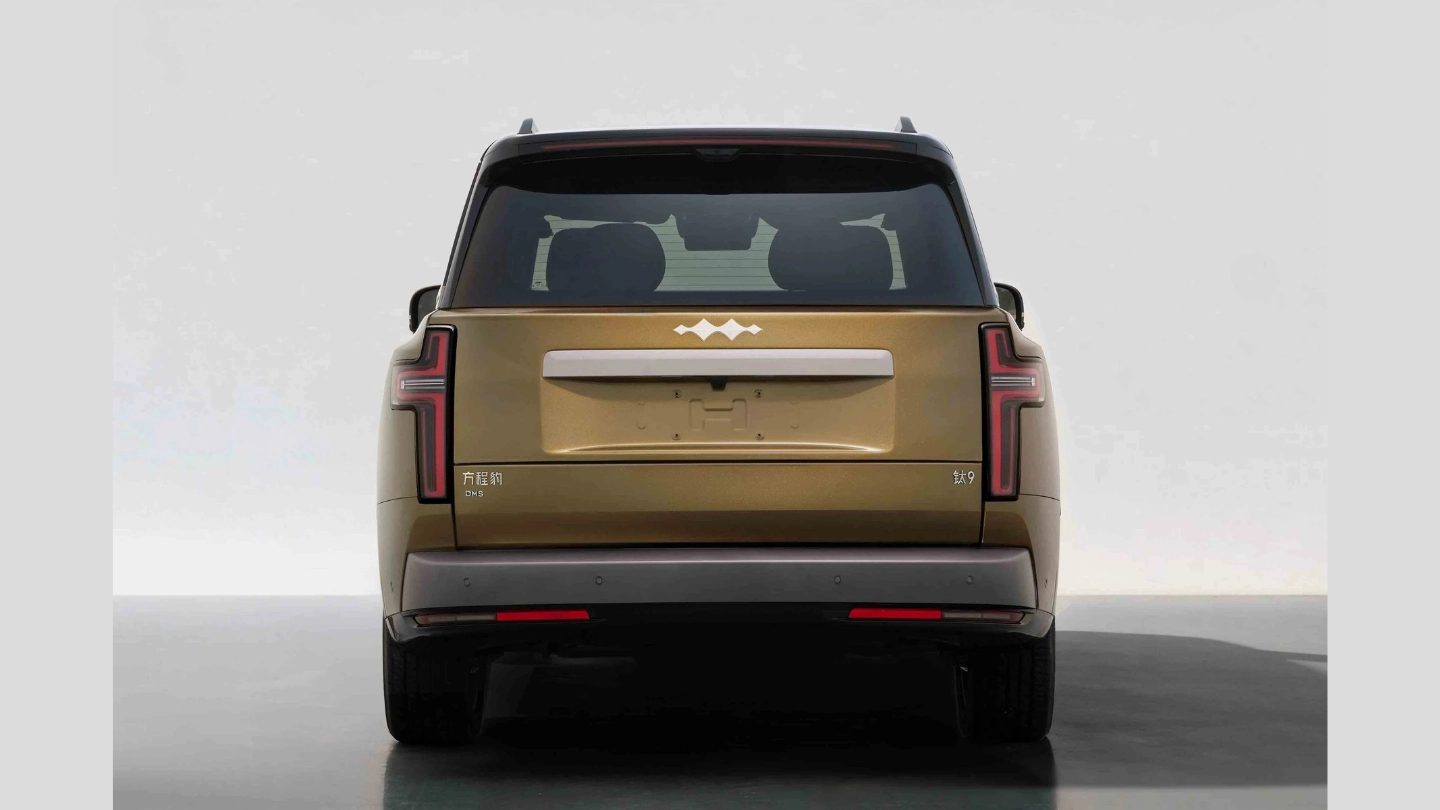
The Ti 9 measures more than 5.2 metres long and offers a 2+2+2 seating arrangement. It’s even longer than the BYD Group’s largest SUV in Australia, the Denza B8, which is 5,195mm long.
| Length | 5270mm |
| Width | 1999mm |
| Height | 1850mm |
| Height with roof rails | 1880mm |
| Wheelbase | 3130mm |
| Seating capacity | Six |
| Boot space (3rd row up) | 655 litres |
| Boot space (3rd row folded) | 1245 litres |
BYD has also focused on making the SUV practical. Its electrically operated split tailgate features a lower section that supports up to 300 kg, and it also doubles as a 490mm-deep seating platform. An optional retractable tow hook allows the Ti 9 to tow a trailer weighing up to 2000kg.
The six-seat cabin provides 655 litres of luggage capacity with all three rows in use, and folding the third row increases that figure to 1245 litres. There’s also a 60-litre storage compartment beneath the floor.
BYD Ti 9 powertrain and performance
The SUV uses a second-generation 66.48kWh lithium iron phosphate (LFP) Blade Battery. BYD claims up to 1385km of combined driving range under the WLTP testing cycle, and this figure assumes a full battery and fuel tank.
| Specification | BYD Ti 9 |
|---|---|
| Engine | 1.5-litre turbo-petrol engine |
| Engine output | 115kW |
| Front motor output | 200kW |
| Rear motor output | 200kW |
| Combined motor output | 400kW |
| Battery | 66.48kWh |
| Electric range (WLTC) | 310km |
| Combined driving range (WLTP) | 1385km |
| Fuel consumption with depleted battery (WLTC) | 6.4L/100km |
The Ti 9 also supports BYD’s Flash Charging system, which claims particularly quick charging times.
- 10–70%: 5 minutes
- 10–97%: 9 minutes
- 20–97% at -30 degrees Celsius: 12 minutes
Also read: 7-seat GWM Haval H10 SUV confirmed for Australia in Q3 2027
Advanced suspension and off-road technology
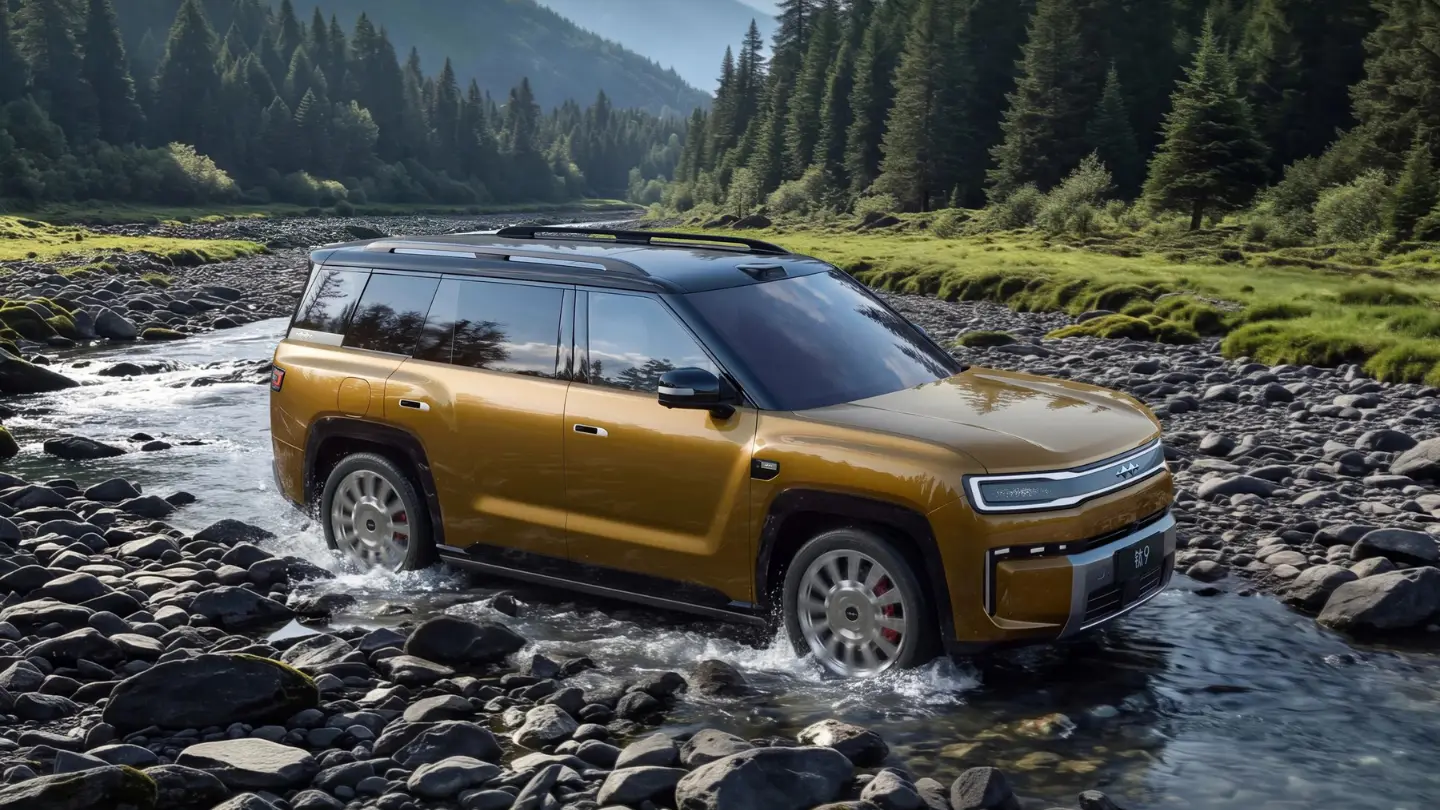
BYD has equipped every Ti 9 variant with DiSus-A dual-chamber air suspension featuring road-surface preview technology. The SUV also gets active rear-wheel steering and iATS terrain recognition, which supports four driving surfaces: Snow, Sand, Mud, and Gravel.
This equipment aims to combine comfortable road driving with improved capability across different terrain.
Luxury-focused six-seat interior
BYD has given all six seats heating, ventilation and massage functions. The front passenger seat offers a zero-gravity reclining mode, while the second row features independent zero-gravity seats with lateral adjustment and powered leg rests. The cabin also receives an extensive technology package:
- Qualcomm Snapdragon 8295 infotainment processor
- 30-inch main display
- 50-inch augmented-reality head-up display
- 21.4-inch rear ceiling screen
- 31-speaker Devialet audio system
The combination of individual comfort features, multiple displays and a premium audio system gives the Ti 9 a strong luxury focus.
Driver assistance and safety equipment
The Ti 9 also uses BYD’s DiPilot 300 driver-assistance system, marketed in China as God’s Eye B 5.0. Its hardware includes a roof-mounted 192-channel LiDAR sensor, and the system supports navigation assistance on both urban roads and highways.
Its safety equipment includes 13 airbags, TSC (Tire Blowout Stability Control), and front six-piston fixed brake callipers.
Expected BYD Ti 9 price and rivals
BYD positions the Fang Cheng Bao Ti 9 in China’s 400,000-yuan price category, equivalent to approximately A$77,770, but the company has yet to announce the official price.
Dealership channel guidance suggests the SUV could cost between 350,000 and 400,000 yuan (approximately A$77,770 and $A88,880). At those estimated prices, the Ti 9 will compete against other large six-seat SUVs in China, including Li Auto L9, Aito M9, and Denza N9.
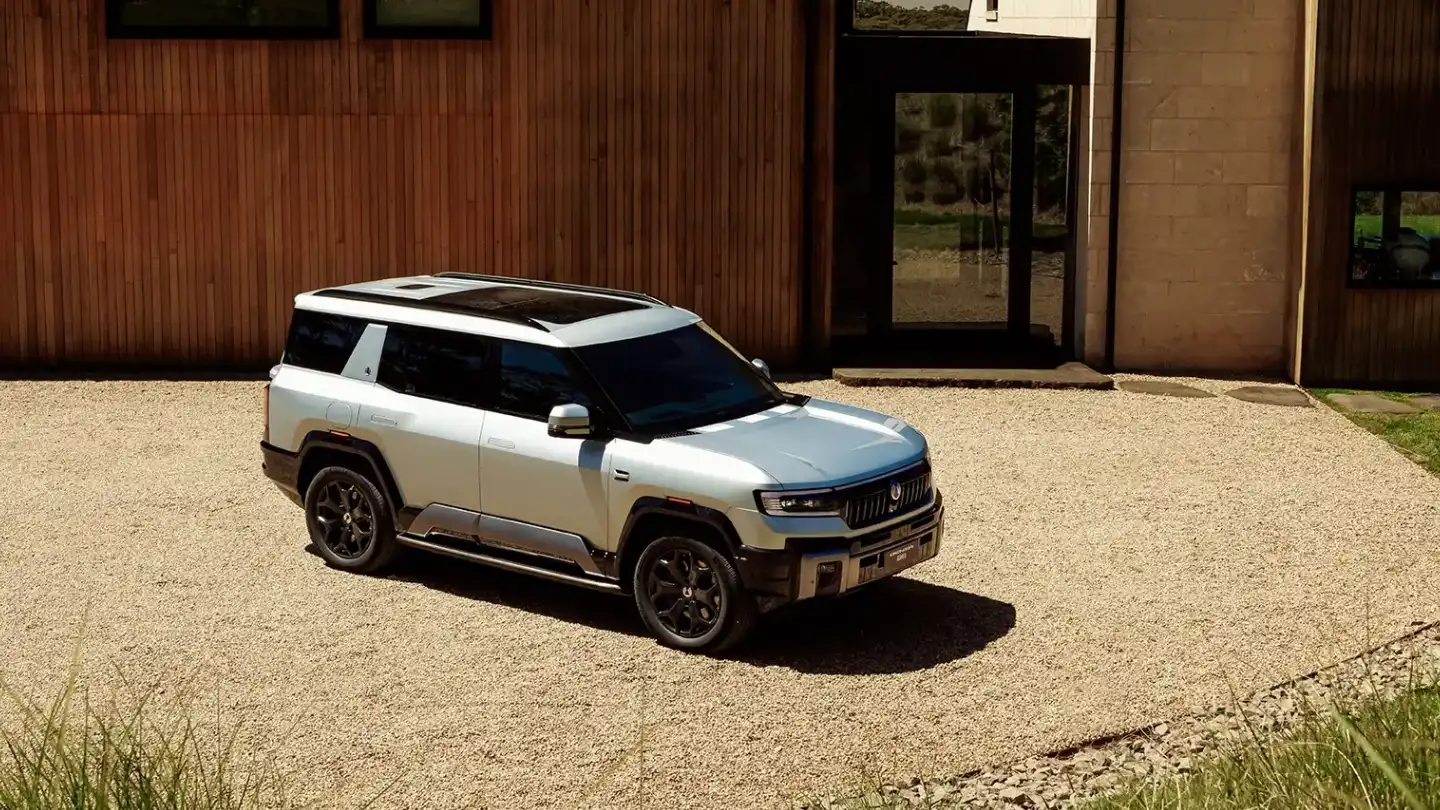
The Ti 9 is the first Fang Cheng Bao model to use BYD’s DMS hybrid platform with unibody construction. This separates it from the off-road-focused Bao 5 and Bao 8, which use BYD’s body-on-frame DMO architecture. Internationally, those models sell as the Denza B5 and B8.
BYD Fang Cheng Bao Ti 9 has not been confirmed for Australia yet, but BYD has trademarked the name locally back in 2025. Currently, the largest SUV wearing a BYD badge in Australia is the BYD Sealion 8, while the Denza B8 is the largest SUV across the BYD group.
Comments
New Comment