





Key highlights:
- 7-seat GWM Haval H10 confirmed for Australia in Q3 2027
- PHEV SUV’s combined outputs reach 440kW and 722Nm
- GWM plans several more large SUVs for Australia
GWM is preparing to enter Australia’s large seven-seat SUV market with the Haval H10, a new flagship for its Haval sub-brand. The plug-in hybrid (PHEV) SUV, currently sold only in China, will arrive locally in Q3 2027, filling a significant gap in the brand’s Australian lineup.
GWM officially launched the Haval H10 in China in August 2026. However, the Australian version will differ from its Chinese counterpart in seating layout, body style availability, right-hand-drive configuration and local tuning.
GWM confirms Haval H10 Australian launch
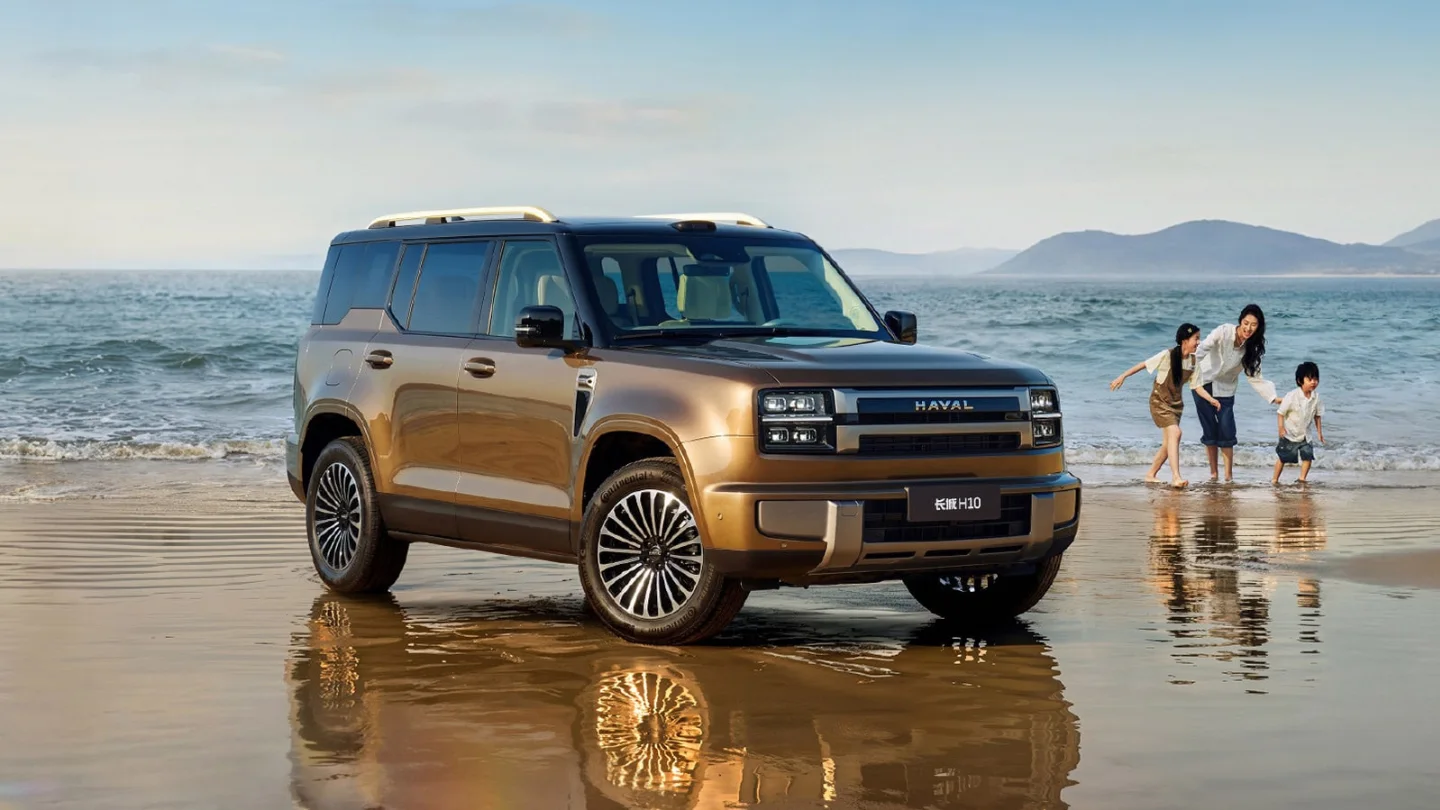
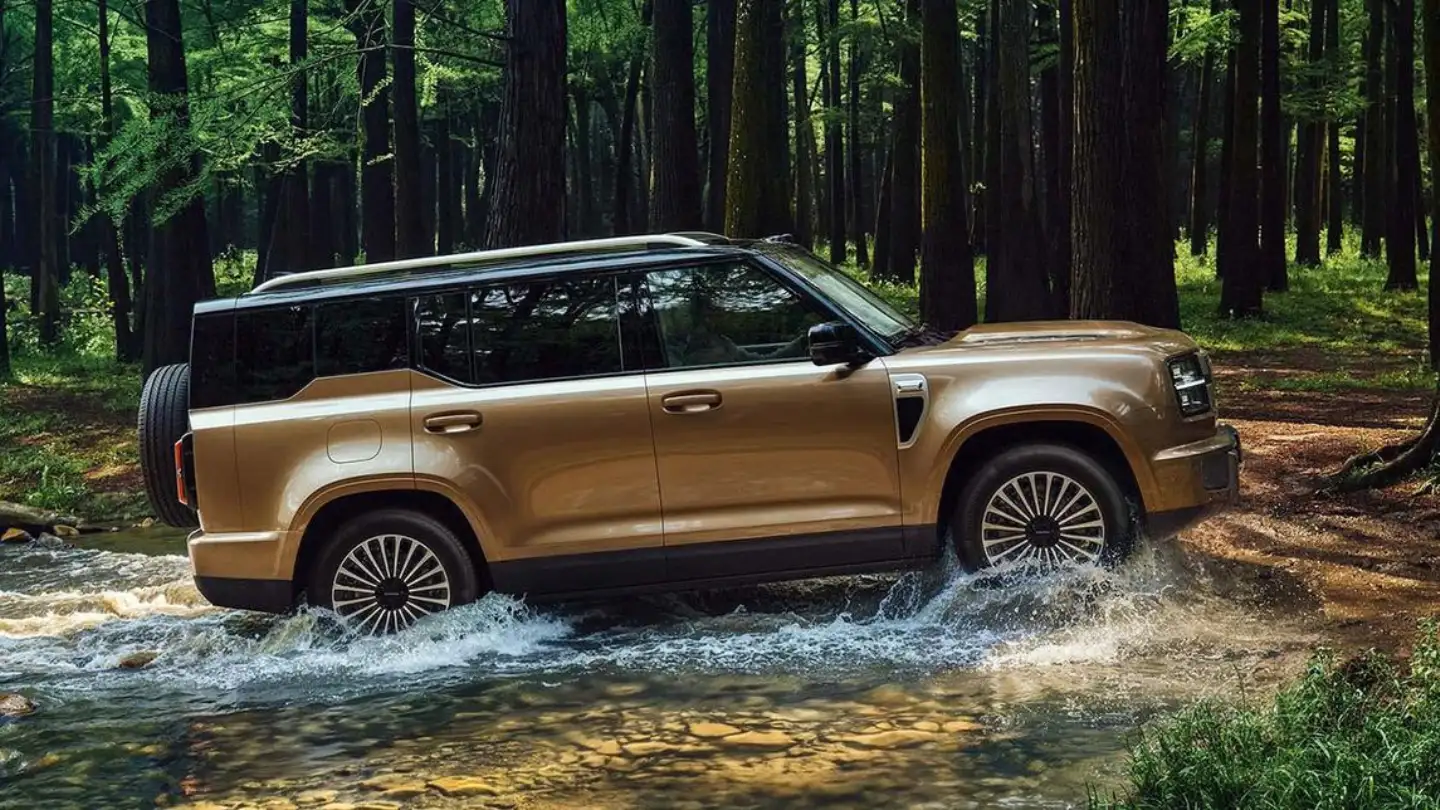
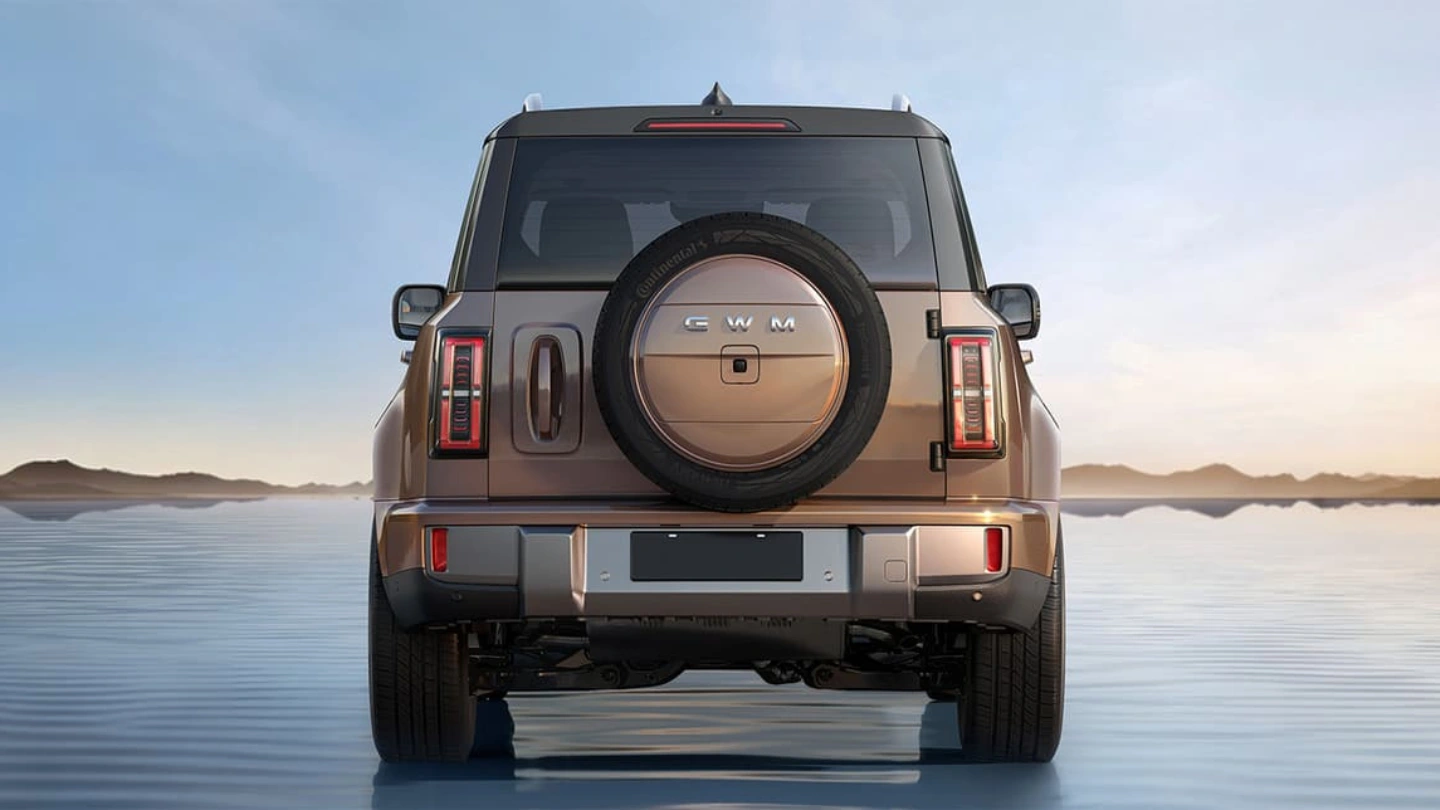
GWM Australia managing director Andrew Gao confirmed the local launch in a statement provided to CarExpert Australia.
“We can confirm the all-new Haval H10 is coming to Australia, with arrivals expected in the third quarter [July to September] of 2027,” Gao said.
“The H10 will further expand GWM’s SUV lineup and give Australian buyers another large seven-seat option.”
His statement also appears to confirm that GWM will offer the extended-length, 7-seat body style rather than the shorter five-seat version or the six-seat configuration available in China.
Haval H10 PHEV powertrain and performance
Unlike the Tank 500, the Haval H10 combines plug-in hybrid power with a third row of seating. Its PHEV system pairs a turbocharged 1.5-litre four-cylinder petrol engine with two electric motors and a four-speed hybrid transmission.
| Powertrain component | 2027 GWM Haval H10 PHEV |
|---|---|
| Engine | 1.5-litre four-cylinder turbo petrol |
| Engine output | 123kW / 243Nm |
| Battery | 42.8kWh LFP |
| Front motor output | 100kW / 170Nm |
| Rear motor output | 220kW / 312Nm |
| System output | 440kW / 722Nm |
| 0–100km/h | 4.9 seconds |
| AC charging | 6.6kW |
| Fuel consumption (WLTP) | 6.7L/100km with a depleted battery |
| Electric range (WLTP) | 176km-180km |
| Fuel tank | 65L |
The H10 uses a 42.8kWh lithium iron phosphate (LFP) battery, which supports both AC and DC charging. AC charging supports up to 6.6kW.
Also read: 2027 GWM Haval Jolion Max set for early Australian arrival
Haval H10 uses car-like SUV construction
GWM revealed the Haval H10 in China in April 2026, where buyers can choose between two body styles. The six-seat version features second-row captain’s chairs, but GWM appears likely to replace them with a conventional three-seat bench in the Australian model. Here are the dimensions of the Chinese H10.
| Specification | Five-seat version | Six-seat version |
|---|---|---|
| Length | 5138mm | 5299mm |
| Width | 2050mm | Not specified |
| Height | 1970mm | Not specified |
| Wheelbase | 3000mm | 3000mm |
Despite its chunky exterior, which draws inspiration from GWM’s Tank models, the Haval H10 uses unibody construction and four-wheel independent suspension. That’s an important distinction from the more rugged Tank 500, which measures 5078mm long and offers three rows of seating.
The Tank 500 uses body-on-frame construction and a live rear axle to improve its off-road capability, but the H10 combines a car-like platform with some off-road hardware.
GWM has not announced Australian pricing for the H10. For reference, the Tank 500 currently costs between $65,990 and $79,990 drive-away.
| SUV model | Length |
|---|---|
| GWM Haval H10 | 5299mm |
| Hyundai Palisade | 5060mm |
| BYD Sealion 8 | 5040mm |
| Toyota Kluger | 4966mm |
| Chery Tiggo 9 | 4800mm |
At 5299mm long, the extended Haval H10 is considerably larger than several established large SUVs. The H10 even exceeds the length of the Hyundai Palisade and Toyota Kluger, two SUVs developed with the US market in mind.
Haval H10 also gets off-road hardware
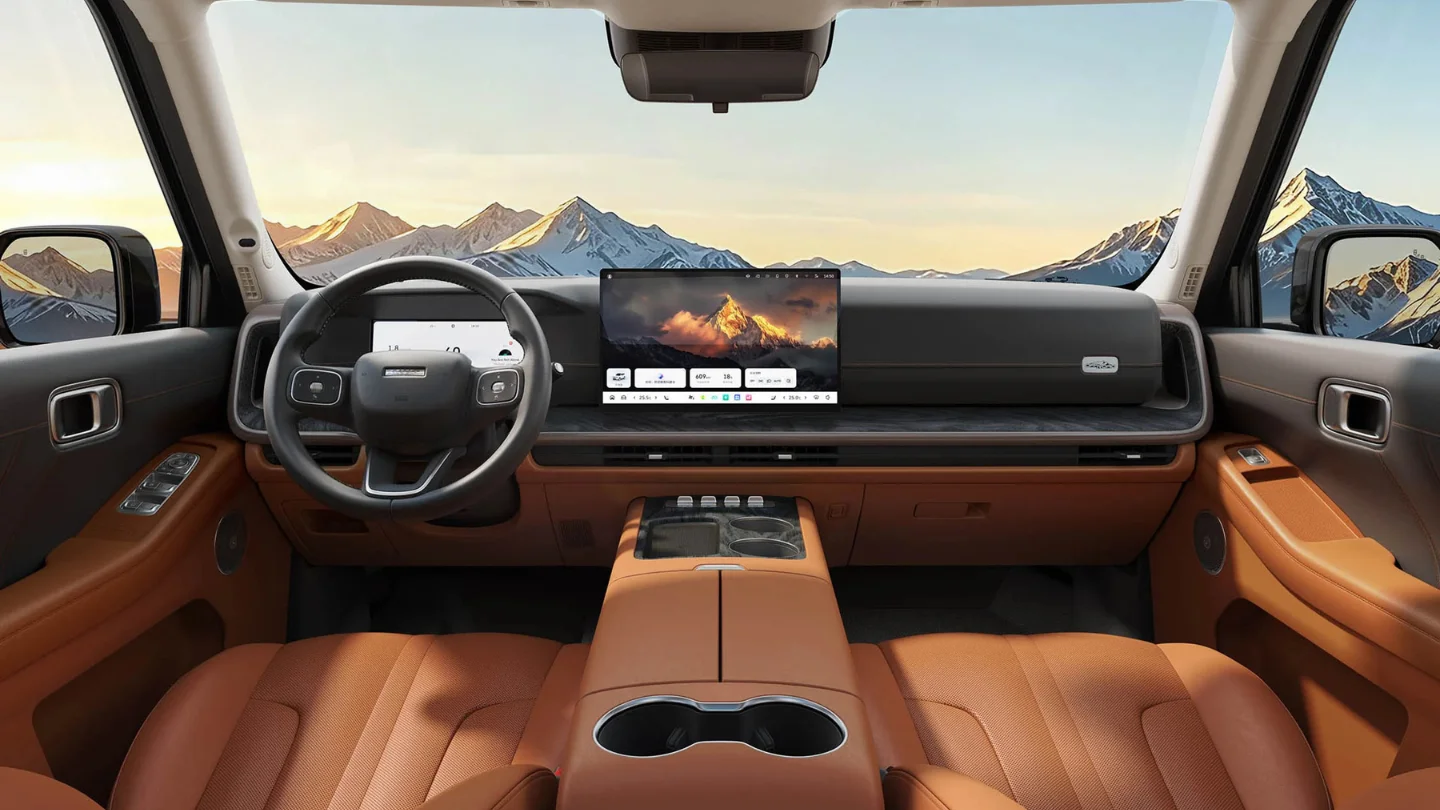
Although GWM positions its more rugged SUVs under the Tank sub-brand in Australia, it says the Haval H10 also offers off-road capability. Available equipment includes an electronically locking rear differential and an off-road crawl mode, and its claimed off-road specifications include:
| Specification | Figure |
|---|---|
| Approach angle | 24 degrees |
| Departure angle | 25–30 degrees |
| Breakover angle | 20 degrees |
| Ground clearance | 220mm |
| Standard wheels | 20-inch alloys |
The departure angle varies depending on the variant, and GWM also equips the H10 with a full-size spare wheel mounted on the tailgate. The suspension setup includes double wishbones at the front and a five-link configuration at the rear. Adaptive dampers are also available.
GWM plans more large SUVs for Australia
The Haval H10 won’t be GWM’s only addition to Australia’s large SUV market. The company has already confirmed plans to introduce an extended-length, three-row version of its recently launched H7 unibody SUV, and that model will target a similar size category to the Hyundai Santa Fe and Kia Sorento.
GWM has traditionally relied on more rugged body-on-frame SUVs, including the Tank 500 and Haval H9, in Australia’s large SUV segment.
The Haval H8 was an earlier exception. Sold locally between 2016 and 2018, it competed with the Toyota Kluger but did not offer a third row of seating.
Tank 800 and Wey brand expansion
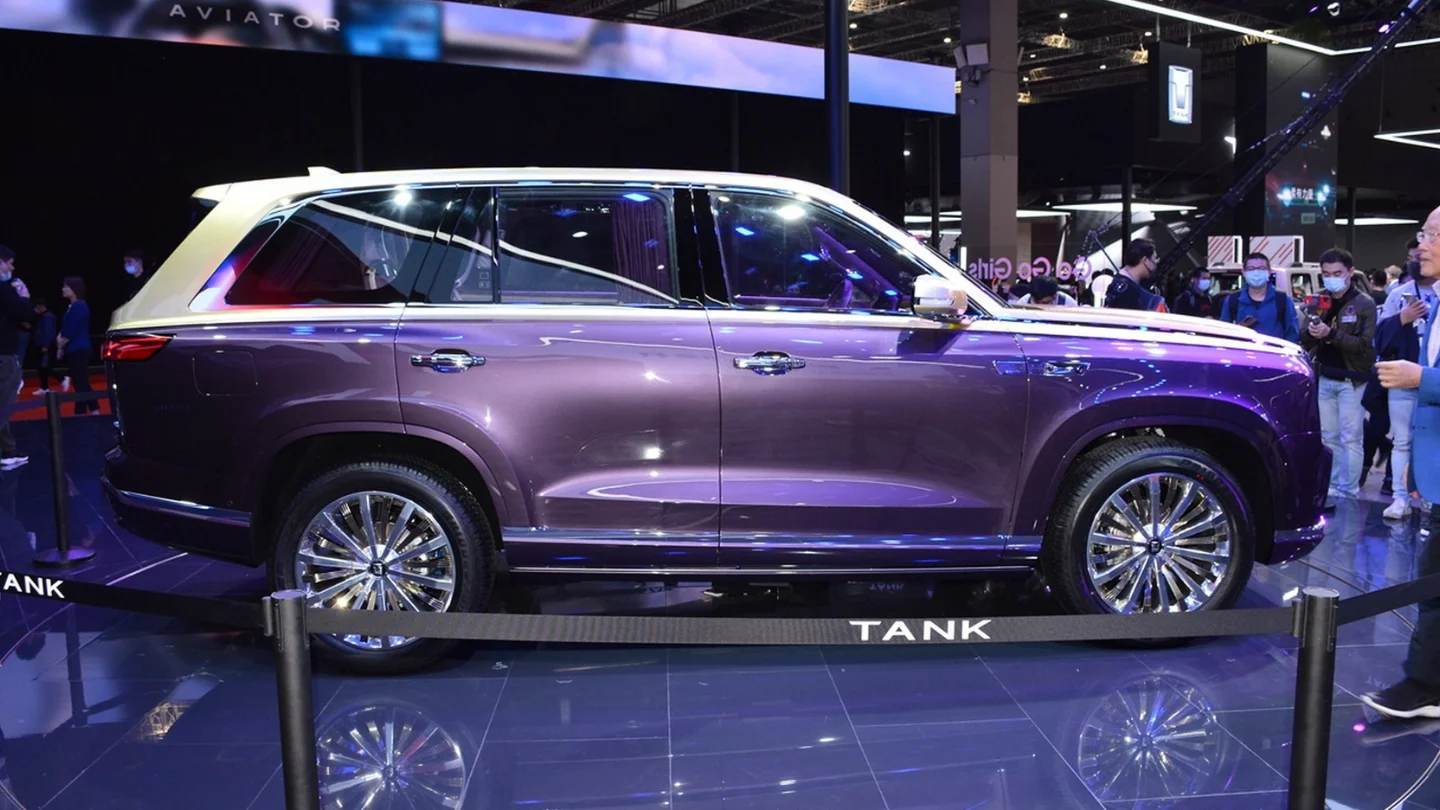
GWM also plans to bring its Tank 800 luxury flagship to Australia in 2027, with V8 power, and the company is expanding its local portfolio further by introducing Wey as another sub-brand.
In China, Wey sells large crossover SUVs, including the recently redesigned Lanshan, which shares a close relationship with the Haval H10, alongside the V8X and V9X. GWM has yet to confirm which Wey models will reach Australia.
Comments
New Comment