




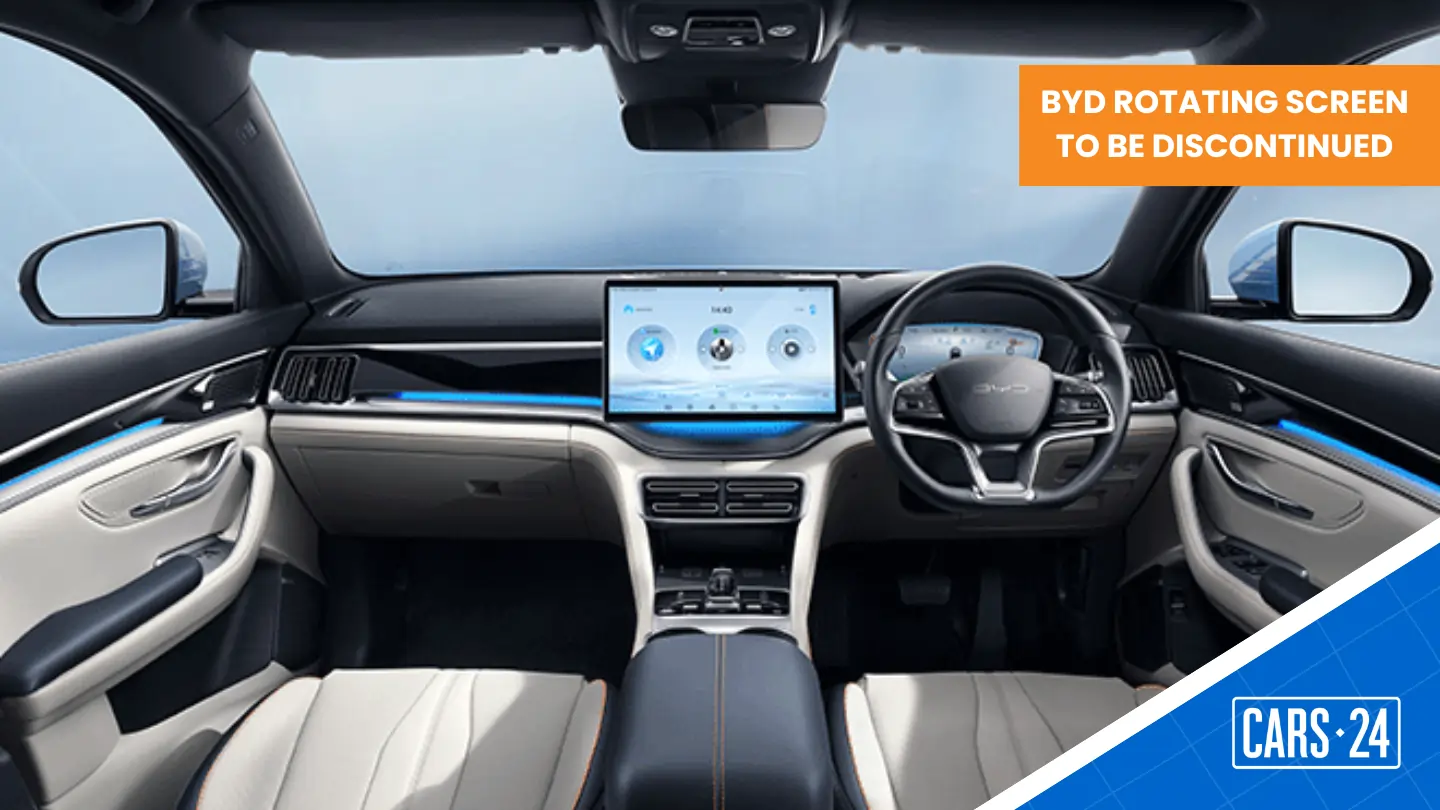
BYD is preparing to retire one of its most distinctive cabin features – the rotating infotainment display. As the brand shifts its focus toward smoother integration with Apple CarPlay, Android Auto, and a wider range of third-party applications.
A novel idea that didn’t scale
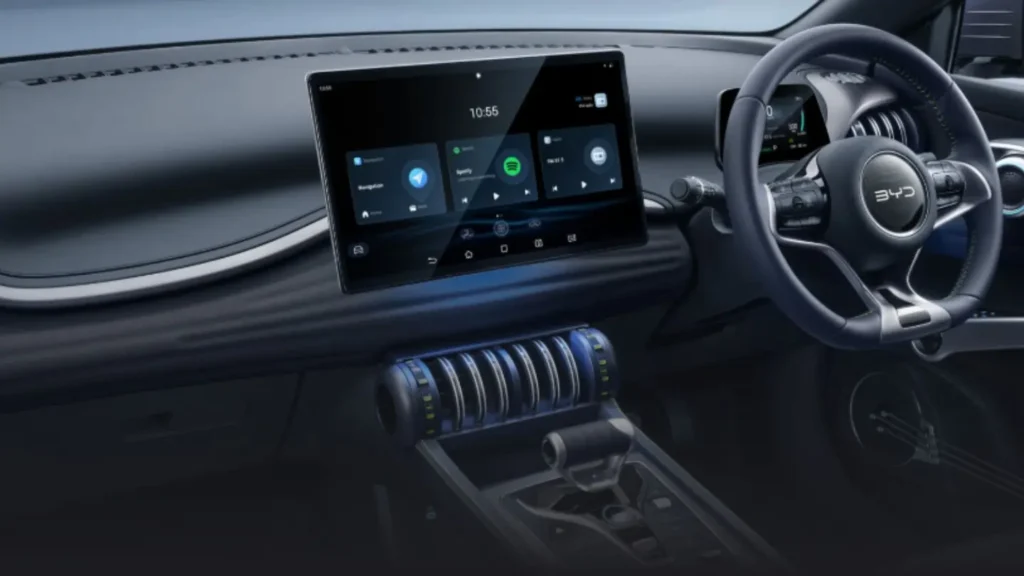
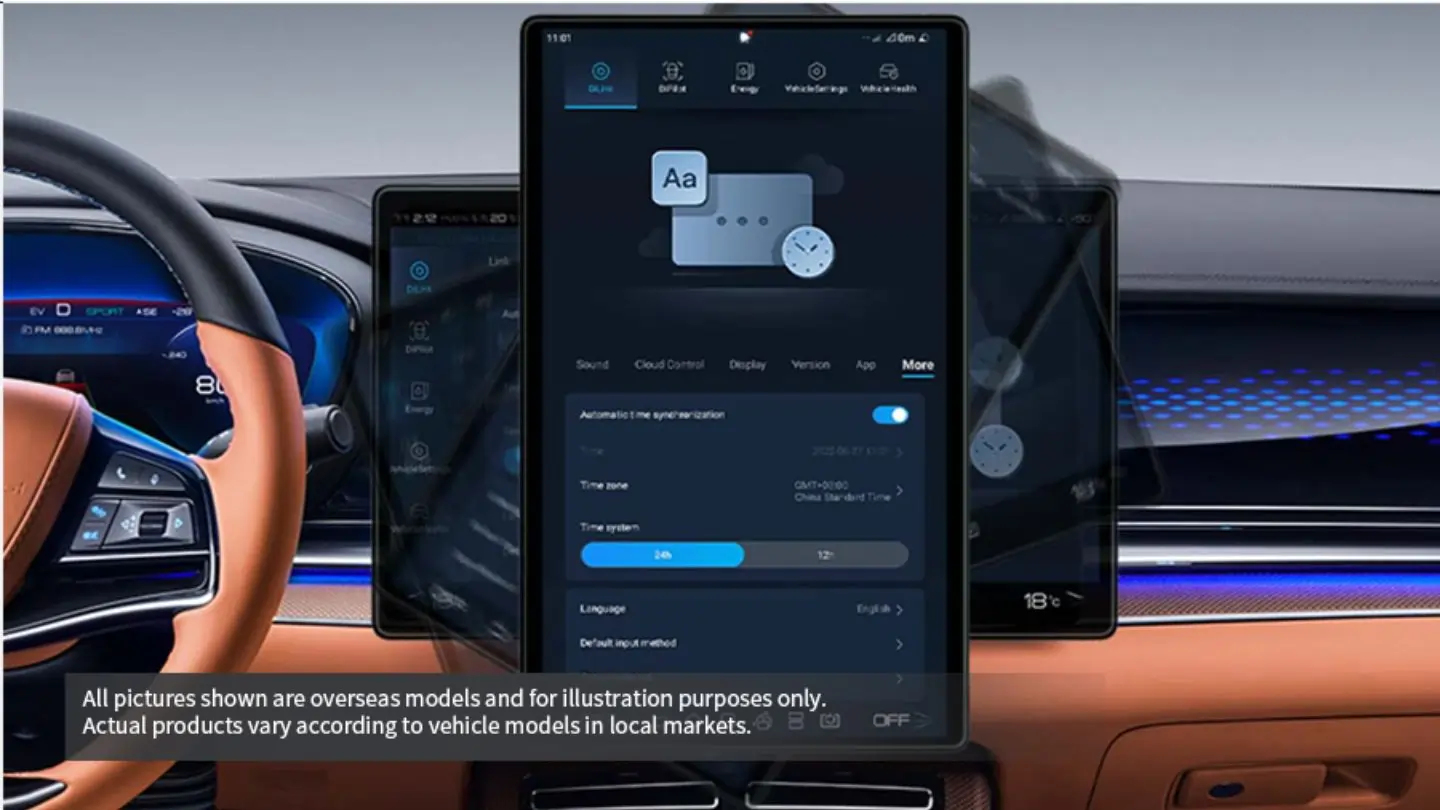
When BYD entered global markets, it drew attention with its incredible price positioning and tech-loaded package. The star of its funky cabins was an infotainment touchscreen that could rotate electronically between portrait and landscape modes. The idea was simple: give drivers the freedom to use whichever layout they preferred. It also set the Chinese automaker apart in a crowded EV segment.
However, the concept didn’t translate as cleanly once smartphone mirroring was introduced. Apple CarPlay and Android Auto only support landscape mode, effectively restricting the feature’s usefulness.
Owners enjoyed it, but rarely used it
 +1 Photos


Speaking to Autocar UK, BYD’s global executive vice president, Stella Li, confirmed that the company is moving away from rotating displays. According to Li, “People love the rotating screens, but the usage is minimal.”
Connected-car analytics, something BYD and Tesla have leveraged in recent years, reveal that most owners rarely switch orientation once the novelty wears off. Combined with poor compatibility with third-party apps, the feature became harder to justify from both user-experience and manufacturing-cost perspectives.
Phase-out begins with entry-level BYDs
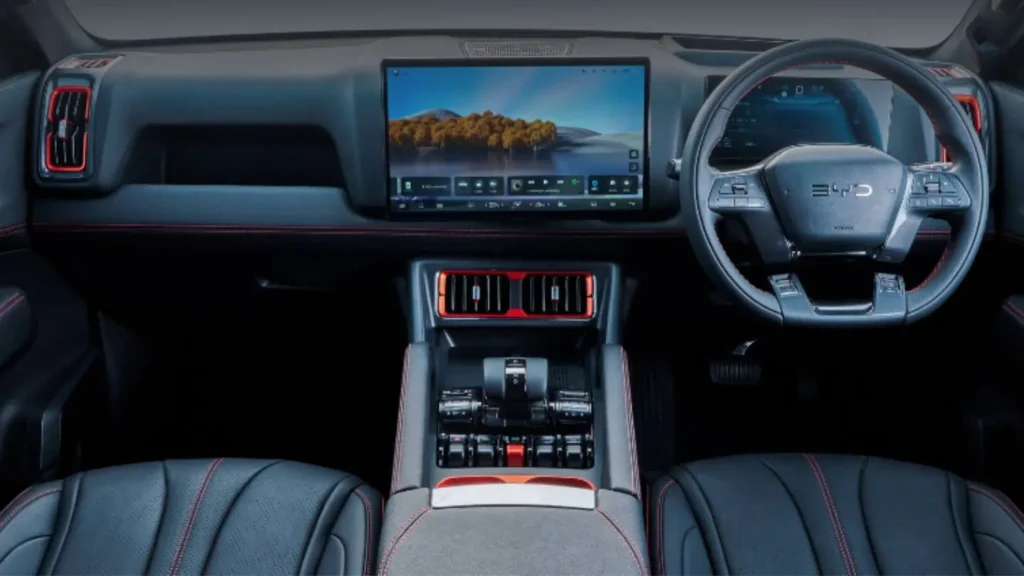
The first signs of this shift are already visible in BYD’s latest offerings in Australia:
| Model | Screen Style | Screen Size |
| BYD Atto 1 | Portrait (fixed) | 10.1 in |
| BYD Atto 2 Dynamic | Portrait (fixed) | 10.1 in |
| BYD Atto 2 Premium | Portrait (fixed) | 12.8 in |
Both the BYD Atto 1 city car and the BYD Atto 2 compact SUV launch locally with fixed portrait displays, effectively signalling the beginning of the phase-out.
What replaces the rotating screen?
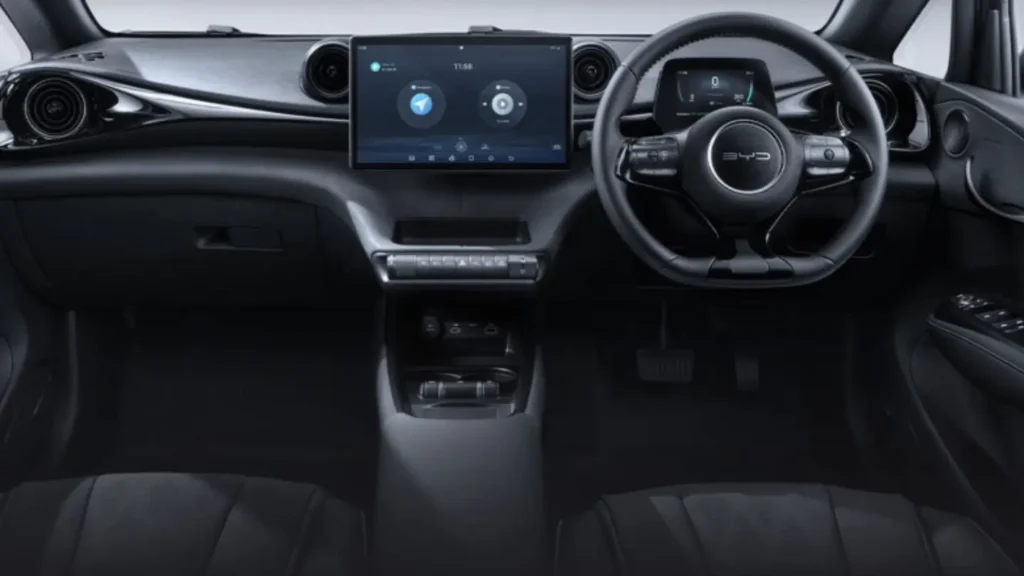
Rather than doubling down on hardware gimmickry, BYD says the next phase of the infotainment system will focus on:
- More stable performance with third-party apps
- Better experience via Apple CarPlay and Android Auto
- Potential expansion of approved in-car apps
- Greater platform universality across markets
Li suggested that BYD recognises customers want more choice in navigation and music services rather than being locked into factory-provided apps. Spotify support already exists in some markets, but drivers routinely sideload alternative apps, highlighting a demand the brand can no longer ignore.
Why does this matter?
The rotating screen helped BYD get noticed, and arguably shaped its early brand identity. Retiring this feature shows that the company is prioritising practicality over novelty, and leaning into global consumer expectations rather than maintaining features simply because they’re unique.
The bottom line
The rotating display isn’t failing; it’s just no longer aligned with how people want to use their cars. As BYD pivots toward deeper app integration and consistency across models, the drop of the rotating screen is less a loss and more a marker of a brand evolving beyond quirky features toward mainstream maturity.

Comments
New Comment