




Key highlights
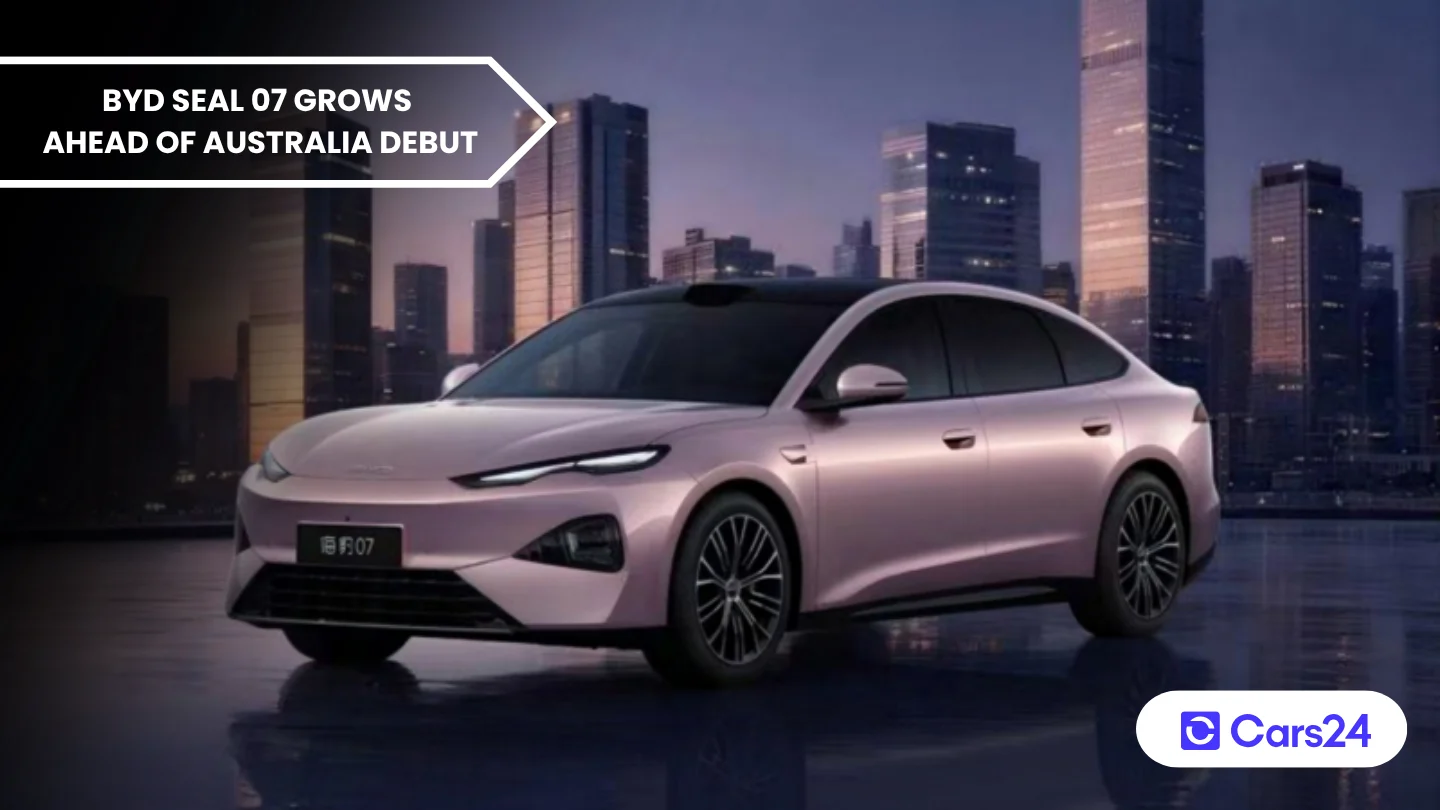
- The new BYD Seal 07 is 5080mm long, making it substantially larger than the Seal and Seal 6 sold in Australia.
- A 38.029kWh battery gives the PHEV version a claimed 245km electric range under the WLTC cycle.
- Australian certification filings from May 2026 suggest a PHEV version could eventually join BYD’s local sedan range.
BYD has revealed the second-generation Seal 07 in China, just months after the current electric version went on sale, with the new sedan gaining a larger body and updated technology. The Seal 07 will again be offered in both plug-in hybrid (PHEV) and battery-electric (EV) forms. While BYD has not confirmed the model for Australia, local government certification filings published in May 2026 suggest a PHEV version could eventually be introduced here.
The new sedan measures 5080mm long, 1960mm wide and 1495mm tall, with a 2960mm wheelbase. That makes it 85mm longer and 50mm wider than the current Seal 07 EV, while the wheelbase has grown by 60mm. It is also considerably larger than BYD’s current Australian sedans. The new Seal 07 is 280mm longer than the Seal EV and 240mm longer than the Seal 6 sedan and wagon. For Australian buyers, that extra size points to a sedan positioned above the locally sold Seal and Seal 6, although BYD has not confirmed where the model would sit in its Australian range if it comes here.
Read more: BYD Shark 6 ute range may gain more variants in Australia
PHEV and EV versions confirmed
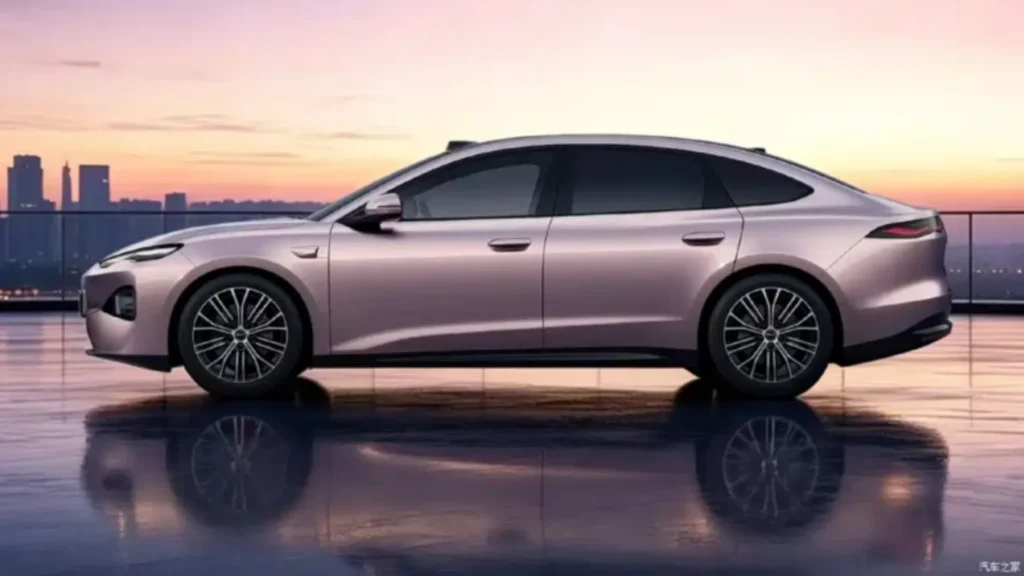
The new BYD Seal 07 PHEV combines a 1.5-litre turbocharged four-cylinder petrol engine producing 115kW with a 160kW electric motor. It uses a 38.029kWh lithium iron phosphate (LFP) battery, with a claimed 245km of electric driving range under the WLTC testing cycle. That is a substantial battery for a plug-in hybrid and gives the Seal 07 a specification that could appeal to buyers wanting to do most daily driving electrically without giving up a petrol engine for longer trips.
The battery-electric Seal 07 uses a rear-mounted 300kW electric motor and has a claimed WLTP range of at least 718km. Its top speed is listed at 240km/h. An entry-level EV version producing 245kW has appeared in Chinese government certification documents, although BYD has not included that version in the initial official reveal.
Technology follows BYD’s latest models
The second-generation Seal 07 adopts BYD’s “Ocean Aesthetics 2.0” design language, bringing it visually closer to the larger Seal 08 sold in China. It features split headlights with wave-shaped elements, a closed-off front end and a full-width rear light bar. A panoramic sunroof, semi-hidden door handles and 18-inch or 19-inch wheels are also available.
A roof-mounted LiDAR sensor points to the inclusion of BYD’s “God’s Eye B” driver-assistance technology, although the exact Australian specification has not been confirmed. The larger dimensions should also provide more room inside, although BYD has not yet released detailed Australian-market interior specifications.
Will the BYD Seal 07 come to Australia?
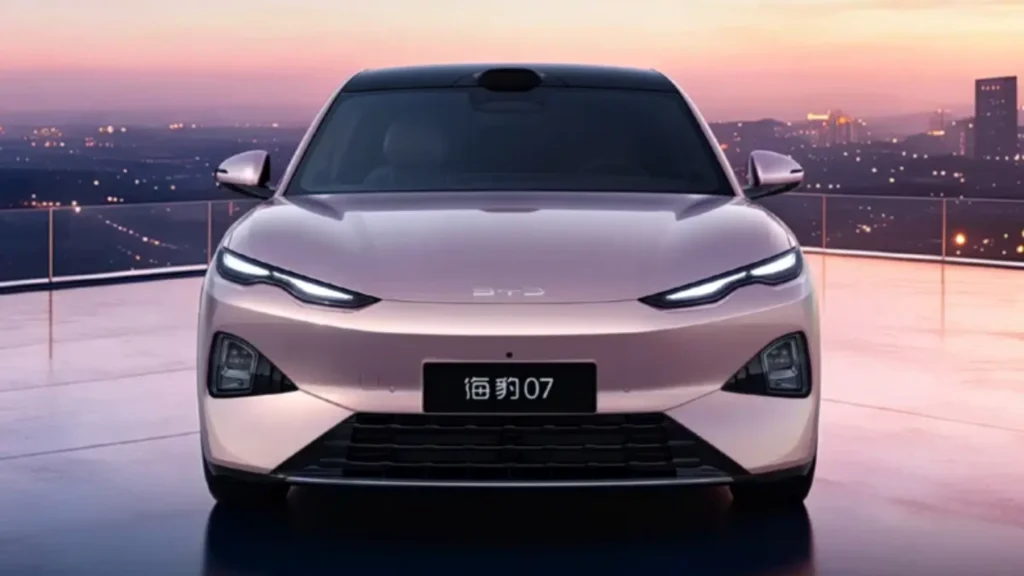
There are signs that BYD is considering a local version of the PHEV sedan. Australian government certification filings published in May 2026 indicated that a plug-in hybrid Seal 7 could join the local range. BYD already sells the Seal 6 sedan and wagon as its PHEV passenger-car offerings in Australia, while the fully electric Seal has been on sale locally since late 2023.
However, Australian pricing, specifications and launch timing for the new Seal 07 have not been announced. The timing is also notable in China. According to China EV DataTracker data cited in the supplied source, the current Seal 07 recorded 1,005 deliveries across its PHEV and EV versions in August 2026. The second-generation model’s rapid arrival could therefore give BYD a chance to refresh the sedan with a larger body and newer technology.
For Australian buyers, the key question is whether BYD follows through with a local launch. If it does, the larger Seal 07 would give the brand a new sedan positioned above the existing Seal and Seal 6, with both PHEV and EV powertrains potentially available.

Comments
New Comment