




Key highlights:
- The Temerario’s 4.0-litre twin-turbo V8 revs to 10,250rpm with launch control.
- Three electric motors take total system output to 677kW and drive all four wheels.
- Lamborghini says the Temerario has accumulated a one-year order bank.
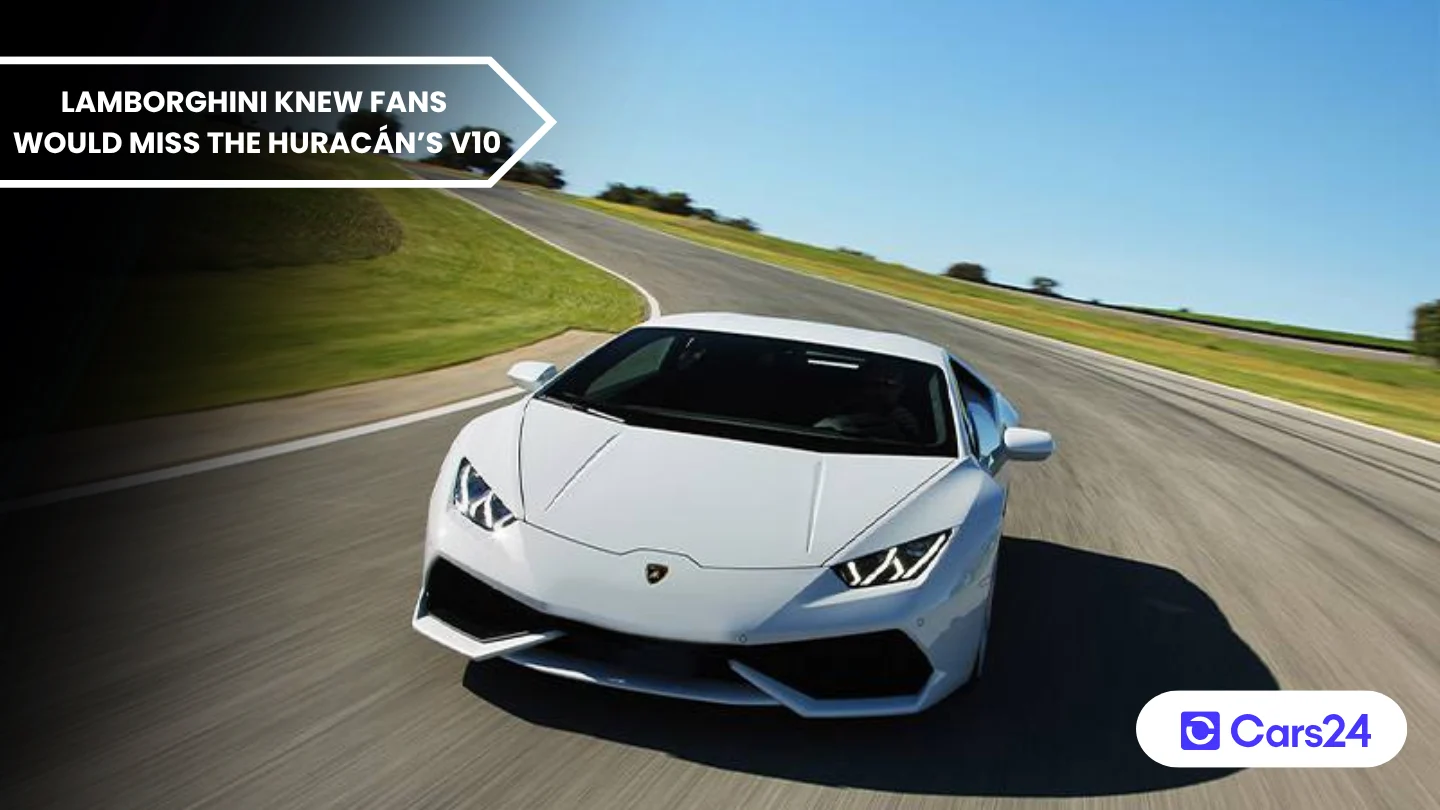
Lamborghini knew replacing the Huracán’s naturally aspirated V10 would upset some enthusiasts, but says it has no regrets about moving to the Temerario’s twin-turbocharged hybrid V8. The Huracán’s 5.2-litre naturally aspirated V10 became one of the defining features of Lamborghini’s junior supercar, particularly because of its high-revving character and distinctive exhaust note.
The Temerario takes a very different approach. Its 4.0-litre twin-turbo V8 works with three electric motors to produce a combined 677kW, while the engine itself produces 588kW. Speaking in Milan, Lamborghini Temerario product line director Paolo Racchetti said the company had anticipated criticism from enthusiasts attached to the outgoing V10.
Lamborghini knew enthusiasts would miss the Huracán’s naturally aspirated V10, which had become a defining part of the car thanks largely to its distinctive sound.
Read more: Lamborghini kills manual hopes, prioritises a hybrid future
Temerario V8 still revs beyond 10,000rpm
Lamborghini’s answer is not simply a smaller turbocharged engine. The Temerario’s V8 uses a flat-plane crankshaft and can rev to 10,250rpm with launch control, giving it one of the highest redlines among production cars. Racchetti said the V10 is more melodic, while the Temerario’s engine has a sharper, more aggressive character.
The V8 produces 147kW per litre and is paired with three electric motors. Two independently drive the front wheels, while a third sits between the engine and eight-speed dual-clutch transmission to help fill gaps in torque delivery from the turbochargers. The 3.8kWh battery limits combined electrical output to 140kW at any one time, despite each electric motor being capable of producing up to 110kW. The front motors also allow Lamborghini to independently vary torque between the front wheels, helping influence the car’s cornering behaviour as well as its straight-line acceleration.
A different kind of Lamborghini character
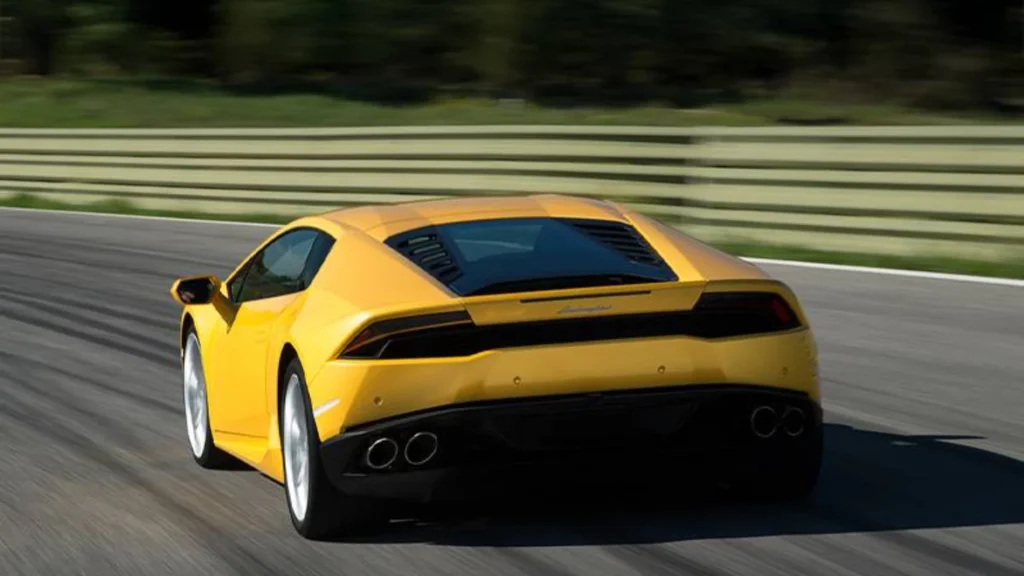
Lamborghini says the Temerario’s character changes depending on engine speed. Below 7000rpm, Racchetti described it as more refined, while the character becomes more focused on performance above that point. That distinction is important for Australian buyers because the Temerario represents the latest step in Lamborghini’s move towards electrified performance. The company’s decision to replace the naturally aspirated V10 was influenced by tightening emissions and noise regulations across global markets.
For Australian enthusiasts, that means the Temerario is part of a broader shift in the supercar market rather than simply a change between two Lamborghini models. The combination of a high-revving V8, turbocharging and hybrid assistance is designed to retain a strong performance focus while meeting the requirements of more than 50 global markets. Lamborghini says customers have responded positively despite the initial nostalgia surrounding the Huracán.
According to Racchetti, the Temerario has accumulated an order bank covering one year, which the company says reinforces its confidence in the new powertrain and the platform that will underpin the Temerario family. Australian pricing and availability for the Temerario have not been confirmed in the information provided.

Comments
New Comment