




Key highlights
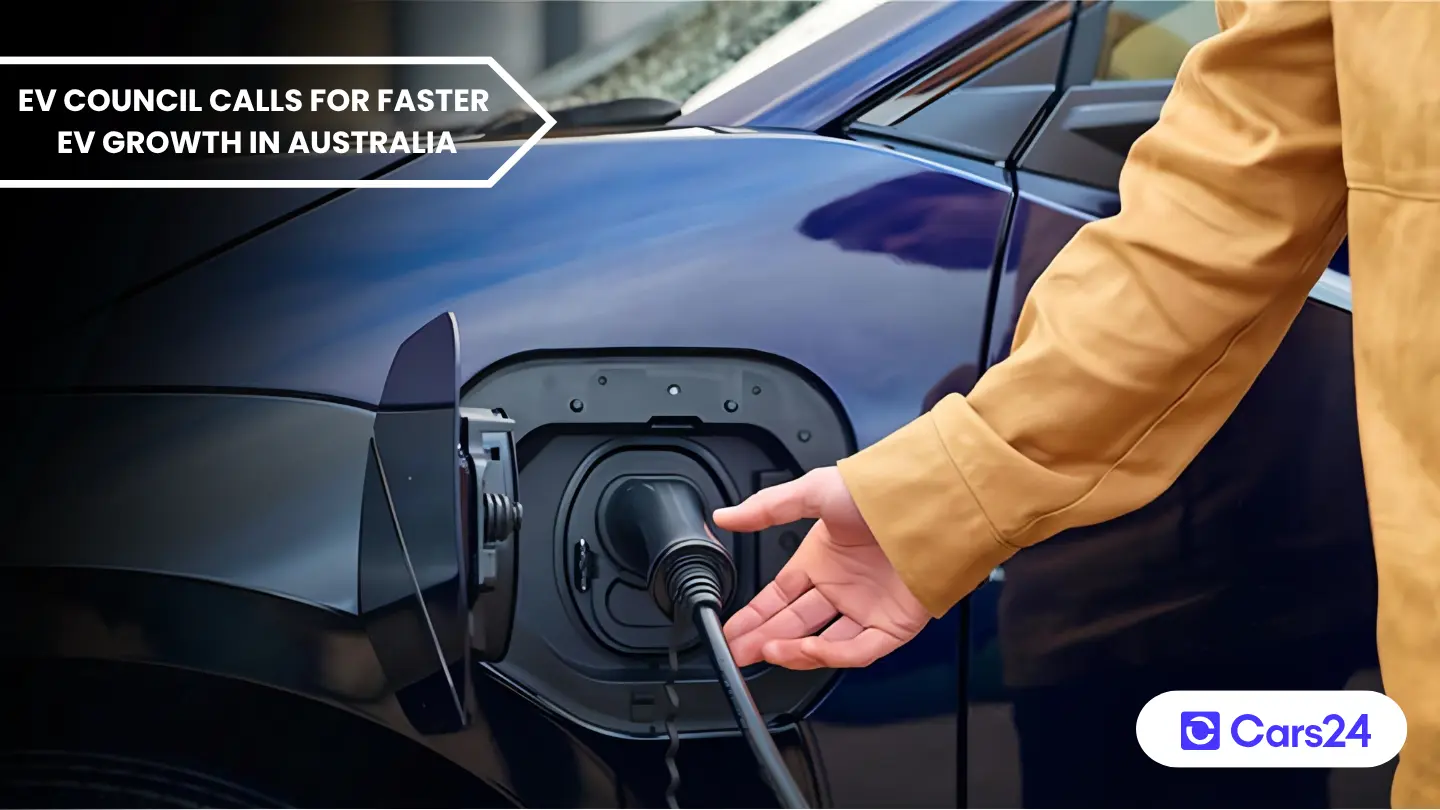
- The Electric Vehicle Council wants Australian electric car sales to increase significantly by 2035.
- The industry body says higher interest rates are unlikely to derail long-term EV demand.
- The EVC has also pushed back against concerns around connected-car technology being associated specifically with electric vehicles.
Australia’s electric car market could need to grow substantially over the next decade if the country is to meet its longer-term emissions goals. The Electric Vehicle Council (EVC), Australia’s peak industry body for electric vehicles, has called on the Federal Government to start planning the next phase of vehicle emissions policy beyond 2029. The industry body wants electric car sales to increase by 1000 per cent by 2035, arguing that the country’s growing EV market should be supported by stronger long-term policy.
The call comes as electric vehicles continue to become a more prominent part of Australia’s new-car market, with manufacturers introducing more models across different price points and vehicle segments. For Australian buyers, the direction of government policy could influence how quickly more electric vehicles reach the market and how manufacturers approach their local model line-ups.
Read more: Geely claims 2250kW EV charging breakthrough in China
EVC says EV demand can withstand higher interest rates
The EVC has also argued that higher interest rates will not necessarily put the brakes on Australia’s electric car sales. Interest rates can affect new-car affordability by increasing borrowing costs, but the industry body maintains that the broader shift towards electrification can continue despite changing economic conditions.
This is relevant as many Australian buyers continue to weigh the upfront price of an EV against factors such as running costs, charging requirements and available vehicle choice. The EVC’s position is that economic conditions may influence individual purchasing decisions, but should not be viewed as a reason to slow the broader transition to electric vehicles.
Connected-car concerns aren’t limited to EVs
The EVC has separately pushed back against recent concerns surrounding connected-car technology and data security, arguing that electric vehicles are being unfairly singled out. Modern vehicles increasingly use connected technology for features such as remote services, software updates and vehicle data collection. These technologies are not exclusive to electric cars, however.
The EVC argues that concerns about connected vehicles should therefore be considered across the wider automotive industry rather than being treated as an issue specific to EVs. For Australian motorists, the discussion highlights another part of the transition to newer vehicles: electrification is happening alongside increasing levels of software and connectivity.
What does this mean for Australian car buyers?
The EVC’s latest comments point to a broader push for electric vehicles to play a much larger role in Australia’s new-car market over the next decade. Whether the market reaches the growth levels targeted by the industry body will depend on factors including government policy, vehicle availability, pricing, charging infrastructure and consumer demand. For now, the EVC is calling for policymakers to look beyond the current emissions regime and prepare for the next stage of Australia’s transition to lower-emissions vehicles.

Comments
New Comment